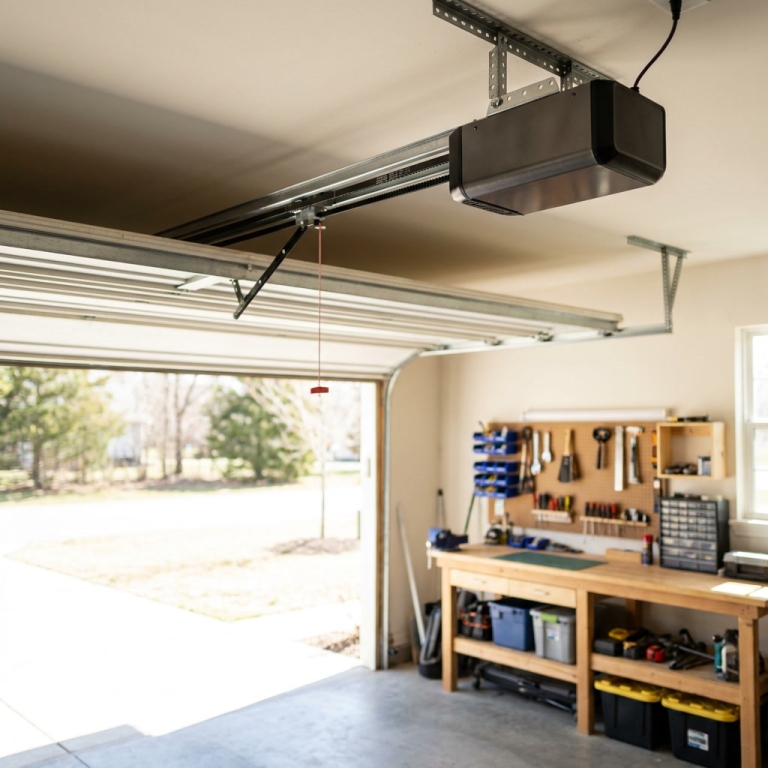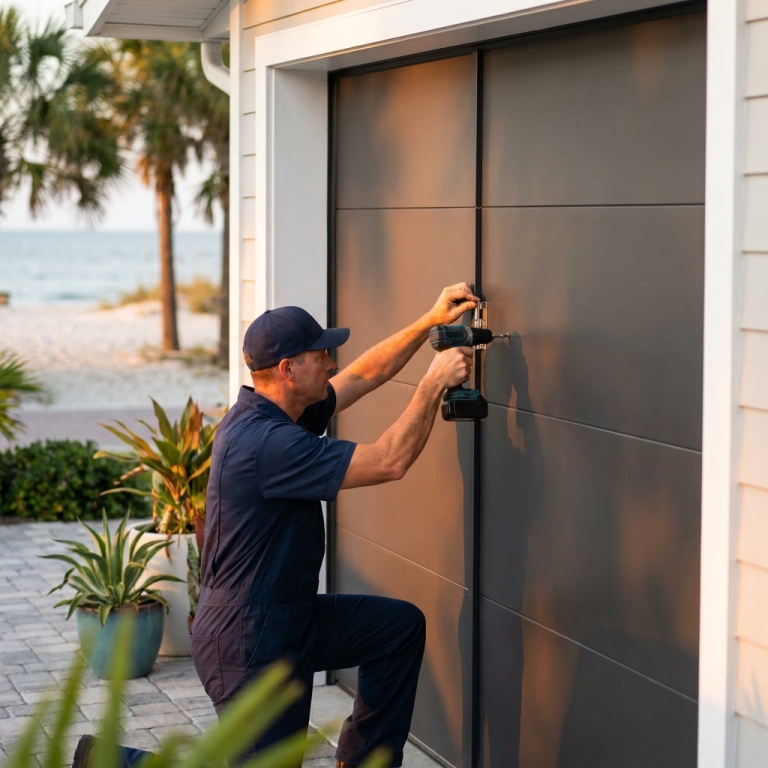
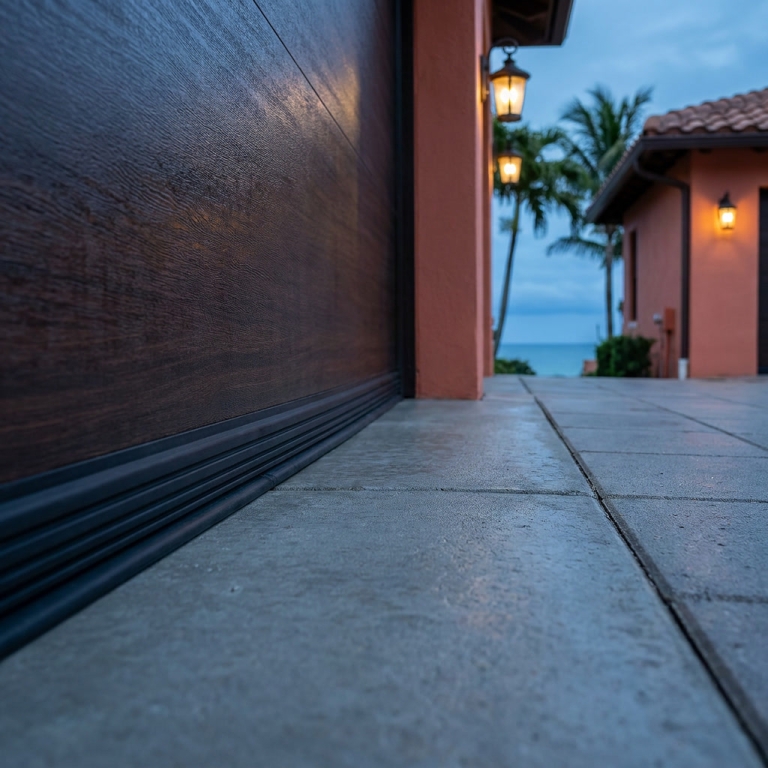
Choosing the right corrosion-resistant garage door hardware can help protect your garage door from rust, humidity, salt air, and everyday wear—especially in South Florida. From stainless steel hinges and galvanized tracks to weather-resistant rollers, springs, brackets, and fasteners, durable hardware improves garage door performance, safety, and service life. This guide explains which materials work best, how to identify early signs of corrosion, and why regular garage door maintenance matters in Broward County’s coastal climate. If you need dependable installation or emergency garage door repair near me in Broward County, Florida, our team provides same-day service backed by 13+ years of experience and more than 450 five-star reviews. Call (954) 830-9661 for fast, professional help with rusted, damaged, or malfunctioning garage door hardware.
Understanding Corrosion in Garage Door Hardware
Corrosion in garage door hardware is the gradual deterioration of metal components caused by moisture, oxygen, salts, chemicals, and electrical reactions between different metals. It can affect hinges, rollers, tracks, brackets, fasteners, cables, springs, lift handles, locks, reinforcement struts, and other parts that help a garage door move safely and smoothly. Understanding how corrosion begins is an important part of choosing corrosion resistant garage door hardware because rust is not only a cosmetic issue. As metal weakens, hardware can become stiff, noisy, misaligned, or unable to support the weight and movement of the door. A corroded hinge may restrict the door sections, while a damaged roller can increase friction and place additional stress on the opener, cables, and springs. Regular inspection and proper material selection can extend service life, reduce repair costs, and help prevent unexpected garage door failure. Corrosion usually starts when bare or poorly protected steel is exposed to water and air. The moisture creates an electrolyte that allows an electrochemical reaction to occur on the metal surface. Small scratches, worn coatings, cut edges, and areas where dirt collects can become starting points for rust. The risk increases in coastal locations because airborne salt deposits make water more conductive. Homes near roads may also experience accelerated corrosion from winter deicing salts, while garages with poor ventilation can hold humid air against metal components for long periods. Leaking roofs, wet vehicles, condensation, lawn chemicals, and cleaning products can create additional exposure. Even a garage that appears dry may have enough humidity to affect unprotected hardware over time.
Corrosion prevention begins with controlling moisture, reducing salt and chemical exposure, and selecting hardware with a protective coating or naturally corrosion resistant composition.Several types of corrosion may appear in garage door systems. General surface corrosion produces a thin layer of reddish brown rust across exposed steel. Pitting corrosion creates small holes or deep cavities that may be difficult to notice until the metal has lost significant strength. Crevice corrosion can develop inside tight spaces beneath washers, brackets, hinge leaves, and overlapping surfaces where moisture remains trapped. Galvanic corrosion occurs when two different metals touch while moisture is present. For example, contact between steel and aluminum can cause the less resistant metal to deteriorate more quickly if the connection is not properly designed or isolated. Threaded fasteners are especially vulnerable because water and debris can settle around the threads, making later removal difficult. Corrosion can also form beneath paint or powder coating when moisture enters through a chip or damaged edge and spreads underneath the finish. The most suitable garage door hardware depends on the local environment and the location of the component. Zinc plated steel is common and affordable, but its protection can decline after the coating is scratched or consumed. Hot dip galvanized steel has a thicker zinc layer and generally offers better resistance for exposed brackets, tracks, and fasteners. Stainless steel provides strong protection in many damp environments because chromium helps form a passive surface layer that limits further oxidation. However, stainless steel is available in different grades, and not every grade performs equally well in coastal or high salt conditions. Marine grade stainless steel, such as 316 stainless steel, usually provides better resistance to chloride exposure than 304 stainless steel because of its molybdenum content. Aluminum does not create red rust, but it can develop a dull oxide layer, white powdery deposits, or pitting under harsh conditions. Coated materials can perform well when the coating is properly applied and maintained. Powder coating creates a durable finish, while epoxy and specialized outdoor coatings can add another protective barrier. Material choice should also account for load capacity, wear resistance, compatibility with existing parts, and manufacturer specifications. A corrosion resistant component is not automatically suitable if it cannot support the door or fit the track and hinge system correctly. When inspecting a garage door, look for orange or brown staining, bubbling paint, flaking finishes, white deposits on aluminum, dark pits, swollen seams, loose fasteners, and metal that feels thin or brittle. Pay close attention to the bottom brackets and cable attachment points because these parts can carry substantial tension. Do not remove, loosen, or disassemble spring hardware or bottom brackets without professional training because garage door springs and cables can store dangerous amounts of energy. Rollers should turn smoothly without grinding, hinges should remain firmly attached, and tracks should be free of heavy rust, dents, and scaling. Surface rust on a nonstructural part may be treatable, but deep pitting, cracks, distorted brackets, badly corroded cables, and weakened mounting points usually require replacement. A professional garage door repair inspection can help determine whether cleaning is appropriate or whether the component has become unsafe. Routine maintenance can slow corrosion and reveal problems before they become serious. Keep tracks, hinges, and brackets free of leaves, mud, salt, and chemical residue. Rinse exterior hardware with clean water after exposure to salty air or road spray, then dry it thoroughly. Avoid directing high pressure water into bearings, electrical components, or enclosed opener parts. Use a clean cloth to remove moisture from hinges and fasteners, and improve garage ventilation if condensation is common. Lubricate moving metal contact points with a garage door lubricant recommended by the manufacturer. Do not use excessive lubricant because it can attract dust and create a sticky film that holds moisture against the hardware. Avoid painting rollers, track interiors, cables, or other components that must move freely. If a coating becomes scratched, clean the area, remove loose rust, dry the metal, and apply a compatible protective product according to its instructions. Do not cover severe rust with paint because the underlying damage may continue and remain hidden. Corrosion prevention also depends on correct installation. Fasteners should be tightened properly without damaging protective coatings. Dissimilar metals should be separated with compatible washers, sleeves, or coatings when required by the design. Drainage should be maintained around exterior mounting points so water cannot pool against the wall or bracket. Replacement parts should match the door model, weight rating, dimensions, and exposure conditions. A useful garage door parts resource can help homeowners identify common components before requesting a professional evaluation, but visual similarity alone is not enough to confirm compatibility. Homeowners should also consider the total cost of ownership. A low priced untreated fastener may require repeated replacement, while galvanized or stainless steel hardware can provide longer service in humid and coastal areas. The best choice balances initial price with expected exposure, maintenance requirements, safety needs, and the difficulty of future access. Research from the Association for Materials Protection and Performance explains that corrosion has a major economic impact worldwide, which demonstrates why preventive material selection is valuable for both large infrastructure and everyday property maintenance. The AMPP corrosion resources provide background on corrosion costs and prevention. Homeowners can also review guidance from the National Park Service maintenance resources for general principles involving moisture control, surface care, and protective maintenance. For technical information about stainless steel performance and corrosion resistance, the Nickel Institute offers educational resources on stainless steel materials and applications.
- Use galvanized or stainless steel fasteners when the garage is exposed to humidity, salt air, or frequent water contact.
- Inspect hinges, rollers, tracks, brackets, cables, springs, and locks at least twice a year and more often in coastal environments.
- Remove salt and dirt deposits with clean water, dry the hardware completely, and avoid trapping moisture beneath covers or debris.
- Replace components with deep pitting, cracks, severe scaling, loose mounting holes, or visible loss of structural thickness.
- Hire a qualified technician for spring, cable, bottom bracket, or load bearing hardware because incorrect handling can cause serious injury.
Best Materials for Corrosion Resistance
Choosing the right materials is one of the most important steps in creating corrosion resistant garage door hardware that remains safe, attractive, and reliable for years. Garage doors are exposed to moisture, rain, humidity, condensation, road salt, cleaning chemicals, dust, and changing temperatures, so ordinary untreated metal can quickly develop rust and surface damage. The best material depends on the location of the garage, the level of exposure, the type of hardware, the required strength, and the amount of maintenance the property owner is willing to provide. For coastal homes and buildings near salt water, corrosion protection should be a top priority because salt particles accelerate oxidation and can damage hinges, rollers, tracks, brackets, springs, fasteners, and locks much faster than normal moisture. Stainless steel is widely regarded as one of the best materials for corrosion resistant garage door hardware because it combines strength, durability, and excellent resistance to rust. Grade 304 stainless steel is suitable for many residential garages and provides reliable protection in normal outdoor conditions. It is commonly used for screws, bolts, hinges, handles, brackets, and other components that need both structural strength and a clean appearance. Grade 316 stainless steel offers even greater corrosion resistance because it contains molybdenum, which helps protect the metal from chlorides found in salt air, seawater, and deicing products. For homes near the coast, commercial properties, boat storage facilities, and garages exposed to frequent moisture, 316 stainless steel is often a better long term choice than 304 stainless steel. Although stainless steel hardware may cost more at the beginning, its extended service life and reduced need for replacement can make it a cost effective investment. Galvanized steel is another popular option for garage door components. This material is coated with a protective layer of zinc that acts as a barrier against moisture and provides sacrificial protection if the surface is scratched. Zinc corrodes before the underlying steel, helping to delay rust formation. Hot dip galvanized steel generally provides a thicker and more durable coating than electro galvanized steel, making it a strong choice for tracks, brackets, cables, fasteners, and structural hardware. Galvanized components are usually more affordable than stainless steel and can perform well in many residential and light commercial applications. However, the zinc coating can wear away over time, especially at cut edges, drilled holes, contact points, and areas exposed to salt water. Inspecting galvanized hardware regularly helps identify early coating damage before corrosion weakens the component. Aluminum is valued for its natural resistance to corrosion, light weight, and ease of handling. When exposed to air, aluminum forms a thin oxide layer that protects the surface from further oxidation. Aluminum hardware is useful for decorative handles, trim, covers, brackets, and selected door components where reduced weight is beneficial. It is especially suitable for humid environments because it does not develop the red rust associated with ordinary steel. However, aluminum is softer than steel and may not be suitable for every load bearing application. It can also experience galvanic corrosion when it comes into direct contact with certain dissimilar metals in the presence of moisture. Using compatible fasteners, protective washers, sealants, or insulating materials can reduce this risk. Brass and bronze are also useful materials for corrosion resistant garage door hardware, particularly for locks, handles, decorative fittings, and specialty components. Brass contains copper and zinc and develops a natural protective surface over time. Bronze, which commonly contains copper and tin, is highly durable and performs well in damp or marine environments. These materials offer an attractive appearance and can complement traditional, historic, or high end garage doors. Their main limitations are higher cost, possible surface discoloration, and lower structural strength compared with hardened steel in certain applications. Regular cleaning and the use of an appropriate protective finish can help preserve their appearance. For a broader selection of durable garage door hardware, homeowners should compare the material, coating, thickness, and intended use of every component rather than selecting products based only on appearance. Coated steel can provide a practical balance between cost and corrosion protection. Powder coated steel is covered with a dry polymer finish that is electrostatically applied and cured under heat. This coating creates a tough, even surface that helps protect the steel from moisture, scratches, ultraviolet exposure, and mild chemicals. Powder coated components are available in many colors and are commonly used for brackets, handles, hinges, and decorative hardware. The coating must remain intact to provide maximum protection, because deep scratches or exposed edges can allow moisture to reach the steel underneath. Liquid paint can also provide corrosion protection, but it may be less durable than a properly applied powder coating and may require more frequent touch ups. Zinc plated steel, sometimes called electroplated steel, has a thin zinc coating that improves resistance to moisture and gives the hardware a bright finish. It is suitable for indoor garages and moderately protected areas, but it may not perform as well as hot dip galvanized steel or stainless steel in coastal conditions. Nylon and other engineered plastics are useful for components that do not need to carry heavy structural loads. Nylon rollers, bushings, spacers, and covers resist moisture, do not rust, and can reduce noise during door operation. High quality polymer rollers may also require less lubrication than metal rollers and can help create smoother movement. However, plastic materials vary significantly in quality. Low grade plastic may become brittle after prolonged exposure to sunlight, cold temperatures, or heavy use, so products should be selected from reputable manufacturers and rated for the operating conditions. Protective coatings and material combinations also influence the overall corrosion resistance of garage door hardware. A stainless steel screw may resist rust, but if it is installed with a damaged or incompatible bracket, corrosion can still develop at the connection. Hardware should ideally use compatible metals throughout the assembly, especially in areas exposed to rain or salt spray. Direct contact between stainless steel and aluminum, copper, or zinc can create galvanic corrosion when water acts as an electrolyte. Nylon washers, rubber seals, plastic spacers, and suitable barrier coatings can help separate dissimilar metals and reduce this reaction. Fasteners should be selected carefully because small screws and bolts are often the first components to show corrosion. Stainless steel fasteners are generally preferred for exposed installations, while galvanized fasteners may be suitable in less demanding environments. Choosing the correct material also involves considering strength and wear resistance. Hinges, rollers, tracks, lift handles, and brackets experience repeated movement or load, so they must be strong enough for the door weight and operating cycle. Springs and cables require specialized high strength steel and should not be replaced with ordinary corrosion resistant materials that are not designed for tension or fatigue. Garage door cables may be available with galvanized or stainless steel construction, but professional installation is recommended because incorrect selection or installation can create a serious safety hazard. Tracks should be made from durable steel with a suitable protective finish, and their surfaces should remain aligned and free from deep rust that could interfere with roller movement. Corrosion resistance is improved further through basic care. Keeping components clean removes salt, dirt, and chemical residue that attract moisture. Rinsing coastal hardware with fresh water, drying exposed surfaces, repairing chipped coatings, and applying manufacturer approved lubricant can extend the service life of metal parts. Lubricants should be used on hinges, rollers, bearings, and springs only when appropriate, while tracks should generally remain clean and free from heavy grease that can collect grit. Homeowners can also improve protection by installing quality weather stripping around the door, which limits water and wind driven salt from entering the garage. When choosing materials, consider the local climate, exposure level, component function, appearance, budget, and expected maintenance. Stainless steel is usually the premium choice for severe exposure, galvanized steel offers dependable value for many applications, aluminum provides lightweight corrosion resistance, brass and bronze deliver durability with a distinctive appearance, and engineered polymers help reduce rust and operating noise. A well planned combination of these materials can provide stronger protection than relying on one material for every part. Regular inspection and timely replacement remain essential, since even the best corrosion resistant garage door hardware can eventually deteriorate if exposed to harsh conditions without care. For guidance on maintaining reliable door performance, review professional garage door maintenance recommendations and address early signs of discoloration, pitting, flaking, stiffness, or unusual noise before corrosion affects the safety and operation of the entire system.
Stainless Steel Hardware Options
Stainless steel hardware is one of the most dependable choices for a corrosion resistant garage door, especially in coastal regions, humid climates, and locations where doors are exposed to rain, road salt, condensation, or chemical pollutants. Unlike ordinary steel, stainless steel contains chromium, which forms a thin protective layer on the surface and helps prevent rust from spreading. This protective layer can repair itself when exposed to oxygen, provided the hardware is cleaned regularly and is not contaminated by carbon steel particles or harsh chemicals. Choosing the correct stainless steel components can extend the service life of a garage door, improve its operation, reduce maintenance, and protect the surrounding structure from rust stains. The most common stainless steel grades for garage door applications are 304 and 316. Grade 304 is suitable for most residential environments because it offers strong corrosion resistance, durability, and good value. Grade 316 contains molybdenum, which provides improved protection against chlorides found in ocean air, deicing salt, pool chemicals, and industrial environments. Homeowners who live near the coast should consider 316 stainless steel for exposed components such as hinges, rollers, fasteners, brackets, and lift handles. Stainless steel garage door hinges are important because they connect the door sections and support repeated movement as the door opens and closes. Heavy duty hinges made from 304 or 316 stainless steel resist rust while maintaining their strength under daily use. Look for hinges with smooth edges, accurate mounting holes, and a thickness that matches the weight and design of the door. Residential doors commonly use standard hinges, while larger insulated or commercial doors may require reinforced hinges with additional support. A qualified technician can confirm the correct hinge type and placement before replacement. Stainless steel rollers can also improve long term performance. Rollers guide the door through the tracks, and their bearings are exposed to moisture, dirt, and changing temperatures. Stainless steel roller stems resist corrosion better than plain steel stems, while nylon roller wheels can help reduce noise. For the best result, choose rollers with sealed bearings and a size that fits the existing tracks. Installing an unsuitable roller may cause friction, vibration, uneven movement, or premature wear. When evaluating garage door parts, make sure every replacement roller is compatible with the door weight, track profile, and hinge design. Fasteners are small components, but they have a major effect on the durability of a corrosion resistant garage door system. Stainless steel screws, bolts, nuts, washers, and lag fasteners help prevent rust around hinges, brackets, tracks, handles, and safety equipment. Using stainless steel fasteners with galvanized or painted hardware can sometimes create galvanic corrosion when moisture is present, so materials should be selected carefully. It is also important to avoid mixing stainless steel fasteners with aluminum parts without suitable isolation washers or coatings. A professional installer can use compatible materials and confirm that each fastener has enough length and strength for the application. Track brackets and end bearing plates are another area where stainless steel can provide valuable protection. These components hold the vertical and horizontal tracks in position and help support the shaft and cable system. Corrosion in these areas can weaken mounting points, create alignment problems, or make future repairs more difficult. Stainless steel brackets are especially useful in garages that are not fully enclosed, where water can reach the hardware during storms. However, stainless steel should not be selected only for appearance. The thickness, shape, load rating, and mounting method must also match the door system. Garage door springs and cables require special attention because they carry significant tension and weight. Stainless steel cables may offer better resistance to surface rust in damp areas, but they must be correctly sized, properly wound, and installed with suitable end fittings. Not every spring is made from stainless steel, and replacing springs is not a do it yourself task because stored tension can cause serious injury. Corrosion on a spring or cable should be assessed by a trained professional who can determine whether repair or complete replacement is necessary. For assistance with worn or damaged components, reliable garage door repair services can help identify the source of the problem and recommend suitable corrosion resistant replacements. Stainless steel handles, lock assemblies, slide bolts, and emergency release components are useful for both function and appearance. These parts are touched frequently and can become discolored or difficult to operate when rust develops. A stainless steel exterior handle can maintain a clean appearance while providing secure access. Lock parts should move smoothly without forcing the key or turning the handle excessively. In garages exposed to salt air, grade 316 handles and locks are generally a better choice than lower grade alternatives. Stainless steel safety cables and brackets can also help protect the door system, but they should be installed according to manufacturer instructions and inspected for fraying, loose connections, or deformation. Maintenance remains important even when premium stainless steel hardware is used. Stainless steel is corrosion resistant, not completely corrosion proof. Dirt, salt deposits, brake dust, fertilizer, and cleaning chemicals can collect on the surface and interfere with the protective layer. Clean the hardware with fresh water and a mild soap, then dry it with a soft cloth. For stubborn deposits, use a stainless steel cleaner that is approved for the specific finish. Avoid steel wool, wire brushes, chlorine bleach, muriatic acid, and abrasive powders because they can scratch the surface or leave particles that cause rust marks. Do not use carbon steel tools directly on stainless steel hardware if they can transfer metal particles. Inspection should be performed several times each year, with additional checks after hurricanes, flooding, heavy storms, or extended periods of salt exposure. Look for orange discoloration, pitting, loose bolts, damaged bearings, noisy rollers, misaligned tracks, and cracks around mounting points. Surface staining may be cleaned, but deep pitting can reduce the strength of a component and may require replacement. A corrosion resistant hardware package should be selected as a complete system rather than as a collection of unrelated parts. Combining stainless steel hinges with rust prone screws or damaged tracks can still lead to premature failure. Consider the door material, exposure level, usage frequency, weight, climate, and maintenance routine before choosing a grade and finish. Brushed stainless steel offers a practical appearance that hides minor marks, while polished finishes provide a brighter look but may show fingerprints and scratches more easily. For high moisture or marine environments, prioritize 316 stainless steel on exposed parts and use compatible protective coatings or isolation materials where different metals meet. Quality installation is just as important as the material itself. Hardware that is over tightened can deform brackets or damage panels, while hardware that is too loose can allow movement and water entry. Tracks must remain aligned, hinges must support the door sections evenly, and fasteners must be installed into suitable structural points. After installation, the door should move smoothly, remain balanced, and stop correctly when the safety system is tested. If corrosion has affected several components, replacing only the most visible part may not solve the underlying issue. A complete inspection can reveal hidden damage and help prevent repeated repair costs. Homeowners can find additional garage door solutions for selecting durable materials, planning maintenance, and arranging professional service. With the right stainless steel grade, compatible fasteners, regular cleaning, and proper installation, garage door hardware can provide dependable performance and a clean appearance for many years while reducing the risk of rust related repairs.
Galvanized and Zinc-Plated Components
Choosing corrosion resistant garage door hardware is essential for reliable operation, long service life, and lower maintenance costs. Galvanized and zinc plated components are two of the most widely used options for protecting metal parts from moisture, humidity, road salt, chemical exposure, and everyday weather conditions. These finishes are commonly applied to brackets, hinges, rollers, tracks, bolts, nuts, screws, cables, supports, and other parts that help a garage door move safely and smoothly. Although galvanized and zinc plated components are often discussed together, they are not identical. Each finish provides a different level of protection and is suited to particular garage environments. Understanding the difference can help homeowners, builders, and technicians select the right garage door hardware for the door type, climate, and expected usage.
Galvanizing protects steel by applying a layer of zinc to its surface. The zinc acts as a physical barrier that limits contact between the steel and corrosive elements such as water and oxygen. More importantly, zinc provides sacrificial protection. If the surface becomes scratched, the zinc around the exposed area reacts before the underlying steel does, helping reduce the spread of rust. This makes galvanized parts a dependable choice for garage doors installed in damp locations, coastal regions, unheated garages, workshops, and properties where the hardware may be exposed to condensation or fluctuating temperatures. Galvanized components are especially valuable when strength and long term outdoor performance are more important than a perfectly smooth appearance.
There are two common galvanizing methods used for metal hardware. Hot dip galvanizing immerses steel parts in molten zinc, creating a relatively thick and durable coating. This process offers strong protection and is often selected for larger brackets, structural supports, posts, anchors, and hardware exposed to severe outdoor conditions. Electro galvanizing, sometimes called electroplating with zinc, uses an electrical process to apply a thinner and more uniform zinc layer. It generally produces a smoother and cleaner finish, which can be useful for bolts, screws, hinges, and smaller parts. Hot dip galvanized hardware may have a slightly rough or textured appearance, while electro galvanized products usually have a brighter and more polished surface. The appearance is different, but both finishes can help delay corrosion when used in the right setting.
Zinc plated components are typically made by applying a thin zinc coating through an electroplating process. The finish gives steel parts a bright silver or blue gray appearance and provides useful protection against light moisture and indoor humidity. Zinc plating is commonly found on fasteners, hinge hardware, brackets, cable fittings, bearing retainers, and other parts used in residential garage door systems. It is a practical and economical option for attached garages, dry climates, and installations where the hardware is not directly exposed to rain, salt spray, or standing water. Zinc plated parts also offer a clean appearance that blends well with many modern garage door assemblies.
The main difference between galvanized and zinc plated hardware is coating thickness and environmental resistance. Galvanized components generally have a thicker zinc layer and are better suited to demanding conditions. Zinc plated components have a thinner coating and are often preferred for general indoor use, appearance, and cost control. Neither finish makes steel completely immune to corrosion. Scratches, cut edges, threaded areas, and contact points can eventually develop rust if they remain wet or are exposed to corrosive substances. For this reason, installation quality and routine inspection are just as important as the selected finish. Hardware should be installed without damaging the protective coating, and any exposed areas should be treated with a compatible corrosion resistant product when recommended by the manufacturer.
Garage door hinges, brackets, and rollers are frequently exposed to moisture because they are positioned near the edges of the door and close to the floor or exterior walls. Galvanized hinges and brackets can offer additional protection in garages with poor ventilation or high humidity. Zinc plated hinges may perform well in dry interior environments, particularly when the door is used only a few times each day. Rollers require special attention because their surfaces move continuously and may collect dust, water, and road debris. A corrosion resistant roller can help support smoother travel, reduce noise, and limit premature wear on the roller stem and hinge connection. For more information about selecting compatible parts, review the available garage door parts before replacing individual components.
Fasteners are another important consideration. Nuts, bolts, washers, and screws hold the entire garage door system together, so corrosion in one small fastener can affect alignment, stability, and serviceability. Zinc plated fasteners are suitable for many indoor applications, but galvanized fasteners are often a better choice for detached garages, coastal properties, and exterior mounted hardware. It is best to avoid combining metals that may cause galvanic corrosion when exposed to moisture. For example, dissimilar metals can react when they remain in direct contact, especially in salty or wet environments. Using compatible materials, protective washers, and manufacturer approved fasteners can reduce this risk.
Garage door cables and spring related hardware also benefit from corrosion resistant finishes. Cables are exposed to tension, movement, and changes in temperature, so even small areas of rust can become a safety concern. Zinc coated cable fittings and galvanized support hardware can help slow surface corrosion, but cables should still be inspected regularly for broken strands, kinks, flattening, or discoloration. Springs, drums, brackets, and lift components should never be modified casually because they operate under significant tension. If corrosion appears on a load bearing or spring related part, a trained garage door professional should evaluate it before the door is used again.
Maintenance helps both galvanized and zinc plated components perform as intended. Keep tracks, hinges, brackets, and exposed fasteners free from dirt and salt buildup. In coastal areas, rinse exterior hardware periodically with clean water and dry it thoroughly. Avoid using harsh acidic cleaners, abrasive tools, or unapproved chemicals that may strip away the zinc coating. Apply garage door lubricant only to the parts recommended by the manufacturer, since excessive oil can attract grit and interfere with roller movement. During routine checks, look for white powdery residue, dull patches, red rust, bubbling, flaking, or coating loss. White corrosion products can appear on zinc surfaces before red rust develops and should be addressed early.
When comparing products, look beyond the word galvanized or zinc plated. Check the manufacturer specifications for coating method, coating thickness, base metal quality, load rating, dimensions, and compatibility with the existing door system. A thick, properly manufactured coating is more valuable than a vague finish description. Hardware should also match the weight and design of the door. Heavy wood doors, insulated steel doors, carriage style doors, and high cycle commercial doors may require stronger brackets, reinforced hinges, or specialized fasteners. Selecting parts based only on appearance or price can lead to misalignment, accelerated wear, or unsafe operation.
The best choice depends on the installation environment and the role of each component. Zinc plated hardware can provide economical protection and a clean finish for dry residential garages. Galvanized hardware is generally the stronger option for humid climates, exposed installations, coastal homes, and areas where salt and moisture are common. In many systems, the most effective approach is to combine finishes according to location and function while following the door manufacturer specifications. A carefully selected set of corrosion resistant components can reduce rust, preserve door alignment, support quieter operation, and extend the useful life of the entire system. For replacement planning and professional guidance, homeowners can also explore garage door service options before corrosion becomes a serious repair issue.
Choosing Rust-Resistant Hinges and Rollers
Selecting rust resistant hinges and rollers is one of the most important steps in building a corrosion resistant garage door system. Hinges and rollers move every time the door opens or closes, so they are exposed to friction, moisture, road salt, dirt, temperature changes, and outdoor humidity. When these components begin to corrode, they can create noise, increase operating resistance, damage the tracks, and place additional strain on the garage door opener. Choosing the right hardware helps maintain smooth movement, extends the service life of the door, and supports safer daily operation. The best choice depends on the garage environment, the door design, the level of exposure to moisture, and the type of maintenance you are prepared to provide. For coastal homes, properties in areas with heavy rainfall, and garages that are not fully climate controlled, corrosion resistance should be treated as a primary feature rather than an optional upgrade. Before purchasing replacement parts, inspect the existing hardware and confirm the correct size, shape, mounting pattern, and weight rating for your garage door. Hinges are commonly identified by number, with larger numbers generally used toward the center of the door where they support greater movement and load. Using the wrong hinge can affect how the door sections flex and may cause uneven wear. Choose hinges manufactured from stainless steel, galvanized steel, or steel with a durable protective coating. Stainless steel offers excellent resistance to rust, especially in damp or salty environments, although quality and grade matter. Marine grade stainless steel can be a strong option for homes near the coast, where airborne salt can accelerate corrosion. Galvanized steel is also widely used because the zinc coating helps protect the underlying steel from moisture. However, the coating can eventually wear away at contact points, edges, and fastener holes, so galvanized hardware should still be inspected regularly. Powder coated or plated hinges may provide useful protection, but the finish should be thick, even, and suitable for exterior use. Avoid relying only on a painted surface, because scratches and exposed edges can become starting points for rust. Rollers deserve equal attention because they carry the door through the vertical and horizontal sections of the track. Standard steel rollers may be affordable, but unprotected steel can rust quickly when exposed to condensation or humidity. Rust on the roller stem, wheel, or bearings can cause grinding sounds, vibration, and inconsistent travel. For many residential garage doors, nylon rollers are a practical corrosion resistant choice. Nylon does not rust, operates quietly, and generally requires less lubrication than exposed metal rollers. High quality nylon rollers with sealed bearings can provide smooth performance while reducing the amount of dirt and moisture that reaches the internal components. However, not all nylon rollers are identical. Look for reinforced designs, suitable wheel dimensions, sealed or shielded bearings, and a load rating that matches the door. Low quality nylon can crack, deform, or wear prematurely, particularly on heavy doors or doors used many times each day. Steel rollers can be appropriate for commercial doors, heavy residential doors, or applications where maximum strength is important. When selecting steel rollers, prioritize stainless steel, zinc plated steel, or rollers with a reliable corrosion resistant finish. Sealed bearings are especially valuable because they help keep water, dust, and grit away from the moving parts. Open bearings may require more frequent cleaning and lubrication, and they can deteriorate faster in wet conditions. The roller stem should also be inspected for pitting, discoloration, or flaking. Even if the wheel still turns, a badly corroded stem may weaken and should be replaced. A suitable garage door repair professional can confirm whether a roller problem is limited to the roller or connected to track alignment, hinge wear, or cable tension. Hardware compatibility is essential when upgrading to rust resistant components. Measure the roller diameter, stem length, and hinge dimensions before ordering. Most residential systems use common roller sizes, but variations are possible between manufacturers and door models. The replacement part must fit securely without binding against the track or creating excessive side movement. Hinges should align with the existing section brackets and should be fastened with the correct screws or bolts. Do not substitute random fasteners simply because they fit the hole. Hardware with inadequate strength or poor corrosion resistance can loosen over time and may damage the door sections. Stainless steel fasteners can reduce rust staining, but they must be compatible with the hinge material and the door construction. In some situations, contact between different metals can contribute to galvanic corrosion, especially in the presence of water or salt. Using compatible materials and isolating dissimilar metals when recommended by the manufacturer can help reduce this risk. The garage environment should guide the level of protection you choose. A dry, enclosed garage in an inland area may perform well with coated steel hinges and quality nylon rollers. A garage exposed to wind driven rain, coastal air, snow melt, or frequent vehicle washing should receive higher grade components, sealed bearings, and more frequent inspections. If the garage is attached to a home with poor ventilation, condensation may form on cold metal surfaces and accelerate corrosion even when rain never enters the space. Improving airflow, repairing water leaks, and keeping the floor dry can protect the hardware as much as selecting a better finish. Regular cleaning is another important part of corrosion prevention. Wipe away dirt, salt residue, and chemical deposits with a damp cloth and mild cleaner. Avoid harsh acids, abrasive pads, and strong solvents that may remove protective coatings. After cleaning, dry the components thoroughly. Apply only a garage door lubricant recommended for hinges, bearings, and rollers. Penetrating oils and general purpose sprays may provide temporary movement but can attract dust or wash away needed lubrication. Never lubricate the track surface because rollers are designed to travel on a clean track, and excess oil can cause slipping and collect abrasive debris. During maintenance, listen for squealing, clicking, scraping, or popping sounds. Watch for rollers that hesitate, wobble, or leave unusual marks on the track. Check whether hinge leaves are bent, cracked, loose, or heavily discolored. Surface rust may sometimes be cleaned from a fastener, but deep pitting, flaking metal, seized bearings, and distorted parts usually indicate that replacement is safer. Replacing rollers in a complete set is often preferable to replacing only one because matching components provide more consistent movement and reduce uneven loading. Hinges can sometimes be replaced individually, but nearby hinges should be inspected at the same time. When several parts show corrosion, upgrading the entire group may provide better long term value than installing one new component among several weakened parts. It is also helpful to keep records of the hardware type and installation date so future replacements are easier. Reliable garage door parts should include clear specifications, material information, and weight or size ratings. Be cautious of products that do not identify the metal, bearing type, finish, or intended application. Very low prices may reflect thin coatings, weak bearings, poor tolerances, or materials that are not designed for outdoor exposure. Corrosion resistant does not mean corrosion proof, so even premium hardware benefits from inspection and proper care. Homeowners who want broader guidance can also review garage door maintenance recommendations before beginning an upgrade. Most importantly, do not remove hinges, rollers, cables, or brackets while the door is under tension unless you have the correct training and tools. Garage doors are heavy, and certain components can release stored energy unexpectedly. A qualified technician can safely identify the cause of corrosion, verify compatibility, align the tracks, and test the complete system after installation. By choosing materials suited to the local climate, selecting sealed and properly rated rollers, installing compatible hinges and fasteners, and following a consistent maintenance routine, you can reduce rust, limit operating noise, and help your garage door perform reliably for many years.
Corrosion-Resistant Springs and Cables
Corrosion resistant springs and cables are essential components of a reliable garage door system, especially in coastal regions, humid climates, and areas where road salt, rain, pool chemicals, or industrial pollutants are common. These parts support the weight of the door, control its movement, and help maintain balanced operation every time the door opens or closes. When moisture and salt reach unprotected metal, corrosion can weaken the material, create rough surfaces, and reduce the service life of the hardware. Choosing properly protected springs and cables helps improve safety, reduce maintenance, and prevent unexpected garage door problems. For homeowners searching for dependable garage door springs, it is important to understand the available materials, protective coatings, installation requirements, and warning signs of corrosion.
Garage door springs are generally available as torsion springs or extension springs. Torsion springs are mounted above the garage door and use controlled twisting force to lift the door. Extension springs are installed along the horizontal tracks and stretch as the door moves. Both types are exposed to changing temperatures and humidity, but torsion springs are often preferred for modern residential doors because they provide smoother balance and more controlled movement. In corrosion prone locations, spring material and finish are especially important. Standard steel springs can develop surface rust when exposed to moisture, while galvanized springs have a zinc coating that provides an additional barrier against water and oxygen. Stainless steel springs offer stronger corrosion resistance and may be a valuable choice for homes near the ocean, although they may cost more than standard or galvanized options.
A corrosion resistant coating can slow rust formation, but it does not make a spring completely immune to damage. Galvanized coatings can become scratched during installation or use, leaving exposed steel vulnerable to oxidation. Painted or powder coated springs may provide protection, but the finish can wear over time, especially where metal coils rub against nearby components. Stainless steel usually performs well in damp environments, yet the grade of stainless steel matters. Some grades are more resistant to salt and chemical exposure than others. A qualified garage door technician can recommend a suitable spring based on the door weight, cycle rating, climate, and level of exposure. The spring must always match the door specifications because using an incorrect size can create an unsafe lifting force.
Garage door cables work with the springs to raise and lower the door in a controlled manner. Lift cables are usually made from multiple strands of steel wire and are attached near the bottom brackets, then routed around drums or pulleys. Because cables carry significant tension, corrosion can be a serious safety concern. Rust can weaken individual wire strands, create sharp broken edges, and cause the cable to fray or slip from its proper position. Cables used in humid or coastal locations should have a protective coating or corrosion resistant construction. Galvanized cables are commonly used because the zinc layer helps protect the steel from moisture. Stainless steel cables may provide greater resistance in severe environments, especially when exposed to salt air, but the cable must still be correctly sized and compatible with the drums and hardware.
The condition of the entire cable assembly matters, not just the visible length of the wire. End loops, sleeves, bottom brackets, drums, and fasteners can also corrode and affect performance. A cable may look acceptable from a distance while hidden rust is developing near the attachment point. Frayed strands, flattened sections, discoloration, broken wires, or loose cable tension are signs that professional service may be needed. Never touch or adjust a cable that appears loose, damaged, or disconnected. Garage door cables and springs store substantial energy, and an incorrect adjustment can cause serious injury or damage to the door.
Proper lubrication can help reduce friction and protect certain metal surfaces, but lubrication is not a substitute for corrosion resistant materials. Use a garage door lubricant recommended for springs, rollers, hinges, and bearings. Avoid applying heavy grease or household oils that attract dust and grit. Lubricant should generally be applied to the spring coils and moving metal contact points according to the manufacturers instructions. Cables should not be coated with excessive lubricant because residue can collect dirt and interfere with movement. Stainless steel and galvanized components still benefit from regular inspection, cleaning, and correct lubrication in demanding environments.
Regular maintenance is one of the most effective ways to extend the service life of springs and cables. Inspect the garage door several times a year, and check it more frequently if the property is near the coast or exposed to frequent storms. Look for orange or brown rust, white zinc oxidation, peeling coating, pitting, broken wire strands, and unusual wear. Listen for squeaking, scraping, popping, or snapping sounds while the door operates. Test the door balance only if the system appears to be in safe condition. With the door closed, disconnect the automatic opener using the emergency release and carefully lift the door by hand. A properly balanced door should move smoothly and remain near the halfway position. If the door feels unusually heavy, falls quickly, or is difficult to lift, stop using it and contact a qualified technician.
Washing salt and dirt from nearby surfaces can also reduce corrosion. Gently clean the exterior of the door, tracks, brackets, and accessible hardware with mild soap and water, then dry the area thoroughly. Do not spray water directly into the opener, bearings, electrical components, or spring assembly. Keep the garage well ventilated to reduce condensation, and repair roof leaks or plumbing leaks that allow moisture to collect near the door. Weather seals at the bottom and sides of the door should remain in good condition because they help limit the entry of rain, wind driven moisture, and outdoor debris. Good drainage around the garage can further reduce exposure to standing water.
When replacing a damaged spring or cable, it is usually best to replace related hardware that shows advanced corrosion or wear. Installing a new cable on a severely rusted drum or bracket may provide only a short term solution. Likewise, replacing one spring in a matched pair can result in uneven performance if the other spring is old, weak, or corroded. A professional inspection can determine whether the system needs one replacement part, a complete spring and cable service, or additional hardware such as drums, brackets, rollers, and bearings. Reliable garage door cable repair should include checking alignment, tension, attachment points, and overall door balance.
Corrosion resistant components are also a smart investment for new garage door installations. Ask about the expected cycle life of the springs, the type of protective coating, the stainless steel grade if applicable, and the warranty conditions. Higher cycle springs may be a practical choice for frequently used doors because they can reduce replacement frequency. It is also helpful to choose hardware designed for the local environment rather than selecting the least expensive standard component. A qualified installer can explain the difference between galvanized and stainless steel parts, identify areas with excessive moisture, and create a maintenance schedule suited to the property.
Safe operation should always remain the top priority. Do not paint over rust, straighten a bent cable, stretch a spring, or attempt to increase spring tension without proper training and specialized tools. Keep children and pets away from the garage door while it is moving, and do not operate the door if a cable has come off the drum or a spring has broken. Professional garage door repair helps ensure that replacement parts are correctly selected, installed, and tested. With corrosion resistant materials, routine inspections, controlled moisture, and timely professional service, homeowners can protect their garage door investment and maintain smooth, dependable, and safer operation for years.
Selecting Durable Tracks and Brackets
Choosing durable tracks and brackets is one of the most important steps in building a corrosion resistant garage door system. These components guide the door during every opening and closing cycle, support its weight, and help maintain smooth, balanced movement. Because tracks and brackets are exposed to humidity, temperature changes, road salt, cleaning chemicals, and airborne pollutants, ordinary steel can develop rust that weakens the metal and affects door performance. Selecting high quality garage door hardware with corrosion resistant protection can extend service life, reduce maintenance, and improve safety. The right choice depends on the local climate, door size, operating frequency, installation conditions, and the quality of the materials and coatings used.
Start by evaluating the environment where the garage door is installed. Coastal properties are exposed to salt laden air that can accelerate corrosion, while homes in areas with heavy rainfall or high humidity face constant moisture exposure. Garages near swimming pools, industrial areas, or busy roads may also encounter chemicals and pollutants that damage unprotected metal. In these locations, tracks and brackets should have stronger corrosion protection than components used in a dry inland climate. Galvanized steel is a common and practical option because its zinc coating creates a protective barrier over the steel. However, not all galvanized products provide the same level of protection. Ask about the galvanizing method, coating thickness, and quality control before making a purchase. Hot dip galvanized components generally offer a thicker and more durable zinc layer than lightly coated alternatives.
Stainless steel is another strong choice for demanding environments. It naturally resists rust and staining because chromium in the alloy forms a protective surface layer. Stainless steel tracks and brackets are especially useful for coastal garages, commercial facilities, and installations that require frequent cleaning. When comparing stainless steel products, check the grade rather than relying only on the name. Marine grade stainless steel can provide better resistance in salt air than lower grades. Although stainless steel may cost more initially, its long service life and reduced maintenance needs can make it a valuable investment. It is also important to use compatible fasteners, because ordinary steel screws attached to stainless steel can create weak points where corrosion begins.
The design and thickness of the track should match the garage door system. Residential doors commonly use standard lift tracks, while some garages require high lift, vertical lift, or follow the roof designs. A track that is too light for the door may bend, vibrate, or develop damaged mounting points. A track that is not correctly shaped or aligned can cause rollers to bind and place unnecessary stress on hinges, brackets, and the opener. Review the door manufacturer specifications for track gauge, profile, length, and configuration. Heavy duty tracks are usually made from thicker steel and are better suited to large, insulated, or frequently used doors. They should still be selected according to the exact door design rather than installed simply because they appear stronger.
Track dimensions must be accurate. Measure the door height, track radius, vertical rise, horizontal distance, and available side room before ordering replacement components. Small differences in track geometry can affect how the door travels and may prevent the rollers from sitting correctly. A proper fit reduces friction and helps distribute the door load evenly. When replacing existing tracks, compare the new profile with the original component and confirm that the rollers, hinges, cable system, and lift arrangement are compatible. Mixing parts from unrelated systems can create alignment problems and may void product warranties. If the door uses a specialized configuration, professional measurement is recommended.
Brackets deserve the same attention as tracks because they hold the track in position and help transfer operating forces to the garage structure. Look for brackets made from thick, formed steel with clean bends, reinforced mounting points, and a protective finish. Thin brackets may flex when the door moves, especially if the track is exposed to vibration or the door is opened many times each day. Corrosion can make this problem worse by reducing the effective thickness of the metal. Brackets with enclosed edges, smooth welds, and complete coating coverage are generally more resistant to moisture retention than products with sharp unfinished areas. Inspect welds and corners carefully because these locations can trap water and become early corrosion points.
The coating itself should be appropriate for the environment. Zinc coatings provide basic and effective corrosion resistance, while powder coating adds a durable finish that helps protect the underlying metal from moisture, scratches, and surface wear. Powder coated brackets are available in several colors, but appearance should not be the only consideration. Ask whether the coating is suitable for exterior or high humidity use and whether it covers the inside edges, mounting holes, and weld areas. Painted steel can perform well when properly prepared and maintained, but a thin decorative paint layer should not be confused with a heavy duty protective coating. Any exposed cut edge or damaged area should be treated promptly with a compatible rust inhibiting product.
Consider the hardware used to attach the tracks and brackets. Corrosion resistant bolts, lag screws, washers, and nuts are essential because a protected track can still fail if its fasteners rust. Stainless steel or high quality coated fasteners are often suitable, but their size and load rating must match the structure. Fasteners should be long enough to reach solid framing without damaging wiring, plumbing, or other hidden components. Do not attach heavy track brackets only to thin drywall or weak sheathing. The mounting surface should be capable of supporting the door system and resisting repeated movement. In masonry installations, use anchors designed for the specific material and load.
Correct installation has a direct effect on durability. Tracks should be level, parallel, and securely supported, with the recommended spacing between brackets. They should not be forced into position, hammered to fit, or fastened while twisted. Misalignment creates extra pressure on rollers and can cause the protective coating to wear away at contact points. Once the metal is exposed, moisture can begin a corrosion cycle that spreads beneath the coating. Check that the tracks are firmly attached but not distorted by over tightening. Brackets should be positioned according to the manufacturer instructions, and all adjustments should be completed before the door is tested under power.
Regular inspection helps protect the investment. Look for orange discoloration, bubbling paint, white powdery residue on galvanized surfaces, flaking coating, loose fasteners, bent sections, and elongated mounting holes. Surface rust should be removed carefully, followed by cleaning, drying, and application of a suitable protective coating. Severe pitting, cracks, bends, or loose structural connections require replacement rather than cosmetic repair. Keep tracks free of dirt and debris, but avoid applying heavy grease inside the track because it can attract dust and interfere with roller movement. Use a manufacturer approved lubricant on rollers, hinges, bearings, and other moving parts instead of coating the track surface unnecessarily.
Quality tracks and brackets should be selected as part of a complete maintenance plan. A durable component is not defined by material alone. Its performance depends on correct sizing, suitable coating, compatible fasteners, accurate installation, proper door balance, and regular inspection. If the garage is near the ocean, choose marine suitable materials and rinse salt deposits from exposed surfaces with fresh water when appropriate. In cold regions, inspect for damage caused by ice, snow, and freeze thaw cycles. For busy residential or commercial doors, choose components rated for the expected number of cycles and consider heavier construction where recommended by the manufacturer.
Before purchasing, compare product specifications, warranty coverage, corrosion protection details, load capacity, compatibility, and installation requirements. Avoid selecting tracks or brackets based only on the lowest price, because premature rust or structural failure can lead to expensive repairs and safety risks. Reputable suppliers should provide clear information about material grade, finish, dimensions, and intended use. If the door is unusually large, heavy, automated, or exposed to severe weather, consult a trained garage door professional. The correct combination of corrosion resistant materials and dependable design will help the door operate quietly, remain aligned, and provide reliable service for many years.
Hardware for Coastal and Humid Environments
Choosing garage door hardware for a coastal or humid environment requires more than selecting parts that look attractive or fit the door. Salt air, high moisture, rain, condensation, and changing temperatures can cause ordinary steel components to rust quickly, weaken, and fail without warning. A corrosion resistant garage door system should use materials and protective finishes that are designed to withstand persistent exposure to moisture and airborne salt. Hinges, rollers, tracks, springs, cables, brackets, fasteners, locks, handles, and reinforcement parts all contribute to safe and reliable operation. Selecting the right hardware at the beginning can reduce maintenance, protect the garage door investment, and help prevent expensive repairs caused by corrosion. For homeowners near the ocean, in areas with frequent storms, or in regions with high humidity, stainless steel hardware is often one of the most dependable choices. Stainless steel resists rust because it contains chromium, which creates a protective layer on the surface when exposed to oxygen. Marine grade stainless steel, such as 316 stainless steel, provides even better resistance to saltwater and coastal conditions than standard 304 stainless steel. It is especially useful for exposed fasteners, hinges, handles, brackets, and other components that may receive direct contact with salty air or rain. Galvanized steel is another practical option for garage door hardware in humid climates. The zinc coating helps protect the underlying steel from moisture and corrosion. Hot dip galvanized parts generally provide a thicker and more durable coating than electro galvanized parts, making them a better choice for demanding outdoor conditions. However, galvanized hardware should still be inspected regularly because scratches, cut edges, and areas where the coating has worn away can begin to rust. Powder coated hardware can provide an additional layer of protection and is available in many colors. This baked on finish creates a hard surface that helps shield metal from water and humid air. Powder coating is most effective when the coating is applied evenly and remains free from chips and deep scratches. If damage occurs, the exposed area should be cleaned and repaired promptly to prevent corrosion from spreading beneath the finish. When selecting garage door hardware, pay close attention to the material, coating, thickness, and intended environment listed by the manufacturer. Hardware designed for an indoor garage may not provide enough protection for a home located near the shoreline. Coastal properties should use corrosion resistant components throughout the complete door system rather than upgrading only the most visible parts. A stainless steel handle paired with ordinary untreated hinges and brackets will not provide complete protection because hidden components can still corrode and affect operation. Garage door hinges are exposed to movement, moisture, and road salt carried into the garage. Heavy duty stainless steel or coated hinges can help maintain smooth panel movement and reduce the chance of binding. Hinges should be correctly sized for the door weight and installed with corrosion resistant screws or bolts. Using incompatible metals together can create galvanic corrosion, especially when moisture is present. For example, certain combinations of dissimilar metals can accelerate deterioration at connection points. A qualified installer can select compatible materials and use suitable washers, sealants, or protective coatings where necessary. Rollers also require careful selection in humid and coastal areas. Nylon rollers with sealed bearings are often a good choice because they operate quietly and do not expose as much metal to moisture. If steel rollers are needed for a heavy door, choose rollers with corrosion resistant bearings and protective finishes. Sealed bearings help prevent water and salt particles from entering the moving parts, which can extend service life and maintain smooth operation. Tracks should be made from galvanized or specially coated steel and should remain properly aligned. Rust, dents, and debris inside the track can cause rollers to drag, make excessive noise, or leave the door uneven. Tracks should not be painted shut or heavily lubricated because these practices can attract dirt and interfere with roller movement. Regular cleaning with a dry cloth or an approved mild cleaner is usually more helpful than applying thick grease. Springs and lift cables are critical safety components that deserve special attention in humid environments. Torsion springs and extension springs can corrode when their protective coating is damaged or when salt and moisture remain on the surface. A corroded spring may lose strength or break unexpectedly. Galvanized springs, coated springs, and stainless steel cable options can improve resistance, but no spring should be considered maintenance free. Cables should be inspected for fraying, rust spots, kinks, and broken strands. Because springs and cables are under extreme tension, repairs and replacements should be completed by a trained professional rather than a homeowner. A reliable garage door repair service can identify corrosion before it creates a serious safety hazard. Fasteners are small parts, but they have a major influence on the durability of a corrosion resistant garage door. Screws, nuts, bolts, washers, and lag fasteners should be rated for outdoor use and selected to match the surrounding hardware. Stainless steel fasteners are often preferred in severe coastal locations, while high quality galvanized fasteners may be suitable in less aggressive humid environments. Avoid using standard indoor screws because they can rust rapidly and stain the door surface. Rust stains around fastener heads may indicate that moisture has entered the connection or that the fastener material is not suitable for the environment. Weather seals are also important because they reduce the amount of rain and humid air that reaches the hardware. A durable bottom seal helps block water, sand, and wind driven debris beneath the door. Side and top seals help close gaps around the frame and can reduce condensation inside the garage. Choose seals made from flexible rubber or weather resistant synthetic compounds that remain effective during heat, heavy rain, and temperature changes. Damaged or hardened seals should be replaced because small gaps can allow moisture to reach tracks, brackets, and stored belongings. Proper ventilation can reduce humidity inside the garage and protect metal components from condensation. A garage that remains closed, warm, and damp can develop moisture on cold metal surfaces even when there is no direct rain. Vents, exhaust fans, and moisture control measures can help improve air circulation. Homeowners should also avoid storing wet equipment, beach gear, or salt covered tools near the door hardware. Rinsing salt from bicycles, vehicles, and outdoor equipment before bringing them into the garage can reduce the amount of corrosive residue in the air. Cleaning is one of the simplest ways to extend the life of coastal garage door hardware. Periodically rinse exposed components with fresh water to remove salt deposits, then dry the surfaces completely. Do not use harsh acids, abrasive pads, or chlorine based products because they may damage protective coatings and create new corrosion points. Apply a manufacturer approved lubricant to hinges, bearing areas, and springs when recommended. Silicone based or synthetic garage door lubricants are generally more suitable than household penetrating oils, which may evaporate quickly or collect dust. Always follow the maintenance instructions for the specific hardware. Professional inspection is valuable for homes in hurricane prone or coastal areas. An experienced technician can check fastener condition, panel connections, track alignment, spring balance, cable wear, roller movement, and corrosion around mounting brackets. Reinforcement hardware may also be needed where high winds and storm pressure are common. A properly maintained and correctly installed door is more likely to operate safely and provide dependable protection for the garage. When planning a new installation, discuss local weather conditions with the contractor and request hardware rated for salt air and high humidity. An experienced garage door installation professional can recommend suitable materials based on distance from the coast, exposure to wind and rain, door weight, opening size, and maintenance expectations. The best corrosion resistant garage door hardware combines durable materials, compatible fasteners, protective coatings, proper installation, regular cleaning, and timely replacement of worn parts. With the right approach, homeowners can reduce rust, preserve smooth door operation, improve safety, and extend the service life of the entire garage door system even in challenging coastal and humid conditions.
Protective Coatings and Finishes
Protective coatings and finishes are essential when selecting corrosion resistant garage door hardware because they create a barrier between metal components and the moisture, salt, chemicals, and pollutants that cause rust and surface deterioration. Garage doors are exposed to changing weather conditions every day, including rain, humidity, snow, condensation, coastal air, and temperature fluctuations. Without suitable protection, hinges, rollers, brackets, tracks, screws, springs, handles, locks, and other moving parts can corrode, weaken, and become difficult to operate. The right finish helps extend service life, preserve appearance, reduce maintenance, and support smooth and dependable garage door performance. When comparing garage door hardware, examine both the base material and the type of protective coating applied to it, since a high quality finish cannot fully compensate for a poorly selected or weak underlying metal. Galvanizing is one of the most common protective methods used for steel hardware. This process applies a layer of zinc to the steel surface, creating both a physical shield and a form of sacrificial protection. If the surface becomes scratched, zinc can help protect the exposed steel by corroding before the base metal does. Galvanized hardware is widely used for brackets, tracks, fasteners, and other components because it offers dependable resistance to moisture at a practical cost. The thickness and quality of the zinc layer matter, however, so hardware intended for coastal properties or areas with heavy humidity should use a durable galvanization standard rather than a thin decorative zinc coating. Electro galvanized parts usually have a smoother and more uniform appearance, while hot dip galvanized components generally have a thicker coating and stronger outdoor protection. Zinc plated hardware may look similar to galvanized hardware, but the coating is often thinner and better suited to light indoor or low exposure applications. Powder coating is another popular finish for garage door components. During this process, dry powder is applied to a prepared metal surface and cured with heat to form a hard, continuous film. Powder coated brackets, handles, hinges, and decorative accessories are available in many colors and can provide strong resistance to chipping, fading, abrasion, and general weather exposure. A properly applied powder coating also creates a smooth surface that is easier to clean. Its performance depends on surface preparation, coating thickness, curing conditions, and the quality of the powder used. If the coating is damaged and bare steel remains exposed, rust can develop beneath the surrounding finish, so chips and scratches should be repaired as soon as they are noticed. Outdoor powder coating is usually a better choice than a finish designed only for interior applications, especially in regions with intense sunlight, frequent rainfall, or salty air. Stainless steel finishes offer another reliable option for corrosion resistant garage door hardware. Stainless steel contains chromium, which forms a thin passive layer that helps protect the surface from rust. Grade 304 stainless steel is suitable for many residential environments, while grade 316 stainless steel contains additional molybdenum and provides improved resistance to chlorides and salt exposure. This makes 316 stainless steel especially useful for homes near the ocean, marinas, or roads where deicing salts are common. Stainless steel may be supplied with a brushed, polished, satin, or bead blasted finish. These finishes affect appearance and maintenance but do not all provide the same level of protection if the material is contaminated during manufacturing or installation. Stainless steel hardware should be kept free from carbon steel dust, iron filings, and harsh cleaners because contamination can create surface discoloration that may be mistaken for material failure. Black oxide, enamel, and other decorative finishes may be suitable for appearance focused applications, but they should be evaluated carefully before being used outdoors. Black oxide generally provides limited corrosion protection unless combined with oil or another sealant. Painted enamel can offer a useful moisture barrier, but it may crack, peel, or fade if the surface was not prepared correctly. Decorative finishes are often appropriate for handles, plates, and visible accents, while high stress or frequently exposed components may require galvanized steel, stainless steel, or a commercial grade powder coating. Protective finishes also influence how hardware moves and interacts with other parts. Excess coating on rollers, hinges, bearings, or spring components can interfere with movement, increase friction, or change clearances. For this reason, moving hardware should be manufactured and finished with precision, and coating should not be treated as a substitute for proper lubrication. Use a lubricant recommended for garage door mechanisms and avoid heavy household oils that collect dust and grit. Tracks should generally remain clean and free from unnecessary lubricant because buildup can interfere with roller movement. Fasteners deserve particular attention because a rusting screw or bolt can stain nearby surfaces and reduce the strength of a connection. Choose coated or stainless steel fasteners that are compatible with the surrounding hardware. Mixing dissimilar metals can create galvanic corrosion, especially in wet or salty environments. For example, contact between certain aluminum parts and unprotected steel fasteners may accelerate corrosion when moisture is present. A suitable washer, compatible fastener finish, or corrosion resistant replacement can reduce this risk. Installation practices are just as important as the finish itself. Cutting, drilling, grinding, or bending coated components can expose unprotected metal. Any field damage should be sealed with a compatible touch up product recommended by the manufacturer. Avoid using abrasive tools or aggressive chemical cleaners that can remove the protective layer. Before installation, inspect each part for scratches, peeling, blistering, discoloration, or exposed steel. Hardware with serious finish defects should be replaced rather than installed and left to deteriorate. Regular maintenance helps coatings perform for a longer period. Wash exterior hardware with clean water and a mild, non abrasive soap to remove dirt, salt deposits, and airborne pollutants. Rinse thoroughly and dry the parts to prevent water spots and trapped moisture. Coastal homeowners may need to rinse exposed hardware more frequently because salt particles can remain on surfaces after the water evaporates. Do not use chlorine bleach, strong acids, harsh solvents, steel wool, or abrasive pads unless the manufacturer specifically approves them. During routine inspection, look for bubbling paint, white zinc residue, red rust, pitting, loose fasteners, and areas where the finish has worn away from repeated contact. Early treatment can prevent minor surface corrosion from spreading into structural damage. Choosing the appropriate finish starts with understanding the local environment and the position of the hardware. A garage in a dry inland climate may perform well with quality zinc plated or powder coated steel, while a property exposed to ocean air may require 316 stainless steel or heavy duty hot dip galvanized components. Enclosed garages still experience humidity and condensation, so indoor placement does not eliminate the need for protection. When upgrading garage door parts, consider exposure level, expected service life, appearance, maintenance requirements, and compatibility with existing components. It is also wise to select products from manufacturers that provide clear information about coating type, material grade, outdoor suitability, and warranty coverage. If rust has already affected hinges, brackets, rollers, or fasteners, replacing only the visibly damaged piece may not solve the problem if nearby components have the same age and exposure history. A complete inspection can identify hidden corrosion, weakened connections, and finish failure before the door becomes noisy, unbalanced, or unsafe. Professional assistance may be appropriate when corrosion affects springs, lift cables, bottom brackets, or other parts under high tension. Properly protected hardware contributes to quieter operation, reliable lifting, improved safety, and a longer lasting door system. With the right coating, compatible materials, careful installation, gentle cleaning, and regular inspection, homeowners can reduce rust formation and protect their investment in garage doors for years to come.
Maintenance Tips to Prevent Rust
Rust prevention begins with regular observation and simple care. Even corrosion resistant garage door hardware needs maintenance because moisture dirt road salt cleaning chemicals and trapped condensation can gradually damage protective coatings. Hinges rollers brackets tracks screws springs cables and fasteners all work in an environment that may be exposed to rain humidity lawn irrigation and temperature changes. A consistent maintenance routine helps preserve the appearance and strength of the hardware while supporting safe and quiet door operation. Inspect the complete garage door system at least once each month and look for orange stains bubbling paint white oxidation loose fasteners dark moisture marks or areas where a protective finish appears worn. Early signs of corrosion are easier to manage than advanced rust that has weakened metal or spread beneath a coating. Pay close attention to hardware installed near the floor because splashback and standing water often affect these areas first. Check the bottom brackets lift cables and lower sections of the vertical tracks for dampness debris and surface damage. If you notice severe rust cracked metal frayed cables or a loose spring do not attempt a repair without proper training. Contact a qualified garage door repair professional because garage door components can carry significant tension and may cause serious injury when handled incorrectly. Keep the hardware clean by removing dust mud leaves and road salt before they remain on the surface. Use a soft cloth or a nonabrasive brush with warm water and a mild household soap. Rinse the area with clean water and dry every component thoroughly with a towel. Avoid steel wool wire brushes and harsh scouring products because they can scratch galvanized finishes or remove protective coatings from painted hardware. Do not use bleach strong acids or chlorine based cleaners on metal parts because these substances may accelerate corrosion. If the garage is located near the coast or on a road treated with salt in winter clean the exposed hardware more often. Monthly cleaning may be appropriate during wet or salty seasons while areas with dry conditions may need attention every two or three months. Keep water away from electrical openers and wall controls and never spray a cleaner directly into bearings sensors or motor housings. Lubrication is another important part of rust prevention. Apply a garage door lubricant designed for rollers hinges bearings and other moving metal parts. A silicone based or lithium based product may provide suitable protection depending on the component and manufacturer guidance. Apply a small amount to the pivot points of hinges roller bearings and spring coils when recommended. Wipe away excess lubricant because heavy residue attracts dust and grit that can hold moisture against the metal. Avoid using penetrating oils as a long term lubricant for every part because some formulas evaporate quickly and may not provide lasting protection. Never lubricate the tracks unless the door manufacturer specifically recommends it. Tracks should remain clean and dry so the rollers can move smoothly without slipping. Keeping the garage interior dry also reduces the risk of rust. Inspect the roof ceiling walls and floor for leaks and repair damaged weather seals around the garage door. A worn bottom seal can allow rainwater leaves and humid air to enter beneath the door. Replace cracked flattened or missing seals so water does not remain near the lower brackets and track ends. Check the side and top seals for gaps and make sure they sit evenly against the door when it closes. Improve ventilation when possible by using a garage vent or opening the door briefly during dry weather. Good airflow helps remove condensation that may form when a cold door meets warm humid air. Avoid storing wet vehicles mops gardening tools or damp cardboard close to the door hardware because these items increase local humidity. If the garage floor frequently becomes wet after rain consider improving drainage or using a suitable floor slope and threshold seal. Preventing water contact is often more effective than treating rust after it appears. Inspect fasteners and protective finishes during each maintenance session. Tighten loose screws bolts and nuts carefully without over tightening because damaged threads can expose fresh metal and make future service difficult. Replace missing or heavily corroded fasteners with hardware made from a compatible corrosion resistant material. Stainless steel galvanized steel and properly coated fasteners can offer better protection than ordinary untreated steel, but different metals can react when exposed to moisture. Use replacement parts recommended by the door manufacturer or a qualified technician to avoid galvanic corrosion and compatibility problems. Do not paint over rust without first removing loose corrosion and preparing the surface. For small surface spots clean the area gently remove flaky material apply a metal compatible rust treatment when appropriate and finish with a suitable primer and protective paint. Allow every layer to dry fully according to the product instructions. Do not use paint on rollers bearing surfaces cables or moving joints because added thickness can interfere with operation. Springs require special care because surface corrosion can reduce their service life and affect their performance. Look at the springs from a safe distance and watch for deep rust pits broken coils or unusual gaps. Never sand adjust remove or lubricate a spring under tension unless the task is performed by a trained technician. If the door feels heavier than usual rises unevenly or makes sudden snapping sounds stop using it and arrange professional inspection. A safe garage door maintenance service can identify hidden corrosion and confirm that the door remains balanced. Protect the garage door from impact because dents and scratches can expose bare metal. Teach household members to open and close the door carefully and keep bicycles tools ladders and storage boxes away from the tracks and lower hardware. Avoid attaching unapproved accessories that may scratch the finish or place extra stress on hinges brackets and rollers. When replacing damaged parts choose corrosion resistant garage door hardware with a finish suited to the local climate. Stainless steel is a strong option for many exposed components while galvanized and powder coated parts can provide dependable protection when their coatings remain intact. Coastal properties may benefit from marine grade materials and more frequent washing, while inland properties may focus on humidity control and protection from winter salt. Follow the manufacturer instructions for cleaning lubrication inspection and replacement intervals because the correct procedure can vary by door material and hardware design. Keep a written maintenance record that notes inspection dates cleaning work lubricant used and parts replaced. This record makes it easier to recognize repeated problems and schedule service before corrosion becomes extensive. If the garage door is old or exposed to severe weather consider a professional assessment before installing replacement components. Expert guidance can help match the hardware to the door weight climate and daily use. Homeowners planning a full upgrade can also review professional garage door installation options that include durable finishes weather seals and hardware selected for long term corrosion resistance. Regular cleaning dry storage good ventilation careful lubrication prompt replacement of damaged parts and safe professional inspections work together to prevent rust. These habits help extend hardware life reduce operating noise maintain door balance and protect the investment in the entire garage door system.
Common Signs of Corrosion and Wear
Corrosion and wear are among the most common causes of garage door hardware failure, especially in areas exposed to humidity, rain, salt air, temperature changes, and airborne pollutants. Understanding the early warning signs can help homeowners protect springs, hinges, rollers, tracks, cables, brackets, fasteners, and other metal components before minor surface damage becomes a costly safety issue. One of the first signs of corrosion is a change in the appearance of the metal. Freshly coated steel hardware usually has a smooth and consistent finish, while corroded surfaces may develop dull patches, reddish brown stains, white powder, bubbling paint, or small dark spots. Red or orange discoloration often indicates rust on steel or iron, while white or chalky deposits may appear on galvanized or aluminum parts. These marks should not be dismissed as ordinary dirt because corrosion can continue beneath a coating and gradually weaken the component. Wiping the area with a clean cloth can help reveal whether the discoloration is loose dust or firmly attached oxidation. If the mark remains after cleaning or returns quickly, the hardware may require closer inspection, cleaning, protective treatment, or replacement. Pitting is another important sign of corrosion. Pitted metal has small holes, depressions, or rough cavities across its surface. This condition develops when oxidation removes tiny areas of material over time. Pitting is especially concerning on load bearing components such as spring anchors, lift cables, roller brackets, hinges, and mounting plates. Even when a part still appears solid, deep pits can reduce its strength and create stress points where cracks may form. Corrosion around bolts, screws, nuts, and washers is also common. Fasteners often collect moisture in their threads and under their heads, making them vulnerable to rust. A rusty fastener may become difficult to remove, may no longer hold components tightly, or may cause surrounding materials to loosen. Homeowners may notice a door that vibrates more than usual, makes new rattling sounds, or shifts slightly during operation. These changes can indicate that corroded fasteners are no longer securing the hardware properly. A garage door that moves unevenly is another clear warning sign. The door may appear to tilt, bind, hesitate, or travel more slowly on one side. Uneven movement can result from worn rollers, damaged hinges, corroded tracks, weakened cables, or loose brackets. A door that stops partway, reverses unexpectedly, or requires repeated opener cycles should receive prompt attention. Continued use can place additional stress on the opener, springs, and supporting hardware. Grinding, squeaking, popping, scraping, and clicking sounds may also point to corrosion or mechanical wear. Some noise is normal when a garage door operates, but a sudden change in sound deserves investigation. Rusty rollers may grind against the track, worn hinges may squeak as they bend, and corroded springs may produce popping or creaking noises as the coils move. Scraping can indicate that a roller is not turning correctly or that a track has shifted out of alignment. Applying lubricant without identifying the source may temporarily reduce noise while allowing the underlying damage to progress. Look for rollers that wobble, flatten, crack, or fail to spin freely. Nylon rollers can become brittle with age, while steel rollers may develop rust and rough surfaces. A damaged roller increases friction and can make the entire door system work harder. Hinges also show recognizable signs of wear. Loose screws, elongated screw holes, visible rust, bending, and metal separation can prevent the door sections from flexing correctly. When hinges wear out, the door may make a popping noise or show gaps between sections as it opens. Corrosion on tracks deserves special attention because tracks guide the rollers and support smooth travel. Surface rust may begin as small spots along the track, but advanced corrosion can cause flaking, distortion, and sharp edges. A damaged track may force rollers out of position or cause the door to jam. Tracks should not be hammered, bent, or adjusted without proper knowledge because incorrect alignment can create a serious safety risk. Frayed or rusty lift cables are among the most urgent signs of wear. Cables carry substantial tension and may develop broken strands, kinks, flattening, discoloration, or rust near the bottom brackets and drums. A cable that appears fuzzy or uneven should not be touched because individual strands can be sharp and the cable may be under heavy tension. If one cable looks different from the other, stop operating the door and contact a qualified garage door repair professional. Springs can also show corrosion through reddish spots, flaking coating, stretched coils, gaps between coils, or visible distortion. Rust increases friction between spring coils and may weaken the metal, reducing the spring’s ability to balance the door. A door that suddenly feels heavier when lifted manually may have a worn or damaged spring, although homeowners should never attempt to adjust, remove, or replace a spring without professional training. Examine brackets and bearing plates for movement, rust trails, cracked welds, and elongated holes. These parts connect major sections of the door system and can become stressed when other hardware is misaligned. A bracket that shifts during operation may produce shaking or a noticeable gap between the bracket and its mounting surface. Moisture can also cause corrosion where steel hardware contacts wood, masonry, or concrete. Persistent dampness, poor drainage, leaking gutters, condensation, and standing water near the garage entrance create conditions that accelerate oxidation. Salt carried by coastal air can be especially damaging because it attracts moisture and speeds up the corrosion process. Homes near the ocean, roads treated with deicing materials, or areas with frequent storms may need more frequent inspections and cleaning. Paint bubbling or peeling around metal hardware can indicate that moisture has entered below the protective finish. Once a coating begins to fail, exposed steel can corrode quickly. Blistering paint on door panels may also hide rust beneath the surface, particularly along bottom edges, seams, and areas where hardware attaches. A swollen or damaged bottom seal can allow rainwater to reach the lower brackets, rollers, and cable connections. Homeowners should watch for water stains, damp tracks, and rust concentrated near the floor. Regular cleaning and maintenance can slow corrosion, but heavily damaged parts should be replaced with properly sized components made from suitable materials. Corrosion resistant garage door hardware may include stainless steel fasteners, galvanized steel brackets, coated tracks, sealed bearings, and weather resistant rollers. Choosing compatible materials is important because contact between different metals can create galvanic corrosion when moisture is present. During routine maintenance, inspect hardware every few months and after severe weather. Keep tracks free from debris, wipe away salt and moisture, tighten only accessible non tensioned fasteners when appropriate, and use a manufacturer approved lubricant on hinges, rollers, bearings, and springs. Do not lubricate tracks unless the manufacturer specifically recommends it because oily surfaces can attract dirt and affect roller movement. If you are planning an upgrade, professional garage door installation services can help ensure that new hardware is aligned, securely fastened, and suitable for the local climate. Replacement parts should match the door’s weight, design, and operating system rather than being selected by appearance alone. Early attention to rust stains, rough movement, unusual sounds, loose fasteners, damaged coatings, and frayed cables can extend the life of a garage door and reduce the chance of sudden failure. When damage affects springs, cables, brackets, structural supports, or any component under tension, avoid using the door and arrange an inspection by a trained technician. Consistent observation, appropriate cleaning, climate suitable materials, and timely maintenance provide the best protection against corrosion and wear while helping the door operate safely and reliably.
When to Replace Corroded Garage Door Hardware
Corroded garage door hardware should be replaced as soon as it begins to affect the safety, movement, or reliability of the door. Rust may first appear as a small orange mark, light discoloration, or rough patch on a hinge, roller, track, spring, cable, bracket, fastener, or bearing. Although minor surface corrosion can sometimes be cleaned and protected, deeper corrosion weakens metal and can cause parts to bend, crack, seize, or fail without warning. Knowing when to replace corroded garage door hardware helps prevent expensive damage, reduces the risk of injury, and keeps the door operating smoothly. In coastal areas, humid climates, and locations exposed to road salt, replacement may be necessary sooner because moisture and salt accelerate oxidation. The first sign that hardware needs attention is visible rust that continues to return after cleaning. Surface rust appears as a thin stain or powdery coating and may be manageable when the metal remains solid and the part still moves correctly. However, replacement becomes the safer option when corrosion creates deep pits, flakes, holes, swollen seams, sharp edges, or visible thinning. Pitted metal has lost part of its original strength, even if the damage seems small. Painting over severely corroded hardware only hides the problem and does not restore its load carrying capacity. Hinges are among the most commonly affected garage door components. They connect door sections and allow the panels to bend as the door travels along the curved track. A corroded hinge may become stiff, develop loose screw holes, or pull away from the panel. Warning signs include squeaking, cracking sounds, uneven movement between sections, or visible gaps around the hinge. Replace a hinge when its pivot no longer moves freely, when the metal is deeply pitted, or when the screws cannot hold securely. Using the correct hinge type and gauge is important because residential garage door hinges are designed for specific door sections and weight requirements. Rollers also require prompt replacement when corrosion causes rough movement. Rusty rollers may wobble, drag, grind, or become stuck inside the track. A damaged roller places additional pressure on the opener, hinges, and tracks, which can lead to a noisy or unbalanced door. Nylon rollers with sealed bearings often provide quiet operation and resist moisture better than basic exposed metal rollers. If a roller has a seized bearing, a cracked wheel, a bent stem, or heavy rust, replacing it is generally more practical and safer than attempting to restore it. Tracks should not be ignored when corrosion is present. Light surface rust on a track can sometimes be brushed away and treated with a suitable protective coating, but a track with deep pitting, bending, spreading, or weakened mounting points should be replaced. The track guides the rollers and helps control the door path, so even a small deformation can cause binding, shaking, or derailment. Never straighten a severely damaged track while it is under load, and do not use excessive force to make rollers pass through a corroded section. A professional inspection is recommended when the track is visibly distorted or when the door repeatedly comes off its path. Springs and cables require special caution because they carry substantial tension. Corrosion on a torsion spring, extension spring, lift cable, or bottom bracket can reduce strength and increase the possibility of sudden failure. Rust on spring coils may cause binding and uneven tension, while frayed or rusted cables can snap under load. Replace these parts when corrosion is more than light surface discoloration, when coils are visibly damaged, when cables show broken strands, or when the door becomes difficult to balance. Do not remove, unwind, or replace a garage door spring or cable without the correct training and tools. Contacting a qualified garage door repair professional is the safest choice for components under tension. Brackets, plates, and fasteners should be replaced when corrosion compromises their connection to the door or framing. A rusty screw may appear secure while its threads have already weakened. Rusted lag bolts can lose their grip in wood, and corroded brackets may flex under the weight of the door. Check for loose hardware, elongated holes, cracked welds, separation from the wall, or movement when the door operates. Replacing individual fasteners with ordinary household screws is not always appropriate because garage door hardware must withstand repeated vibration and considerable force. Use manufacturer approved parts that match the original size, grade, and purpose. Bottom brackets deserve particular attention because they connect the lower section to the lift cables. These brackets are under high tension and should never be removed by an untrained homeowner. If a bottom bracket is heavily rusted, bent, cracked, or pulling away from the panel, stop using the door and arrange a professional assessment. Continuing to operate a door with a weakened bracket can create a serious safety hazard. The same caution applies to cable drums, end bearings, center bearings, and torsion tube supports. Replace hardware immediately when corrosion is accompanied by changes in door performance. A door that becomes slow, jerky, noisy, crooked, difficult to lift, or unable to remain open may have a corroded or failing component. Grinding sounds can indicate damaged rollers or bearings, while popping noises may point to stressed hinges, springs, or cables. If the door closes unevenly, reverses unexpectedly, or places unusual strain on the opener, discontinue use until the system has been inspected. The opener may continue to run even when mechanical hardware is deteriorating, but additional strain can shorten the life of the motor and drive system. Safety indicators also help determine when replacement is urgent. Replace damaged hardware when metal fragments appear, when rust flakes fall onto the floor, when a component feels loose, or when the door shakes during travel. A garage door is a connected system, so one corroded part can place extra stress on surrounding components. Replacing only the visibly damaged item may not be enough if nearby hinges, rollers, brackets, or fasteners show similar deterioration. During an inspection, compare both sides of the door and examine areas where moisture collects, including the bottom section, exterior hinges, track edges, and mounting points near concrete floors. Hardware replacement is also appropriate when corrosion has returned repeatedly despite cleaning and lubrication. This often indicates ongoing exposure, trapped moisture, poor drainage, or an unsuitable material. Stainless steel, galvanized steel, zinc plated hardware, coated rollers, sealed bearings, and corrosion resistant fasteners can provide better protection than untreated steel. The correct choice depends on the door design, local climate, exposure to salt air, and manufacturer requirements. Even corrosion resistant components need periodic cleaning because dirt and salt can hold moisture against the surface. As part of ongoing garage door maintenance, keep tracks clean, inspect fasteners, wipe away moisture, and use a garage door lubricant approved for hinges, rollers, bearings, and springs. Avoid using grease on tracks because it attracts dust and may interfere with roller movement. Replacement timing also depends on the age and condition of the entire door system. If several parts are rusted, the door panels are deteriorating, and the opener is near the end of its service life, a complete system evaluation may be more cost effective than replacing one component at a time. A professional can identify whether the existing door is suitable for new corrosion resistant hardware or whether broader garage door replacement would provide better long term value. In general, replace corroded garage door hardware when rust has caused structural weakness, restricted movement, damaged attachment points, exposed sharp edges, or affected safe operation. Prompt action prevents minor corrosion from spreading into a larger repair and helps protect people, vehicles, property, and the garage door opener.
Frequently Asked Questions About Corrosion-Resistant Garage Door Hardware
Why is corrosion-resistant garage door hardware important?
Garage door hardware is regularly exposed to moisture, humidity, salt air, dirt, and temperature changes. Corrosion can weaken components such as hinges, rollers, fasteners, brackets, and cables, potentially affecting the door’s safety and operation. Corrosion-resistant hardware helps extend service life, reduce maintenance, and keep the door operating smoothly.
What types of materials are best for garage door hardware?
Common corrosion-resistant materials include:
- Stainless steel: Offers excellent resistance to rust and is a strong choice for humid or coastal locations. Grade 316 stainless steel provides better protection against salt air than Grade 304.
- Hot-dip galvanized steel: Steel coated with a protective zinc layer. It provides good durability and is often more affordable than stainless steel.
- Zinc-plated steel: Provides basic corrosion protection but is generally less durable than hot-dip galvanized or stainless steel hardware.
- Aluminum: Naturally resists rust and is lightweight, although it may not be suitable for every load-bearing application.
The best material depends on the hardware component, local climate, door weight, and manufacturer specifications.
Is stainless steel hardware completely rust-proof?
No. Stainless steel is highly corrosion-resistant, but it is not completely rust-proof. Dirt, salt deposits, harsh chemicals, and prolonged exposure to moisture can cause staining or surface corrosion. Regular cleaning and the use of the correct stainless-steel grade can help maintain its appearance and performance.
Is galvanized hardware suitable for coastal areas?
Hot-dip galvanized hardware can perform well in many environments, but coastal locations may require additional protection. Salt air can gradually degrade zinc coatings, especially on exposed or scratched surfaces. For homes near the ocean, marine-grade 316 stainless steel is often the more durable option.
Which garage door parts should be corrosion-resistant?
Important components to consider include:
- Hinges and brackets
- Rollers and roller stems
- Track fasteners and mounting hardware
- Cables and cable drums
- Torsion or extension spring components
- Bolts, nuts, washers, and lag screws
- Lift handles and lock hardware
- Weather seals and bottom brackets
Because some parts carry significant loads, replacement hardware should match the original specifications and the garage door manufacturer’s recommendations.
Can I replace only the rusty fasteners?
Sometimes, but the cause of the corrosion should be addressed first. Replacing individual bolts or nuts may be appropriate when the surrounding component remains structurally sound. However, heavily corroded hinges, brackets, cables, springs, or track supports may need complete replacement. A garage door professional should inspect load-bearing parts before repairs are made.
Can different types of metal hardware be used together?
Different metals can react when exposed to moisture, a process known as galvanic corrosion. For example, directly pairing dissimilar metals in a wet or salty environment may accelerate corrosion. Use compatible fasteners, washers, and components whenever possible, and avoid mixing materials unless the manufacturer approves the combination.
What type of lubricant should I use on corrosion-resistant hardware?
Use a garage-door lubricant, silicone-based lubricant, or another product recommended by the manufacturer. Apply it sparingly to rollers, hinges, bearings, and springs where appropriate. Avoid coating tracks with lubricant, as this can attract dirt and interfere with roller movement. WD-40-style water displacers may help clean or loosen parts but are generally not a substitute for a proper garage-door lubricant.
How often should corrosion-resistant hardware be inspected?
Inspect the hardware at least twice a year, and more often in coastal, humid, or high-rainfall areas. Look for:
- Red rust or white oxidation
- Flaking coatings
- Pitting or cracks
- Loose or missing fasteners
- Frayed cables
- Stiff or noisy rollers
- Bent hinges or brackets
Early inspection can help prevent minor corrosion from becoming a costly safety issue.
How can I clean garage door hardware?
Remove dirt and salt buildup with clean water and a mild soap solution. Use a soft cloth or non-abrasive brush, then rinse and dry the hardware thoroughly. Avoid bleach, strong acids, abrasive cleaners, and steel wool, as these can damage protective coatings or scratch stainless steel.
Does corrosion-resistant hardware require less maintenance?
Yes, but it still requires regular care. Corrosion-resistant materials slow rust and deterioration; they do not eliminate the need for cleaning, lubrication, inspection, and timely repairs. Keeping hardware dry and removing salt or chemical residue will help maximize its service life.
Should garage door springs be replaced with corrosion-resistant versions?
Corroded springs can lose strength and may fail unexpectedly. Replacement springs must be correctly matched to the door’s weight, dimensions, and operating system. Because springs are under high tension, they should generally be inspected and replaced by a qualified garage door technician rather than handled as a do-it-yourself project.
Can I paint over rusty garage door hardware?
Painting may improve appearance temporarily, but it does not restore structurally damaged hardware. Surface rust can sometimes be cleaned and treated on non-critical parts, but components with deep pitting, flaking, cracks, or weakened metal should be replaced. Do not paint over moving surfaces, safety labels, cables, springs, or hardware that requires close inspection.
How do I choose the right corrosion-resistant hardware?
Consider the following factors:
- Climate: Coastal and highly humid areas require stronger corrosion protection.
- Door weight: Hardware must meet the door’s load requirements.
- Component location: Exposed exterior parts need more protection than enclosed hardware.
- Material compatibility: Avoid combinations that encourage galvanic corrosion.
- Manufacturer requirements: Use parts designed for the specific garage door system.
- Professional advice: Consult a technician for springs, cables, brackets, and other high-tension or load-bearing components.
Choosing durable materials and maintaining them properly can help keep a garage door safe, quiet, and reliable for years.
Skip the YouTube rabbit hole - we'll have a tech at your door same day across Broward, Dade and Palm Beach.