Garage doors are designed to last 15 - 30 years depending on the material and quality. In South Florida, the combination of high cycle rates, salt air, and mandatory hurricane standards means many doors reach practical end-of-life before the theoretical lifespan. Here are the seven most reliable indicators that repair no longer makes financial sense.
1. You've Repaired the Same Components Twice in Two Years
A single spring failure is normal. Two spring failures in 24 months - especially on a door that also had cable issues, a drive gear replaced, or off-track repairs in the same period - means the door is in systemic decline. Component wear cascades: a door that has run out of balance puts extra stress on every other part. When the cumulative repair cost in two years approaches 40 - 50% of what a new door would cost, you're almost always better off replacing.
The math is simple: a new door runs $950 - $2,500 installed (see our repair and replacement cost guide). If you've spent $800 - $1,200 in the past two years and the spring just broke again, the door is going to cost you another repair visit regardless.
2. The Door Makes Persistent Noise After Lubrication and Adjustments
Lubrication and hardware tightening should meaningfully quiet a door for at least several months. If noise returns within 2 - 4 weeks, the noise is structural - not just a maintenance issue. Worn roller bearings, panel resonance (thin panels with insufficient struts), bent track sections, or a door running out of alignment all produce noise that lubricant doesn't fix. These are signs of a door that's physically fatigued.
3. The Panels Are Damaged and No Matching Replacement Exists
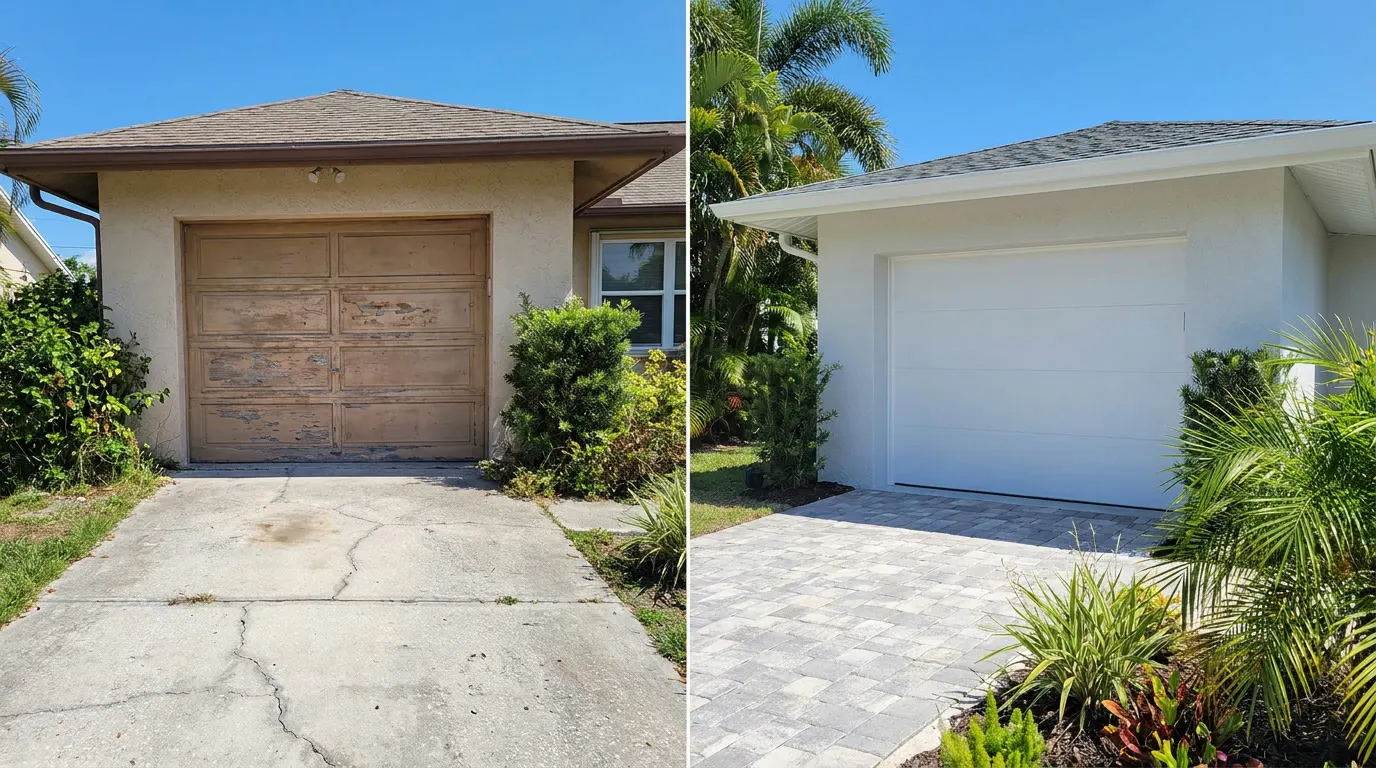
When a vehicle backs into the door and damages a panel, the first question is whether a matching panel is still in production. If your door is over 10 - 12 years old, it's likely a discontinued model. Some panel styles were also specific to a single production run. Without a matching panel, your options are: replace all panels (often close to the cost of a full new door) or replace the entire door assembly.
Even when matching panels are available, a significant dent or crease in a steel panel often deforms the internal steel bracing. A panel that looks replaced-correctly can have a weaker internal structure than the original - worth factoring in if you're in a wind-zone area.
4. Your Door Isn't Hurricane-Rated and You're in HVHZ
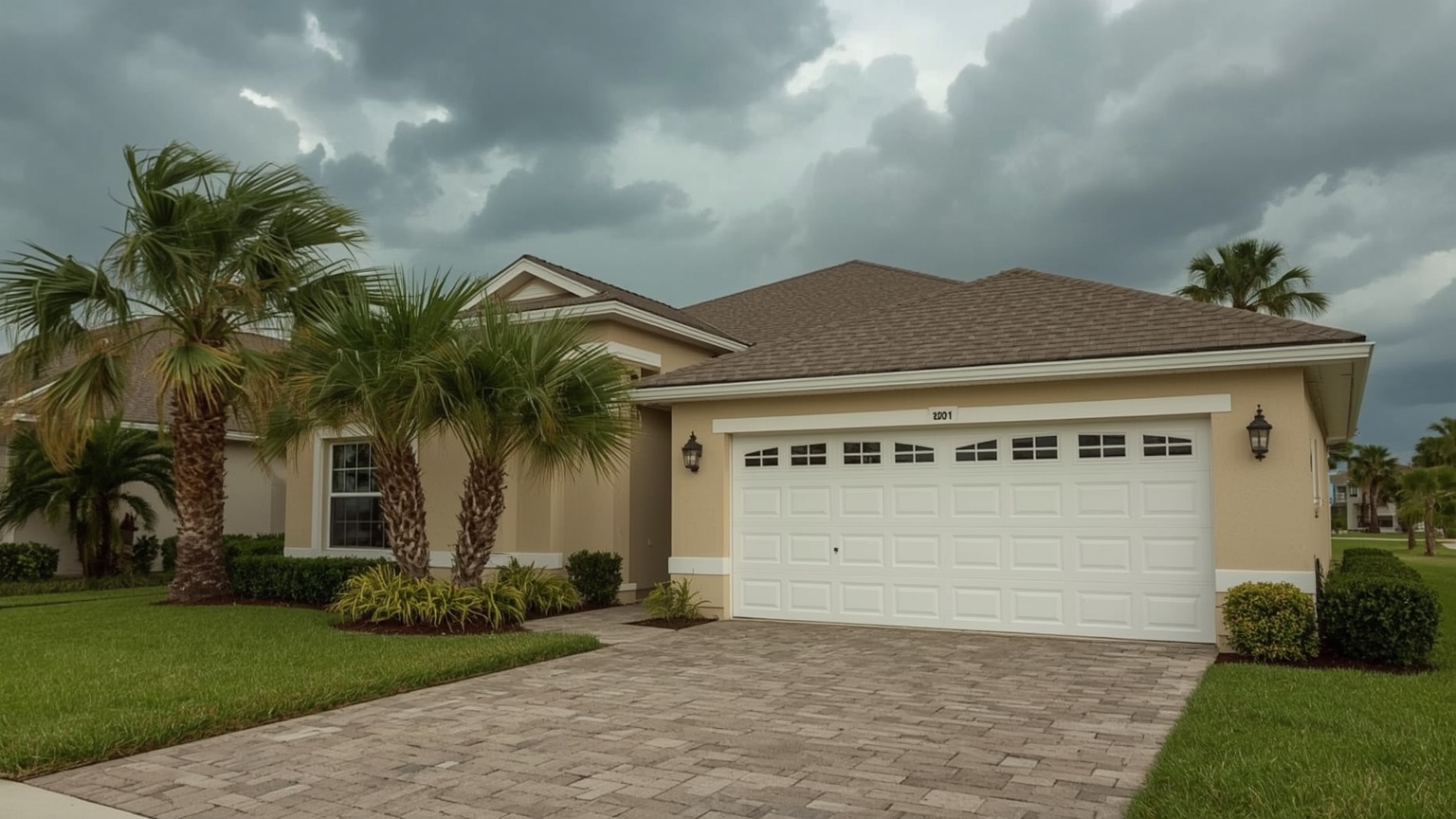
This is the most unambiguous sign in South Florida. If you're in Miami-Dade County (the entire county is HVHZ) or coastal Broward, and your door doesn't carry a Miami-Dade NOA (Notice of Acceptance) or Florida Product Approval, it doesn't meet current building code. An un-rated door in HVHZ:
- Is not insurable for wind damage under most South Florida policies
- Cannot pass a wind mitigation inspection (which directly affects your insurance premium)
- Is a code violation if it's brought to the attention of the building department during any permit work on your home
- Poses a real structural risk in a Category 1+ hurricane
Replacement with an NOA-approved door isn't optional in these zones - it's the only path to code compliance. See our hurricane-rated garage doors page for available styles and typical installation timelines.
5. The Door Visibly Sags, Warps, or Sits Unevenly in the Opening
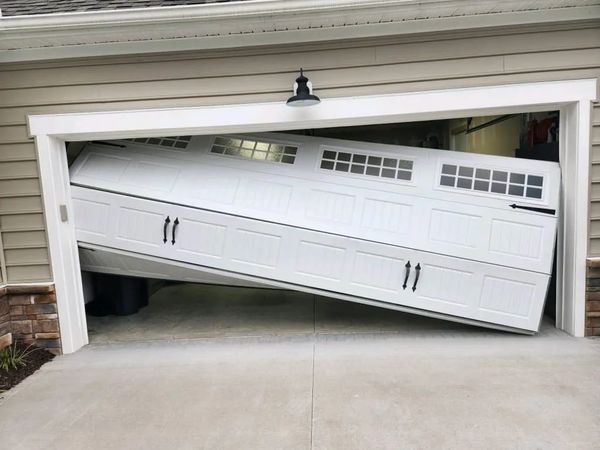
A door that sags in the middle, doesn't sit flush in the frame when closed, or has visible warping in the panel faces has lost its structural geometry. This can happen due to: spring imbalance that ran for years, a bottom seal that froze or swelled against the floor, wood panel rot (on older wood-skinned doors), or simple age and gravity on an aluminum door with insufficient gauge steel.
A sagging door lets in water, light, and pests. It also seals poorly against wind. These issues tend to get worse, not better - and the door that sits awkwardly today is likely to come off-track within a season or two.
6. The R-Value Is Zero and You're Feeling It in Your Utility Bills
An uninsulated single-layer steel door (common on Florida homes built in the 1980s and 1990s) has an R-value near zero. In South Florida, the garage interior can reach 130 - 140°F in summer - and if that space shares a wall with the home's living area, you're actively fighting against your air conditioner. Modern insulated steel doors (two-layer or three-layer construction with polyurethane foam) run R-6 to R-18.
The energy savings from upgrading are real but modest in a climate where you're never heating the space. The more significant benefit in South Florida: an insulated door is substantially stiffer, quieter, and more resistant to panel flex under wind load.
7. The Door Is Over 20 Years Old
A 20-year-old garage door in South Florida has had every component stressed by heat, salt air, and cycle load well beyond what most materials were designed for. The spring has been replaced at least once. The tracks have surface rust. The opener is at or past its useful life. The panels may have hairline fatigue cracks that aren't visible but affect structural integrity.
The decision isn't "does it still open?" (it probably does) - it's "when the next component fails, does it make sense to fix it on a 20-year-old platform?" The answer is usually no. The cost of spring + opener + track replacement on a 20-year-old door often exceeds the cost of a new door that will perform better, meet current code, and last another 15 - 20 years.
What a Replacement Actually Looks Like
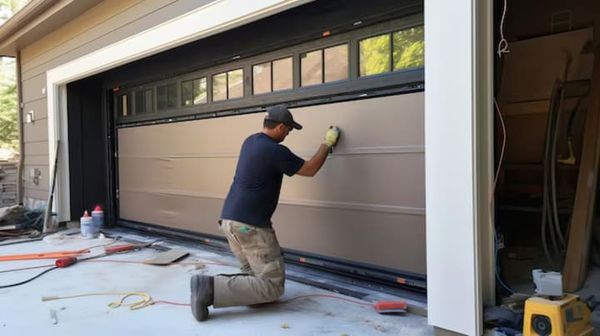
New garage door installation at Garage Door Pros includes: the door assembly, new hardware package (hinges, rollers, struts, bottom bracket), a new spring system matched to the door weight, all anchoring and weatherstrip, and a balance test before we leave. We install the door you choose on the opening you have - most jobs complete in 3 - 4 hours. See our new door installation page for what to expect and current lead times.
Still Not Sure: Repair or Replace?
If you've only hit one or two of the seven signs, repair is likely still the right call. A diagnostic visit lets you get a professional assessment of remaining useful life - and a good tech will tell you honestly whether you're looking at another 5 years of service or whether the door is on borrowed time. Schedule a repair visit and ask directly: "Is this door worth continuing to repair?"
-
Replace when: you've repaired the same component twice in 24 months, the door is in HVHZ and not hurricane-rated, matching replacement panels are unavailable, the door visibly sags or warps, or the door is over 20 years old with multiple worn components. Repair when: a single component failed on an otherwise sound door under 15 years old.
-
Quality steel doors with maintained hardware last 15 - 25 years in South Florida. The actual lifespan shortens with: coastal salt air (accelerates corrosion), high cycle rates (South FL families average 6 - 8 cycles/day vs 3 - 4 nationally), and lack of annual lubrication and inspection.
-
Galvanized or pre-painted steel is the best value for South Florida. It resists corrosion better than aluminum, holds paint better than wood, and is available in hurricane-rated configurations. Aluminum is lighter but dents more easily. Wood looks beautiful but requires significant maintenance in Florida's humidity and doesn't perform as well in hurricane testing.
-
Garage door replacement consistently shows strong ROI in national remodeling cost studies - typically 90 - 95% of project cost returned at resale. In South Florida, upgrading from a non-rated door to an NOA hurricane-rated door also improves wind mitigation scores, which directly reduces homeowners insurance premiums by 10 - 30% in many cases.
-
Most residential single or double door replacements take 3 - 4 hours from start to finish, including removal of the old door and hardware, installation, and balance testing. Hurricane-rated door installations that require a permit add 1 - 3 weeks for permit approval before scheduling the install day.
Skip the YouTube rabbit hole - we'll have a tech at your door same day across Broward, Dade and Palm Beach.