Understanding the Impact of Humidity on Garage Doors
Humidity can wreak havoc on garage doors, affecting various materials differently. Wooden doors often absorb moisture, leading to warping and swelling. This distortion can cause operational issues. Steel doors, while sturdy, are not immune to humidity. They can develop rust, compromising their structural integrity. Aluminum doors resist rust but may corrode over time, especially in salty, humid environments.
Signs of humidity damage are often visible. Warping in wooden doors is a clear indicator. Rust patches on steel doors signal trouble. Mold growth is another common issue, particularly in poorly ventilated garages. These signs not only affect the door's appearance but also its functionality.
Studies show that regions with high humidity levels report more frequent garage door issues. For instance, a survey revealed that over 60% of homeowners in humid areas experience door malfunctions. Regular tune-ups can mitigate these problems. Additionally, considering a garage door upgrade might be beneficial. For more information, visit our FAQ page.
Choosing the Right Garage Door Material for Humid Climates
When selecting a garage door material for humid climates, consider the pros and cons of each option. Wood offers a classic look but can warp and rot in moisture-rich environments. Steel is durable and strong, yet it may rust without proper coating. Aluminum resists rust and is lightweight, but it can dent easily. Fiberglass is resistant to moisture and rust, making it a solid choice, although it might not provide the same level of insulation as other materials.
For high-humidity areas, fiberglass and aluminum are often recommended due to their resistance to moisture damage. Additionally, choosing the right finish or coating can significantly extend the life of your garage door. Look for powder-coated finishes or moisture-resistant paints to protect against the elements.
To ensure your garage door remains in top condition, consider regular tune-ups and weather seal replacements. These services can help maintain the door's integrity and functionality. For more information, visit our services page.
Regular Inspection and Maintenance Practices
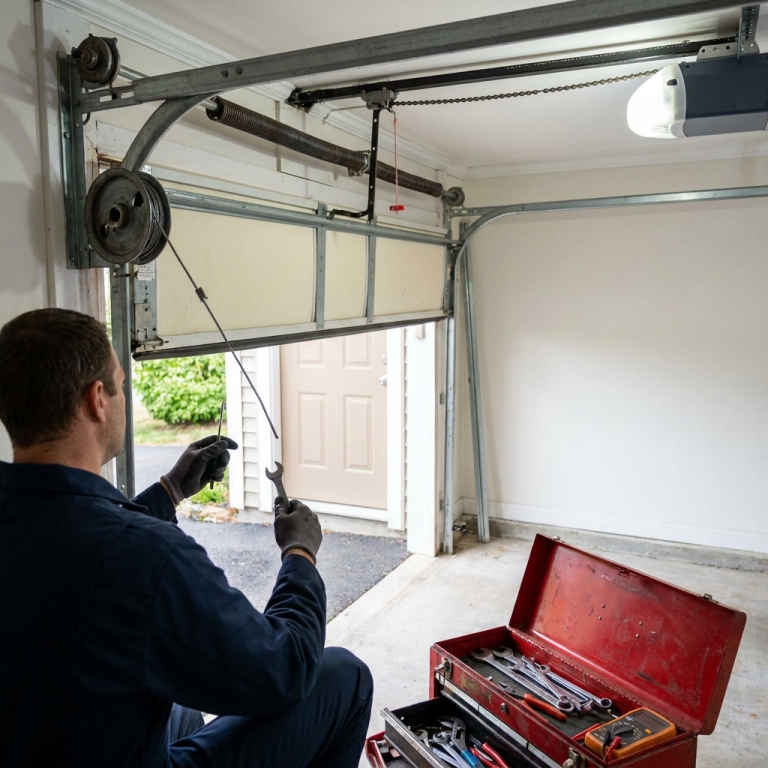
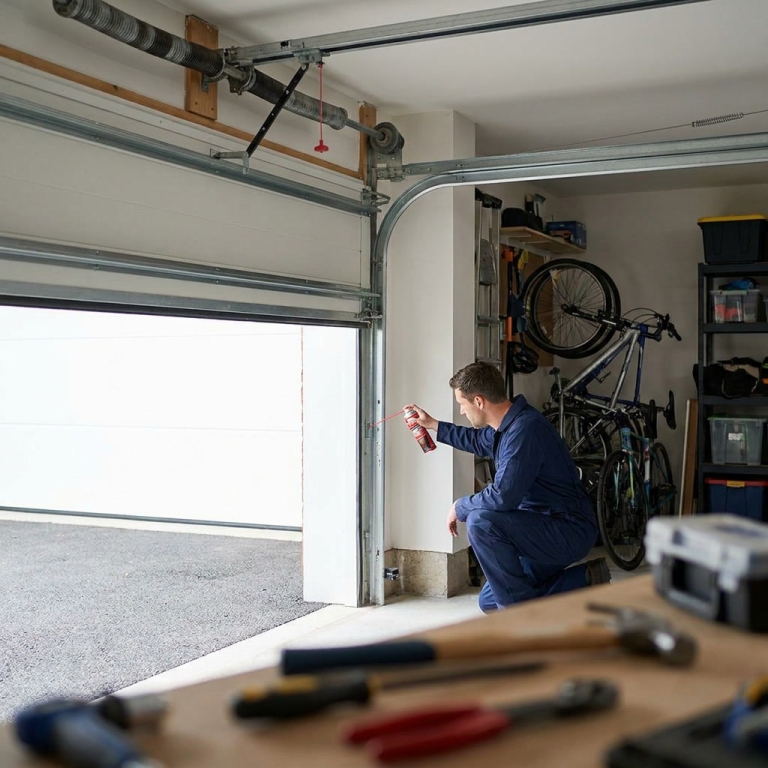
Begin by visually inspecting your garage door for any signs of humidity damage. Look for rust on metal parts, swelling in wooden sections, and mold growth. Next, test the door's balance by disconnecting the opener and manually lifting the door halfway. If it doesn't stay in place, it may need adjustment. Monthly, lubricate all moving parts with a silicone-based lubricant to ensure smooth operation. Quarterly, check the weather seals for cracks or wear and replace them if necessary. Annually, tighten all hardware and inspect cables for fraying.
For effective maintenance, keep a checklist handy. Monthly tasks include cleaning the door and tracks. Every three months, inspect the rollers and hinges for wear. Annually, schedule a professional safety inspection to ensure everything is in top condition. Essential tools include a socket wrench set, a level, and a sturdy ladder. Products like rust-resistant paint and a quality lubricant can help maintain your door's longevity. For more detailed assistance, consider our garage door tune-up services. If you have any questions, feel free to contact us.
Preventative Measures to Protect Garage Doors from Humidity
Proper ventilation in your garage is crucial to combat humidity. By ensuring adequate airflow, you can significantly reduce moisture levels. Consider installing a ventilation system or a dehumidifier to maintain optimal conditions. These devices help circulate air and remove excess moisture, preventing damage to your garage door. Additionally, weatherstripping and sealing are effective measures to keep moisture at bay. By sealing gaps and cracks, you prevent water ingress, which can lead to rust and other issues. Regularly inspect and replace weather seals to ensure they remain effective. For more detailed guidance, explore our services page. If you're considering a new installation, our new garage door installation options offer advanced features to withstand humid climates. For any questions, feel free to contact us. Taking these preventative measures will extend the life of your garage door and maintain its functionality.
Repairing Humidity Damage: When and How
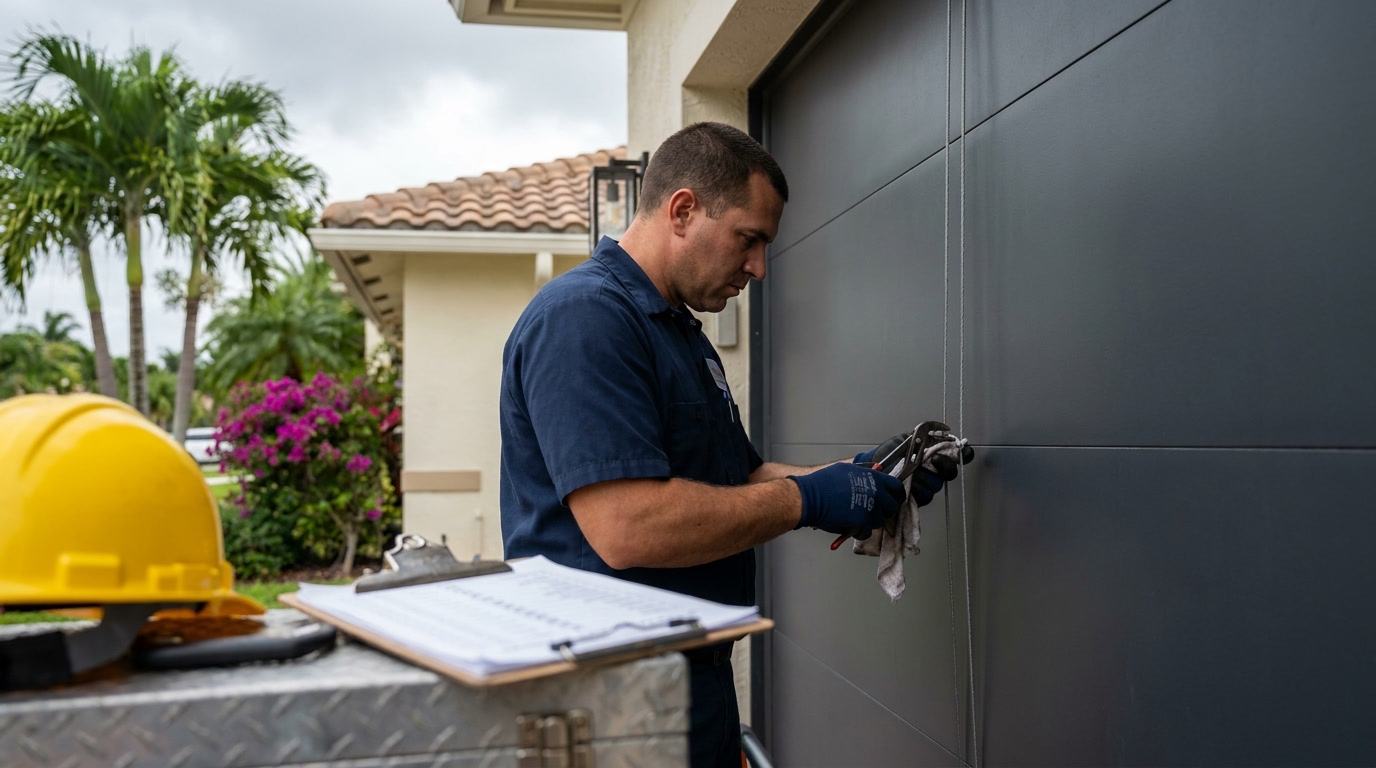
Humidity can wreak havoc on garage doors, leading to rust, warping, and peeling paint. Early identification of these issues is crucial. Look for signs like discoloration, bubbling paint, or unusual noises when operating the door. Addressing minor problems promptly can prevent costly repairs. For instance, you can tackle rust by sanding the affected area and applying a rust-inhibiting primer before repainting. This simple DIY repair can extend the life of your door.
However, some damage requires professional intervention. If you notice significant warping or the door struggles to open and close, it's time to seek expert help. Severe issues might indicate underlying structural problems that need specialized attention. In such cases, contacting a professional for a garage door repair is advisable. They can assess the damage and recommend the best course of action. For more information on maintaining your garage door, visit our FAQ page. Regular maintenance and timely repairs ensure your garage door remains functional and aesthetically pleasing.
Seasonal Maintenance Tips for Humid Climates
In humid climates, garage door maintenance requires a strategic approach throughout the year. During spring, inspect and clean the door's weather seals to prevent moisture buildup. This step helps avoid rust and ensures smooth operation. As summer approaches, focus on lubricating moving parts. High humidity can cause metal components to corrode, so regular lubrication is crucial. In fall, check the door's balance and alignment. Seasonal changes can affect the door's performance, leading to potential issues. Winter demands attention to the garage door opener. Ensure it functions properly to handle the increased moisture levels.
To mitigate humidity issues, consider installing a new insulated garage door. This addition helps regulate temperature and moisture levels. Additionally, schedule a garage door tune-up to address any emerging problems. Create a maintenance calendar to stay organized. For instance, perform seal inspections in March, lubrication in June, balance checks in September, and opener assessments in December. By following these seasonal tips, you can effectively manage humidity and maintain your garage door's longevity.
The Role of Insulation in Humidity Control
Proper insulation plays a crucial role in managing humidity levels within your garage. It acts as a barrier, preventing moisture from seeping in and maintaining a stable environment. This is especially important in humid climates, where excess moisture can lead to mold and damage. Different types of insulation, such as foam board, reflective, and batt insulation, offer varying degrees of effectiveness. Foam board insulation is highly efficient, providing excellent moisture resistance. Reflective insulation, on the other hand, is ideal for reflecting heat and maintaining temperature control. Batt insulation, made from fiberglass, is also a popular choice for its affordability and ease of installation.
For optimal results, consider hiring a professional for insulated garage door installation. They can ensure proper fitting and sealing, which is essential for effective humidity control. If you prefer a DIY approach, make sure to follow manufacturer guidelines closely. Additionally, regular garage door tune-ups can help maintain insulation effectiveness over time. For more information on services, visit our services page.
Frequently Asked Questions (FAQs)
How often should I perform garage door maintenance in humid climates?
In humid climates, you should inspect your garage door every three months. Regular maintenance helps prevent rust and ensures smooth operation. For a detailed guide, visit our garage door tune-up page.
What are the costs associated with garage door maintenance?
The cost varies depending on the services needed. Basic maintenance might cost less, while more extensive repairs could be higher. For specific pricing, check our services page.
How much time should I invest in maintaining my garage door?
Routine maintenance typically takes about an hour. This includes checking for rust, lubricating parts, and testing the door's balance. For more complex issues, consider professional help.
What outcomes can I expect from regular maintenance?
Regular maintenance extends the lifespan of your garage door and improves its performance. It also reduces the risk of unexpected breakdowns. For more information, visit our FAQ section.
Can humidity affect my garage door opener?
Yes, humidity can cause electrical components to malfunction. Regular checks and timely repairs can prevent these issues. Consider our garage door opener replacement service if needed.
Case Studies: Success Stories in Humid Climate Maintenance
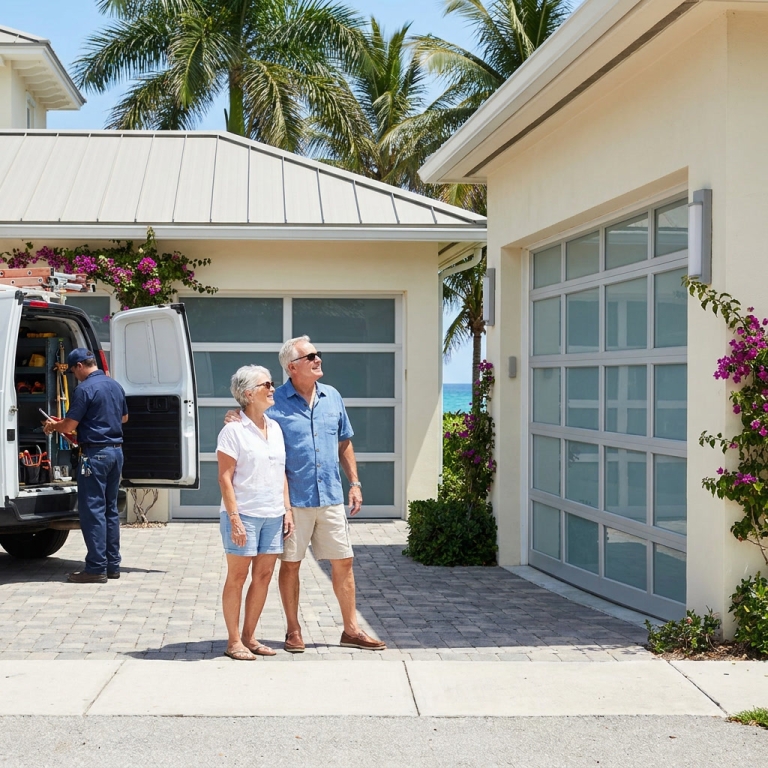
In humid climates, homeowners have found effective ways to maintain their garage doors. One success story involves the Smith family, who live near the coast. They faced frequent issues with rust and swelling. To combat this, they applied a high-quality weather sealant and scheduled regular garage door tune-ups. These strategies significantly reduced moisture damage. Another example is the Johnsons, who installed a new insulated garage door. This choice not only improved energy efficiency but also minimized humidity-related problems. Both families reported long-term benefits, such as increased door lifespan and fewer repair costs. Moreover, they enjoyed smoother operation and enhanced curb appeal. These real-life examples demonstrate that with the right products and maintenance, homeowners can effectively protect their garage doors from the challenges of humid environments. For more information on maintaining your garage door, visit our services page.
Conclusion: Long-Term Benefits of Proper Maintenance
Regular maintenance of garage doors in humid climates offers numerous long-term benefits. By consistently inspecting and servicing your garage door, you can significantly extend its lifespan. This proactive approach prevents costly repairs and ensures smooth operation. Moreover, maintaining your garage door protects your investment and enhances your home's curb appeal. Implementing strategies such as regular lubrication and timely tune-ups can prevent issues like rust and warping. Additionally, addressing minor problems early on, such as a broken sensor, can save you from more significant headaches down the line. We encourage you to apply these maintenance tips to safeguard your garage door's functionality. For more information or assistance, consider reaching out to our services team. By taking these steps, you ensure your garage door remains reliable and efficient for years to come.
Skip the YouTube rabbit hole - we'll have a tech at your door same day across Broward, Dade and Palm Beach.