Understanding the Problem: Why Does a Garage Door Close Too Fast?
A garage door that closes too quickly can be alarming. Several factors might cause this issue. Broken springs are a common culprit, as they fail to counterbalance the door's weight. Additionally, worn-out cables can lead to a lack of tension, causing the door to drop rapidly. Misaligned tracks also contribute to the problem by disrupting the door's smooth movement. These issues not only inconvenience but also pose significant risks. A fast-closing door can damage vehicles or, worse, injure someone. Understanding how a garage door system functions is crucial. The system relies on balance and tension mechanisms to operate safely. Springs and cables work together to ensure the door moves at a controlled pace. If you suspect any of these issues, consider seeking professional help. For more information, visit our garage door repair page. You can also explore our safety inspection for garage doors services to ensure everything is in top condition.
Safety Precautions Before You Begin
Before you start any garage door repair, prioritize safety. First, equip yourself with essential safety gear. Wear sturdy gloves to protect your hands and safety glasses to shield your eyes from debris. It's crucial to disconnect the garage door opener to prevent accidental activation. Secure the door in place with clamps or locking pliers on the tracks. This prevents unexpected movements that could cause injury. Additionally, having a second person assist you is highly recommended. They can help manage the door's weight and provide an extra set of eyes for safety. For more detailed guidance, consider checking our safety inspection for garage doors. If you're unsure about any step, consult a professional. Our garage door repair services offer expert assistance to ensure your safety and the proper functioning of your door. Remember, taking these precautions can prevent accidents and ensure a smooth repair process.
Diagnosing the Issue: Identifying the Cause
Begin by visually inspecting your garage door for any obvious signs of damage or wear. Look closely at the springs, cables, and rollers. If you notice any frayed cables or worn-out springs, they might need immediate attention. Next, test the balance of your garage door. Disconnect the opener and manually lift the door halfway. If it stays in place, the balance is correct. However, if it falls or rises, you may need a garage door tune-up.
Additionally, listen carefully for unusual noises when operating the door. Grinding or squeaking sounds can indicate specific issues, such as misaligned tracks or worn rollers. These noises might require a garage door repair to prevent further damage. If you are unsure about any findings, consider contacting a professional for a safety inspection. This proactive approach ensures your garage door functions smoothly and safely.
Fixing Broken or Worn-Out Springs
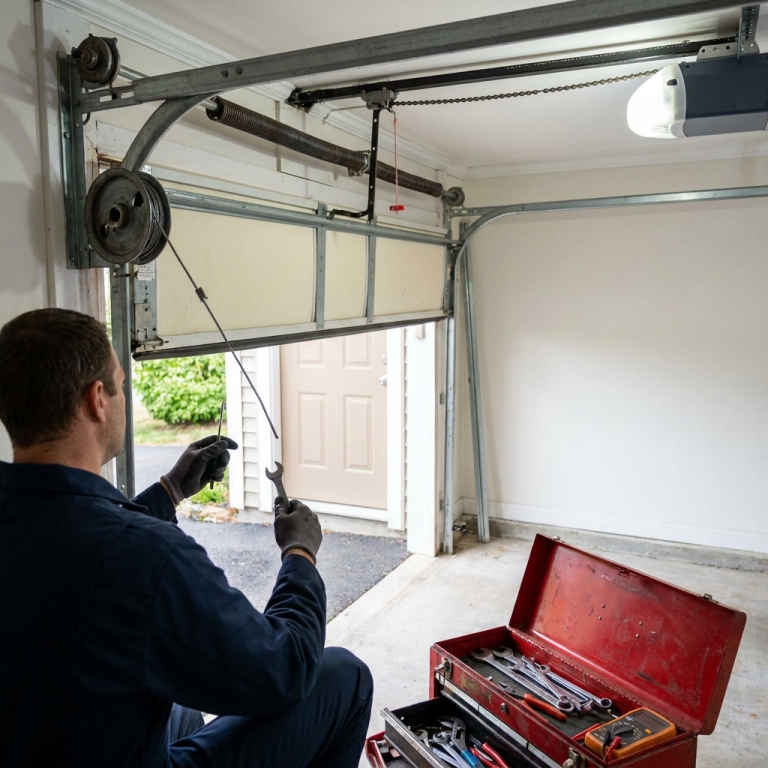
Garage doors typically use either torsion or extension springs. Torsion springs are mounted above the door, while extension springs are located on the sides. To identify your spring type, check the position and appearance. Torsion springs are coiled and sit horizontally, whereas extension springs stretch and compress vertically. When replacing or adjusting springs, safety is paramount. First, disconnect the garage door opener to prevent accidental activation. For torsion springs, use a winding bar to carefully unwind the spring tension. Extension springs require you to remove the safety cables before replacement. Always wear safety goggles and gloves during this process. When purchasing replacement springs, ensure they match the original type and size. Incorrect springs can cause operational issues or damage. For more detailed guidance, consider our garage door spring repair services. Additionally, our garage door tune-up can help maintain optimal performance. If you have questions, visit our FAQ page for more information.
Repairing or Replacing Damaged Cables
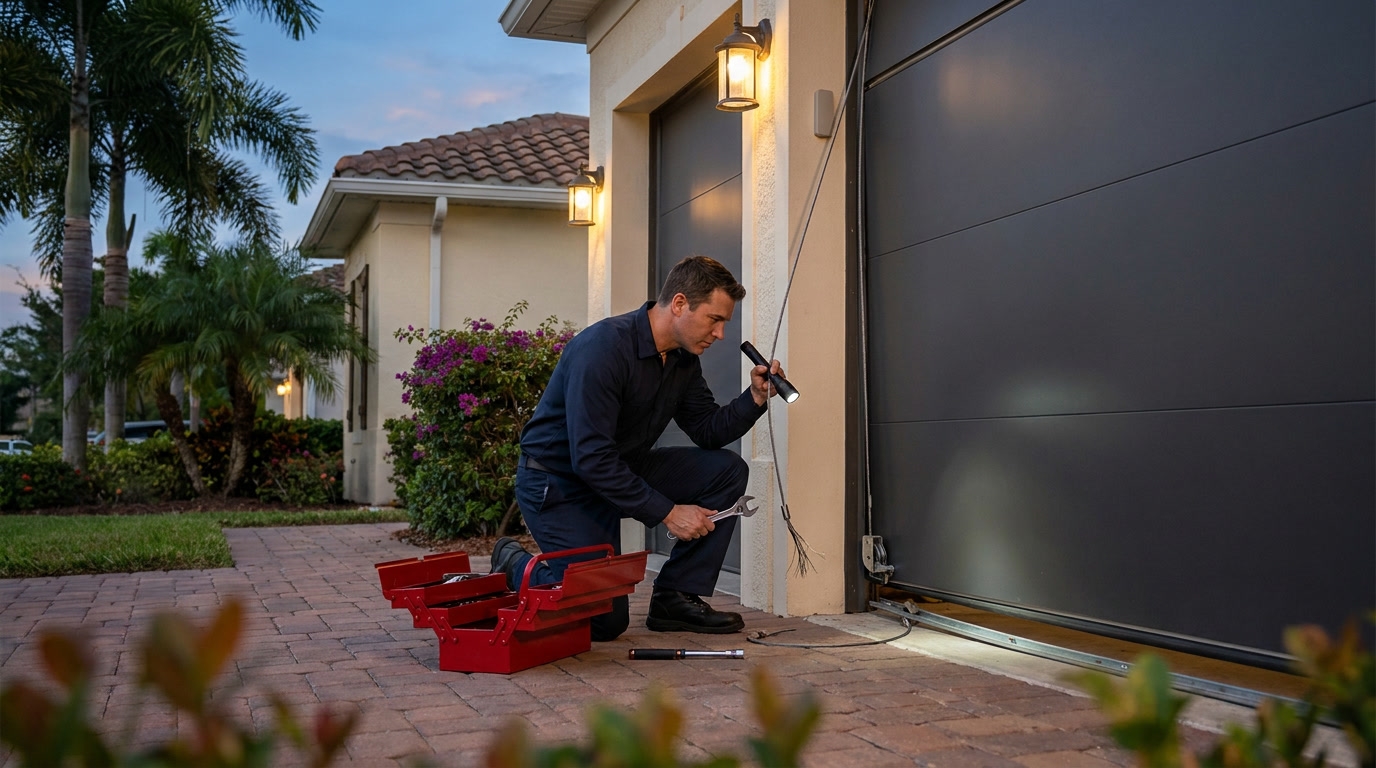
Begin by inspecting the garage door cables for any signs of fraying or damage. Look closely at the entire length of the cable, checking for broken strands or rust. If you notice any issues, it's time to replace the cables. First, gather the necessary tools: a wrench, pliers, and a ladder. Ensure the garage door is fully open and secured. Next, disconnect the power to prevent any accidents. Carefully unwind the damaged cable from the drum and remove it from the bottom bracket. Install the new cable by attaching it to the bottom bracket and winding it onto the drum. Make sure the cable is taut and aligned properly. Proper tension is crucial for smooth operation. Misaligned cables can lead to further damage or malfunction. For more detailed guidance, consider a garage door tune-up or consult our FAQ section. If you're unsure about handling this task, it's wise to contact a professional for garage door cable repair. Proper maintenance ensures your garage door functions safely and efficiently.
Adjusting the Garage Door Opener Settings
To adjust your garage door opener settings, first locate the force and limit dials on the unit. These are typically found on the side or back of the opener. Begin by adjusting the force setting, which controls how much power the opener uses to close the door. Turn the dial slightly to decrease the force if the door closes too quickly. Next, adjust the limit settings to control the distance the door travels. This ensures the door stops at the correct position. After making adjustments, test the door by opening and closing it several times. Ensure it closes at a safe speed and stops without slamming. If issues persist, consider checking for common problems like misaligned sensors or worn-out parts. For more detailed assistance, explore our garage door opener replacement or garage door repair services. If you need further help, our contact page is always available for inquiries.
Realigning or Replacing Misaligned Tracks
To address track alignment issues, start by inspecting the tracks for any visible gaps or bends. Look for signs of wear, such as rust or dents, which can cause the door to close too quickly. If you notice any misalignment, use a level to check the track's position. To realign the tracks, loosen the screws holding the tracks in place. Gently tap the tracks with a rubber mallet to adjust their position. Ensure they are perfectly vertical and parallel to each other. Tighten the screws once the alignment is correct. If the tracks are severely damaged or worn, replacement might be necessary. Before proceeding, disconnect the power to avoid accidents. Remove the old tracks by unscrewing them from the wall and ceiling. Install the new tracks by securing them in the same position. Ensure they are aligned properly before tightening the screws. For professional assistance, consider reaching out to our services team. If you have further questions, visit our FAQ page.
Regular Maintenance Tips to Prevent Future Issues
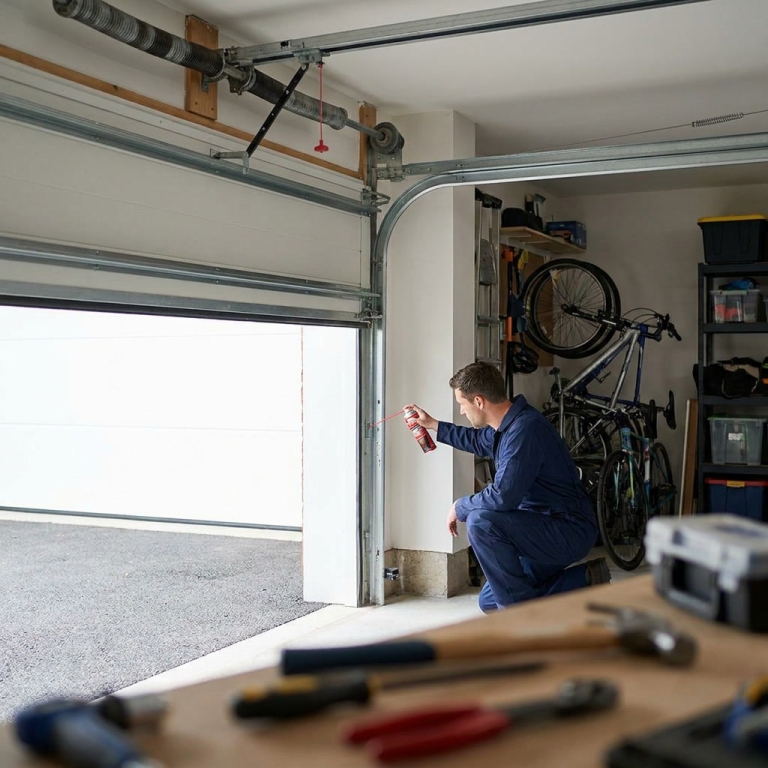
To keep your garage door functioning smoothly, regular maintenance is essential. Start by inspecting the door's hardware, such as hinges, rollers, and tracks, for any signs of wear or damage. Lubricate these components with a high-quality silicone spray to ensure smooth operation. Additionally, check the balance of the door by disconnecting the opener and manually lifting the door halfway. It should stay in place; if not, it may require adjustment.
Scheduling professional maintenance checks can also be beneficial. Experts can identify potential issues before they become major problems, saving you time and money. They can also perform a comprehensive garage door tune-up to enhance performance.
To extend the lifespan of your garage door components, avoid slamming the door shut and keep the tracks clean from debris. Consider installing a smart garage door opener for added convenience and security. For more information, visit our FAQ page. Regular maintenance not only prevents unexpected breakdowns but also ensures your garage door operates safely and efficiently.
Frequently Asked Questions
What are the signs that my garage door springs need replacing? If your garage door closes too fast, it might indicate worn-out springs. Listen for unusual noises or observe if the door feels heavier than usual. These are clear signs that you may need a garage door spring repair.
How often should I perform maintenance on my garage door? Regular maintenance is crucial. Ideally, inspect your garage door every six months. This includes checking the springs, cables, and other components. A garage door tune-up can prevent issues like fast closing.
Can I fix a fast-closing garage door myself, or should I hire a professional? While some minor adjustments can be done by homeowners, it's safer to hire a professional for complex issues. Incorrect handling can lead to further damage or injury. Consider contacting a professional for garage door repair to ensure safety and efficiency.
Conclusion: Ensuring a Safe and Functional Garage Door
In summary, addressing a garage door that closes too quickly involves several crucial steps. First, inspect the door's balance and adjust the tension of the springs if necessary. Next, check the condition of the cables and rollers, ensuring they are in good shape. Regular maintenance is key to preventing issues and ensuring the longevity of your garage door. Timely repairs can save you from costly replacements down the road. If you're unsure about any repair steps, it's wise to seek professional assistance. Experts can provide a thorough safety inspection and ensure everything functions correctly. Additionally, consider scheduling a regular garage door tune-up to keep your system in optimal condition. For any complex issues, don't hesitate to contact a professional service. This proactive approach not only enhances safety but also extends the life of your garage door system.
Skip the YouTube rabbit hole - we'll have a tech at your door same day across Broward, Dade and Palm Beach.