If you're dealing with a garage door that stalls, you're not alone. Many homeowners face this frustrating issue, which can disrupt daily routines and compromise the security of your home. Understanding how to fix a garage door that stalls is essential for maintaining the safety and functionality of your garage. At GarageFL, we specialize in expert garage door repair, installation, and maintenance across South Florida. Our team is trusted, licensed, and insured, ensuring you receive top-notch service every time. In this guide, we'll walk you through common causes of a stalling garage door and provide practical solutions to get it back on track. Whether it's a problem with the garage door opener, misaligned tracks, or worn-out springs, we've got you covered. For fast and reliable service, don't hesitate to call GarageFL today!
Understanding Common Causes of Garage Door Stalling
When a garage door stalls, it can be a frustrating experience, especially when you're in a hurry. Understanding the common causes of garage door stalling is crucial for diagnosing the problem and finding an effective solution. A garage door may stall due to a variety of reasons, ranging from mechanical issues to electrical malfunctions. By identifying these causes, you can take the necessary steps to fix the problem or seek professional help if needed.
One of the most common causes of a stalling garage door is a problem with the tracks. Over time, tracks can become misaligned or obstructed by debris, which can prevent the door from moving smoothly. Regular maintenance, such as cleaning the tracks and ensuring they are properly aligned, can help prevent this issue. If you notice that your garage door is stalling, it's a good idea to inspect the tracks for any visible signs of damage or obstruction.
Another frequent culprit is the garage door opener. If the opener is malfunctioning, it may not provide the necessary power to lift the door. This can be due to a variety of reasons, such as a worn-out motor or a problem with the remote control. In some cases, the opener may need to be replaced entirely. For more information on this, you can check out our garage door opener replacement services.
The springs and cables of a garage door are also critical components that can cause stalling if they are damaged or worn out. Springs are responsible for counterbalancing the weight of the door, and if they break, the door may not open or close properly. Similarly, cables can fray or snap, leading to a stalling door. Regular inspections and timely garage door spring repair can help prevent these issues.
In some cases, the problem may lie with the sensors. Modern garage doors are equipped with safety sensors that prevent the door from closing if an object is detected in its path. If these sensors are misaligned or dirty, they may cause the door to stall. Cleaning the sensors and ensuring they are properly aligned can often resolve this issue. For more detailed guidance, consider visiting our page on broken garage door system sensors.
It's also worth considering the possibility of electrical issues. Faulty wiring or a tripped circuit breaker can disrupt the power supply to the garage door opener, causing it to stall. Checking the electrical connections and ensuring that the circuit breaker is functioning properly can help identify and resolve these issues.
Regular maintenance and timely repairs are essential for preventing garage door stalling. By understanding the common causes and taking proactive measures, you can ensure that your garage door operates smoothly and reliably. If you're unsure about how to address a stalling garage door, it's always a good idea to consult with a professional. Our team is here to help with any garage door repair needs you may have.
In summary, a stalling garage door can be caused by a variety of factors, including track misalignment, opener malfunctions, damaged springs or cables, sensor issues, and electrical problems. By understanding these common causes and performing regular maintenance, you can keep your garage door in optimal condition. If you need further assistance, don't hesitate to reach out to our experienced team for professional support.
Safety Precautions Before Starting Repairs
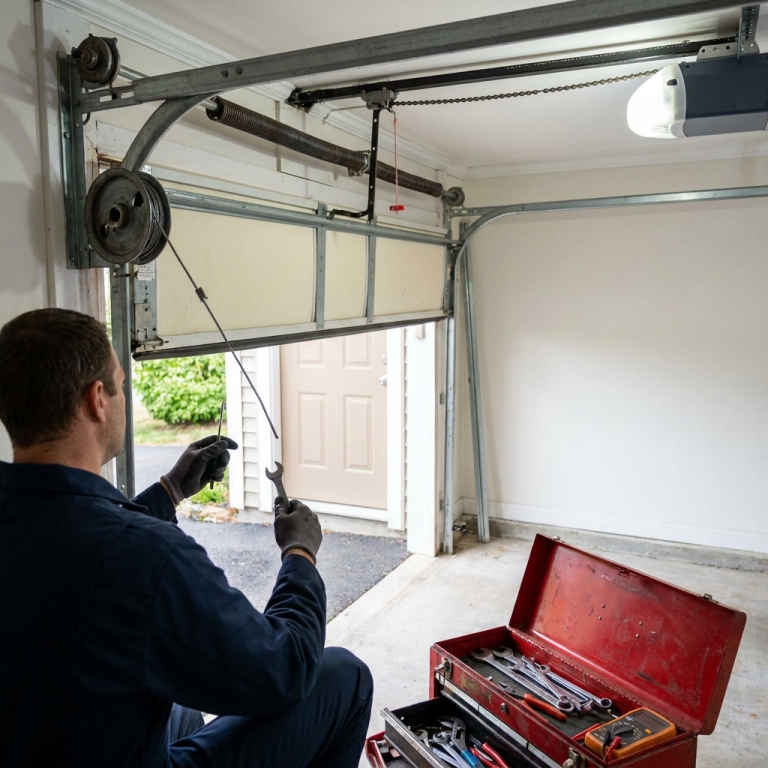
Before embarking on any garage door repair project, especially when dealing with a door that stalls, it is crucial to prioritize safety. Garage doors are heavy and complex systems that can pose significant risks if not handled properly. The first step in ensuring safety is to disconnect the power to the garage door opener. This prevents any accidental activation of the door while you are working on it. Locate the power cord of the garage door opener and unplug it from the electrical outlet. If your garage door opener is hardwired, turn off the circuit breaker that supplies power to the garage. Next, ensure that the garage door is in a stable position. If the door is stuck in a partially open position, use clamps or locking pliers to secure it to the track, preventing it from moving unexpectedly. This is particularly important to avoid injuries from the door suddenly slamming shut. Additionally, wear appropriate safety gear such as gloves and safety glasses to protect yourself from sharp edges and debris. It's also wise to have a partner assist you during the repair process. A second pair of hands can be invaluable for holding parts in place or passing tools, reducing the risk of accidents. Before you begin, familiarize yourself with the components of the garage door system. Understanding the function of each part, such as the springs, cables, and rollers, will help you identify potential hazards. For instance, garage door springs are under high tension and can cause serious injury if they snap. If you suspect an issue with the springs, it is advisable to consult a professional for broken spring repair. Similarly, if you encounter problems with the door's sensors, consider reaching out for garage door system sensor repair to ensure they are functioning correctly. Lastly, keep your workspace organized and free of clutter. This minimizes the risk of tripping or knocking over tools, which could lead to injury or damage to the door. By taking these safety precautions, you can confidently proceed with your garage door repair project, knowing that you have minimized the risks involved.
Inspecting the Garage Door Tracks
When dealing with a garage door that stalls, one of the crucial components to inspect is the garage door tracks. These tracks guide the door as it opens and closes, ensuring smooth and efficient operation. Over time, tracks can become misaligned, dirty, or damaged, leading to a stalling door. To begin, visually inspect the tracks for any obvious signs of damage or obstruction. Look for dents, bends, or any foreign objects lodged in the tracks that could impede the door's movement. If you notice any debris, clean the tracks thoroughly using a damp cloth to remove dirt and grime. This simple step can often resolve minor issues that cause stalling.
Next, check the alignment of the tracks. Misaligned tracks can cause the door to bind and stall. Use a level to ensure the tracks are perfectly vertical along their vertical sections and slightly slanted in the horizontal sections. If you find misalignment, loosen the screws that secure the tracks to the garage walls and gently tap them back into place with a rubber mallet. Once aligned, retighten the screws to secure the tracks. It's important to be cautious during this process to avoid further damage.
Additionally, inspect the condition of the rollers that move along the tracks. Worn or damaged rollers can cause the door to stall. If the rollers appear worn out, consider replacing them to ensure smooth operation. Lubricating the tracks and rollers with a silicone-based lubricant can also help reduce friction and prevent stalling. Avoid using grease, as it can attract dirt and lead to further issues.
If the problem persists after these steps, it may be time to seek professional assistance. A trained technician can perform a comprehensive garage door tune-up to address any underlying issues. They can also provide garage door repair services to fix more complex problems that may not be immediately visible. Regular maintenance and inspection of the garage door tracks can prevent stalling and extend the lifespan of your garage door system. For more information or to schedule a service, feel free to contact a professional garage door service provider.
Checking and Adjusting the Garage Door Springs
When dealing with a garage door that stalls, one of the critical components to examine is the garage door springs. These springs play a vital role in the smooth operation of your garage door by counterbalancing its weight, making it easier to open and close. Over time, springs can lose tension or become damaged, leading to issues such as stalling. To begin, ensure your safety by disconnecting the garage door opener and securing the door in place. This precaution prevents any accidental movement while you work on the springs. There are two main types of springs: torsion springs, which are mounted above the door, and extension springs, located on either side of the door. For torsion springs, use a winding bar to adjust the tension. Carefully insert the bar into the winding cone and turn it in the appropriate direction to either increase or decrease tension. Be cautious, as torsion springs are under high tension and can be dangerous if mishandled. For extension springs, adjustments are made by manipulating the S-hook that connects the spring to the track hanger. Moving the hook to a different hole can increase or decrease tension as needed. After adjustments, test the door manually to ensure it opens and closes smoothly without stalling. If you encounter any difficulty or feel unsure about handling the springs, it is advisable to seek professional assistance. Professional services, such as garage door spring repair, can provide expert help to ensure your door functions correctly and safely. Regular maintenance, including a garage door tune-up, can prevent future issues and extend the lifespan of your garage door system. If you have any questions or need further assistance, do not hesitate to contact a professional for guidance.
Examining the Garage Door Opener
When your garage door stalls, one of the first components to examine is the garage door opener. This device is the heart of your garage door system, responsible for the smooth operation of opening and closing the door. Begin by checking the power source; ensure that the opener is plugged in and that there is no disruption in the power supply. A tripped circuit breaker or a blown fuse could be the culprit if the opener is not receiving power. Next, inspect the remote control and wall switch. Replace the batteries in the remote control and test the wall switch to rule out any issues with these components. If the opener is receiving power but still not functioning, listen for any unusual noises when attempting to operate the door. Grinding or clicking sounds could indicate a mechanical issue within the opener itself. In such cases, it might be necessary to consider a garage door opener replacement to restore functionality. Additionally, examine the safety sensors located near the bottom of the door tracks. These sensors can become misaligned or obstructed, preventing the door from closing properly. Clean the sensor lenses and ensure they are correctly aligned. If the problem persists, it may be time to seek professional garage door opener repair services to diagnose and fix the issue. Regular maintenance, such as a garage door tune-up, can also help prevent future problems by keeping all components in optimal condition.
Lubricating Moving Parts for Smooth Operation
Ensuring that your garage door operates smoothly is crucial for both convenience and safety. One of the most effective ways to maintain the seamless operation of your garage door is by regularly lubricating its moving parts. Over time, components such as rollers, hinges, and tracks can accumulate dirt and debris, leading to increased friction and wear. This can cause your garage door to stall or operate noisily. By applying the right lubricant, you can significantly reduce friction, prevent rust, and extend the lifespan of your garage door components.
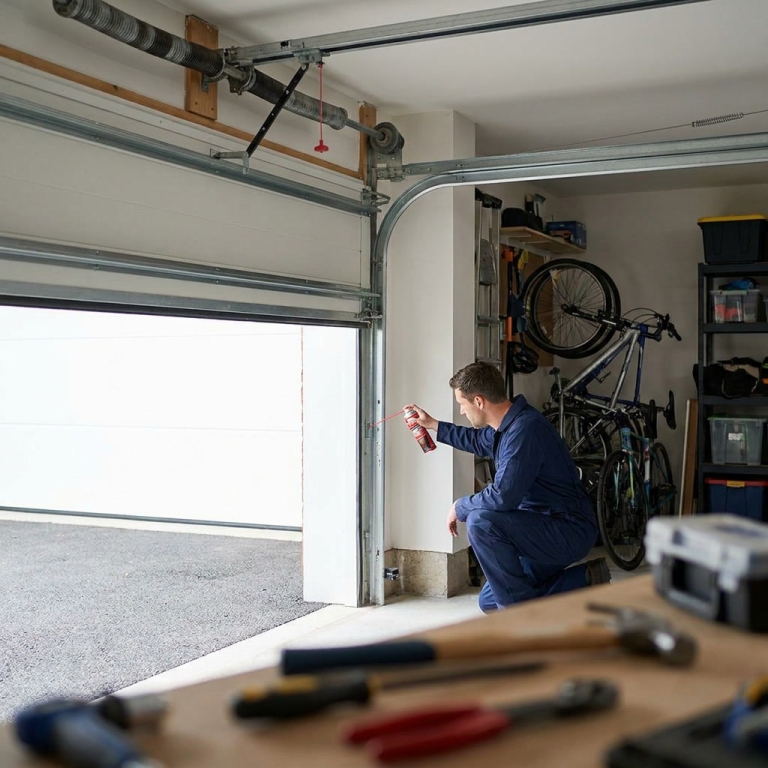
Start by gathering the necessary tools and materials, including a high-quality silicone-based or lithium-based lubricant. Avoid using grease or oil-based products, as these can attract dirt and grime, exacerbating the problem. Begin by cleaning the tracks with a damp cloth to remove any accumulated debris. Once clean, apply a thin layer of lubricant to the inside of the tracks, ensuring even coverage. Next, focus on the rollers. If your garage door has metal rollers, apply lubricant to the ball bearings inside the rollers. For nylon rollers, lubricate only the bearings, as applying lubricant to the nylon itself can cause deterioration.
Hinges are another critical component that requires regular lubrication. Apply a small amount of lubricant to the pivot points of each hinge, allowing it to penetrate the moving parts. This will help reduce noise and ensure smooth operation. Additionally, do not overlook the springs. While it is essential to lubricate the springs to prevent rust and ensure they function correctly, exercise caution, as springs are under high tension. If you are unsure about handling them, consider reaching out to a professional for a garage door tune-up.
The garage door opener chain or screw drive also benefits from lubrication. Apply a small amount of lubricant along the chain or screw drive, wiping away any excess to prevent dripping. Regular maintenance of these components can prevent the need for more extensive repairs, such as a garage door opener repair.
By incorporating these lubrication practices into your regular maintenance routine, you can ensure that your garage door operates smoothly and efficiently. Not only does this enhance the longevity of your garage door system, but it also minimizes the risk of unexpected breakdowns. For more detailed guidance or professional assistance, consider visiting our services page.
Testing and Replacing Garage Door Sensors
When dealing with a garage door that stalls, one of the most common culprits is a malfunctioning sensor system. Garage door sensors are crucial for the safe and efficient operation of your garage door, as they prevent the door from closing on objects or people in its path. To ensure your garage door functions smoothly, it's important to regularly test and, if necessary, replace these sensors. Begin by inspecting the sensors located near the bottom of the garage door tracks. They should be aligned directly facing each other, with no obstructions in between. If the sensors are misaligned, gently adjust them until the indicator lights on both sensors are steady. Dust and debris can also interfere with sensor operation, so clean the lenses with a soft cloth. If the sensors still do not work properly, it may be time to replace them. Disconnect the power to the garage door opener before attempting to replace the sensors to ensure safety. Remove the existing sensors and install new ones, ensuring they are securely mounted and properly aligned. After installation, test the garage door to confirm that the sensors are functioning correctly. If you encounter persistent issues, it might be beneficial to consult a professional for garage door repair. Regular maintenance, such as a garage door tune-up, can also help prevent sensor problems and keep your garage door operating smoothly. If you're unsure about any step in the process, don't hesitate to reach out to a professional for guidance or contact a local service provider for assistance.
Balancing the Garage Door for Optimal Performance
Balancing your garage door is a crucial step in ensuring its optimal performance and longevity. An imbalanced garage door can lead to a host of issues, including stalling, excessive noise, and even damage to the door's components. To achieve balance, it's important to understand the mechanics of your garage door system. Most garage doors operate on a torsion or extension spring system, which counterbalances the weight of the door. When these springs are not properly adjusted, the door may not open or close smoothly, leading to stalling or jerky movements. To check if your garage door is balanced, disconnect the opener by pulling the release handle and manually lift the door halfway. A balanced door should stay in place without sliding up or down. If it doesn't, the springs may need adjustment. It's crucial to handle this task with caution, as garage door springs are under high tension and can be dangerous. For those unfamiliar with the process, it might be wise to seek professional assistance. Professional services can ensure that your garage door is balanced correctly, preventing further issues and extending the life of your door. Regular tune-ups can also help maintain balance and performance. If you're experiencing persistent issues, consider reaching out to a garage door repair specialist who can diagnose and fix the problem efficiently. Balancing your garage door not only enhances its performance but also contributes to the safety and security of your home. Regular maintenance and timely repairs are key to avoiding costly replacements and ensuring your garage door operates smoothly for years to come.
Tightening Loose Hardware and Fasteners
When dealing with a garage door that stalls, one of the most common issues to address is loose hardware and fasteners. Over time, the constant movement and vibration of the garage door can cause nuts, bolts, and screws to loosen, which can lead to misalignment and operational issues. Ensuring that all hardware is properly tightened is a crucial step in maintaining the smooth operation of your garage door. Begin by inspecting all the visible nuts and bolts on the door and its tracks. Use a socket wrench or screwdriver to tighten any that appear loose. Pay special attention to the brackets that hold the tracks to the walls and ceiling, as these are critical for the door's alignment. Additionally, check the hinges that connect the door panels, as loose hinges can cause the panels to shift and bind. If you're unsure about the condition of your garage door hardware, consider scheduling a professional garage door tune-up to ensure everything is in optimal condition. Regular maintenance not only prevents stalling but also extends the lifespan of your garage door system. For those in need of more comprehensive assistance, professional garage door repair services can address any underlying issues that may not be immediately visible. Remember, a well-maintained garage door is not only more reliable but also safer for you and your family.
Resetting the Garage Door Opener System
When dealing with a garage door that stalls, one of the most effective solutions is resetting the garage door opener system. This process can often resolve issues related to the door's movement and responsiveness. Before you begin, ensure that you have the manufacturer's manual for your specific garage door opener model, as the reset process can vary between brands. Start by locating the power source of your garage door opener. Unplug the unit to cut off the power supply, which will help reset the system's internal memory. Wait for about 10 seconds before plugging it back in. This simple step can often clear any glitches in the system. Next, find the reset button on your garage door opener. This button is usually located on the back or side of the unit. Press and hold the reset button for about 10 seconds until you see the LED light on the opener flash or change color. This indicates that the system has been reset. After resetting, you will need to reprogram your remote controls and keypads. Consult your manual for specific instructions on how to sync these devices with your newly reset system. If your garage door opener is still not functioning correctly after a reset, it may be time to consider a garage door opener replacement. Persistent issues could indicate a more serious problem with the opener's internal components. Additionally, if you are unsure about performing these steps yourself, it is advisable to seek professional assistance. You can explore our services for expert help in diagnosing and fixing garage door issues. Resetting your garage door opener system is a straightforward process that can often restore your garage door to full functionality, ensuring smooth and reliable operation. If you have any questions or need further assistance, feel free to contact us for professional guidance.
When to Call a Professional for Help
When dealing with a garage door that stalls, it's essential to recognize when it's time to call a professional for help. While some issues can be resolved with basic troubleshooting, others require the expertise of a trained technician. If your garage door is stalling due to complex mechanical problems, such as a malfunctioning motor or broken springs, it's best to seek professional assistance. Attempting to fix these issues without the proper knowledge and tools can lead to further damage or even injury. Additionally, if your garage door is making unusual noises or has visible damage to its components, such as the cables or rollers, it's a clear sign that professional intervention is needed. A professional can provide a thorough safety inspection to identify and address any underlying issues. Moreover, if your garage door system is outdated and frequently stalling, it might be time to consider a new garage door installation to ensure smooth and reliable operation. Professionals have access to the latest tools and technology, ensuring that repairs or installations are done efficiently and safely. They can also offer valuable advice on maintaining your garage door to prevent future problems. If you're experiencing persistent issues despite your best efforts, don't hesitate to contact a professional service to ensure your garage door operates smoothly and safely.
Preventive Maintenance Tips for Your Garage Door
Regular preventive maintenance is essential to ensure your garage door operates smoothly and efficiently, preventing it from stalling unexpectedly. By dedicating a little time to routine checks and upkeep, you can extend the lifespan of your garage door and avoid costly repairs. Start by visually inspecting all the components of your garage door system, including the tracks, rollers, and hinges. Look for signs of wear and tear, rust, or damage. Clean the tracks to remove any debris or dirt that could impede the door's movement. Lubrication is crucial for maintaining the smooth operation of your garage door. Apply a high-quality lubricant to the rollers, hinges, and tracks to reduce friction and noise. This simple step can prevent the door from stalling and ensure it opens and closes with ease.
Next, test the balance of your garage door. Disconnect the opener by pulling the release handle and manually lift the door halfway. If it stays in place, the door is balanced correctly. If it falls or rises, you may need to adjust the tension of the springs. However, adjusting the springs can be dangerous, so it's advisable to seek professional assistance if you're unsure. Regularly check the weather seals around the door. These seals prevent drafts, moisture, and pests from entering your garage. If you notice any cracks or gaps, consider replacing them to maintain energy efficiency and protect your belongings.
Inspect the safety features of your garage door, such as the auto-reverse mechanism. Place a small object, like a block of wood, in the door's path and close it. If the door doesn't reverse upon contact, the sensors may need adjustment or cleaning. Ensuring these features are functioning correctly is vital for the safety of your family and pets. Additionally, examine the cables for signs of fraying or damage. Cables are under high tension and can be hazardous if they snap, so if you notice any issues, contact a professional for garage door cable repair.
Consider scheduling a professional garage door tune-up at least once a year. A professional technician can perform a comprehensive inspection, identify potential problems, and make necessary adjustments to keep your garage door in optimal condition. If you're experiencing persistent issues, such as a stalling door, a professional can diagnose and fix the problem efficiently.
Lastly, keep an eye on the opener system. If your garage door opener is outdated or malfunctioning, it might be time for a garage door opener replacement. Modern openers offer enhanced security features and improved performance, reducing the likelihood of your door stalling. By following these preventive maintenance tips, you can ensure your garage door remains reliable and functional, providing peace of mind and convenience for years to come.
Troubleshooting Electrical Issues with Your Garage Door
When your garage door stalls, it can be a frustrating experience, especially if the issue is electrical in nature. Understanding how to troubleshoot these electrical problems can save you time and potentially costly repairs. One of the first steps in diagnosing electrical issues with your garage door is to ensure that the power source is functioning correctly. Check if the garage door opener is plugged in and that the outlet is working. You can test the outlet by plugging in another device to see if it receives power. If the outlet is not working, you may need to reset the circuit breaker or replace a blown fuse.
Another common electrical issue is a malfunctioning garage door opener. If your opener is not responding, it might be due to a disrupted power supply or a faulty connection. Inspect the wiring for any visible damage or loose connections. If you find any issues, it might be necessary to consult a professional for garage door opener repair. Additionally, check the remote control and wall switch to ensure they are functioning properly. Sometimes, the batteries in the remote might need replacing, or the wall switch could have a loose wire.
Sensor problems are another frequent cause of garage door stalling. Modern garage doors are equipped with safety sensors that prevent the door from closing if an object is detected in its path. If these sensors are misaligned or obstructed, they can cause the door to stall. Ensure that the sensors are clean and aligned correctly. If the problem persists, you may need to replace the sensors. For more detailed guidance, consider reaching out to a professional for broken garage door system sensors repair.
In some cases, the issue might be with the garage door opener's motor. If the motor is struggling or making unusual noises, it could be a sign of wear and tear or an internal electrical fault. Regular maintenance and garage door tune-ups can help prevent these issues by ensuring that all components are in good working order. If you suspect a motor issue, it is advisable to contact a professional for a thorough inspection and repair.
Finally, if you have a smart garage door opener, ensure that the device is connected to your Wi-Fi network and that the app is functioning correctly. Sometimes, connectivity issues can cause the door to stall. Resetting the device or updating the app can often resolve these problems. If you continue to experience issues, consider consulting a professional for smart garage door opener installation or troubleshooting.
By systematically checking these potential problem areas, you can often identify and resolve electrical issues with your garage door. However, if the problem persists or if you are uncomfortable performing these checks yourself, it is always best to seek professional assistance to ensure the safety and functionality of your garage door system.
Understanding the Role of Weather in Garage Door Functionality
Weather can significantly impact the functionality of your garage door, often leading to issues such as stalling. Understanding these effects is crucial for maintaining the smooth operation of your garage door throughout the year. Temperature fluctuations, humidity, and extreme weather conditions can all play a role in how well your garage door operates. For instance, during colder months, metal components such as springs and tracks can contract, leading to increased tension and potential misalignment. This contraction can cause the door to stall or operate less smoothly. In contrast, during hot weather, metal parts may expand, which can also affect the door's alignment and movement.
Humidity is another factor that can influence garage door functionality. Wooden doors, in particular, can absorb moisture, causing them to swell and become heavier. This added weight can strain the garage door opener, leading to stalling or even failure. Additionally, moisture can lead to rust on metal components, further hindering the door's operation. To mitigate these issues, regular maintenance is essential. This includes lubricating moving parts to ensure they operate smoothly regardless of the weather.
Moreover, extreme weather conditions such as storms or hurricanes can cause physical damage to the garage door, affecting its ability to open and close properly. In areas prone to such weather, investing in a hurricane-resistant garage door can be a wise decision. These doors are designed to withstand high winds and flying debris, reducing the risk of damage and ensuring continued functionality.
Regular inspections can help identify weather-related issues before they become significant problems. For example, checking the weather stripping around the door can prevent drafts and moisture from entering the garage, which can affect both the door and the items stored inside. If you notice any signs of wear or damage, consider a weather seal replacement to maintain a proper barrier against the elements.
In summary, being aware of how weather conditions affect your garage door can help you take proactive steps to prevent stalling and other operational issues. Regular maintenance, timely repairs, and investing in weather-resistant features can ensure your garage door remains functional and reliable throughout the year. For more information on maintaining your garage door, you can explore our services page.
Certainly! Here's a suitable FAQ section for a blog post on "How to Fix a Garage Door That Stalls":
Frequently Asked Questions
Q1: What are common reasons a garage door might stall?
A1: A garage door may stall due to several reasons, including:
- Obstructions: Objects or debris in the door's path can cause it to stop.
- Sensor Issues: Misaligned or dirty sensors can prevent the door from closing properly.
- Track Problems: Bent or misaligned tracks can impede the door's movement.
- Spring or Cable Issues: Worn-out springs or cables can affect the door's balance and operation.
- Motor or Remote Malfunctions: Problems with the motor or remote control can lead to stalling.
Q2: How can I troubleshoot a stalling garage door?
A2: Here are some steps to troubleshoot a stalling garage door:
- Inspect for Obstructions: Check the door's path for any objects or debris.
- Check the Sensors: Ensure the sensors are clean and properly aligned.
- Examine the Tracks: Look for any bends or misalignments in the tracks and adjust as needed.
- Test the Springs and Cables: Inspect for wear and tear, and consider professional help if they need replacement.
- Review the Motor and Remote: Ensure the motor is functioning and the remote has fresh batteries.
Q3: Can I fix a stalling garage door myself, or should I hire a professional?
A3: Many minor issues, such as cleaning sensors or removing obstructions, can be handled by homeowners. However, for more complex problems like spring or cable replacement, it's advisable to hire a professional to ensure safety and proper repair.
Q4: How often should I maintain my garage door to prevent stalling?
A4: Regular maintenance can prevent many common issues. It's recommended to:
- Inspect and clean the sensors and tracks monthly.
- Lubricate moving parts every six months.
- Have a professional inspection annually to check springs, cables, and the motor.
Q5: What safety precautions should I take when fixing a garage door?
A5: Safety is crucial when working with garage doors. Always:
- Disconnect the power before inspecting or repairing.
- Use proper tools and wear safety gear.
- Avoid adjusting springs or cables unless you're experienced, as they are under high tension.
Q6: What should I do if my garage door still stalls after troubleshooting?
A6: If the door continues to stall after basic troubleshooting, it may be time to call a professional technician. They can diagnose and fix more complex issues that may not be immediately apparent.
This FAQ section provides a comprehensive overview of common concerns and solutions related to a stalling garage door, helping readers troubleshoot and understand when to seek professional help.
Skip the YouTube rabbit hole - we'll have a tech at your door same day across Broward, Dade and Palm Beach.