When your garage door refuses to close, it can disrupt your daily routine and compromise the security of your home. At Garage Door Pros’, we understand the frustration and urgency of such situations. Since 2012, our mission has been to provide South Florida homeowners with fast, affordable, and reliable garage door services, ensuring peace of mind and allowing you to focus on living life to the fullest. Whether you're dealing with a malfunctioning garage door opener, broken springs, or sensor issues, our team of trained and certified technicians is here to help. We specialize in a wide range of services, from garage door repair and tune-ups to new installations and keyless entry system setups. Our commitment to exceptional customer service, competitive pricing, and fast response times has earned us over 900 five-star reviews. Serving cities like Miramar, Plantation, and Fort Lauderdale, Garage Door Pros’ is your trusted partner for all your garage door needs. Contact us today at (954) 830-9661 or info@garagefl.com, and experience our professional work and personal service firsthand.
Common Causes of Garage Door Malfunctions
Garage doors are an essential component of many homes, providing security and convenience. However, like any mechanical system, they can experience malfunctions that prevent them from closing properly. Understanding the common causes of these issues can help homeowners troubleshoot and resolve problems efficiently, ensuring their garage doors function smoothly and reliably.
One of the most frequent causes of garage door malfunctions is misaligned or obstructed sensors. Modern garage doors are equipped with safety sensors that prevent the door from closing if an object is detected in its path. These sensors, typically located near the bottom of the door tracks, must be properly aligned to function correctly. If they become misaligned or if dirt and debris obstruct their view, the door may refuse to close. Regular cleaning and alignment checks can help prevent this issue.
Another common problem is a malfunctioning garage door opener. The opener is the motorized device that controls the opening and closing of the door. If the opener is faulty, it can lead to erratic door behavior. Issues with the opener can stem from electrical problems, worn-out gears, or even a need for a simple reset. In some cases, replacing the opener may be necessary. For those experiencing persistent issues, considering a garage door opener replacement might be the best solution.
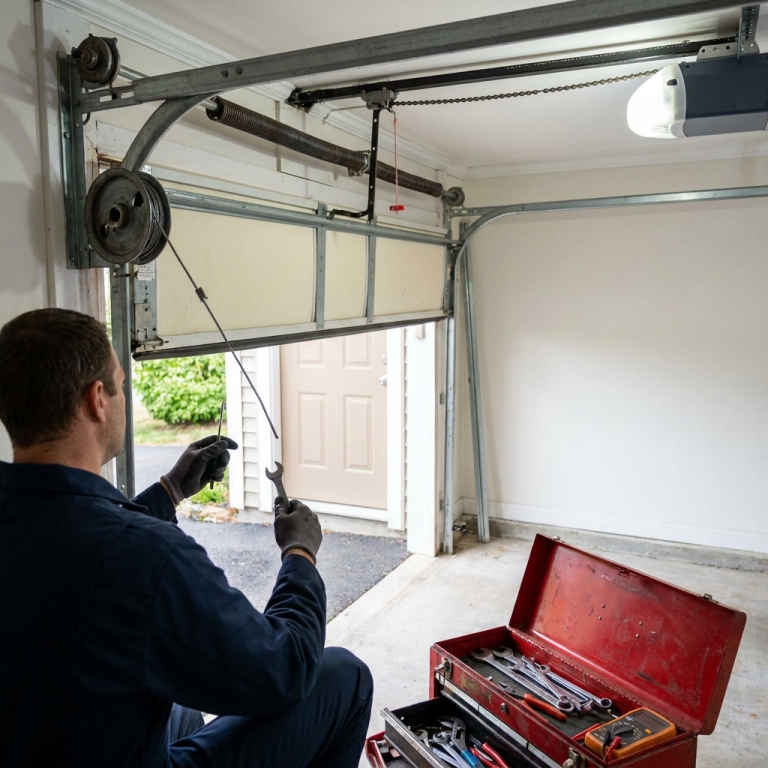
Broken or worn-out springs are another frequent culprit. Garage doors rely on torsion or extension springs to counterbalance their weight, making it easier to open and close. Over time, these springs can wear out or break, causing the door to become heavy and difficult to move. A broken spring can be dangerous and should be repaired by a professional. If you suspect a spring issue, it is advisable to seek professional repair services to ensure safety and proper functionality.
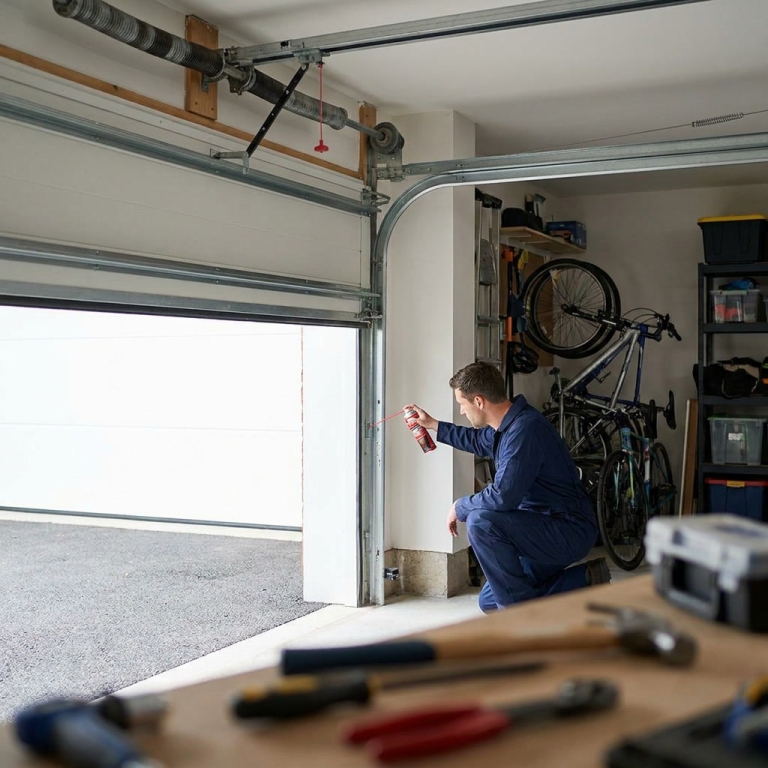
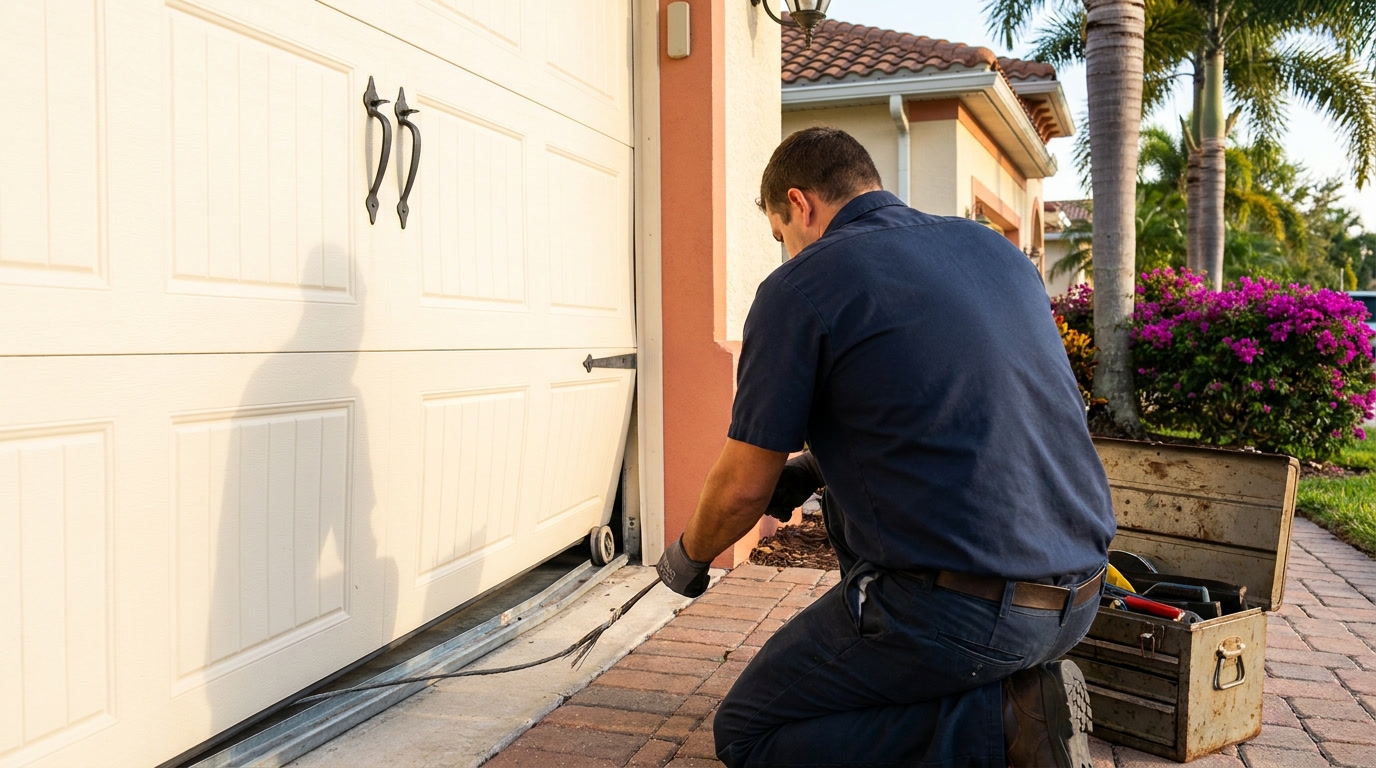
Additionally, problems with the garage door tracks can lead to malfunctions. The tracks guide the door as it opens and closes, and if they become bent or misaligned, the door may not operate smoothly. Regular inspections and maintenance can help identify track issues early, preventing more significant problems down the line. In some cases, a simple adjustment or lubrication can resolve track-related issues.
The garage door cables are also critical components that can cause malfunctions if they become frayed or broken. These cables work in conjunction with the springs to lift the door. If a cable snaps, the door may become unbalanced or fail to open or close properly. Regular inspection and timely cable repairs can prevent unexpected failures and ensure the door operates safely.
Weather conditions can also impact garage door performance. Extreme temperatures, humidity, and exposure to the elements can cause components to expand, contract, or rust, leading to operational issues. Ensuring that the door and its components are weatherproofed can help mitigate these effects. Installing a weather seal can protect the door from harsh weather conditions and improve energy efficiency.
Finally, regular wear and tear can lead to various garage door malfunctions. Over time, components such as rollers, hinges, and tracks can wear out, leading to noisy or erratic operation. Regular maintenance, including lubrication and part replacement, can extend the life of the door and prevent malfunctions. Scheduling a garage door tune-up can help identify and address potential issues before they become significant problems.
In conclusion, understanding the common causes of garage door malfunctions can empower homeowners to take proactive measures in maintaining their garage doors. Regular inspections, maintenance, and timely repairs can prevent many issues, ensuring that the garage door remains a reliable and secure part of the home. For more detailed guidance or professional assistance, visiting reputable resources or contacting a trusted service provider can be invaluable. For further reading, consider exploring the following resources:
- HomeAdvisor: "How Much Does Garage Door Repair Cost?"
- Angie's List: "Common Garage Door Problems and How to Fix Them"
- Family Handyman: "Garage Door Repair Tips"
By staying informed and attentive to the condition of your garage door, you can avoid many common malfunctions and enjoy the convenience and security that a well-functioning garage door provides.
Step-by-Step Guide to Troubleshooting Your Garage Door
When your garage door refuses to close, it can be a frustrating experience, especially if you are unsure of the cause. Fortunately, troubleshooting a garage door that won't close can often be done with a systematic approach, allowing you to identify and resolve the issue efficiently. This guide will walk you through the steps to diagnose and fix common problems that might be preventing your garage door from closing properly.
First, ensure that nothing is obstructing the path of the garage door. Check for any objects, debris, or dirt that might be blocking the door's path or interfering with the sensors. The sensors, typically located near the bottom of the door tracks, are crucial for the safe operation of the door. If they detect an obstruction, they will prevent the door from closing. Clean the sensors with a soft cloth to remove any dirt or dust that might be affecting their function.
Next, inspect the alignment of the sensors. Misaligned sensors can cause the garage door to malfunction. The sensors should face each other directly, with the LED lights on both sensors lit up. If one or both lights are off or blinking, gently adjust the sensors until the lights are steady. This simple adjustment can often resolve the issue.
If the sensors are clean and aligned but the door still won't close, the problem might lie with the garage door opener. Check the remote control and wall switch to ensure they are functioning correctly. Replace the batteries in the remote if necessary. If the remote control is still not working, try resetting the garage door opener. Refer to the manufacturer's instructions for the specific reset procedure for your model.
Another potential issue could be the garage door's limit settings. The limit settings control how far the door travels when opening and closing. If these settings are incorrect, the door might not close all the way. Consult your garage door opener's manual to adjust the limit settings properly.
Additionally, examine the garage door tracks for any signs of damage or obstruction. Bent or misaligned tracks can prevent the door from closing smoothly. Use a rubber mallet to gently tap the tracks back into alignment if necessary. Ensure that the tracks are securely fastened to the walls and ceiling.
If the door still refuses to close, inspect the garage door springs and cables. Damaged or broken springs can cause the door to become unbalanced, making it difficult to close. If you suspect a problem with the springs, it is advisable to contact a professional for garage door spring repair, as handling springs can be dangerous.
In some cases, the issue might be with the garage door opener's motor. Listen for any unusual noises when attempting to close the door, as this could indicate a problem with the motor. If you suspect motor issues, consider reaching out to a professional for garage door motor repair.
Finally, if you have tried all these troubleshooting steps and the door still won't close, it might be time to consult a professional. A qualified technician can perform a comprehensive safety inspection for garage doors to identify and resolve any underlying issues.
By following this step-by-step guide, you can often diagnose and fix the problem with your garage door. However, if the issue persists or if you are uncomfortable performing any of these tasks, do not hesitate to seek professional assistance to ensure the safe and efficient operation of your garage door.
In conclusion, a garage door that refuses to close can be a frustrating issue, but with a systematic approach, it is often a problem that can be resolved without professional help. By following the steps outlined above—checking the sensors, examining the tracks and rollers, inspecting the remote control, and ensuring the door's balance—you can identify and fix many common issues. Regular maintenance and periodic inspections can also prevent future problems, ensuring that your garage door operates smoothly and reliably. However, if you encounter a more complex issue or feel uncomfortable performing any of these tasks, don't hesitate to contact a professional technician. With the right care and attention, your garage door will continue to provide security and convenience for your home.
Skip the YouTube rabbit hole - we'll have a tech at your door same day across Broward, Dade and Palm Beach.