If you're struggling with a garage door that won't close, you're not alone. This common issue can be both frustrating and inconvenient, disrupting your daily routine and compromising the security of your home. At Garage Door Pros’, we understand the importance of a fully functional garage door, which is why we're dedicated to providing fast, affordable, and reliable solutions to homeowners across South Florida. Since 2012, our mission has been to ensure peace of mind for our clients, allowing them to focus on living their lives to the fullest. Whether it's a minor repair or a complete system upgrade, our team of trained and certified technicians is ready to assist with expert garage door repair services. We specialize in everything from broken spring repair and sensor replacement to garage door opener replacement and keyless entry system installation. With over 900 five-star reviews, our reputation for exceptional customer service, fast response times, and competitive pricing speaks for itself. If you're in Miramar, Plantation, Hollywood, or any surrounding areas, and need prompt and professional garage door services, contact Garage Door Pros’ today. Our work is professional, our service is personal, and we're here to help you get your garage door back on track.
Identifying Common Causes of Garage Door Malfunctions
When your garage door refuses to close, it can be a source of frustration and inconvenience. Understanding the common causes of garage door malfunctions is the first step in diagnosing and fixing the problem. By identifying these issues, you can determine whether you can address them yourself or if you need to seek professional assistance. Here, we explore some of the most frequent reasons why a garage door might not close properly.
One of the most common causes of a garage door malfunction is a problem with the safety sensors. These sensors are located near the bottom of the door tracks and are designed to prevent the door from closing if something is in its path. If the sensors are misaligned or obstructed, they may prevent the door from closing. According to the International Door Association, sensor issues account for a significant percentage of garage door problems. To resolve this, ensure that the sensors are clean and aligned correctly. If the problem persists, you may need to consider a broken garage door system sensors repair.
Another frequent issue is a malfunctioning garage door opener. The opener is the motorized device that controls the opening and closing of the door. If the opener is not functioning correctly, it could be due to a variety of reasons, such as a dead battery in the remote, a disrupted power source, or a need for a garage door opener repair. Checking the power supply and replacing the remote batteries are simple steps you can take to troubleshoot the problem.
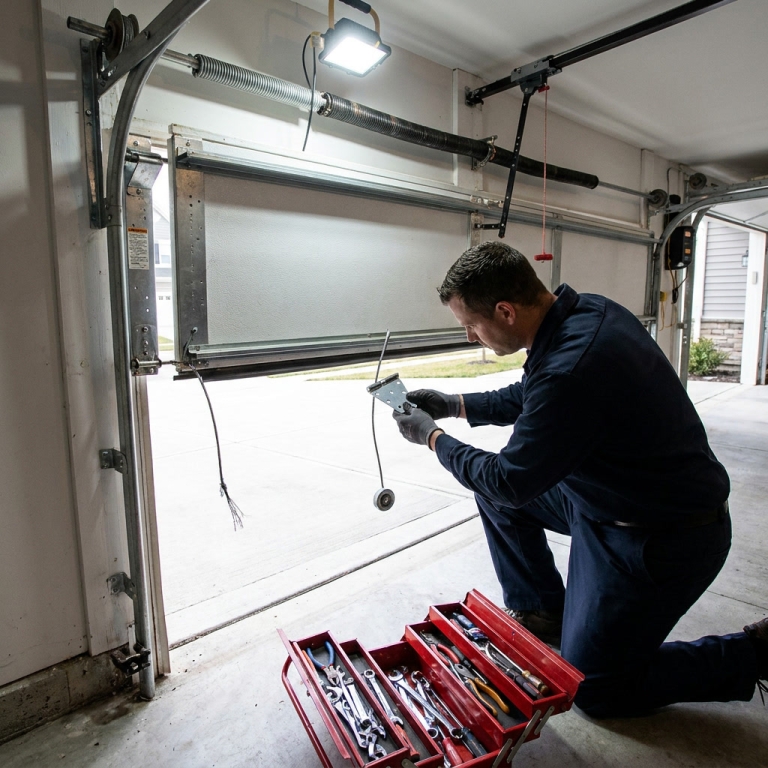
Broken or worn-out springs are another common culprit. Garage door springs are essential for counterbalancing the weight of the door, making it easier to open and close. Over time, these springs can wear out or break, causing the door to malfunction. The U.S. Consumer Product Safety Commission highlights the importance of regular maintenance to prevent spring-related accidents. If you suspect a spring issue, it is crucial to seek professional help for a garage door spring repair, as handling springs can be dangerous.
Additionally, problems with the garage door tracks can prevent the door from closing. The tracks guide the door as it opens and closes, and if they become bent or misaligned, the door may not operate smoothly. Inspect the tracks for any visible damage and ensure they are properly aligned. If necessary, you can gently tap them back into place with a rubber mallet. However, if the damage is severe, professional repair may be required.
Another potential issue is a broken or frayed cable. The cables work in conjunction with the springs to lift and lower the door. If a cable snaps or becomes frayed, it can cause the door to become unbalanced or stuck. Regular inspections and maintenance can help prevent cable issues, but if you encounter a problem, it is advisable to contact a professional for a garage door cable repair.
Lastly, weather conditions can also affect the operation of your garage door. Extreme temperatures, humidity, and moisture can cause the door components to expand, contract, or rust, leading to malfunctions. Regular maintenance, such as lubricating moving parts and checking the weather seals, can help mitigate these issues. For more information on maintaining your garage door, you can visit our FAQ page.
In conclusion, understanding the common causes of garage door malfunctions can help you diagnose and address issues more effectively. Whether it's a problem with the sensors, opener, springs, tracks, cables, or weather conditions, identifying the root cause is essential for finding the right solution. Regular maintenance and timely repairs can extend the life of your garage door and ensure it operates smoothly. For professional assistance, don't hesitate to contact a qualified technician who can provide expert guidance and repair services.
Step-by-Step Guide to Troubleshooting and Repairing Your Garage Door
When your garage door refuses to close, it can be a frustrating experience, especially if you rely on it for security and convenience. However, before you call a professional, there are several steps you can take to troubleshoot and potentially fix the issue yourself. This guide will walk you through the process of diagnosing and repairing common problems that might prevent your garage door from closing properly.
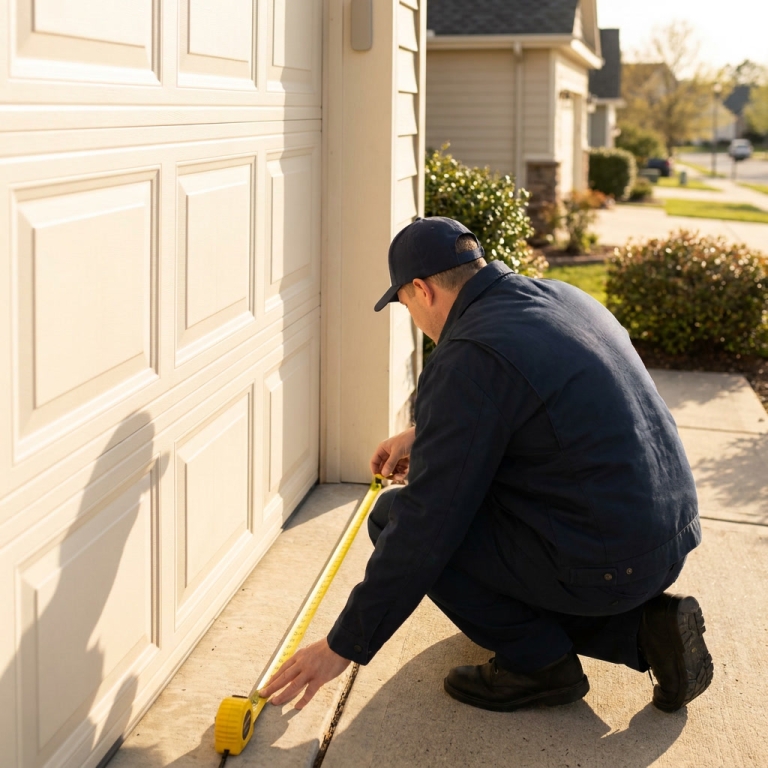
First, ensure that nothing is obstructing the path of the garage door. Sometimes, small objects or debris can block the door's sensors, preventing it from closing. Check the area around the door and remove any obstacles. Additionally, inspect the sensors themselves, which are usually located near the bottom of the door tracks. These sensors are crucial for the safe operation of your garage door, as they detect objects in the door's path and prevent it from closing on them. Make sure the sensors are aligned correctly and clean any dirt or cobwebs that might be obstructing their view. If you find that the sensors are damaged, you may need to consider repairing or replacing them.
Next, examine the garage door opener. Sometimes, the issue might be as simple as a dead battery in the remote control. Replace the batteries and try operating the door again. If the remote control is not the problem, check the wall switch to ensure it is functioning correctly. If the wall switch is unresponsive, there might be an issue with the wiring or the opener itself. In such cases, you might need to look into repairing the garage door opener.
Another common issue that can prevent a garage door from closing is a misaligned or broken track. Inspect the tracks on either side of the door for any bends, gaps, or obstructions. If you notice any damage, you may need to realign the tracks or call a professional for assistance. Additionally, check the rollers and hinges for wear and tear. Worn-out rollers can cause the door to become stuck or operate noisily. In such cases, consider replacing the rollers to ensure smooth operation.
The springs are another critical component of your garage door system. If the springs are broken or not providing enough tension, the door may not close properly. Inspect the springs for any signs of damage or wear. If you suspect that the springs are the issue, it is advisable to contact a professional for spring repair, as handling garage door springs can be dangerous without the proper tools and expertise.
Finally, consider the possibility of a problem with the garage door's settings. Most garage door openers have limit settings that control how far the door opens and closes. If these settings are incorrect, the door might not close all the way. Consult your garage door opener's manual to learn how to adjust these settings. If you are unsure about making these adjustments, a professional can help you fine-tune your system.
By following these steps, you can often diagnose and fix the issue with your garage door without the need for professional intervention. However, if you have tried these troubleshooting tips and your garage door still refuses to close, it might be time to seek professional help. A qualified technician can provide a thorough inspection and offer solutions tailored to your specific situation. For more information on professional garage door services, you can visit our services page or contact us directly for assistance.
In conclusion, dealing with a garage door that won't close can be a frustrating experience, but with a systematic approach, you can often identify and resolve the issue yourself. Start by checking the most common problems, such as obstructions in the door's path, misaligned sensors, or issues with the remote control. Regular maintenance, including lubricating moving parts and tightening hardware, can prevent many of these problems from occurring in the first place. However, if you've tried these troubleshooting steps and your garage door still won't close, it may be time to call in a professional. A trained technician can diagnose more complex issues, such as problems with the garage door opener or the door's springs, ensuring your garage door operates safely and efficiently. By taking the time to understand and address the problem, you can restore the convenience and security of a fully functional garage door.
Skip the YouTube rabbit hole - we'll have a tech at your door same day across Broward, Dade and Palm Beach.