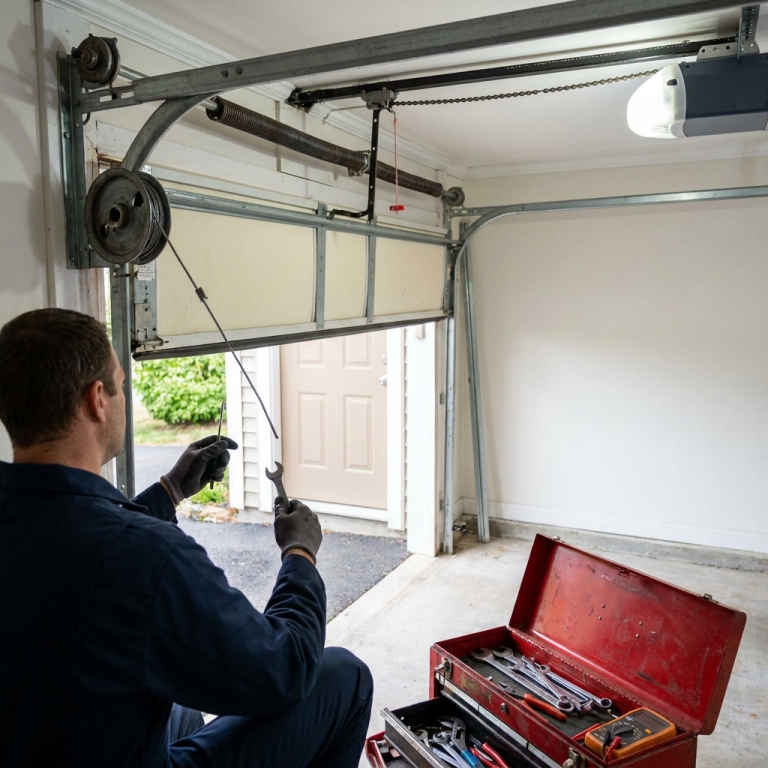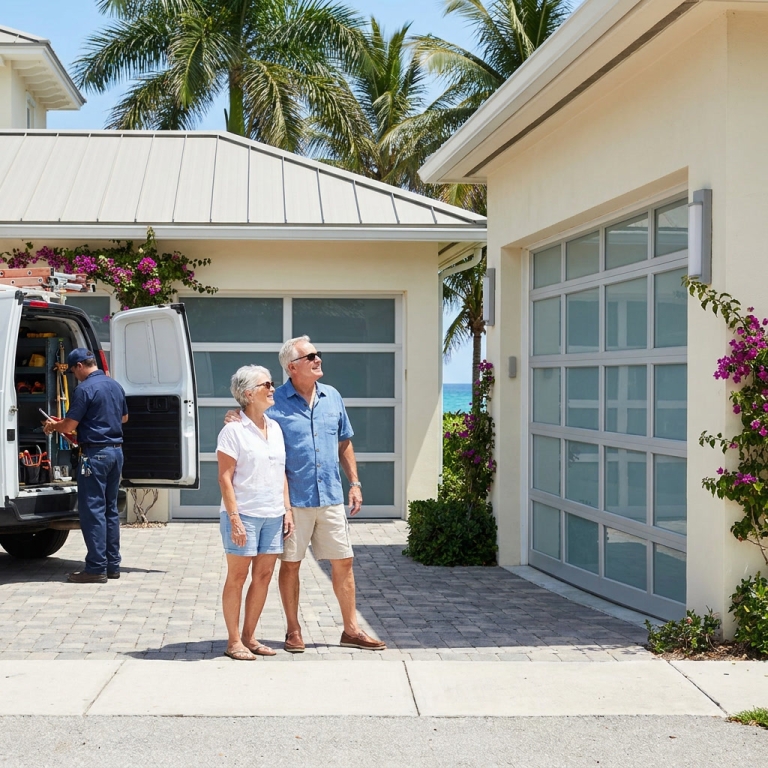
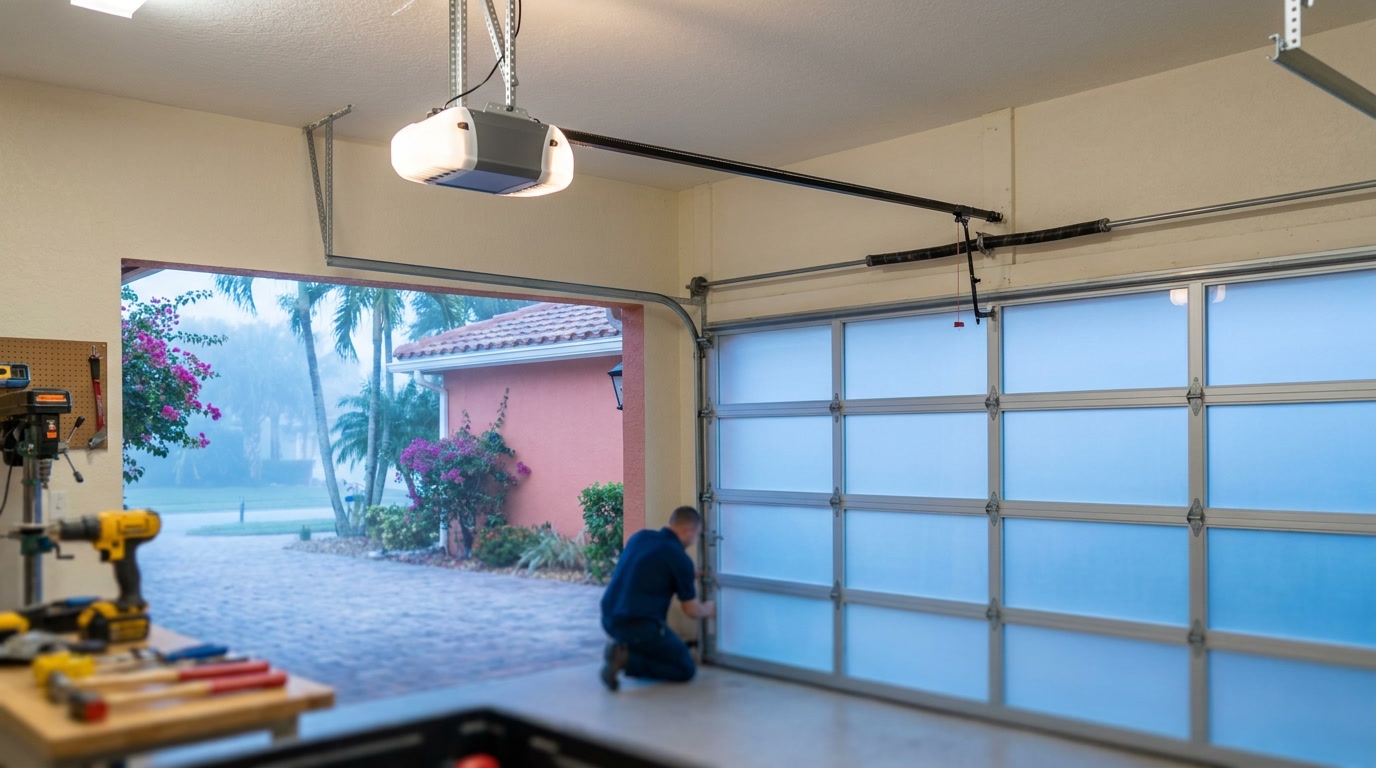
Garage door openers are essential for the smooth operation of your garage, but like any mechanical device, they can sometimes overheat, leading to potential malfunctions or even complete failure. Understanding how to prevent garage door opener overheating is crucial for maintaining the longevity and efficiency of your system. At GarageFL, we specialize in expert garage door repair, installation, and maintenance across South Florida, ensuring your garage door operates seamlessly all year round. In this guide, we'll explore practical tips and strategies to keep your garage door opener cool and functioning optimally. From regular maintenance to understanding the signs of overheating, we'll cover everything you need to know to protect your investment. Trust the licensed and insured professionals at GarageFL for fast and reliable service whenever you need it. Call us today to ensure your garage door opener remains in top condition.
Understanding the Causes of Garage Door Opener Overheating
Garage door openers are essential components of modern homes, providing convenience and security. However, like any mechanical device, they can experience issues, one of which is overheating. Understanding the causes of garage door opener overheating is crucial for homeowners who want to maintain their systems efficiently and prevent potential damage. Overheating can lead to malfunctions, increased wear and tear, and even complete system failure if not addressed promptly. By identifying the root causes, homeowners can take proactive steps to mitigate these risks and ensure the longevity of their garage door openers.
One of the primary causes of garage door opener overheating is excessive use. Garage door openers are designed to operate within specific limits, and frequent use can push them beyond these limits, causing the motor to overheat. This is particularly common in households with multiple vehicles or where the garage is used as a primary entry point. Overuse can lead to the motor working harder than intended, generating more heat than it can dissipate. To prevent this, it's essential to monitor the frequency of use and allow the motor to cool down between operations.
Another significant factor contributing to overheating is poor maintenance. A garage door opener, like any other mechanical device, requires regular maintenance to function optimally. Lack of lubrication on moving parts can increase friction, causing the motor to work harder and generate more heat. Regular garage door tune-ups can help identify and address these issues before they lead to overheating. During a tune-up, a professional can lubricate moving parts, check for worn-out components, and ensure that the system is operating smoothly.
Faulty components can also lead to overheating. Worn-out or damaged parts, such as gears, belts, or chains, can cause the motor to exert more effort, leading to increased heat production. It's crucial to inspect the garage door opener regularly and replace any faulty components promptly. For instance, a worn-out gear can cause the motor to strain, leading to overheating. In such cases, a garage door opener replacement might be necessary to prevent further damage.
Environmental factors can also play a role in garage door opener overheating. High ambient temperatures, especially during summer months, can exacerbate the heat generated by the motor. In regions with extreme temperatures, it's essential to ensure that the garage is well-ventilated to allow heat to dissipate effectively. Installing a fan or vent can help maintain a cooler environment, reducing the risk of overheating.
Electrical issues are another potential cause of overheating. Faulty wiring or electrical components can lead to increased resistance, causing the motor to overheat. Regular electrical inspections can help identify and rectify these issues before they cause significant damage. It's advisable to consult a professional electrician if you suspect any electrical problems with your garage door opener.
In some cases, the design and quality of the garage door opener itself can contribute to overheating. Older models or those made with inferior materials may not have adequate heat dissipation mechanisms. Upgrading to a modern, energy-efficient model can help reduce the risk of overheating. Consider investing in a smart garage door opener installation that offers advanced features and better heat management.
To summarize, understanding the causes of garage door opener overheating is essential for maintaining a functional and reliable system. By addressing factors such as excessive use, poor maintenance, faulty components, environmental conditions, electrical issues, and the quality of the opener, homeowners can significantly reduce the risk of overheating. Regular inspections and maintenance, combined with timely repairs and upgrades, can ensure that your garage door opener operates efficiently and safely for years to come. For more information on maintaining your garage door system, consider visiting our FAQ page or contacting a professional for personalized advice.
Signs Your Garage Door Opener Might Be Overheating
When it comes to maintaining the functionality and longevity of your garage door opener, recognizing the signs of potential overheating is crucial. Overheating can lead to significant damage, costly repairs, and even complete system failure if not addressed promptly. One of the most apparent signs that your garage door opener might be overheating is an unusual smell, often resembling burnt plastic or metal. This odor typically indicates that the motor or electrical components are getting too hot, which can be a precursor to more severe issues. Another telltale sign is the garage door opener shutting down unexpectedly during operation. Many modern systems have built-in thermal overload protection that automatically turns off the motor to prevent damage when it overheats. If you notice that your opener stops working and then resumes after a cooling period, overheating is likely the culprit. Additionally, you might observe that the garage door moves slower than usual or struggles to open and close. This sluggish performance can be due to the motor working harder than necessary, generating excess heat in the process. Unusual noises, such as grinding or buzzing, can also indicate that the motor is under strain and overheating. If you encounter any of these symptoms, it is advisable to seek professional assistance to diagnose and resolve the issue. Regular maintenance, such as a garage door tune-up, can help prevent overheating by ensuring that all components are in optimal condition. Additionally, if your garage door opener is older or frequently experiences overheating, it might be time to consider a garage door opener replacement to enhance performance and reliability. For more information or to schedule a service, feel free to contact a professional technician who can provide expert advice and solutions tailored to your needs.
Importance of Regular Maintenance for Your Garage Door Opener
Regular maintenance of your garage door opener is crucial for ensuring its longevity and optimal performance. A well-maintained garage door opener not only enhances the security of your home but also prevents potential issues such as overheating, which can lead to costly repairs or replacements. By investing time in routine maintenance, you can avoid the inconvenience of a malfunctioning garage door and ensure the safety of your family and belongings.
One of the primary benefits of regular maintenance is the prevention of overheating, a common issue that can significantly affect the functionality of your garage door opener. Overheating often occurs when the motor is overworked, which can happen if the door is not properly balanced or if the opener is not suited to the door's weight. Regular maintenance checks can help identify these issues early on, allowing for timely adjustments or upgrades. For instance, a professional garage door tune-up can ensure that all components are functioning smoothly, reducing the strain on the motor and preventing overheating.
Moreover, regular maintenance can help identify and address minor issues before they escalate into major problems. This proactive approach can save you from unexpected breakdowns and the associated costs. For example, worn-out gears, frayed cables, or misaligned tracks can be detected during routine inspections and repaired promptly. Services like garage door repair are essential for keeping your system in top condition and avoiding the risk of overheating due to mechanical failures.
In addition to preventing overheating, regular maintenance can also improve the overall efficiency of your garage door opener. A well-maintained system operates more smoothly and quietly, enhancing your home's comfort and convenience. Regular lubrication of moving parts, tightening of loose bolts, and cleaning of tracks are simple yet effective maintenance tasks that can make a significant difference in the performance of your garage door opener. If you notice unusual noises or sluggish operation, it might be time to consider a garage door opener replacement to ensure optimal functionality.
Furthermore, regular maintenance can extend the lifespan of your garage door opener, providing you with better value for your investment. By keeping all components in good working order, you reduce the likelihood of premature wear and tear, which can lead to costly replacements. Regular inspections by a professional can help you determine when it's time for upgrades or replacements, ensuring that your garage door opener continues to meet your needs effectively.
In conclusion, the importance of regular maintenance for your garage door opener cannot be overstated. It plays a vital role in preventing overheating, enhancing efficiency, and extending the lifespan of your system. By prioritizing routine maintenance, you can enjoy peace of mind knowing that your garage door opener is reliable and safe. Whether it's through a professional tune-up or timely repairs, taking care of your garage door opener is an investment in the security and functionality of your home.
How to Properly Lubricate Your Garage Door Components
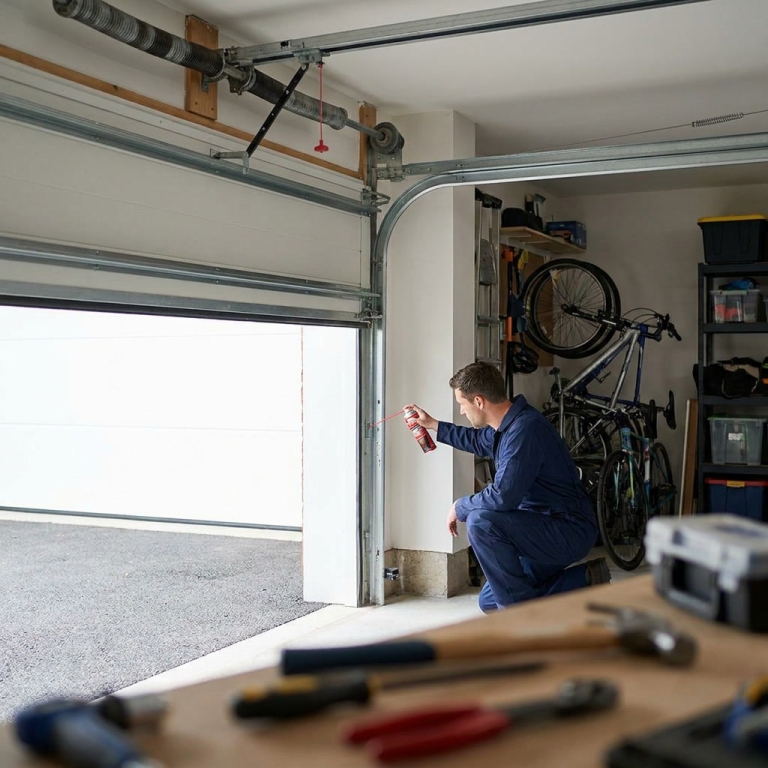
Proper lubrication of your garage door components is a crucial step in preventing your garage door opener from overheating. Overheating can lead to costly repairs and even the need for a complete garage door opener replacement. By ensuring that all moving parts are well-lubricated, you can significantly reduce friction, which is a common cause of overheating. Start by gathering the necessary materials, such as a high-quality silicone-based lubricant or a lithium-based grease. Avoid using WD-40 or similar products, as they are not suitable for long-term lubrication and can attract dirt and debris.
Begin the lubrication process by disconnecting the power to your garage door opener to ensure safety. Next, focus on the rollers, which are essential for smooth door operation. Apply lubricant to the roller bearings, but be careful not to over-lubricate, as excess grease can attract dust and grime. If your garage door has metal rollers, make sure to lubricate them thoroughly. For nylon rollers, lubricate only the bearings.
The hinges are another critical component that requires attention. Lubricate each hinge where it meets the bend of the track. This will help the door sections move smoothly and reduce strain on the opener. Pay special attention to the end hinges, as they bear the most weight and are prone to wear.
The tracks themselves do not require lubrication, but it is essential to keep them clean and free of debris. Use a damp cloth to wipe down the tracks, removing any dirt or buildup that could impede the door's movement. If you notice any misalignment or damage, consider scheduling a garage door repair service to address these issues.
Springs are another vital component that can benefit from lubrication. Apply a light coat of lubricant to the torsion springs, which will help them move more freely and reduce the load on the opener. Be cautious when working with springs, as they are under high tension and can be dangerous. If you are unsure about handling them, it is best to contact a professional for a garage door tune-up.
Finally, do not forget about the opener chain or belt. If your garage door opener uses a chain drive, apply a small amount of lubricant to the chain to reduce noise and wear. For belt drives, consult the manufacturer's instructions, as some belts do not require lubrication.
By following these steps and regularly maintaining your garage door components, you can prevent your garage door opener from overheating and extend its lifespan. Regular lubrication not only ensures smooth operation but also enhances the overall efficiency of your garage door system. If you encounter any issues or need further assistance, do not hesitate to reach out to a professional for guidance.
Ensuring Adequate Ventilation in Your Garage
Ensuring adequate ventilation in your garage is a crucial step in preventing your garage door opener from overheating. Proper ventilation helps to regulate the temperature within the garage, reducing the risk of heat buildup that can affect the performance and longevity of your garage door opener. When a garage lacks sufficient airflow, it can trap heat, especially during the warmer months, leading to an increase in temperature that can cause the opener's motor to overheat and potentially fail. To avoid this, consider installing vents or exhaust fans that facilitate the circulation of air. These installations can help expel hot air and introduce cooler air, maintaining a balanced environment. Additionally, keeping the garage door slightly open during peak heat times can also aid in ventilation, although this should be done with caution to ensure security. It's also beneficial to regularly check and maintain any existing ventilation systems to ensure they are functioning effectively. By prioritizing ventilation, you not only protect your garage door opener but also create a more comfortable and safer space. For more detailed guidance on maintaining your garage, consider exploring our services or reach out through our contact page. If you're considering an upgrade, our new garage door installation services can also incorporate advanced ventilation solutions tailored to your needs.
The Role of Insulation in Preventing Overheating
Insulation plays a crucial role in preventing the overheating of garage door openers, a common issue that can lead to malfunction or even permanent damage to the system. When a garage is not properly insulated, it can become a heat trap, especially during the summer months. This excessive heat can affect the performance and longevity of your garage door opener. By insulating your garage, you create a more stable environment that helps maintain a consistent temperature, reducing the risk of overheating.
One of the primary benefits of insulation is its ability to regulate temperature. Insulated garages are less susceptible to the extreme temperature fluctuations that can occur in uninsulated spaces. This stability is essential for the proper functioning of your garage door opener. When the temperature inside the garage is too high, the opener's motor can overheat, leading to potential failures. Insulation helps to keep the garage cooler, thereby reducing the strain on the motor and extending its lifespan.
Moreover, insulation can improve the energy efficiency of your home. By maintaining a more consistent temperature in the garage, your home's heating and cooling systems do not have to work as hard, which can lead to lower energy bills. This is particularly beneficial if your garage is attached to your home, as the temperature in the garage can directly affect the temperature inside your living spaces. An energy-efficient home is not only more comfortable but also more environmentally friendly.
In addition to temperature regulation, insulation can also provide soundproofing benefits. This can be particularly advantageous if your garage is used for activities that generate noise, such as using power tools or playing musical instruments. A quieter garage environment can contribute to a more peaceful home atmosphere.
For those considering upgrading their garage, an insulated garage door installation is a wise investment. Insulated doors are designed to provide superior thermal performance, which can significantly enhance the overall insulation of the garage. These doors are typically constructed with multiple layers, including a core of insulating material, which helps to keep the heat out during the summer and retain warmth during the winter.
If you are experiencing issues with your garage door opener, it may be time to consider a garage door opener replacement. Newer models are often more efficient and better equipped to handle temperature variations, especially when paired with a well-insulated garage. Additionally, regular maintenance and garage door tune-ups can help ensure that your system is operating optimally and reduce the risk of overheating.
In conclusion, insulation is a key factor in preventing garage door opener overheating. By investing in proper insulation, you can protect your garage door opener from the damaging effects of excessive heat, improve the energy efficiency of your home, and enjoy a quieter, more comfortable garage environment. Whether you are considering an insulated garage door installation or need assistance with your current system, professional services are available to help you achieve the best results.
Choosing the Right Garage Door Opener for Your Climate
When it comes to preventing garage door opener overheating, selecting the right garage door opener for your specific climate is a crucial step. Different climates present unique challenges that can affect the performance and longevity of your garage door opener. Whether you live in a region with extreme heat, cold, humidity, or frequent storms, understanding how these factors impact your garage door opener can help you make an informed decision and avoid potential overheating issues.
In hot climates, such as those found in the southern United States, garage door openers are often subjected to high temperatures that can lead to overheating. In these areas, it is essential to choose a garage door opener with a powerful motor that can handle the heat. Look for models with thermal overload protection, which automatically shuts off the motor if it gets too hot, preventing damage and ensuring safety. Additionally, consider installing a garage door with insulation to help regulate the temperature inside your garage, reducing the strain on your opener.
Conversely, in colder climates, garage door openers face different challenges. Cold temperatures can cause the lubrication in the opener's moving parts to thicken, leading to increased friction and potential overheating. To combat this, choose a garage door opener that is designed to operate efficiently in low temperatures. Look for models with a belt drive system, as they tend to perform better in the cold compared to chain drive systems. Regular maintenance, such as a garage door tune-up, can also help keep your opener running smoothly by ensuring that all parts are properly lubricated and adjusted.
Humidity is another factor that can affect garage door openers, particularly in coastal or tropical regions. High humidity levels can lead to rust and corrosion of metal components, which can impede the operation of your garage door opener and increase the risk of overheating. To mitigate these effects, consider a garage door opener with corrosion-resistant materials and a sealed motor housing to protect against moisture. Regular inspections and maintenance, such as checking for rust and applying protective coatings, can also help prolong the life of your opener in humid environments.
For those living in areas prone to storms or hurricanes, selecting a garage door opener that can withstand high winds and power surges is essential. Look for models with a battery backup system to ensure your garage door can still operate during power outages. Additionally, consider installing a hurricane-rated garage door to provide extra protection against strong winds and flying debris. These doors are designed to withstand extreme weather conditions, reducing the likelihood of damage to your garage door opener.
In summary, choosing the right garage door opener for your climate involves considering the specific environmental challenges you face. Whether it's extreme heat, cold, humidity, or storms, selecting an opener with the appropriate features and materials can help prevent overheating and extend the life of your system. Regular maintenance and inspections are also crucial to ensure your garage door opener continues to operate efficiently and safely, regardless of the climate you live in. By taking these factors into account, you can enjoy a reliable and long-lasting garage door opener that meets your needs and withstands the test of time.
How to Test Your Garage Door Opener's Temperature
Testing your garage door opener's temperature is a crucial step in preventing overheating, which can lead to malfunctions or even permanent damage. To ensure your garage door opener operates efficiently, it's essential to monitor its temperature regularly, especially during extreme weather conditions. Begin by observing the garage door opener during operation. If it feels excessively warm to the touch, it might be overheating. Use a digital infrared thermometer to measure the temperature of the motor housing. Ideally, the temperature should not exceed the manufacturer's recommended range, typically around 100 to 120 degrees Fahrenheit. If the temperature is higher, it may indicate that the motor is working too hard, possibly due to misalignment or a lack of lubrication. Regular garage door tune-ups can help maintain optimal performance and prevent overheating. Additionally, ensure that the garage is well-ventilated to allow heat to dissipate. If you notice persistent overheating, it might be time to consider a garage door opener replacement to avoid further complications. For more detailed guidance, you can reach out to a professional service for a comprehensive safety inspection of your garage door system. Regular maintenance and timely interventions can significantly extend the lifespan of your garage door opener and ensure its safe operation.
Upgrading to a More Efficient Garage Door Opener
Upgrading to a more efficient garage door opener is a strategic move that can significantly enhance the functionality and longevity of your garage door system, while also addressing the common issue of overheating. Modern garage door openers are designed with advanced technology that not only improves performance but also reduces the risk of overheating, which can lead to costly repairs and inconvenient downtime. One of the primary benefits of upgrading is the incorporation of smart technology. Smart garage door openers offer features such as remote access, real-time notifications, and integration with home automation systems, allowing you to monitor and control your garage door from anywhere. This level of control can help prevent overheating by ensuring that the door is not operated excessively or left open for extended periods, which can strain the motor.
Another advantage of modern garage door openers is their energy efficiency. Newer models are designed to consume less power while delivering superior performance. This efficiency not only reduces the risk of overheating but also lowers your energy bills, making it a cost-effective investment in the long run. Additionally, many contemporary openers come equipped with thermal overload protection, a feature that automatically shuts down the motor if it begins to overheat, thus preventing damage and extending the lifespan of the opener. When considering an upgrade, it is essential to choose a model that is compatible with your existing garage door system and meets your specific needs. Consulting with a professional can provide valuable insights into the best options available. For those in the Fort Lauderdale area, services such as garage door opener replacement and smart garage door opener installation offer expert guidance and installation to ensure optimal performance.
Moreover, upgrading to a more efficient garage door opener can contribute to a quieter operation. Many modern openers are designed with noise reduction features, which can be particularly beneficial if your garage is attached to your home or located near living spaces. This improvement not only enhances comfort but also reduces the stress on the opener, further minimizing the risk of overheating. Regular maintenance and garage door tune-ups are also crucial in maintaining the efficiency of your new opener. By keeping the system well-lubricated and ensuring all components are in good working order, you can prevent unnecessary strain on the motor and prolong the life of your garage door opener. In conclusion, upgrading to a more efficient garage door opener is a proactive step towards preventing overheating and enhancing the overall performance of your garage door system. With the added benefits of smart technology, energy efficiency, and noise reduction, a modern opener is a valuable addition to any home.
The Impact of Overuse on Garage Door Opener Temperature
Garage door openers are essential components of modern homes, providing convenience and security. However, like any mechanical device, they are susceptible to wear and tear, particularly when overused. One of the most significant issues that can arise from overuse is overheating, which can lead to a range of problems, from reduced efficiency to complete system failure. Understanding the impact of overuse on garage door opener temperature is crucial for homeowners who want to maintain their systems in optimal condition and avoid costly repairs.
When a garage door opener is used excessively, the motor is forced to work harder and longer than it is designed to. This increased workload generates additional heat, which can accumulate over time. The motor, being the heart of the garage door opener, is particularly vulnerable to overheating. As the motor temperature rises, the risk of damage to internal components, such as the circuit board and wiring, increases. This can lead to malfunctions, such as the door not opening or closing properly, or the opener shutting down unexpectedly.
Moreover, overheating can cause the lubrication within the motor and other moving parts to break down. Proper lubrication is essential for reducing friction and ensuring smooth operation. Without it, components can wear out more quickly, leading to increased maintenance needs and potential failures. In severe cases, overheating can cause permanent damage to the motor, necessitating a complete garage door opener replacement.
Another consequence of overheating is the potential for increased energy consumption. As the motor struggles to operate under high temperatures, it may draw more power to compensate for the loss of efficiency. This not only leads to higher electricity bills but also places additional strain on the electrical system of the home. Over time, this can contribute to a decrease in the overall lifespan of the garage door opener.
To prevent these issues, it is essential to monitor the usage of your garage door opener and ensure it is not being overworked. Regular garage door tune-ups can help identify potential problems before they become serious, allowing for timely maintenance and repairs. Additionally, ensuring that the garage door is properly balanced and aligned can reduce the strain on the opener, minimizing the risk of overheating.
In some cases, upgrading to a more robust system may be necessary, especially if the current opener is frequently used or if the garage door is particularly heavy. Modern garage door openers are designed with advanced features that enhance performance and durability, making them better suited to handle frequent use. For those living in areas prone to extreme weather conditions, such as Fort Lauderdale, investing in a hurricane garage door can also provide additional protection against environmental factors that may contribute to overheating.
In conclusion, the impact of overuse on garage door opener temperature is a critical consideration for homeowners who wish to maintain the longevity and efficiency of their systems. By understanding the risks associated with overheating and taking proactive measures to mitigate them, you can ensure that your garage door opener remains in excellent working condition for years to come. Regular maintenance, appropriate upgrades, and mindful usage are key strategies in preventing overheating and avoiding the costly consequences that can arise from neglecting this important aspect of garage door care.
Troubleshooting Common Garage Door Opener Issues
When dealing with garage door opener issues, it's essential to understand the common problems that can arise and how to troubleshoot them effectively. One of the most frequent issues is the garage door opener not responding to the remote control. This can often be attributed to dead batteries in the remote, so the first step is to replace them and see if that resolves the issue. If the problem persists, it could be due to a misaligned antenna on the opener itself, which can be adjusted to improve the signal reception. Additionally, ensure that there are no obstructions or interference from other electronic devices that might be affecting the signal.
Another common issue is the garage door opener making unusual noises during operation. This could indicate a need for lubrication of the moving parts, such as the rollers, hinges, and tracks. Regular maintenance, including a garage door tune-up, can prevent these noises and ensure smooth operation. If the noise persists, it might be a sign of worn-out components that need replacement, such as the rollers or the motor itself. In such cases, consulting a professional for a garage door motor repair can be beneficial.
Sometimes, the garage door might not open or close completely, which can be due to misaligned or blocked sensors. The sensors are crucial for the safe operation of the garage door, preventing it from closing on objects or people. Ensure that the sensors are clean and aligned correctly, and check for any obstructions that might be blocking their path. If the sensors are faulty, they may need to be replaced, which can be done through a broken garage door system sensors service.
In some cases, the garage door opener might overheat, especially if it is used frequently in a short period. Overheating can cause the opener to shut down temporarily to prevent damage. To avoid this, allow the opener to cool down between uses and consider upgrading to a more robust model if frequent use is necessary. Regular maintenance and inspections can help identify potential issues before they lead to overheating. If you suspect that your garage door opener is overheating frequently, it might be time to consider a garage door opener replacement to ensure reliable performance.
Lastly, if the garage door opener is not functioning at all, check the power source. Ensure that the opener is plugged in and that there is no tripped circuit breaker. If the power source is not the issue, it could be a problem with the internal wiring or the opener's motor. In such cases, professional assistance is recommended to diagnose and repair the issue effectively. Regular safety inspections can help prevent these problems by ensuring that all components are in good working condition and that any potential issues are addressed promptly. By understanding these common issues and how to troubleshoot them, you can maintain the efficiency and longevity of your garage door opener, preventing overheating and other related problems.
When to Call a Professional for Garage Door Opener Problems
Recognizing when to call a professional for garage door opener problems is crucial to maintaining the longevity and functionality of your garage door system. While some minor issues can be handled with basic troubleshooting, there are certain situations where professional intervention is necessary to prevent further damage and ensure safety. One of the primary indicators that you need professional help is when your garage door opener consistently overheats despite your efforts to manage its usage. Overheating can be a sign of underlying electrical issues or mechanical failures that require expert diagnosis and repair. If you notice that the motor is excessively hot to the touch or if the opener shuts down frequently, it's time to seek professional assistance. Additionally, unusual noises such as grinding, squeaking, or banging can indicate that components are worn out or misaligned. These noises not only disrupt the peace of your home but can also lead to more significant problems if left unaddressed. A professional can perform a comprehensive garage door tune-up to identify and fix these issues. Another red flag is when the garage door doesn't open or close smoothly. This could be due to sensor malfunctions, track misalignment, or problems with the opener's motor. Attempting to fix these issues without the proper knowledge and tools can be dangerous and may void any warranties. Professionals have the expertise to safely and effectively resolve these problems. If your garage door opener is outdated or lacks modern safety features, consider consulting with a professional about a garage door opener replacement. Newer models offer enhanced security, energy efficiency, and convenience, such as smart technology integration. Finally, if you experience frequent power outages or electrical surges in your area, it's wise to have a professional inspect your garage door opener for potential electrical damage. They can recommend solutions like surge protectors or backup battery systems to prevent future issues. For any concerns or questions, don't hesitate to contact a trusted garage door service provider. Their expertise can save you time, money, and the hassle of dealing with unexpected garage door opener problems.
Seasonal Tips for Maintaining Your Garage Door Opener
As the seasons change, so do the demands on your garage door opener. Understanding how to maintain your garage door opener throughout the year can help prevent overheating and extend its lifespan. During the warmer months, the heat can cause the motor to work harder, potentially leading to overheating. To combat this, ensure your garage is well-ventilated. You might consider installing a fan or a vent to help regulate the temperature. Regularly inspect the garage door tracks and rollers for any debris or buildup that could cause the opener to exert more effort than necessary. Lubricating the moving parts with a silicone-based lubricant can reduce friction and help the system run smoothly. In the colder months, the metal components of your garage door can contract, which might cause the opener to strain. To prevent this, check the tension of the springs and cables. If you notice any issues, it might be time for a garage door tune-up to ensure everything is in optimal condition. Additionally, inspect the weather seals around your garage door. If they are worn or damaged, consider a garage door weather seal replacement to keep the cold air out and maintain a stable temperature inside the garage. This not only helps in preventing the opener from overheating but also improves energy efficiency. During spring and fall, take the opportunity to perform a comprehensive safety inspection. Check the sensors and the auto-reverse function to ensure they are working correctly. If you encounter any issues, it might be necessary to look into broken garage door system sensors repair. By following these seasonal maintenance tips, you can help prevent your garage door opener from overheating and ensure it operates efficiently year-round.
Long-Term Solutions for Preventing Overheating in Garage Door Openers
To effectively prevent garage door openers from overheating in the long term, it is essential to adopt a comprehensive approach that addresses both the mechanical and environmental factors contributing to the issue. One of the primary strategies is to ensure regular maintenance and servicing of the garage door opener system. This includes periodic garage door tune-ups to keep all components in optimal working condition. During these tune-ups, a professional can inspect the motor, gears, and other moving parts for signs of wear and tear that could lead to overheating. Lubricating these components with the appropriate products can also reduce friction and heat generation, thereby extending the lifespan of the opener.
Another long-term solution is to upgrade to a more efficient and modern garage door opener. Older models tend to be less efficient and more prone to overheating due to outdated technology. Investing in a smart garage door opener can provide better energy efficiency and advanced features that help monitor and regulate the system's temperature. These modern openers often come with built-in sensors that can detect overheating and automatically shut down the system to prevent damage.
Environmental factors also play a significant role in preventing overheating. Ensuring that the garage is well-ventilated can help dissipate heat more effectively. Installing vents or fans can improve airflow and reduce the ambient temperature in the garage, which in turn helps keep the garage door opener cooler. Additionally, insulating the garage can help maintain a stable temperature, reducing the strain on the opener during extreme weather conditions. Consider an insulated garage door installation to further enhance temperature regulation.
Moreover, it is crucial to address any underlying issues with the garage door itself that might contribute to the opener's overheating. For instance, if the door is misaligned or if the springs are not functioning correctly, the opener may have to work harder, generating more heat. Regular inspections and timely garage door repairs can prevent such problems from escalating. Ensuring that the door moves smoothly and without obstruction will reduce the workload on the opener, thereby minimizing the risk of overheating.
Finally, educating users on the proper operation of the garage door opener can also contribute to its longevity. Avoiding excessive use and allowing the motor to cool down between operations can prevent overheating. Implementing these long-term solutions not only helps in preventing overheating but also enhances the overall efficiency and durability of the garage door opener system. By taking a proactive approach, homeowners can ensure their garage door openers function reliably and safely for years to come.
Certainly! Here's a suitable FAQ section for a blog post on "How to Prevent Garage Door Opener Overheating":
FAQ: Preventing Garage Door Opener Overheating
Q1: Why does my garage door opener overheat?
A1: Garage door openers can overheat due to excessive use, lack of proper ventilation, or mechanical issues such as friction in the moving parts. Overheating can also occur if the motor is overworked or if there is an electrical issue.
Q2: What are the signs that my garage door opener is overheating?
A2: Common signs of overheating include the motor shutting down unexpectedly, a burning smell, unusual noises, or the opener becoming hot to the touch. If you notice any of these signs, it's important to address the issue promptly to prevent damage.
Q3: How can I prevent my garage door opener from overheating?
A3: To prevent overheating, ensure that your garage door opener is properly maintained. This includes regular lubrication of moving parts, checking for obstructions, and ensuring that the opener is not overworked. Additionally, make sure the garage is well-ventilated to allow heat to dissipate.
Q4: How often should I maintain my garage door opener to prevent overheating?
A4: It's recommended to perform maintenance on your garage door opener at least twice a year. This includes checking the alignment, lubricating moving parts, and inspecting the motor and electrical components for any signs of wear or damage.
Q5: Can I fix an overheating garage door opener myself?
A5: While some maintenance tasks can be performed by homeowners, such as lubrication and basic inspections, it's advisable to consult a professional if you suspect electrical issues or if the motor frequently overheats. A professional can diagnose and fix more complex problems safely.
Q6: Is it normal for a garage door opener to get warm during operation?
A6: Yes, it is normal for a garage door opener to become slightly warm during operation. However, it should not become excessively hot. If it does, this could indicate a problem that needs to be addressed.
Q7: What should I do if my garage door opener shuts down due to overheating?
A7: If your garage door opener shuts down due to overheating, allow it to cool down before attempting to use it again. Check for any obstructions or mechanical issues that might have caused the overheating. If the problem persists, contact a professional for further inspection.
Q8: Are there specific garage door openers that are less prone to overheating?
A8: Some modern garage door openers come with thermal overload protection, which automatically shuts off the motor if it begins to overheat. When purchasing a new opener, look for models with this feature for added protection.
This FAQ section addresses common concerns and provides practical advice for preventing garage door opener overheating.
Skip the YouTube rabbit hole - we'll have a tech at your door same day across Broward, Dade and Palm Beach.