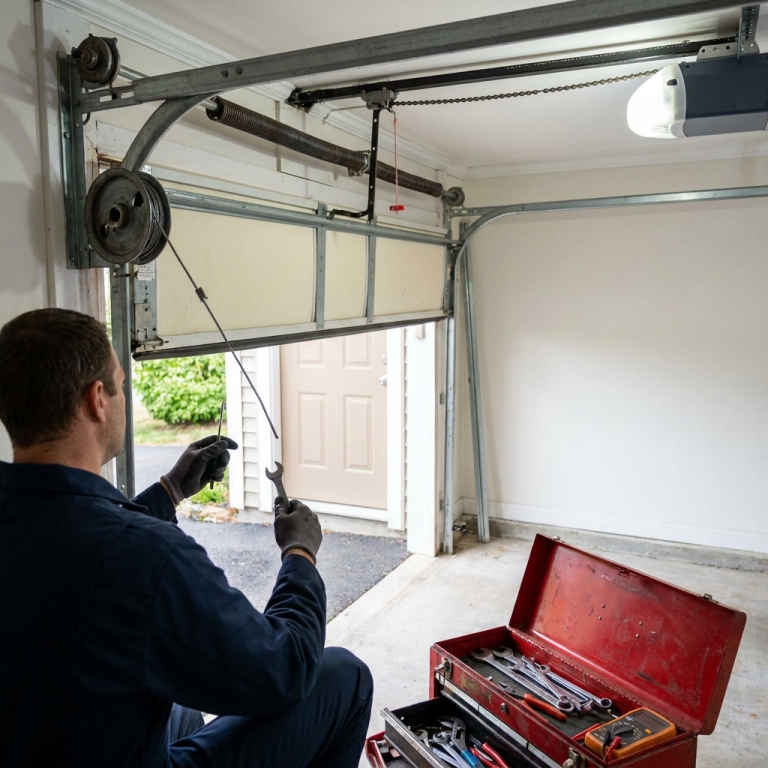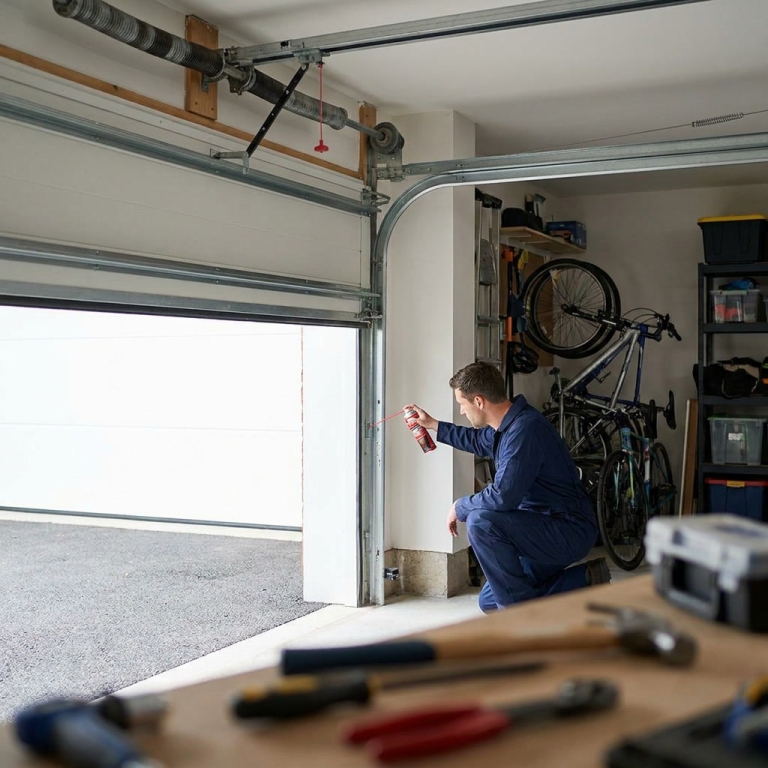
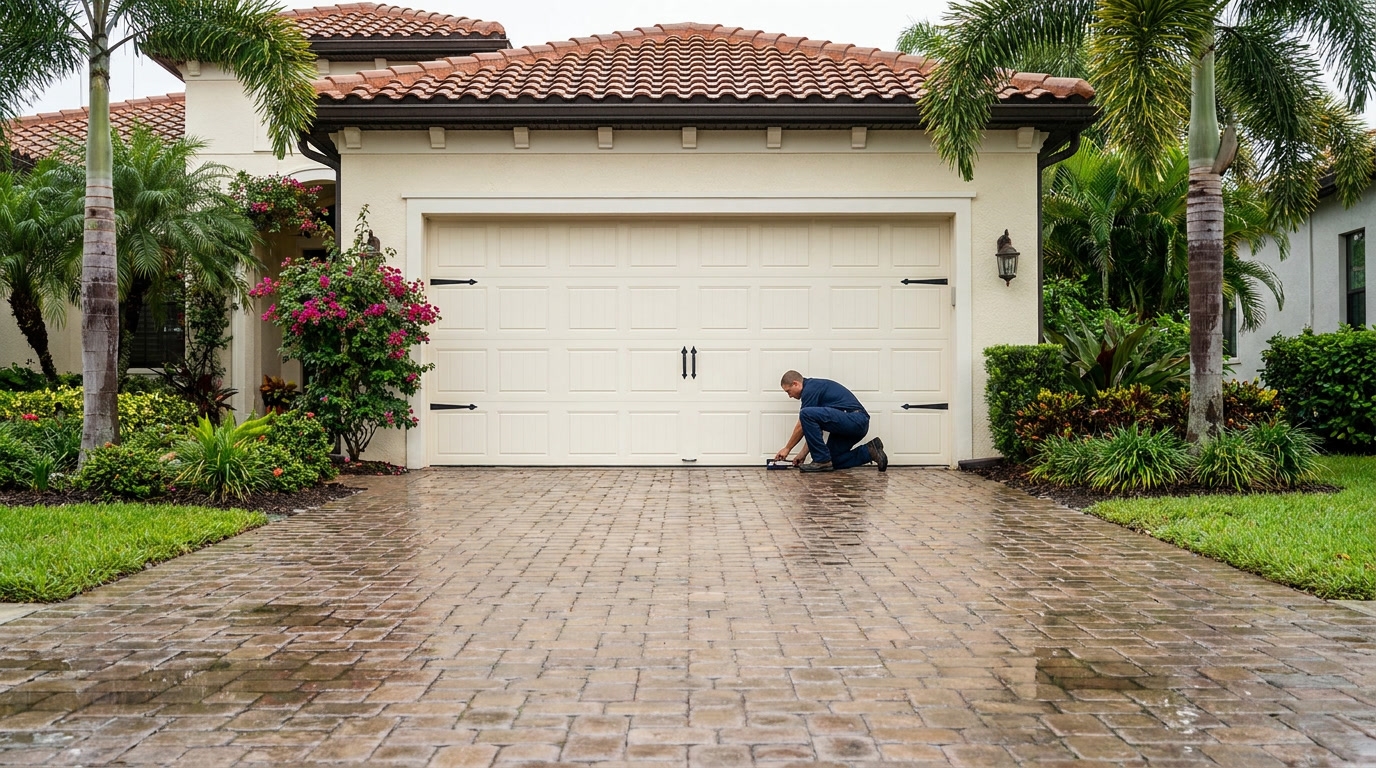
Garage door sensors play a crucial role in ensuring the safety and functionality of your garage door system. However, like any other component, they can encounter issues over time. Understanding how to prevent garage door sensor problems can save you time, money, and the inconvenience of a malfunctioning door. At GarageFL, we specialize in expert garage door repair, installation, and maintenance across South Florida. Our trusted, licensed, and insured team is dedicated to providing fast and reliable service to keep your garage doors operating smoothly. In this guide, we will explore practical tips and preventative measures to help you avoid common garage door sensor issues, ensuring your garage door remains safe and efficient. Whether you're dealing with misalignment, obstruction, or wiring problems, we've got you covered with expert advice and solutions. Call GarageFL today for professional assistance and keep your garage door in top condition.
Understanding How Garage Door Sensors Work
Garage door sensors are a crucial component of modern garage door systems, ensuring safety and convenience for homeowners. Understanding how these sensors work can help you prevent potential issues and maintain the smooth operation of your garage door. Garage door sensors primarily function as a safety mechanism to prevent accidents and damage. They are typically installed on either side of the garage door, near the floor, and work by emitting an invisible beam of infrared light. When this beam is interrupted, the sensors send a signal to the garage door opener to stop closing and reverse direction. This prevents the door from closing on objects, pets, or people that might be in its path.
The basic principle behind garage door sensors is simple yet effective. The system consists of two main components: the emitter and the receiver. The emitter sends out the infrared beam, while the receiver detects it. When the beam is uninterrupted, the receiver signals the garage door opener that it is safe to close the door. However, if the beam is broken, the receiver sends a different signal, prompting the opener to halt and reverse the door's movement. This mechanism is vital for preventing injuries and damage, making it an essential feature of any modern garage door system.
To ensure your garage door sensors function correctly, regular maintenance and inspection are necessary. Dust, dirt, or debris can accumulate on the sensors, obstructing the infrared beam and causing the system to malfunction. Cleaning the sensors with a soft cloth can help maintain their efficiency. Additionally, checking the alignment of the sensors is crucial, as misalignment can prevent the beam from being properly received. If you notice any issues with your sensors, it may be time to consider a garage door repair service to address the problem.
Several factors can contribute to garage door sensor issues. For instance, exposure to harsh weather conditions can affect their performance. Moisture, extreme temperatures, or direct sunlight can interfere with the sensors' ability to function correctly. In such cases, it might be beneficial to invest in a garage door tune-up to ensure all components are in optimal condition. Additionally, electrical issues or wiring problems can also lead to sensor malfunctions. Regular inspections by a professional can help identify and resolve these issues before they escalate.
Understanding the importance of garage door sensors and how they work can significantly enhance the safety and functionality of your garage door system. By keeping the sensors clean, aligned, and well-maintained, you can prevent many common issues and ensure your garage door operates smoothly. If you encounter persistent problems with your sensors, it may be time to consult a professional for a broken garage door system sensors inspection or repair.
In conclusion, garage door sensors are a vital safety feature that requires regular attention and maintenance. By understanding their operation and taking proactive measures to keep them in good working order, you can prevent potential issues and ensure the safety of your home and family. For more information on maintaining your garage door system, consider reaching out to a professional service provider for guidance and support.
Common Causes of Sensor Malfunctions
Garage door sensors are critical components that ensure the safe and efficient operation of your garage door system. However, like any other technology, they can experience malfunctions. Understanding the common causes of sensor malfunctions can help you prevent issues and maintain a smoothly functioning garage door. One of the primary causes of sensor malfunctions is misalignment. Garage door sensors work by sending a beam of light across the door opening, and if these sensors become misaligned, the beam is interrupted, preventing the door from closing properly. This misalignment can occur due to accidental bumps or vibrations over time. Regularly checking and adjusting the alignment of your sensors can help prevent this issue. Another common cause is dirt and debris accumulation on the sensor lenses. Dust, cobwebs, or other debris can obstruct the sensor's beam, causing it to malfunction. Cleaning the lenses with a soft cloth regularly can help maintain clear communication between the sensors. Electrical issues can also lead to sensor malfunctions. Faulty wiring or power surges can disrupt the sensor's operation. Inspecting the wiring for any signs of wear or damage and ensuring a stable power supply can mitigate these problems. Environmental factors such as extreme temperatures or moisture can also affect sensor performance. In areas prone to high humidity or temperature fluctuations, sensors may experience condensation or expansion, leading to malfunctions. Ensuring that your garage is well-ventilated and insulated can help protect the sensors from environmental damage. Additionally, physical damage to the sensors, such as cracks or breaks, can result in malfunctions. This damage can occur from accidental impacts or wear and tear over time. Regular inspections and timely repairs can help address these issues before they lead to more significant problems. Lastly, outdated or incompatible technology can cause sensor malfunctions. If your garage door system is older, it may not be compatible with newer sensor models, leading to operational issues. Upgrading to a modern system or consulting with a professional for a tune-up can ensure compatibility and enhance performance. By understanding these common causes of sensor malfunctions, you can take proactive measures to prevent them, ensuring the longevity and reliability of your garage door system. For more information on maintaining your garage door sensors, you can reach out to our team through our contact page.
Regular Maintenance Tips for Sensors
Regular maintenance of garage door sensors is crucial to ensure the smooth and safe operation of your garage door system. By following a few simple maintenance tips, you can prevent common sensor issues and extend the lifespan of your garage door components. First and foremost, it is essential to keep the sensors clean and free from any obstructions. Dust, dirt, and debris can accumulate on the sensor lenses, leading to misalignment or malfunction. Use a soft, dry cloth to gently wipe the sensors regularly, ensuring that they remain clear and functional. Additionally, check for any physical obstructions in the sensor's path, such as leaves or cobwebs, and remove them promptly.
Another important aspect of sensor maintenance is ensuring proper alignment. Misaligned sensors can cause the garage door to malfunction or not close properly. To check the alignment, look for the LED lights on the sensors. If the lights are blinking or not illuminated, it may indicate a misalignment issue. Adjust the sensors by loosening the screws, repositioning them until the lights are steady, and then tightening the screws again. Regularly inspecting the alignment can prevent potential issues and ensure the sensors function correctly.
It is also advisable to test the sensors periodically to confirm they are working as intended. You can do this by placing an object, such as a cardboard box, in the path of the sensors while the garage door is closing. If the sensors are functioning properly, the door should automatically reverse upon detecting the object. If the door does not reverse, it may indicate a problem with the sensors that requires further inspection or professional assistance.
In addition to these steps, consider scheduling a professional garage door tune-up at least once a year. A professional technician can perform a comprehensive inspection of your garage door system, including the sensors, to identify any potential issues and address them before they become major problems. This proactive approach can save you time and money in the long run by preventing costly repairs or replacements.
Furthermore, it is important to be aware of the environmental factors that can affect sensor performance. Extreme temperatures, humidity, and direct sunlight can impact the sensors' functionality. If your garage is exposed to harsh weather conditions, consider installing protective covers or shades to shield the sensors from direct exposure. This simple measure can help maintain optimal sensor performance and prevent unnecessary wear and tear.
Lastly, if you encounter persistent issues with your garage door sensors despite regular maintenance, it may be time to seek professional help. A qualified technician can diagnose and resolve complex sensor problems, ensuring your garage door system operates safely and efficiently. For more information or to schedule a service, you can contact a trusted garage door service provider.
By following these regular maintenance tips, you can prevent garage door sensor issues and ensure the reliable operation of your garage door system. Regular cleaning, alignment checks, testing, and professional tune-ups are key to keeping your sensors in top condition. For more detailed guidance or assistance with specific sensor problems, consider reaching out to a professional service for broken garage door system sensors to ensure your garage door remains safe and functional.
How to Properly Align Garage Door Sensors
Properly aligning garage door sensors is crucial for ensuring the smooth and safe operation of your garage door. Misaligned sensors can lead to various issues, such as the door not closing properly or reversing unexpectedly, which can be both inconvenient and potentially dangerous. To prevent these problems, it is essential to understand how to align your garage door sensors correctly.
First, locate the sensors on either side of your garage door, typically mounted about six inches above the ground. These sensors are responsible for detecting any obstructions in the path of the door, preventing it from closing if something is detected. If the sensors are not aligned, they may not function correctly, leading to issues with the door's operation.
Begin by ensuring that the sensors are clean and free from any dirt or debris, as this can interfere with their operation. Use a soft cloth to gently wipe the lenses of the sensors. Once the sensors are clean, check their alignment. The sensors should face each other directly, with their lenses parallel to the ground. If they are not aligned, you may notice that the indicator lights on the sensors are blinking or not lit at all, indicating a problem.
To adjust the alignment, loosen the screws holding the sensors in place and gently move them until they are directly facing each other. It may be helpful to use a level to ensure that the sensors are perfectly aligned horizontally. Once aligned, tighten the screws to secure the sensors in place. Check the indicator lights again; they should be steady and not blinking, indicating that the sensors are properly aligned.
If you continue to experience issues with your garage door sensors, it may be necessary to consult a professional. A professional can provide a thorough safety inspection to ensure that all components of your garage door system are functioning correctly. Additionally, if your sensors are damaged or malfunctioning, you may need to consider a garage door repair service to address the issue.
Proper alignment of garage door sensors is a simple yet essential task that can prevent many common issues with garage doors. By taking the time to ensure your sensors are aligned correctly, you can avoid potential problems and ensure the safe operation of your garage door. If you have any questions or need further assistance, do not hesitate to contact a professional for help.
Cleaning and Inspecting Sensor Lenses
To ensure the smooth operation of your garage door, it is crucial to regularly clean and inspect the sensor lenses. These sensors play a vital role in the safety and functionality of your garage door system by detecting obstacles and preventing the door from closing on objects or people. Over time, dirt, dust, and debris can accumulate on the sensor lenses, leading to misalignment or malfunction. To prevent these issues, start by gently wiping the lenses with a soft, dry cloth to remove any surface dirt. For more stubborn grime, use a mild, non-abrasive cleaner and a microfiber cloth to avoid scratching the lenses. Regular cleaning not only enhances the performance of the sensors but also extends their lifespan, reducing the need for frequent garage door repair services.
After cleaning, inspect the sensors to ensure they are properly aligned. Misalignment can occur due to accidental bumps or vibrations, causing the sensors to send false signals. Check that the sensors are facing each other directly and are mounted at the same height on either side of the garage door. If you notice any misalignment, gently adjust the sensors until they are correctly positioned. This simple step can prevent unnecessary interruptions in the operation of your garage door. Additionally, ensure that the wiring connected to the sensors is intact and free from damage. Damaged wires can lead to sensor failure, necessitating professional broken garage door system sensors repair.
Regular maintenance of your garage door sensors is an essential part of a comprehensive garage door tune-up. By incorporating these cleaning and inspection practices into your routine, you can avoid common sensor issues and ensure the reliable operation of your garage door. If you encounter persistent problems despite your efforts, it may be time to consult a professional for a thorough inspection and potential repair. Keeping your garage door sensors in optimal condition not only enhances safety but also provides peace of mind, knowing that your garage door will function correctly when you need it most.
Troubleshooting Sensor Problems
When it comes to maintaining the functionality of your garage door, understanding how to troubleshoot sensor problems is crucial. Garage door sensors are essential components that ensure the safety and efficiency of your garage door system. These sensors prevent the door from closing if there is an obstruction in its path, thereby avoiding potential accidents or damage. However, like any other component, sensors can sometimes malfunction, leading to operational issues. Identifying and resolving these problems promptly can save you from costly repairs and ensure the longevity of your garage door system.
One of the most common issues with garage door sensors is misalignment. Sensors must be perfectly aligned to communicate effectively. If your garage door is not closing properly, check the alignment of the sensors. They are usually located on either side of the door, near the floor. Ensure that both sensors are facing each other directly and that the LED lights on each sensor are lit. If the lights are blinking or off, it indicates a misalignment. Adjust the sensors until the lights are steady, which signifies proper alignment.
Another frequent problem is dirt or debris obstructing the sensor's lens. Over time, dust and grime can accumulate on the sensor lenses, disrupting their function. Regularly cleaning the lenses with a soft cloth can prevent this issue. If you notice that the door reverses unexpectedly, inspect the sensors for any visible dirt or obstruction. Keeping the area around the sensors clean is a simple yet effective way to maintain their performance.
Electrical issues can also affect sensor operation. Check the wiring connections to ensure they are secure and intact. Frayed or damaged wires can lead to sensor failure. If you suspect an electrical issue, it might be best to consult a professional for a thorough inspection. For those in need of expert assistance, consider reaching out to a garage door repair service to address any complex electrical problems.
Sometimes, environmental factors such as direct sunlight can interfere with sensor operation. If your garage door sensors are exposed to direct sunlight, it may cause them to malfunction. Installing sun shields or relocating the sensors slightly can help mitigate this issue. Additionally, extreme weather conditions can affect sensor performance. Ensure that your sensors are weatherproof and check them regularly, especially after severe weather events.
If you have tried these troubleshooting steps and your garage door sensors are still not functioning correctly, it may be time to consider a replacement. Faulty sensors can compromise the safety of your garage door system. Investing in new sensors or a broken garage door system sensors replacement can restore your system's reliability and safety.
In conclusion, troubleshooting garage door sensor problems involves checking for alignment issues, cleaning the lenses, inspecting electrical connections, and considering environmental factors. Regular maintenance and prompt attention to any issues can prevent more significant problems down the line. If you are unsure about handling these tasks yourself, professional services are available to assist you. For more information or to schedule a service, feel free to contact a trusted garage door specialist. By taking these proactive steps, you can ensure that your garage door operates smoothly and safely for years to come.
When to Call a Professional for Sensor Repairs
Garage door sensors are a crucial component of your garage door system, ensuring safety and smooth operation. However, like any other mechanical or electronic device, they can encounter issues over time. While some minor problems can be addressed with basic troubleshooting, there are situations when calling a professional for sensor repairs is the best course of action. Understanding when to seek professional help can save you time, prevent further damage, and ensure the safety of your household.
One of the primary indicators that you need professional assistance is when your garage door sensors are consistently malfunctioning despite your troubleshooting efforts. If you have already checked for common issues such as misalignment, dirt, or obstructions and the problem persists, it might be time to call in an expert. Professionals have the tools and expertise to diagnose and fix complex issues that are not immediately apparent to the untrained eye. They can also ensure that the sensors are correctly aligned and functioning as intended, which is crucial for the safety of your garage door system.
Another situation that warrants professional intervention is when there is visible damage to the sensors or their wiring. If you notice frayed wires, cracked sensor housings, or any other physical damage, it is best to avoid attempting repairs yourself. Handling electrical components without proper knowledge can be dangerous and may lead to further damage or injury. A professional technician can safely repair or replace damaged components, ensuring that your garage door system is restored to optimal condition.
If your garage door sensors are part of a more complex system, such as a smart garage door opener or a keyless entry system, professional assistance is highly recommended. These systems often involve intricate technology that requires specialized knowledge to repair. A professional can ensure that all components of the system are working together seamlessly, providing you with the convenience and security you expect from your advanced garage door setup.
Additionally, if your garage door sensors are causing the door to operate erratically, such as reversing unexpectedly or failing to close completely, it is crucial to seek professional help. These issues can pose significant safety risks, especially if the door closes on a person or object. A professional technician can conduct a thorough safety inspection and make the necessary adjustments or repairs to prevent accidents and ensure reliable operation.
Finally, if you are experiencing frequent sensor issues and your garage door system is older, it might be time to consider an upgrade. A professional can advise you on the latest technology and help you choose a new system that meets your needs. Whether you are interested in a new garage door installation or upgrading to a more advanced sensor system, a professional can guide you through the process and ensure a seamless transition.
In conclusion, while some garage door sensor issues can be resolved with basic troubleshooting, there are several situations where calling a professional is the best option. Persistent malfunctions, visible damage, complex systems, erratic door behavior, and the need for upgrades are all valid reasons to seek expert assistance. By doing so, you can ensure the safety, reliability, and longevity of your garage door system.
In conclusion, preventing garage door sensor issues is essential for maintaining the safety and functionality of your garage door system. By regularly cleaning the sensors, ensuring they are properly aligned, and checking for any obstructions, you can significantly reduce the likelihood of encountering problems. Additionally, staying vigilant about the condition of the wiring and testing the sensors periodically will help you catch potential issues early. Remember, a well-maintained garage door not only provides convenience but also enhances the security of your home. By following these preventative measures, you can ensure that your garage door operates smoothly and reliably for years to come. If you encounter persistent issues despite your best efforts, don't hesitate to consult a professional technician to ensure your system is in top working order.
Skip the YouTube rabbit hole - we'll have a tech at your door same day across Broward, Dade and Palm Beach.