Is your garage door closing unevenly, leaving gaps or causing unnecessary strain on the system? This common issue can lead to bigger problems if not addressed promptly. Knowing how to fix a garage door that closes unevenly can save you time, money, and ensure the safety of your home. Uneven garage door closure is often caused by misaligned tracks, worn-out springs, or damaged cables. At GarageFL, we understand the importance of a properly functioning garage door. As a trusted, licensed, and insured provider of expert garage door repair, installation, and maintenance services across South Florida, we're here to help. Whether you're dealing with an off-balance garage door, noisy operation, or a door that won't close all the way, our experienced technicians offer fast and reliable solutions. Read on to learn practical steps to diagnose and fix an uneven garage door—and when it's time to call in the pros at GarageFL.
Identify the Signs of an Uneven Garage Door
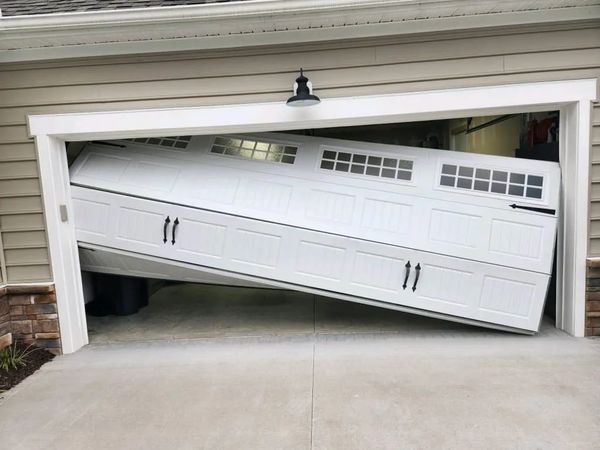
An uneven garage door can be more than just a visual nuisance—it may signal underlying mechanical issues that could compromise your garage door's safety and functionality. Recognizing the early signs of an uneven garage door is essential to prevent further damage and costly repairs. According to the International Door Association (IDA), misaligned garage doors are one of the top causes of premature wear and tear on garage door systems.
Here are some common indicators that your garage door may be closing unevenly:
- One side of the door touches the ground before the other.
- Visible gaps between the door and the floor when closed.
- Unusual noises like grinding or scraping during operation.
- Slower movement or jerking motion on one side.
- Frayed or loose cables and worn-out springs.
"Ignoring an uneven garage door can lead to complete system failure or pose safety hazards," warns the IDA.
If you notice any of these signs, it's crucial to address the issue promptly. Uneven doors often stem from problems with the springs, cables, or rollers. For example, a damaged cable may require immediate garage door cable repair, while worn-out springs might need professional spring repair services.
For more information on how to maintain your garage door, visit our services page or check out our detailed FAQ section. You can also explore this helpful guide from the International Door Association.
Inspect the Garage Door Tracks and Rollers
One of the most common reasons a garage door closes unevenly is due to issues with the tracks and rollers. Over time, dirt, debris, or even slight misalignments can cause the rollers to move unevenly, leading to an imbalanced door. Begin by visually inspecting the tracks on both sides of the garage door. Look for any signs of bending, warping, or obstructions that could hinder smooth movement. Clean the tracks thoroughly using a damp cloth and remove any buildup that may be affecting the rollers' path.
Next, examine the rollers themselves. Worn-out or damaged rollers can cause the door to drag or tilt during operation. If you notice any rollers that are cracked, chipped, or not rolling smoothly, consider replacing them. For professional help, explore our garage door roller replacement services to ensure your door operates safely and efficiently.
Additionally, make sure the tracks are properly aligned and securely fastened to the wall. Loose brackets or misaligned tracks can cause the door to shift unevenly. If you're unsure about the condition of your system, a safety inspection can help identify hidden issues before they become major problems. Regular maintenance and timely repairs will keep your garage door functioning smoothly and extend its lifespan.
Check and Adjust the Garage Door Springs
One of the most common causes of an unevenly closing garage door is an issue with the springs. Garage door springs are responsible for balancing the door's weight and ensuring smooth, level movement. If one spring is worn out or has lost tension, it can cause the door to tilt or close unevenly. To address this, start by visually inspecting the springs for signs of wear, rust, or damage. If you notice any irregularities, it's best to avoid DIY adjustments, as springs are under high tension and can be dangerous to handle without proper tools and experience.
Instead, consider scheduling a professional garage door spring repair to ensure the issue is resolved safely and effectively. A technician can assess the spring tension, make necessary adjustments, or replace the springs entirely if needed. Regular maintenance, such as lubricating the springs and checking their alignment, can also help prevent future problems.
If your garage door continues to function improperly after spring adjustments, there may be additional issues with the cables or rollers. In such cases, a comprehensive garage door tune-up can help identify and fix underlying problems. Keeping your garage door system in optimal condition not only improves performance but also extends its lifespan and enhances safety for your home.
Examine the Cables for Wear or Damage
One of the most common causes of a garage door that closes unevenly is worn or damaged cables. These cables play a crucial role in maintaining the balance and alignment of the door as it opens and closes. Over time, they can fray, stretch, or even snap due to regular wear and tear or exposure to harsh weather conditions. When this happens, the door may tilt to one side, creating an unsafe and inefficient operation.
To identify cable issues, visually inspect both sides of the garage door. Look for signs of fraying, rust, or slack in the cables. If one cable appears looser or more worn than the other, it could be the source of the imbalance. It's important not to attempt to adjust or replace these cables yourself unless you have professional experience, as they are under high tension and can cause serious injury if mishandled.
If you notice any signs of cable damage, it's best to seek professional assistance. Our expert technicians specialize in garage door cable repair and can restore your system to proper working order quickly and safely. For more information about our full range of services, or to schedule an inspection, feel free to reach out to our team. Addressing cable issues promptly can prevent further damage and ensure your garage door operates smoothly and securely.
Test the Garage Door Balance
To address a garage door that closes unevenly, one of the first steps is to check whether the door is properly balanced. An unbalanced garage door can put extra strain on the opener and lead to uneven movement, excessive noise, or even damage over time. To test the balance, disconnect the automatic opener by pulling the release handle, then manually lift the door halfway. If it stays in place, the door is likely balanced. If it falls or rises, the springs may need adjustment or replacement.
An imbalanced door often indicates issues with the springs or cables. These components are under high tension and should only be handled by professionals. If you suspect a problem, consider scheduling a garage door tune-up to ensure all parts are functioning correctly. Regular maintenance can prevent costly repairs and extend the life of your system.
Additionally, uneven closing may stem from worn-out rollers or misaligned tracks. A thorough inspection during a safety inspection can help identify these issues early. Ensuring your garage door is balanced not only improves performance but also enhances safety for your household. If you're unsure about performing these checks yourself, contacting a professional technician is the safest and most effective solution.
Adjust the Limit Settings on the Garage Door Opener
One of the most common reasons a garage door closes unevenly is incorrect limit settings on the garage door opener. These settings control how far the door travels when opening or closing. If the limits are not properly adjusted, one side of the door may touch the ground before the other, leading to an uneven close and potential damage to the door or opener system.
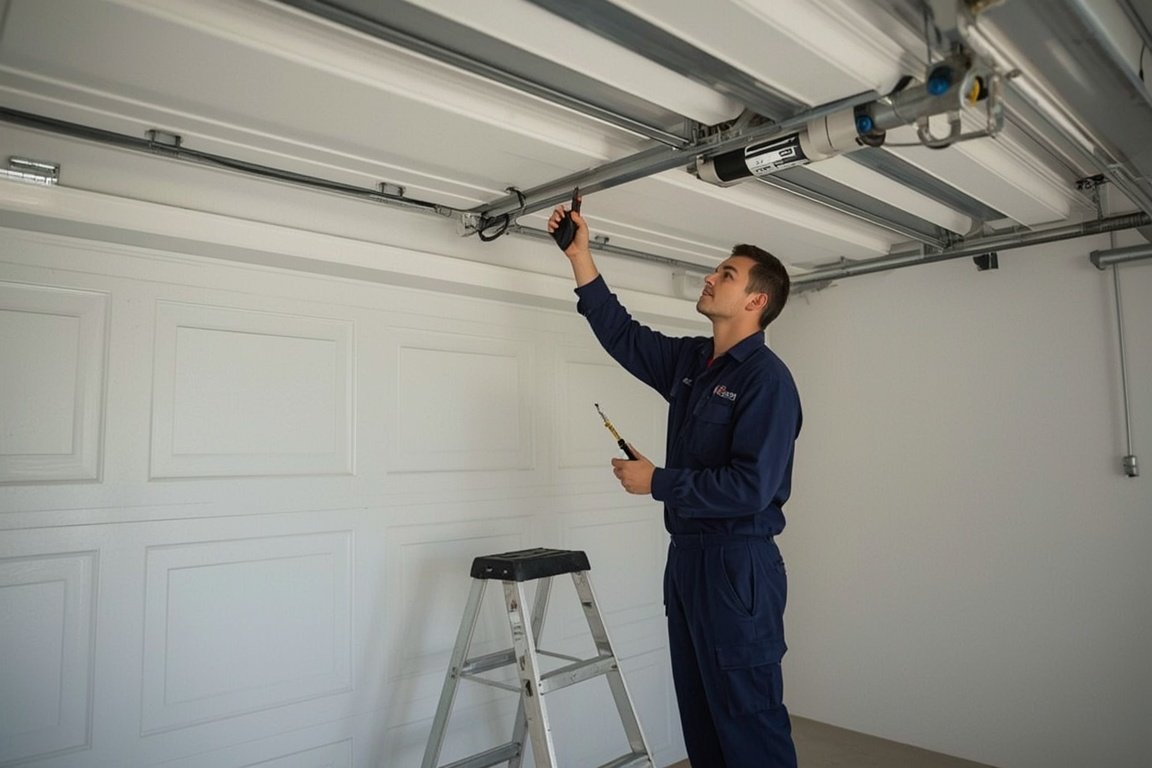
To fix this issue, locate the limit adjustment screws on your garage door opener—usually found on the side or back of the motor unit. Using a screwdriver, make small adjustments to the "down" limit screw. Turn it clockwise to decrease the door's travel distance or counterclockwise to increase it. After each adjustment, test the door to see if it closes evenly. Be patient, as it may take a few tries to get the settings just right.
If adjusting the limits doesn't resolve the problem, there may be other underlying issues such as a misaligned track or worn-out components. In such cases, it's best to seek professional help. Explore our full range of garage door services to ensure your system operates smoothly and safely. For more complex issues, like sensor malfunctions or opener failures, our team also specializes in garage door opener repair in Fort Lauderdale. Proper maintenance and timely adjustments can extend the life of your garage door and enhance its performance.
When to Call a Professional Technician
If your garage door continues to close unevenly despite basic troubleshooting, it may be time to call a professional technician. Uneven closing can be caused by complex issues such as misaligned tracks, damaged springs, or faulty sensors—problems that require expert tools and knowledge to fix safely and effectively. Attempting to repair these components without proper training can lead to further damage or even personal injury.
A professional technician can accurately diagnose the root cause of the issue and provide a long-lasting solution. For example, if the problem lies in the springs or cables, a trained expert can perform a safe and efficient garage door spring repair or cable replacement. Additionally, if your sensors are malfunctioning, a technician can inspect and replace them to restore proper door alignment.
In some cases, uneven closing may indicate that your system is outdated or beyond repair. In such situations, a professional can recommend a suitable upgrade, such as a new garage door installation or a garage door opener replacement to ensure optimal performance.
Ultimately, calling a professional not only saves time but also ensures the safety and longevity of your garage door system. Don't hesitate to seek expert help when DIY fixes fall short.
In conclusion, fixing a garage door that closes unevenly is often a manageable task if you follow a systematic approach. By inspecting the tracks, checking the springs and cables, tightening loose hardware, and adjusting the door's alignment, you can often resolve the issue without professional help. However, if the problem persists or involves complex components like torsion springs, it's best to consult a qualified technician to ensure safety and proper repair. Regular maintenance and prompt attention to minor issues can go a long way in keeping your garage door functioning smoothly and safely.
Skip the YouTube rabbit hole — we'll have a tech at your door same day across Broward, Dade and Palm Beach.