Your garage door opener is one of the most frequently used mechanical devices in your home. Whether you're leaving for work, running errands, or returning home, your opener works multiple times a day to lift and lower a heavy garage door. Like any motor-driven system, it can overheat if it's overworked, poorly maintained, or exposed to high temperatures. Overheating can lead to performance issues, early component failure, or even complete system shutdown. In this detailed 1000-word guide, we'll cover the causes, warning signs, and best prevention strategies to keep your garage door opener running smoothly and safely.
Understanding why garage door openers overheat
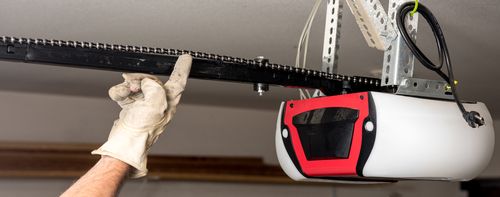
A garage door opener is essentially a motorized system that lifts and lowers the door using a combination of gears, a drive system, and sensors. When the motor is under excessive strain or used continuously without rest, it generates heat. Normally, this heat dissipates naturally through ventilation in the motor housing. However, certain factors can cause it to build up beyond safe levels, triggering thermal protection mechanisms or permanent damage if ignored.
Common causes of garage door opener overheating
Understanding what leads to overheating is the first step in preventing it. Here are the most common causes:
- Overuse or frequent cycling: Repeatedly opening and closing the garage door without breaks can overwork the motor.
- Obstructions or heavy doors: If the door is misaligned, off track, or heavier than normal due to debris, the motor must work harder, generating excess heat.
- Poor ventilation: Garages with poor airflow trap heat, especially in Florida's humid climate, making the opener more prone to overheating.
- Worn-out components: Frayed cables, rusty rollers, or old springs increase resistance, forcing the motor to strain.
- Electrical problems: Faulty wiring or power surges can cause the motor to draw too much current, producing heat quickly.
- Age and wear: Older openers often lose efficiency and are more likely to overheat than newer, well-maintained models.
Signs your garage door opener may be overheating
It's important to recognize early warning signs before permanent damage occurs. Here are symptoms that your opener might be overheating:
- The opener suddenly stops mid-cycle and won't operate for several minutes.
- You notice a burning smell or unusual warmth coming from the motor housing.
- The opener makes grinding, humming, or strained noises during operation.
- The door moves slower than usual or struggles to open fully.
- The opener's lights flicker or the circuit breaker trips frequently.
If any of these signs appear, immediately unplug the opener and allow it to cool down. Continuous use in this condition can permanently damage internal components.
How to prevent your garage door opener from overheating
1. Schedule regular maintenance
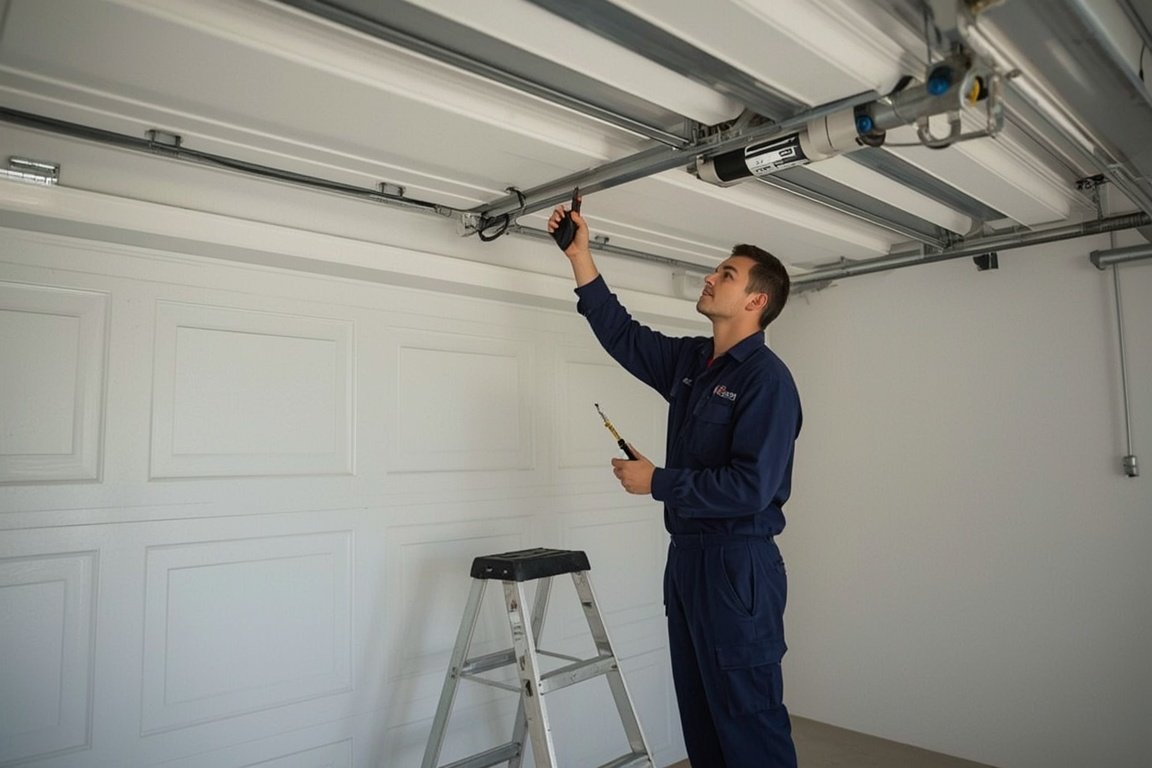
Routine maintenance is the most effective way to prevent overheating. Have your garage door system inspected and serviced at least once a year by a professional. Technicians can lubricate moving parts, tighten loose hardware, and check spring tension to reduce strain on the motor. A well-balanced door requires less effort to move, meaning the opener runs cooler and lasts longer.
2. Avoid continuous operation
Garage door openers are not designed for constant or repeated use over short periods. Most systems are rated for 8 to 10 cycles per hour. If you open and close the door repeatedly—for example, while moving items in or out of the garage—allow several minutes between cycles. This rest period lets the motor cool down and prevents thermal overload.
3. Keep the garage cool and ventilated
Temperature plays a huge role in how well your opener handles heat. Garages can trap warmth, especially during hot Florida summers. Improve ventilation by installing exhaust vents, ceiling fans, or a portable fan directed at the opener unit. If your garage has insulation, make sure it doesn't block airflow around the motor housing. Keeping ambient temperatures lower will reduce the risk of overheating.
4. Lubricate moving parts regularly
Friction from dry rollers, tracks, and hinges forces the motor to work harder, creating excess heat. Apply a silicone-based or lithium garage door lubricant every six months. Avoid general-purpose oils like WD-40—they can attract dirt and gum up components. Focus lubrication on rollers, hinges, the chain or screw drive, and the torsion spring (if accessible). Smooth movement equals less stress on the motor.
5. Check door balance and alignment
A poorly balanced or misaligned door is one of the biggest contributors to overheating. To test balance, disconnect the opener and manually lift the door halfway. If it doesn't stay in place, the springs may need adjustment. A door that's too heavy or lopsided causes the opener to pull extra weight, generating more heat with every cycle. Always hire a professional to adjust springs safely.
6. Clean the motor housing and surrounding area
Dust buildup can insulate heat inside the motor and block ventilation openings. Once every few months, gently clean the opener housing using a soft, dry cloth. Make sure nothing is stored too close to the unit—leave several inches of clearance around all sides. If your opener includes air vents or grilles, ensure they remain unobstructed to allow proper cooling airflow.
7. Inspect the electrical connections
Loose or damaged electrical wires can increase resistance and heat production. Check that the opener's plug fits securely into a grounded outlet. Avoid using extension cords or power strips—they can limit current and cause overheating. If the circuit breaker trips frequently, have an electrician inspect the wiring for issues. Stable power flow keeps your motor cool and consistent.
8. Upgrade to a modern, energy-efficient opener
If your opener is over 10 years old, upgrading to a new model can greatly reduce the risk of overheating. Modern openers use DC motors that run cooler, quieter, and more efficiently than older AC motors. Many also feature built-in thermal protection systems that automatically shut down the unit when it detects excess heat. This safety feature prevents damage and improves lifespan.
9. Avoid overloading the door with insulation or attachments
Some homeowners add insulation panels, hooks, or decorative hardware to their garage doors without realizing this increases the weight. Even small additions can add extra strain on the opener. Before modifying your door, check the weight limit recommended by the manufacturer. If necessary, have the opener's lifting force recalibrated to handle the new load safely.
10. Install surge protectors and safety sensors
Power surges can cause short circuits and overheating in garage door openers. Use a high-quality surge protector specifically rated for motorized equipment. Additionally, ensure your opener's safety sensors are clean and properly aligned. Faulty sensors can cause the door to cycle unnecessarily, which increases motor activity and heat.
Extra tips for long-term protection
- Perform a monthly test run to listen for unusual noises or motor strain.
- Replace worn belts, chains, or gears promptly to reduce friction.
- Unplug the opener during extended vacations or heatwaves.
- Keep a thermometer in the garage to monitor temperature extremes.
- Have a professional service technician inspect the thermal protection system annually.
Final thoughts
Garage door opener overheating is a preventable issue that often stems from overuse, friction, or poor ventilation. By following a consistent maintenance routine and paying attention to early warning signs, you can extend your opener's lifespan and ensure smooth, safe operation. Keep the garage cool, lubricate components regularly, and avoid unnecessary cycling during high temperatures. If your opener repeatedly shuts down or emits a burning smell, it's time to call a professional. At GarageFL, our technicians specialize in diagnosing and repairing opener issues before they become costly problems. A few simple precautions today will keep your garage door system efficient, reliable, and protected for years to come.
Skip the YouTube rabbit hole — we'll have a tech at your door same day across Broward, Dade and Palm Beach.