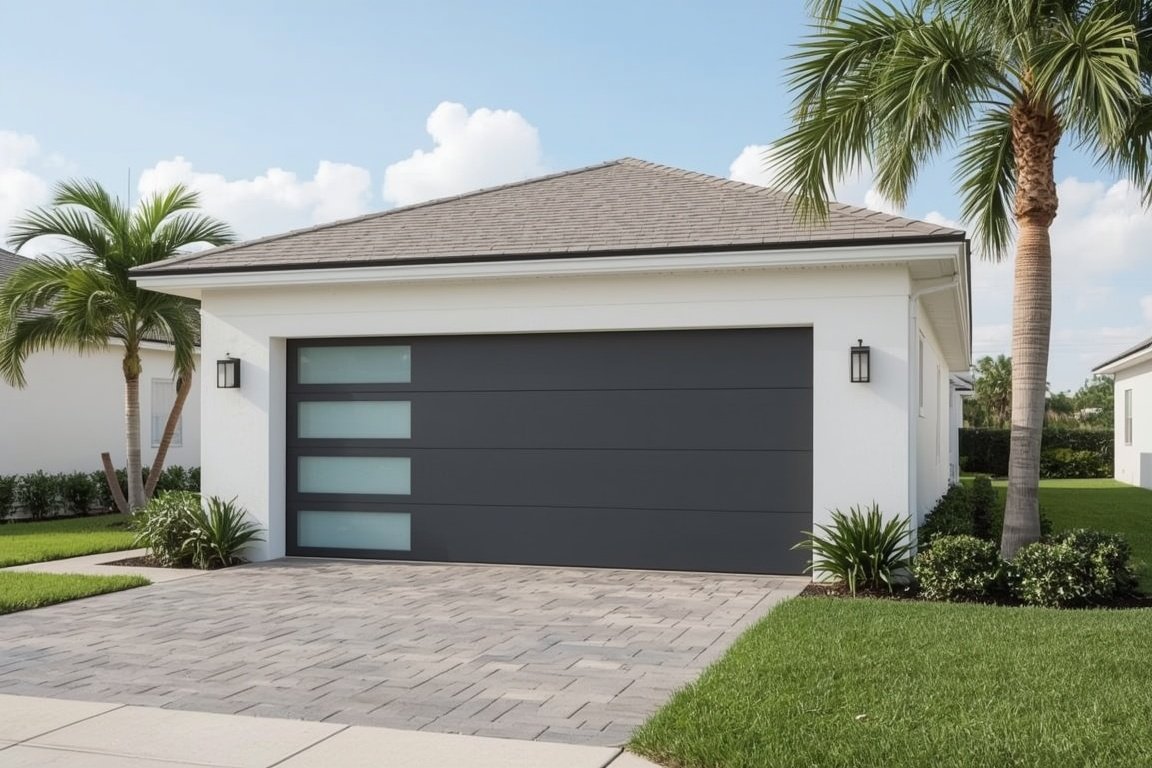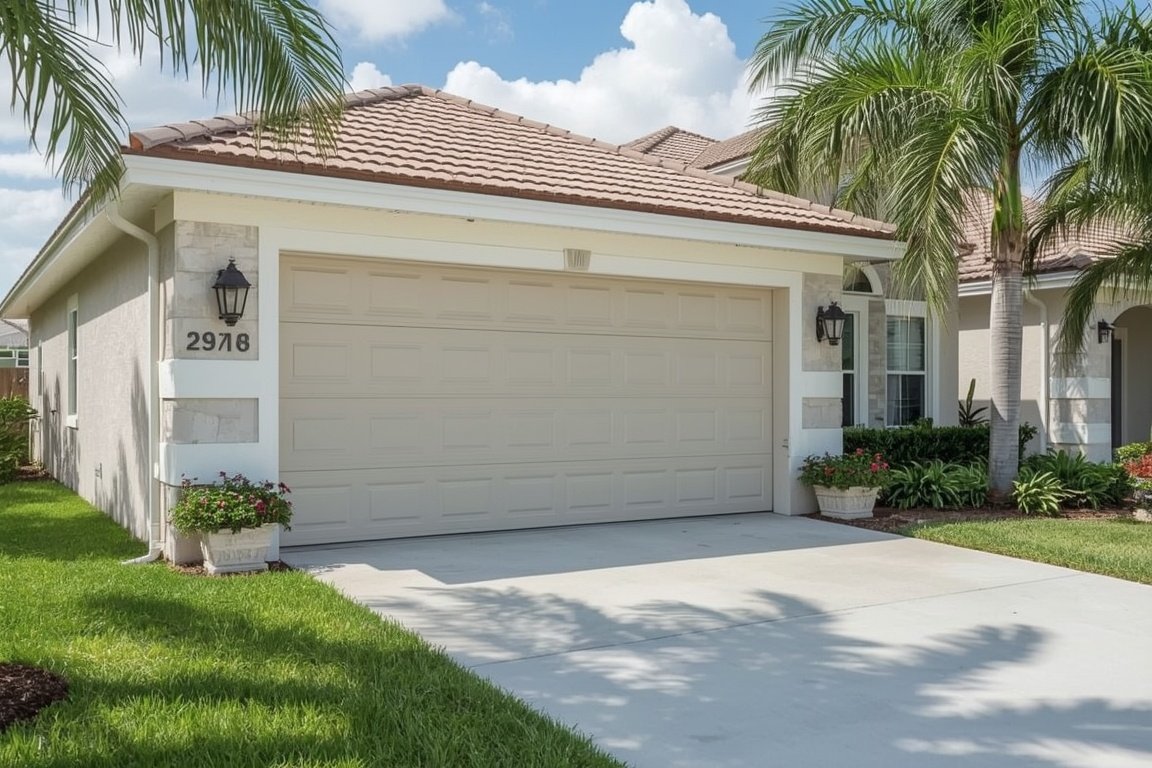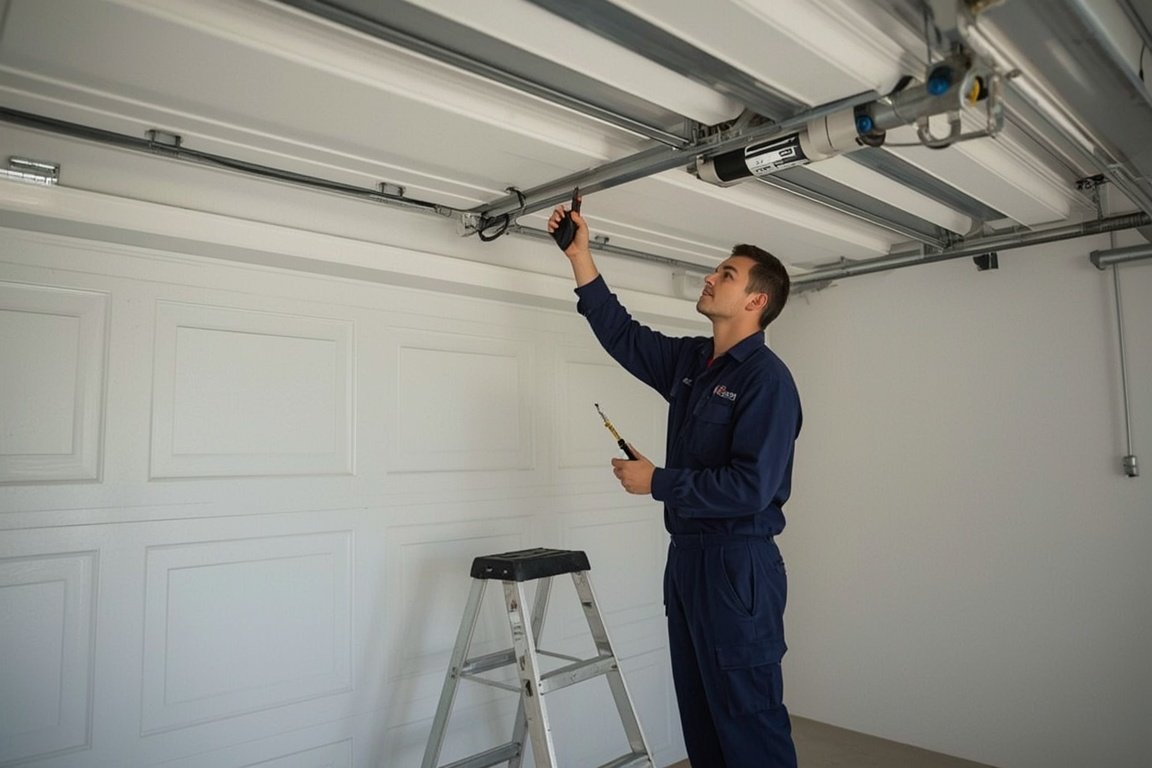
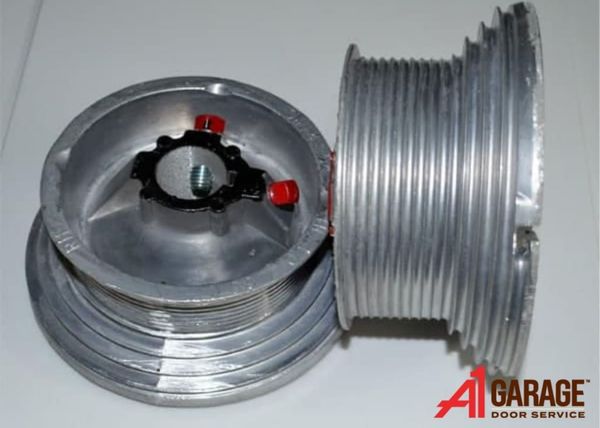
Garage doors are a crucial part of your home's exterior, providing security and enhancing curb appeal. However, they are often exposed to harsh weather conditions, making them susceptible to rust and corrosion over time. Understanding how to prevent garage door rust and corrosion is essential for maintaining the longevity and functionality of your garage door. At GarageFL, we specialize in expert garage door repair, installation, and maintenance across South Florida. Our trusted, licensed, and insured team is dedicated to helping you keep your garage door in top condition. In this guide, we'll explore effective strategies to protect your garage door from rust and corrosion, ensuring it remains a reliable and attractive feature of your home. Whether you're dealing with a steel, aluminum, or wooden garage door, these tips will help you safeguard your investment. For fast and professional service, call GarageFL today!
Understanding the Causes of Rust and Corrosion
Rust and corrosion are common issues that can significantly affect the longevity and functionality of garage doors. Understanding the underlying causes of these problems is crucial for effective prevention and maintenance. Rust is a type of corrosion that specifically affects iron and its alloys, such as steel, which is commonly used in garage doors. Corrosion, in a broader sense, refers to the gradual destruction of materials, usually metals, through chemical reactions with their environment. The primary cause of rust is the reaction of iron with oxygen in the presence of moisture, forming iron oxide, commonly known as rust. This process is accelerated by environmental factors such as humidity, salt, and pollutants.
One of the most significant contributors to rust and corrosion in garage doors is exposure to moisture. Whether from rain, snow, or high humidity, moisture can penetrate the protective coatings of metal surfaces, initiating the rusting process. This is particularly problematic in coastal areas where salt in the air can exacerbate corrosion. Salt acts as an electrolyte, which increases the conductivity of water and accelerates the electrochemical reactions that lead to rust. Therefore, garage doors in these regions are more susceptible to rust and require more frequent maintenance and protective measures.
Another factor that contributes to rust and corrosion is the quality of the materials used in the construction of the garage door. Lower-quality metals or inadequate protective coatings can make a garage door more vulnerable to environmental damage. High-quality steel doors often come with protective layers such as galvanization, which involves coating the steel with a layer of zinc to prevent rust. However, over time, these protective layers can wear down, especially if the door is not regularly maintained. Regular inspections and maintenance can help identify early signs of wear and tear, allowing for timely repairs or replacements.
The design and installation of the garage door also play a role in its susceptibility to rust and corrosion. Poorly designed doors with inadequate drainage can trap water, leading to increased moisture exposure. Similarly, improper installation can result in gaps or misalignments that allow water to seep into vulnerable areas. Ensuring that your garage door is properly installed and designed to facilitate water runoff can significantly reduce the risk of rust and corrosion. For those considering a new installation, opting for a new garage door installation with corrosion-resistant materials and design features is a wise investment.
Regular maintenance is essential in preventing rust and corrosion. This includes cleaning the garage door to remove dirt, salt, and other corrosive substances that may accumulate over time. Applying a protective wax or sealant can also provide an additional barrier against moisture. It's important to address any scratches or damages to the protective coating promptly, as these can serve as entry points for moisture and accelerate the rusting process. For those experiencing issues with their garage doors, professional garage door repair services can provide expert solutions to prevent further damage.
In addition to environmental factors and material quality, mechanical wear and tear can also contribute to rust and corrosion. Moving parts such as hinges, springs, and rollers are particularly vulnerable as they are subject to friction and stress. Regular lubrication of these components can help reduce friction and protect against rust. It's also important to ensure that the garage door is balanced and aligned correctly, as misalignment can cause uneven wear and increase the risk of corrosion. For those in need of professional assistance, a garage door tune-up can help maintain the optimal condition of your door and prevent rust-related issues.
In summary, understanding the causes of rust and corrosion is essential for effective prevention and maintenance of garage doors. Environmental factors such as moisture and salt, material quality, design and installation, and mechanical wear all play a role in the development of rust. By addressing these factors through regular maintenance, protective measures, and professional services, homeowners can significantly extend the lifespan of their garage doors and maintain their functionality. As the adage goes, "An ounce of prevention is worth a pound of cure," and this is particularly true when it comes to protecting your garage door from rust and corrosion. For more information on maintaining your garage door, consider visiting reputable sources or consulting with professionals in the field.
Here are some references and examples that further illustrate the importance of understanding and preventing rust and corrosion:
- According to the National Association of Corrosion Engineers, corrosion costs the U.S. economy over $276 billion annually, highlighting the importance of preventive measures.
- The American Galvanizers Association provides detailed information on the benefits of galvanization in preventing rust and corrosion.
- For those living in coastal areas, the U.S. Environmental Protection Agency offers guidelines on protecting metal structures from salt-induced corrosion.
For more detailed guidance, you can explore external resources such as the about page of our website, where we offer insights into our expertise and services.
Choosing the Right Materials for Your Garage Door
When it comes to preventing rust and corrosion on your garage door, selecting the right materials is a crucial step. The material you choose not only affects the durability and longevity of your garage door but also its resistance to environmental factors that contribute to rust and corrosion. Steel, aluminum, wood, and fiberglass are among the most common materials used for garage doors, each offering distinct advantages and disadvantages.
Steel is a popular choice due to its strength and affordability. It is highly durable and can withstand significant wear and tear. However, steel is prone to rust if not properly treated. To combat this, many steel garage doors come with a galvanized coating or are painted with a protective finish to enhance their resistance to rust. Regular maintenance, such as applying a fresh coat of paint or a rust-inhibiting primer, can further extend the life of a steel garage door. For those interested in professional maintenance services, consider exploring garage door tune-up options.
Aluminum is another excellent choice, especially for those living in coastal areas where humidity and salt can accelerate corrosion. Aluminum is naturally resistant to rust, making it a low-maintenance option. It is also lightweight, which reduces the strain on the garage door opener and other components. However, aluminum can be more susceptible to dents and may not provide the same level of insulation as other materials. For those looking to enhance their garage door's functionality, a smart garage door opener installation can be a valuable addition.
Wood offers a classic and aesthetically pleasing look, making it a popular choice for homeowners seeking a traditional appearance. While wood is not prone to rust, it can suffer from rot and warping if not properly maintained. Regular sealing and staining are necessary to protect wooden garage doors from moisture and UV damage. Despite the maintenance requirements, wood provides excellent insulation and can be customized to fit various architectural styles. For those interested in custom solutions, custom garage doors can be tailored to meet specific design preferences.
Fiberglass is a versatile material that combines the benefits of both aluminum and wood. It is resistant to rust and corrosion and can mimic the appearance of wood without the associated maintenance. Fiberglass is lightweight and can withstand harsh weather conditions, making it a durable option. However, it can become brittle over time, especially in extremely cold climates. Regular inspections and maintenance can help identify any potential issues early on, ensuring the longevity of your fiberglass garage door.
In conclusion, choosing the right material for your garage door is essential in preventing rust and corrosion. Each material offers unique benefits and challenges, so it is important to consider your specific needs, climate, and maintenance capabilities when making a decision. Whether you opt for the strength of steel, the rust resistance of aluminum, the classic appeal of wood, or the versatility of fiberglass, proper care and maintenance will ensure your garage door remains functional and visually appealing for years to come. For more information or assistance with your garage door needs, feel free to contact a professional service provider.
Regular Maintenance and Inspection Tips
Regular maintenance and inspection are crucial in preventing garage door rust and corrosion, ensuring the longevity and optimal performance of your garage door system. By incorporating a routine maintenance schedule, you can identify potential issues early and address them before they escalate into costly repairs. Start by visually inspecting your garage door at least once a month. Look for signs of rust, especially around the edges, hinges, and other metal components. If you notice any rust spots, clean them immediately using a wire brush and apply a rust-inhibiting primer followed by a fresh coat of paint to protect the metal surfaces. Regular lubrication of moving parts such as rollers, hinges, and tracks is essential. Use a high-quality silicone-based lubricant to prevent moisture accumulation, which can lead to rust. Pay special attention to the springs and cables, as these are critical components that can be affected by corrosion. If you notice any fraying or damage, it might be time for a garage door spring repair.
In addition to visual inspections, listen for unusual noises during the operation of your garage door. Squeaking or grinding sounds can indicate that parts are not moving smoothly and may require lubrication or adjustment. Regularly test the balance of your garage door by disconnecting the opener and manually lifting the door halfway. If it does not stay in place, the door may be out of balance, which can strain the opener and other components, leading to premature wear and potential corrosion. In such cases, consider scheduling a professional garage door tune-up to ensure everything is functioning correctly.
Weather seals play a vital role in protecting your garage door from the elements. Check the bottom seal and the weather stripping along the sides of the door for any signs of wear or damage. Replacing worn-out weather seals can prevent water and moisture from entering the garage, reducing the risk of rust and corrosion. If you live in an area prone to harsh weather conditions, consider installing an insulated garage door to provide additional protection against temperature fluctuations and moisture.
Finally, ensure that your garage door opener is functioning correctly. A malfunctioning opener can cause the door to operate unevenly, leading to increased wear and potential rust formation. Regularly check the opener's settings and replace the batteries in remote controls and keypads as needed. If your opener shows signs of malfunction, it may be time for a garage door opener repair to prevent further issues. By following these maintenance and inspection tips, you can significantly reduce the risk of rust and corrosion, ensuring your garage door remains in excellent condition for years to come.
The Importance of Proper Ventilation
Proper ventilation is a crucial aspect of maintaining a garage environment that is not only comfortable but also protective against the elements that contribute to rust and corrosion, particularly on garage doors. When a garage is poorly ventilated, it can trap moisture, leading to an increase in humidity levels. This trapped moisture is a primary catalyst for rust and corrosion, especially in metal components such as garage doors, hinges, and tracks. By ensuring adequate ventilation, you can significantly reduce the risk of these issues, thereby extending the lifespan of your garage door and its components.
Ventilation helps in maintaining a stable temperature and humidity level inside the garage. When the air circulates properly, it prevents the buildup of moisture that can settle on metal surfaces, leading to oxidation and rust. This is particularly important in regions with high humidity or frequent rainfall, where garages are more susceptible to moisture-related damage. Installing vents or exhaust fans can facilitate the movement of air, reducing the likelihood of condensation forming on your garage door. Additionally, proper ventilation can help in dissipating any chemical fumes from vehicles or stored items, which can also contribute to the corrosion of metal surfaces.
Moreover, a well-ventilated garage can improve the overall air quality, making it a healthier space for you and your family. This is especially beneficial if you use your garage as a workshop or for other activities that require you to spend extended periods inside. By reducing the presence of moisture and harmful fumes, you create a safer environment that is less prone to the damaging effects of rust and corrosion. Regular maintenance, such as a garage door tune-up, can also help identify any ventilation issues early on, allowing you to address them before they lead to more significant problems.
In addition to preventing rust and corrosion, proper ventilation can contribute to the energy efficiency of your home. By allowing hot air to escape during the summer and preventing cold air from becoming trapped in the winter, ventilation can help maintain a more consistent temperature in your garage. This can reduce the strain on your home's heating and cooling systems, potentially lowering energy bills. If you are considering upgrading your garage door, you might want to explore options like insulated garage doors, which can further enhance energy efficiency while providing additional protection against rust and corrosion.
In conclusion, proper ventilation is an essential factor in preventing garage door rust and corrosion. By ensuring that your garage has adequate airflow, you can protect your investment, improve air quality, and enhance the overall functionality of your garage space. Regular inspections and maintenance, such as a safety inspection for garage doors, can help you maintain optimal ventilation and address any issues that may arise, ensuring your garage door remains in excellent condition for years to come.
Applying Protective Coatings and Sealants
To effectively prevent garage door rust and corrosion, applying protective coatings and sealants is a crucial step. These coatings act as a barrier, shielding the metal surfaces of your garage door from moisture, salt, and other corrosive elements. The process begins with selecting the right type of coating or sealant, which depends on the material of your garage door. For instance, steel doors benefit from a zinc-based primer followed by a topcoat of high-quality exterior paint. This combination not only enhances the door's appearance but also provides a robust layer of protection against rust. Aluminum doors, on the other hand, require a different approach, often involving a clear coat that preserves their natural finish while offering protection.
Before applying any coating, it is essential to thoroughly clean the garage door. Dirt, grime, and old paint can prevent the new coating from adhering properly. Use a mild detergent and water to wash the door, and ensure it is completely dry before proceeding. Sanding the surface lightly can also help the coating adhere better, especially if there are any rough spots or previous rust patches. Once the surface is prepared, apply the primer evenly, allowing it to dry completely before adding the topcoat. This step is crucial as the primer acts as the first line of defense against moisture.
Sealants play a vital role in protecting the moving parts of the garage door, such as hinges, springs, and rollers. These components are often overlooked but are susceptible to rust and corrosion, which can lead to operational issues. Applying a silicone-based lubricant to these parts can significantly reduce friction and prevent moisture from causing rust. Regular maintenance, including reapplication of the lubricant, ensures that the door operates smoothly and extends its lifespan.
For those living in coastal areas where salt air is a significant concern, investing in specialized coatings designed to withstand harsh environments is advisable. These coatings are formulated to provide extra protection against salt-induced corrosion, which is a common issue in such regions. Additionally, installing a weather seal at the bottom of the garage door can prevent water and debris from entering, further reducing the risk of rust.
Incorporating these protective measures not only preserves the functionality and appearance of your garage door but also adds value to your home. Regular inspections and maintenance are key to identifying any early signs of rust or wear, allowing for timely intervention. If you notice any issues beyond your expertise, consider seeking professional assistance. Our garage door repair services are designed to address such concerns efficiently. For more information on maintaining your garage door, visit our FAQ page or contact us for personalized advice. By taking proactive steps in applying protective coatings and sealants, you can ensure your garage door remains in excellent condition for years to come.
Cleaning Techniques to Prevent Rust
To effectively prevent rust and corrosion on your garage door, implementing proper cleaning techniques is essential. Regular cleaning not only enhances the aesthetic appeal of your garage door but also significantly extends its lifespan by protecting it from the elements. Begin by gathering the necessary cleaning supplies, which include a mild detergent, a soft cloth or sponge, a bucket of warm water, and a hose. Avoid using harsh chemicals or abrasive tools, as these can damage the door's surface and exacerbate rust issues. Start by rinsing the garage door with a hose to remove loose dirt and debris. This initial rinse is crucial as it prevents scratching the surface during the cleaning process. Next, mix a small amount of mild detergent with warm water in a bucket. Dip the soft cloth or sponge into the soapy water and gently scrub the door, focusing on areas where dirt and grime tend to accumulate. Pay special attention to the bottom section of the door, as it is more prone to collecting dirt and moisture. After scrubbing, thoroughly rinse the door with clean water to remove any soap residue. It's important to dry the door completely with a clean, dry cloth to prevent water spots and moisture buildup, which can lead to rust. For additional protection, consider applying a coat of wax or a silicone-based lubricant to the door's surface. This creates a barrier against moisture and environmental contaminants, further reducing the risk of rust. Regular maintenance, such as a bi-annual garage door tune-up, can also help identify and address potential rust issues before they become significant problems. If you notice any signs of rust during your cleaning routine, it's crucial to address them promptly. Light rust can often be removed with a mixture of baking soda and water applied with a soft brush. For more severe rust, you may need to consult a professional for garage door repair services. Keeping your garage door clean and well-maintained not only prevents rust but also ensures its smooth operation and longevity. If you have any questions or need further assistance, feel free to contact us for expert advice and support.
Addressing Water Leakage and Moisture Issues
Water leakage and moisture are significant contributors to garage door rust and corrosion. Addressing these issues is crucial to maintaining the longevity and functionality of your garage door. Moisture can seep into your garage through various entry points, including gaps around the door, cracks in the walls or floor, and even through the roof. This moisture can lead to rust on metal components, weakening the structural integrity of your garage door over time. To prevent this, it is essential to ensure that your garage is well-sealed and that any potential sources of water ingress are addressed promptly.
Start by inspecting the weather seals around your garage door. These seals are designed to keep out water, dust, and debris, but they can wear out over time. Replacing worn or damaged weather seals is a simple yet effective way to prevent water from entering your garage. Consider a garage door weather seal replacement to ensure a tight seal against the elements. Additionally, check for any cracks or gaps in the garage walls and floor. These should be sealed with appropriate materials to prevent water from seeping in.
Proper ventilation is another key factor in controlling moisture levels within your garage. Good airflow helps to reduce humidity, which in turn minimizes the risk of rust and corrosion. Installing vents or using a dehumidifier can be effective solutions for maintaining optimal humidity levels. If your garage is prone to flooding or standing water, consider installing a sump pump to remove excess water quickly.
Regular maintenance and inspections are also vital in identifying and addressing moisture issues before they lead to significant damage. During a garage door tune-up, professionals can check for signs of rust and corrosion, as well as assess the condition of seals and other components. This proactive approach can save you from costly repairs in the future.
In conclusion, addressing water leakage and moisture issues is a critical step in preventing garage door rust and corrosion. By ensuring your garage is well-sealed, ventilated, and regularly maintained, you can protect your investment and extend the life of your garage door. If you need assistance with maintenance or repairs, do not hesitate to contact a professional service for expert advice and support.
Seasonal Care and Maintenance Routines
To effectively prevent garage door rust and corrosion, implementing seasonal care and maintenance routines is essential. Each season presents unique challenges that can affect the condition of your garage door, and addressing these proactively can significantly extend its lifespan. In the spring, as temperatures rise and humidity increases, it's crucial to inspect your garage door for any signs of rust or corrosion that may have developed over the winter months. Begin by thoroughly cleaning the door with a mild detergent and water to remove any accumulated dirt and debris. Pay special attention to the bottom of the door and the tracks, as these areas are particularly susceptible to moisture accumulation. After cleaning, apply a high-quality lubricant to all moving parts, including hinges, rollers, and springs, to ensure smooth operation and prevent rust. Consider scheduling a professional garage door tune-up to address any potential issues before they escalate.
During the summer, the intense heat and increased humidity can exacerbate rust and corrosion. To combat this, regularly inspect the weather stripping and seals around your garage door. Replace any damaged or worn-out seals to prevent moisture from seeping in. Additionally, ensure that your garage is well-ventilated to reduce humidity levels. If you live in an area prone to hurricanes or severe storms, consider investing in a hurricane garage door for added protection against the elements. Fall is an ideal time to prepare your garage door for the colder months ahead. Clean the door thoroughly and apply a fresh coat of protective wax to create a barrier against moisture. Inspect the door's hardware, including bolts and screws, and tighten any that may have loosened over time. This is also a good time to check the door's balance and alignment, as an unbalanced door can lead to uneven wear and increased susceptibility to rust.
As winter approaches, the cold temperatures and potential for snow and ice can pose significant challenges to maintaining a rust-free garage door. Regularly remove snow and ice buildup from around the door to prevent moisture from seeping into the metal components. Consider installing an insulated garage door to help regulate temperature and reduce condensation inside the garage. Additionally, continue to lubricate moving parts to ensure they function smoothly despite the cold. By following these seasonal care and maintenance routines, you can effectively prevent rust and corrosion, ensuring your garage door remains in optimal condition year-round.
Repairing Minor Rust Spots Early
Addressing minor rust spots on your garage door as soon as they appear is crucial in preventing further damage and maintaining the door's functionality and aesthetic appeal. Rust is not just an eyesore; it can compromise the structural integrity of your garage door over time. When you notice small rust spots, it's essential to act quickly to prevent them from spreading. Begin by cleaning the affected area with a mild detergent and water to remove any dirt or debris. Once clean, gently sand the rust spots with fine-grit sandpaper until you reach the bare metal. This step is vital to ensure that all rust is removed and the surface is smooth. After sanding, wipe the area with a clean, damp cloth to eliminate any dust particles. Next, apply a rust-inhibiting primer to the sanded spots. This primer acts as a protective barrier, preventing moisture from reaching the metal surface and causing further rust. Once the primer is dry, paint over the area with a high-quality exterior paint that matches your garage door's color. This not only restores the door's appearance but also adds an additional layer of protection against the elements. Regular maintenance and inspections can help you catch these minor issues early. Consider scheduling a garage door tune-up to ensure all components are in good condition. If you're unsure about handling rust repairs yourself, or if the damage is extensive, it's wise to consult a professional. You can reach out to a garage door repair service for expert assistance. They can provide a thorough inspection and recommend the best course of action to prevent future corrosion. Additionally, if your garage door is older and frequently experiencing rust issues, it might be time to consider a new garage door installation to enhance your home's curb appeal and security. By addressing minor rust spots early, you can extend the life of your garage door and avoid costly repairs or replacements down the line. Regular maintenance and prompt attention to small issues are key strategies in preventing garage door rust and corrosion.
The Role of Weatherstripping in Rust Prevention
Weatherstripping plays a crucial role in preventing rust and corrosion on garage doors by acting as a protective barrier against the elements. This simple yet effective solution is designed to seal the gaps around your garage door, preventing moisture, dirt, and debris from entering your garage. Moisture is one of the primary culprits of rust formation, and by keeping it at bay, weatherstripping helps maintain the integrity of your garage door. When moisture seeps into the metal components of your garage door, it can lead to oxidation, which eventually causes rust. Over time, this rust can weaken the structural integrity of the door, leading to costly repairs or even the need for a complete new garage door installation. By installing high-quality weatherstripping, you create a first line of defense against these issues, ensuring that your garage door remains in optimal condition for years to come.
Moreover, weatherstripping enhances energy efficiency by preventing drafts, which can lead to temperature fluctuations inside your garage. This is particularly important if your garage is attached to your home, as it can impact the overall energy efficiency of your living space. By maintaining a stable temperature, you not only protect your garage door from rust but also reduce energy costs. Additionally, weatherstripping can help reduce noise, providing a quieter environment both inside and outside the garage. If you notice that your weatherstripping is worn out or damaged, it is essential to replace it promptly to continue enjoying these benefits. Regular maintenance and timely replacement of weatherstripping can significantly extend the lifespan of your garage door. For those in need of professional assistance, services such as garage door weather seal replacement are available to ensure that your weatherstripping is installed correctly and functions effectively. By prioritizing weatherstripping, you take a proactive step in rust prevention, safeguarding your investment and enhancing the durability of your garage door.
Using Rust Inhibitors and Treatments
Rust and corrosion are common issues that can significantly affect the longevity and functionality of your garage door. To effectively prevent these problems, using rust inhibitors and treatments is essential. Rust inhibitors are specially formulated products designed to protect metal surfaces from the damaging effects of moisture and oxygen, which are the primary culprits behind rust formation. These inhibitors create a protective barrier on the metal surface, preventing the chemical reactions that lead to rust. When selecting a rust inhibitor, consider the specific needs of your garage door, such as the material it is made from and the environmental conditions it is exposed to. For instance, if you live in a coastal area with high humidity and salt in the air, you might need a more robust inhibitor that can withstand these harsh conditions.
Applying rust inhibitors is a straightforward process. First, ensure that the garage door is clean and dry. Remove any existing rust using a wire brush or sandpaper, then wipe the surface with a damp cloth to remove any dust or debris. Once the surface is prepared, apply the rust inhibitor according to the manufacturer's instructions. This might involve spraying, brushing, or wiping the product onto the metal. Regular application is key to maintaining the protective barrier, so consider reapplying the inhibitor every few months or as recommended by the product guidelines.
In addition to rust inhibitors, there are other treatments available that can help prevent rust and corrosion. For example, galvanization is a process that involves coating the metal with a layer of zinc, which acts as a sacrificial anode and prevents rust from forming on the underlying metal. This is a more permanent solution but may require professional assistance to apply. Another option is using a rust converter, which chemically transforms existing rust into a stable compound that can be painted over. This is particularly useful if your garage door already has some rust spots that need to be addressed.
Regular maintenance and inspections are also crucial in preventing rust and corrosion. By scheduling routine garage door tune-ups, you can catch early signs of rust and address them before they become a significant problem. During these tune-ups, a professional can apply rust inhibitors, check for any signs of wear and tear, and ensure that all components are functioning correctly. If you notice any issues, such as unusual noises or difficulty in opening and closing the door, it might be time to consider a garage door repair to prevent further damage.
In summary, using rust inhibitors and treatments is a proactive approach to maintaining the integrity and appearance of your garage door. By selecting the right products and applying them regularly, you can significantly extend the life of your garage door and avoid costly repairs in the future. Regular maintenance, including professional inspections and tune-ups, will further enhance the effectiveness of these treatments and ensure that your garage door remains in optimal condition.
How to Handle Severe Rust Damage
Dealing with severe rust damage on your garage door can be a daunting task, but with the right approach, it is possible to restore your door to its former glory and prevent further deterioration. Rust not only affects the aesthetic appeal of your garage door but can also compromise its structural integrity, leading to costly repairs or even replacement. The first step in handling severe rust damage is to assess the extent of the corrosion. This involves a thorough inspection of the entire door, paying close attention to areas where rust is most likely to occur, such as the bottom panels, hinges, and any metal components exposed to moisture. Once you have identified the affected areas, the next step is to remove the rust. This can be done using a wire brush or sandpaper to scrub away the rusted spots. For more stubborn rust, a rust remover or converter can be applied to dissolve the corrosion. After removing the rust, it is crucial to clean the surface thoroughly to remove any residue or debris. This ensures that the surface is ready for the next step, which is applying a rust-inhibiting primer. The primer acts as a protective barrier, preventing moisture from reaching the metal and causing further rust. Once the primer is dry, a high-quality exterior paint should be applied to provide an additional layer of protection and enhance the appearance of your garage door. Regular maintenance is key to preventing future rust damage. This includes periodic inspections, cleaning, and applying a fresh coat of paint or sealant as needed. Additionally, consider installing a weather seal to protect the bottom of the door from water exposure. If the rust damage is beyond repair, it may be time to consider a new garage door installation. For professional assistance, you can reach out to a garage door repair service to evaluate the condition of your door and recommend the best course of action. They can also provide regular garage door tune-ups to ensure your door remains in optimal condition. By taking these steps, you can effectively manage severe rust damage and extend the lifespan of your garage door.
Professional Maintenance Services: When to Call an Expert
Maintaining a garage door in optimal condition is crucial for ensuring its longevity and functionality. While regular maintenance can prevent many issues, there are times when calling a professional is the best course of action. Knowing when to call an expert can save you time, money, and prevent potential safety hazards. One of the primary reasons to seek professional maintenance services is when you notice signs of rust and corrosion that are beyond basic cleaning and lubrication. Rust can compromise the structural integrity of your garage door, leading to more significant problems if not addressed promptly. Professionals have the expertise to assess the extent of the damage and provide the necessary repairs or replacements. For example, if your garage door springs are affected by rust, it is crucial to have them inspected by a professional, as they are under high tension and can be dangerous to handle without proper training. You can learn more about broken spring repair and how experts can help.
Another scenario where professional intervention is necessary is when you experience issues with the garage door opener. A malfunctioning opener can be a sign of underlying problems that require expert attention. Whether it's due to electrical issues, worn-out components, or rust affecting the motor, a professional can diagnose and fix the problem efficiently. If you're considering an upgrade, you might explore options like smart garage door opener installation for enhanced convenience and security.
Additionally, if your garage door is making unusual noises, it might be time to call in the experts. Strange sounds can indicate problems with the rollers, hinges, or other moving parts, often caused by rust or lack of lubrication. Professionals can perform a comprehensive garage door tune-up, ensuring all components are in good working order and addressing any rust-related issues. Regular professional maintenance not only helps in preventing rust and corrosion but also extends the lifespan of your garage door, ensuring it operates smoothly and safely for years to come.
Long-term Strategies for Rust Prevention
Preventing rust and corrosion on your garage door is essential for maintaining its functionality and aesthetic appeal over the long term. Implementing effective long-term strategies can significantly extend the lifespan of your garage door, ensuring it remains in optimal condition for years to come. One of the most effective strategies is to invest in regular maintenance and inspections. Scheduling a garage door tune-up can help identify potential issues before they escalate into major problems. During these tune-ups, professionals can apply protective coatings or lubricants to metal parts, which act as a barrier against moisture and rust. Additionally, consider installing a garage door weather seal to prevent water and debris from entering your garage, which can contribute to rust formation. Another long-term strategy is to choose materials that are inherently resistant to rust and corrosion when installing a new garage door. Opt for doors made from aluminum, fiberglass, or stainless steel, as these materials are less prone to rust compared to traditional steel doors. If you are considering a new installation, explore options like insulated garage doors, which not only offer rust resistance but also improve energy efficiency. Regular cleaning is another crucial aspect of rust prevention. Wash your garage door with mild soap and water every few months to remove dirt, salt, and other corrosive substances. After cleaning, ensure the door is thoroughly dried to prevent moisture accumulation. For those living in coastal areas where salt air is a concern, more frequent cleaning may be necessary. Finally, consider upgrading to a smart garage door system that allows for remote monitoring and alerts you to any issues, such as moisture buildup, that could lead to rust. By integrating these long-term strategies, you can effectively prevent rust and corrosion, ensuring your garage door remains a reliable and attractive part of your home.
Certainly! Here's a sample FAQ section for a blog post on "How to Prevent Garage Door Rust and Corrosion":
Frequently Asked Questions
1. Why is my garage door prone to rust and corrosion?
Garage doors are often exposed to various environmental factors such as moisture, humidity, and salt, especially if you live near the coast. These elements can lead to rust and corrosion over time, particularly if the door is made of metal.
2. What are the signs of rust and corrosion on a garage door?
Common signs include discoloration, flaking, bubbling paint, and visible rust spots. You might also notice that the door is not operating as smoothly as it should, which can be a result of rust affecting the moving parts.
3. How can I prevent rust on my garage door?
To prevent rust, regularly clean your garage door with mild soap and water to remove dirt and debris. Apply a protective wax or sealant to create a barrier against moisture. Additionally, ensure that the door's paint is in good condition, as paint acts as a protective layer.
4. How often should I inspect my garage door for rust?
It's a good practice to inspect your garage door at least twice a year. Look for any signs of rust or wear and address them promptly to prevent further damage.
5. What should I do if I find rust on my garage door?
If you find rust, remove it using a wire brush or sandpaper. After removing the rust, clean the area thoroughly and apply a rust-inhibiting primer followed by a fresh coat of paint. This will help protect the door from future rusting.
6. Are there specific products recommended for preventing rust on garage doors?
Yes, there are several rust-inhibiting primers and protective waxes available on the market. Look for products specifically designed for metal surfaces and outdoor use. These products can provide an extra layer of protection against moisture and corrosion.
7. Can weather stripping help in preventing rust?
Yes, weather stripping can help by sealing gaps and preventing moisture from entering the garage. This reduces the overall humidity inside the garage, which can contribute to rust formation.
8. Is professional maintenance necessary for preventing rust?
While regular DIY maintenance can be effective, professional maintenance can provide a more thorough inspection and treatment. Professionals can identify potential issues that you might overlook and apply industrial-grade products for better protection.
9. How does ventilation affect rust prevention?
Proper ventilation helps reduce humidity levels inside the garage, which can significantly decrease the likelihood of rust and corrosion. Ensure your garage is well-ventilated, especially if you live in a humid climate.
10. Can I use household products to prevent rust on my garage door?
Yes, some household products like vinegar can be used to clean rust spots. However, for long-term prevention, it's best to use products specifically designed for rust prevention on metal surfaces.
This FAQ section addresses common concerns and provides practical solutions for preventing rust and corrosion on garage doors.
Skip the YouTube rabbit hole — we'll have a tech at your door same day across Broward, Dade and Palm Beach.