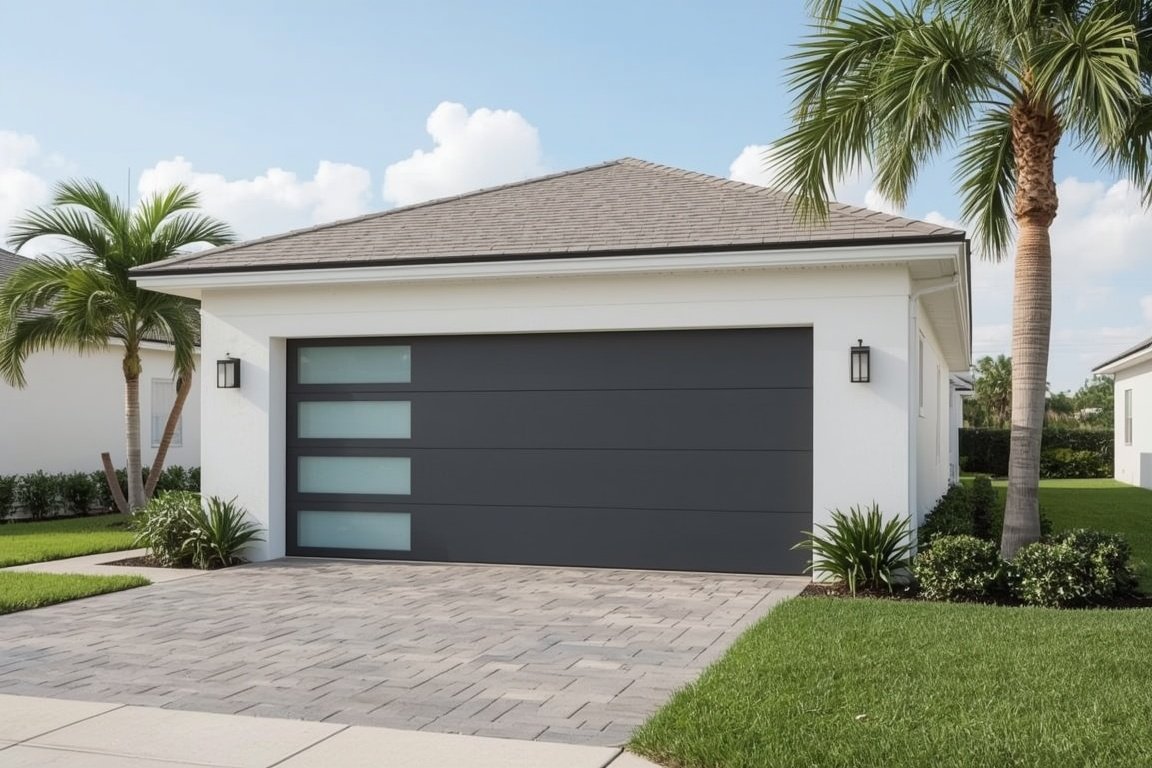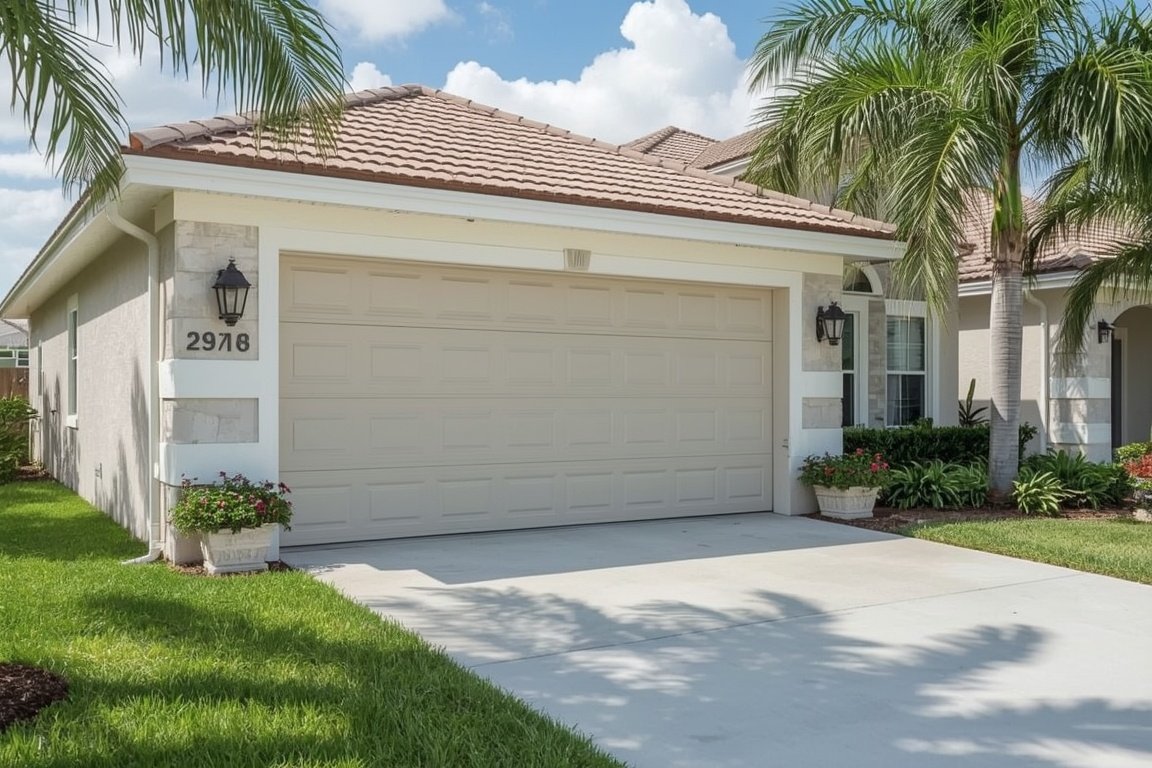
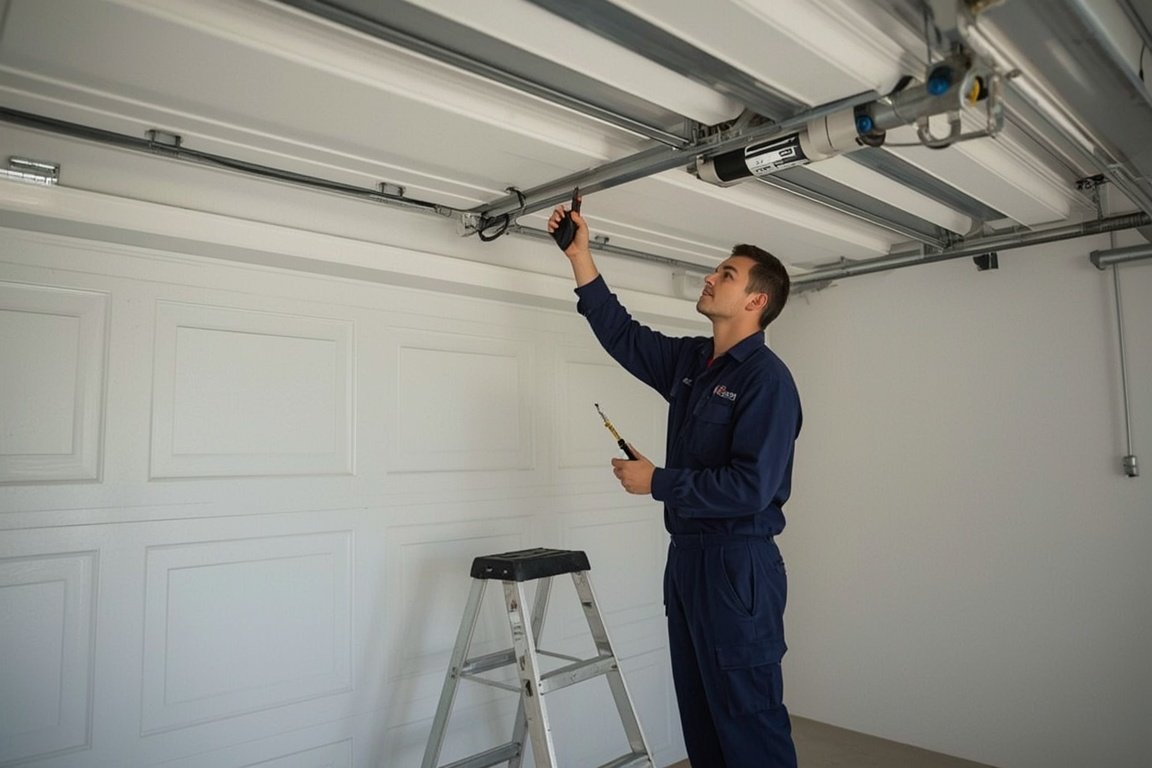
Garage doors are an essential part of every home, providing security, convenience, and curb appeal. However, when a garage door starts to squeak, it can be more than just an annoyance. Squeaky doors are often a warning sign that certain components need maintenance, lubrication, or repair. Ignoring the noise can lead to accelerated wear, costly repairs, or even unsafe operation. In South Florida, where garages are used frequently and exposed to humidity, heat, and coastal air, squeaky garage doors are a common problem that homeowners should address promptly.
This guide provides detailed insights into squeaky garage door repair, including the causes of noise, common problem areas, maintenance tips, professional repair advice, safety precautions, and long-term solutions. Implementing these strategies will ensure that your garage door operates quietly, smoothly, and safely for years to come.
Understanding the Causes of a Squeaky Garage Door
Squeaking is typically caused by friction between moving parts or components that have become dry, worn, or misaligned. Common causes include:
1. Lack of Lubrication: Garage doors have several moving parts, including rollers, hinges, springs, and tracks, all of which require regular lubrication. Dry or inadequate lubrication causes metal parts to grind against each other, producing squeaking noises.
2. Worn Rollers: Rollers are essential for smooth door movement. Metal rollers or worn-out nylon rollers can create squeaks as they move along the tracks.
3. Loose Hardware: Over time, bolts, screws, and brackets may loosen due to vibrations. Loose hardware allows parts to shift slightly, creating friction and squeaks.
4. Misaligned Tracks: Tracks guide the garage door during opening and closing. If the tracks are bent, misaligned, or clogged with debris, the rollers may scrape the sides, producing noise.
5. Dry or Rusted Springs: Torsion and extension springs are under extreme tension. If they are dry, rusty, or worn, they can produce squeaks when the door moves.
6. Environmental Factors: High humidity, salty air in coastal areas, or extreme temperatures can accelerate rust, corrosion, and component wear, making squeaking more likely.
Identifying the Source of the Noise
Before attempting repairs, it is important to identify the exact source of the squeak. Common areas to inspect include:
1. Rollers: Check if the rollers are smooth, round, and free of cracks. Metal rollers often require lubrication, while worn nylon rollers may need replacement.
2. Hinges: Inspect the hinges connecting door panels. Dry or rusty hinges are frequent causes of squeaks.
3. Springs: Examine torsion or extension springs for rust, gaps, or worn spots. Springs under tension should only be serviced by professionals.
4. Tracks: Look for debris, dents, or misalignment. Even minor imperfections in the track can cause the door to squeak during operation.
5. Hardware: Check all bolts, screws, and brackets. Tightening loose hardware often eliminates noise immediately.
DIY Squeaky Garage Door Maintenance Tips
Some squeaking issues can be addressed safely by homeowners through regular maintenance:
1. Lubrication: Apply garage door lubricant to rollers, hinges, springs (if accessible safely), and tracks. Use a silicone-based or lithium-based lubricant, which resists dust and moisture better than oil. Avoid using WD-40 for long-term lubrication, as it is primarily a solvent and not ideal for ongoing friction reduction.
2. Tighten Hardware: Inspect all bolts, screws, and brackets. Tighten any loose components to prevent movement that causes squeaking. Be careful not to overtighten, which can warp components.
3. Clean Tracks: Wipe tracks with a damp cloth to remove dirt, dust, and debris. Do not lubricate the inside of tracks, as lubricant can attract dirt, making roller movement worse.
4. Inspect Rollers: Check rollers for signs of wear. Smooth metal or nylon rollers that are intact can be lubricated; damaged rollers should be replaced promptly to prevent noise and further door wear.
5. Test Door Balance: Disconnect the opener and manually lift the door halfway. A balanced door should remain in place. Imbalance can indicate spring wear or hardware issues contributing to squeaks.
When to Call a Professional
While DIY maintenance can address minor issues, some situations require professional expertise:
1. Spring Issues: Torsion and extension springs are under extreme tension. Attempting to repair or replace them without proper tools and training is dangerous. Professionals ensure safe handling and correct installation.
2. Worn Rollers or Hinges: Professionals can replace damaged rollers and hinges quickly, ensuring smooth, quiet operation.
3. Misaligned Tracks: Track adjustments require specialized tools and experience to prevent further damage and ensure smooth door operation.
4. Opener Malfunctions: Squeaks may sometimes originate from the opener mechanism. Professionals can diagnose and repair motor issues, chain or belt tension, and sensor alignment.
5. Persistent Noise: If squeaks persist after lubrication and minor maintenance, it may indicate underlying mechanical issues that need expert assessment.
Safety Precautions
Garage doors are heavy and contain high-tension components. Safety is critical during any maintenance or repair:
1. Avoid DIY Spring Repairs: Springs store a significant amount of energy. Attempting to repair or replace them can cause serious injury or property damage.
2. Disconnect the Opener: Before performing maintenance, unplug the garage door opener to prevent accidental movement.
3. Use Proper Tools: Lubricate and tighten components using appropriate tools to avoid stripping bolts or damaging parts.
4. Keep Children and Pets Away: Ensure that the maintenance area is clear of children and pets to prevent accidents.
5. Follow Manufacturer Guidelines: Adhere to the garage door manufacturer's instructions for maintenance and repair to prevent voiding warranties.
Advanced Lubrication Techniques
For optimal results, homeowners can use advanced lubrication strategies:
1. Targeted Application: Apply lubricant directly to hinge pins, roller bearings, and spring coils to reduce friction effectively.
2. Wipe Excess Lubricant: After application, wipe off excess lubricant to prevent dirt accumulation.
3. Lubricate Multiple Times Per Year: Lubricate moving parts at least twice a year, or more often in humid or coastal environments.
4. Use Weather-Resistant Lubricants: Choose lubricants designed for high humidity and temperature variations, especially in South Florida.
Long-Term Solutions to Prevent Squeaks
Preventing squeaky garage doors requires a combination of maintenance, quality components, and professional support:
1. Replace Worn Rollers: Upgrading to nylon or sealed bearing rollers reduces noise and increases durability.
2. Upgrade Hardware: High-quality hinges, brackets, and bolts reduce vibration and squeaks.
3. Inspect and Replace Springs: Replace springs at the first sign of wear to maintain balance and reduce strain on other components.
4. Regular Professional Tune-Ups: Annual inspections by licensed technicians identify early issues and prevent noise and damage.
5. Climate Considerations: Use corrosion-resistant components in humid or coastal regions to reduce rust and squeaking.
Additional Tips for Smooth Garage Door Operation
1. Keep the tracks clean and free from debris. Even small obstructions can cause friction and squeaks.
2. Ensure the door panels are aligned properly to prevent binding and noise.
3. Avoid slamming the door, which can stress springs and hardware, leading to squeaks and long-term damage.
4. Maintain proper opener chain or belt tension to reduce noise and vibration.
5. Monitor for early warning signs like slow operation, uneven movement, or loud initial startup, which indicate potential future squeaks or component failures.
Benefits of Addressing Squeaky Doors Promptly
1. Prevents accelerated wear on springs, rollers, and hinges.
2. Reduces the risk of sudden component failure that could lead to safety hazards.
3. Enhances energy efficiency by ensuring smooth operation and proper sealing.
4. Maintains the aesthetic and resale value of the home by keeping doors quiet and functional.
5. Saves money in the long term by addressing small issues before they become major repairs.
Conclusion
Squeaky garage doors are more than just a minor annoyance—they are an early warning of potential maintenance or repair needs. Common causes include dry or worn rollers, hinges, springs, loose hardware, and misaligned tracks. By performing routine inspections, applying proper lubrication, tightening hardware, and addressing minor issues promptly, homeowners can keep their doors operating quietly and efficiently.
For high-tension components like springs, persistent noise, or complex mechanical issues, professional garage door repair services such as GarageFL provide safe, reliable, and long-lasting solutions. Licensed technicians ensure proper installation, alignment, and maintenance, preventing future squeaks and reducing the risk of damage or injury.
Combining regular DIY maintenance with periodic professional tune-ups offers the best approach to squeaky garage door prevention. Homeowners in South Florida and coastal areas can enjoy smooth, quiet, and reliable garage door operation while extending the life of their system and enhancing safety. Addressing squeaks promptly not only improves convenience but also protects your investment and ensures your garage remains a secure, functional, and aesthetically pleasing part of your home for years to come.
Skip the YouTube rabbit hole — we'll have a tech at your door same day across Broward, Dade and Palm Beach.