Your garage door is one of the most important parts of your home, offering security, protection for your vehicles, and convenience for daily life. Over time, however, garage doors can age, leading to wear and tear that affects their performance. Ignoring these issues can result in costly repairs, reduced safety, and inconvenience. Understanding how to identify problems with aging garage doors and knowing how to repair them can save time, money, and stress. This article provides a detailed guide on repairing aging garage doors and maintaining them for years of reliable service.
1. Understanding the Aging Process of Garage Doors
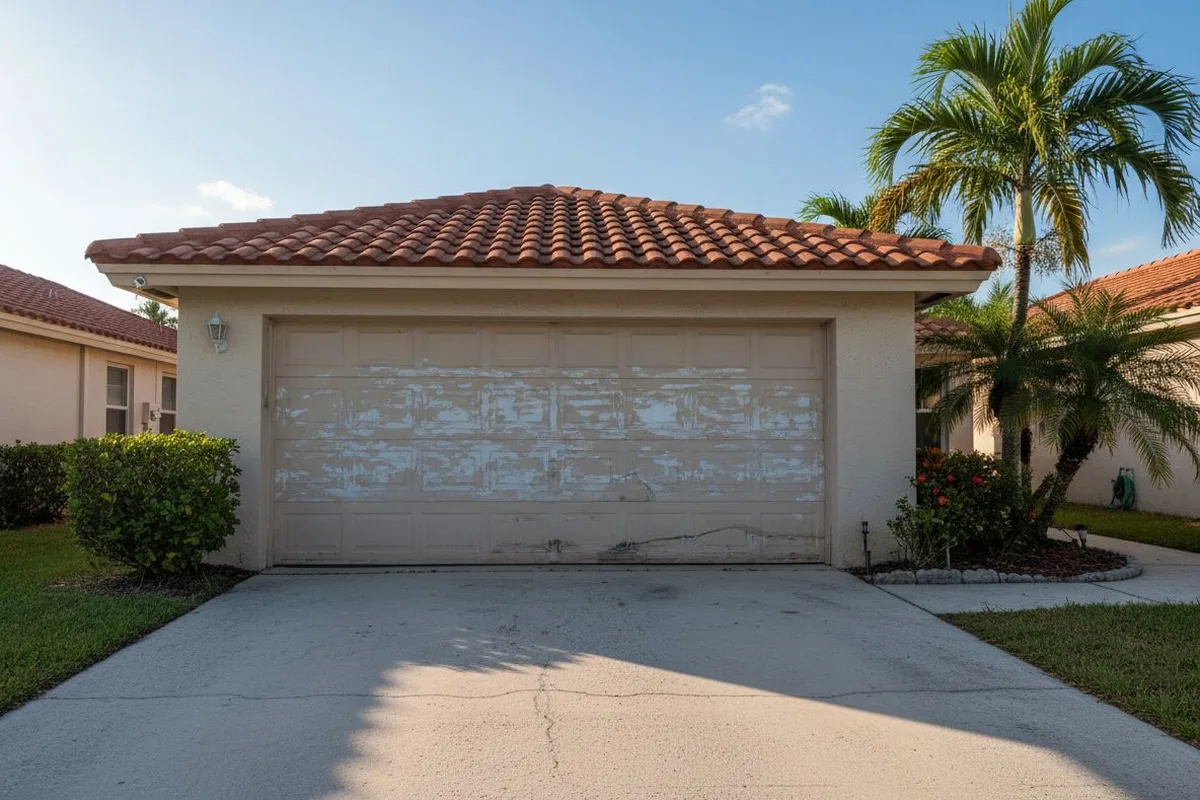
Garage doors are exposed to daily use, weather elements, and mechanical strain, which can contribute to their aging. Common signs of an aging garage door include:
- Excessive noise during operation
- Slow or uneven movement
- Visible dents, rust, or warping
- Worn or loose hardware
Materials such as wood, steel, or aluminum age differently. Wooden doors may warp or crack over time, steel doors may develop rust or corrosion, and aluminum doors can bend or dent easily. Understanding the material-specific aging process helps in identifying potential repairs and the best methods for maintenance.
2. Inspecting the Garage Door Thoroughly
The first step in repairing an aging garage door is a thorough inspection. Check every part of the door, including panels, tracks, rollers, hinges, and the opener system. Look for:
- Dents or cracks in the panels
- Rust or corrosion on metal components
- Loose screws, bolts, or brackets
- Worn rollers or hinges
- Frayed cables or broken springs
Inspecting the garage door carefully allows you to identify both minor issues that can be fixed immediately and major problems that require professional attention. Regular inspections can prevent small problems from becoming costly repairs.
3. Common Repairs for Aging Garage Doors
There are several common repairs needed for aging garage doors. Addressing these issues promptly ensures your door remains safe and functional.
Panel Repairs
Garage door panels can become dented, warped, or cracked over time. Minor dents can sometimes be removed using specialized tools, while more extensive damage may require panel replacement. Wood panels may need sanding and refinishing, whereas steel or aluminum panels can be repaired or replaced depending on the severity of damage.
Track and Roller Maintenance
Misaligned tracks or worn rollers are common problems with aging garage doors. Realigning tracks and replacing rollers improves smooth movement and reduces strain on the opener. Lubricating the tracks and rollers with a silicone-based lubricant prevents friction, wear, and noise.
Spring and Cable Replacement
Garage door springs and cables endure constant tension, which can weaken over time. Signs of wear include difficulty opening or closing the door, sagging, or loud snapping sounds. Repairing or replacing springs and cables should be done by a professional, as they are under high tension and can be dangerous if handled incorrectly.
Opener System Repairs
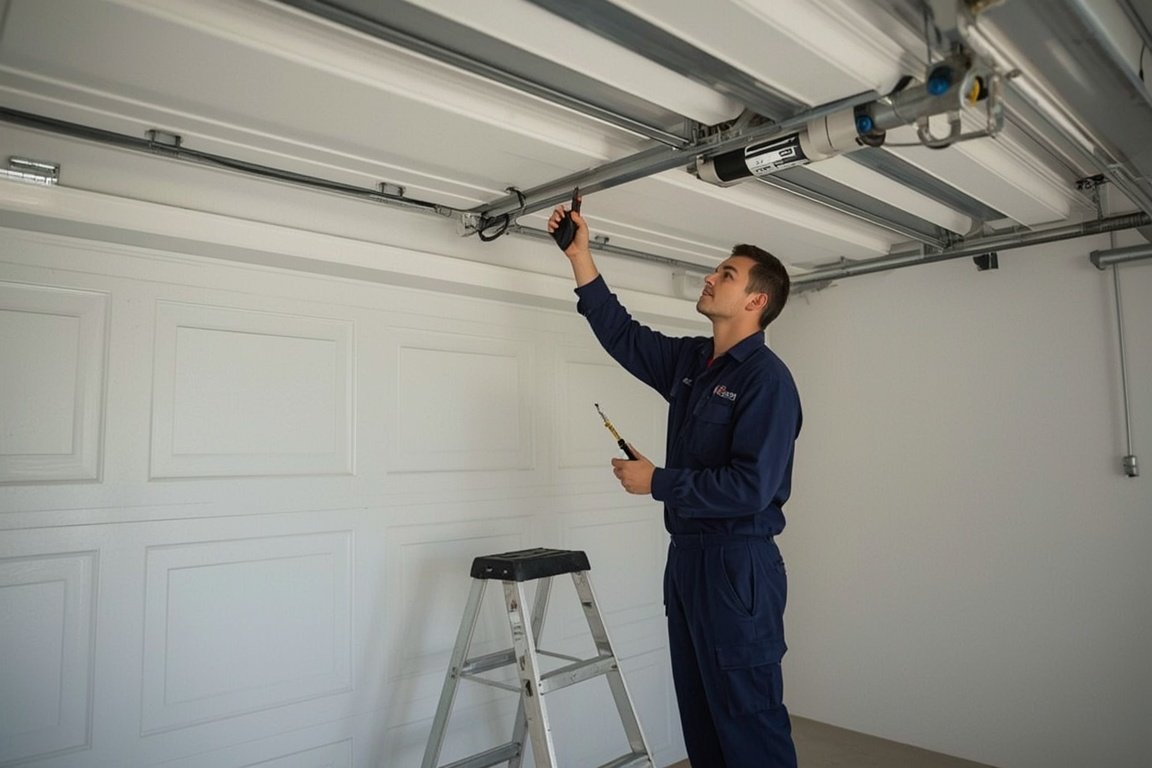
The garage door opener is a critical component for smooth and safe operation. Aging openers may experience slow performance, strange noises, or failure to respond to remotes. Repair options include replacing worn gears, sensors, or motors, or upgrading to a modern opener for better reliability and safety features.
4. Ensuring Safety During Repairs
Safety is a top priority when repairing an aging garage door. Doors are heavy and springs are under tension, making them potentially dangerous. Follow these safety tips:
- Disconnect the opener before starting any repair
- Use proper tools and wear protective gear
- Do not attempt spring replacement without professional help
- Keep children and pets away during repair work
Following safety protocols ensures that repairs are completed without accidents or injuries, protecting both you and your home.
5. Preventive Maintenance for Aging Garage Doors
Repairing aging garage doors is important, but preventive maintenance helps extend their lifespan and reduces the need for major repairs. Consider the following maintenance tips:
- Regularly inspect tracks, rollers, springs, and panels
- Lubricate moving parts at least twice a year
- Tighten loose bolts, screws, and brackets
- Check the weather seals to prevent water damage
- Test safety sensors and auto-reverse features
Preventive maintenance not only keeps the door functioning smoothly but also improves security and energy efficiency by ensuring a tight seal and smooth operation.
6. Knowing When to Repair vs. Replace
Sometimes, an aging garage door may require more than repairs. Here are signs it may be time to consider replacement:
- Repeated repairs in a short period
- Extensive rust or corrosion
- Cracked or warped panels beyond repair
- Springs or cables failing frequently
- Outdated opener technology
Investing in a new garage door can provide enhanced safety, improved insulation, modern design, and reduced maintenance costs compared to continuously repairing an old, worn-out door.
7. Choosing a Professional for Repairs
While minor repairs can be done at home, many issues with aging garage doors require professional expertise. Hiring a certified garage door technician ensures that:
- Springs and cables are handled safely
- Tracks and rollers are properly aligned
- Openers are repaired or replaced efficiently
- Repairs comply with safety standards
Professionals also provide warranties for their work, giving homeowners peace of mind that the repair will last and that the door will operate safely for years to come.
8. Cost Considerations for Repairing Aging Garage Doors
The cost of repairing an aging garage door varies depending on the type of damage, materials, and parts needed. Minor repairs like tightening bolts or lubricating rollers are inexpensive, while major repairs such as spring replacement, panel replacement, or opener repair can be more costly.
Preventive maintenance and timely minor repairs help avoid expensive emergency repairs. Homeowners should budget for routine maintenance and inspections to keep aging garage doors in good working condition.
9. Benefits of Repairing an Aging Garage Door
Repairing an aging garage door offers several benefits:
- Improved safety for your family and pets
- Enhanced security for your home and vehicles
- Reduced risk of sudden failures or accidents
- Extended lifespan of the garage door
- Better performance, quieter operation, and energy efficiency
Addressing aging garage door issues promptly ensures that your door continues to function reliably and safely for years to come.
10. Conclusion
Aging garage doors are a common part of home ownership, but they should not be ignored. Regular inspections, preventive maintenance, and timely repairs help maintain safety, security, and convenience. By understanding the common problems that occur with aging garage doors and knowing how to repair them effectively, homeowners can save money, reduce stress, and protect their property.
Whether it's repairing panels, realigning tracks, replacing springs and cables, or upgrading your opener, addressing aging garage door issues ensures a reliable and secure system. If you are unsure about the extent of the damage or the repairs needed, consult a professional garage door technician. Investing in repairs today can prevent costly replacements tomorrow and provide peace of mind knowing that your garage door remains functional, safe, and efficient.
Skip the YouTube rabbit hole - we'll have a tech at your door same day across Broward, Dade and Palm Beach.