An automatic garage door is one of the most convenient features a homeowner can have. With just a press of a button, you can open or close your garage without having to step outside. It provides comfort, safety, and security for your home and vehicles. However, like any other mechanical system, your automatic garage door requires regular maintenance to ensure it operates smoothly and lasts for years. Neglecting maintenance can lead to unexpected breakdowns, safety risks, and costly repairs.
In this guide, we'll walk you through everything you need to know about maintaining your automatic garage door - from regular inspections and cleaning to lubrication and professional servicing. By following these simple steps, you can keep your garage door functioning properly and extend its lifespan.
1. Why Regular Maintenance Matters
Many homeowners take their automatic garage doors for granted until something goes wrong. But the truth is, these doors have many moving parts - such as springs, rollers, cables, and openers - that work together to lift and lower the door. Over time, these parts can wear out or become misaligned.
Regular maintenance helps to:
- Prevent sudden breakdowns or costly repairs
- Ensure safety for your family and property
- Reduce noise during operation
- Extend the lifespan of the door and opener
- Keep the system energy-efficient and smooth
A few minutes of maintenance every few months can save you from expensive repairs and unwanted stress later on.
2. Inspect the Door and Its Components Regularly
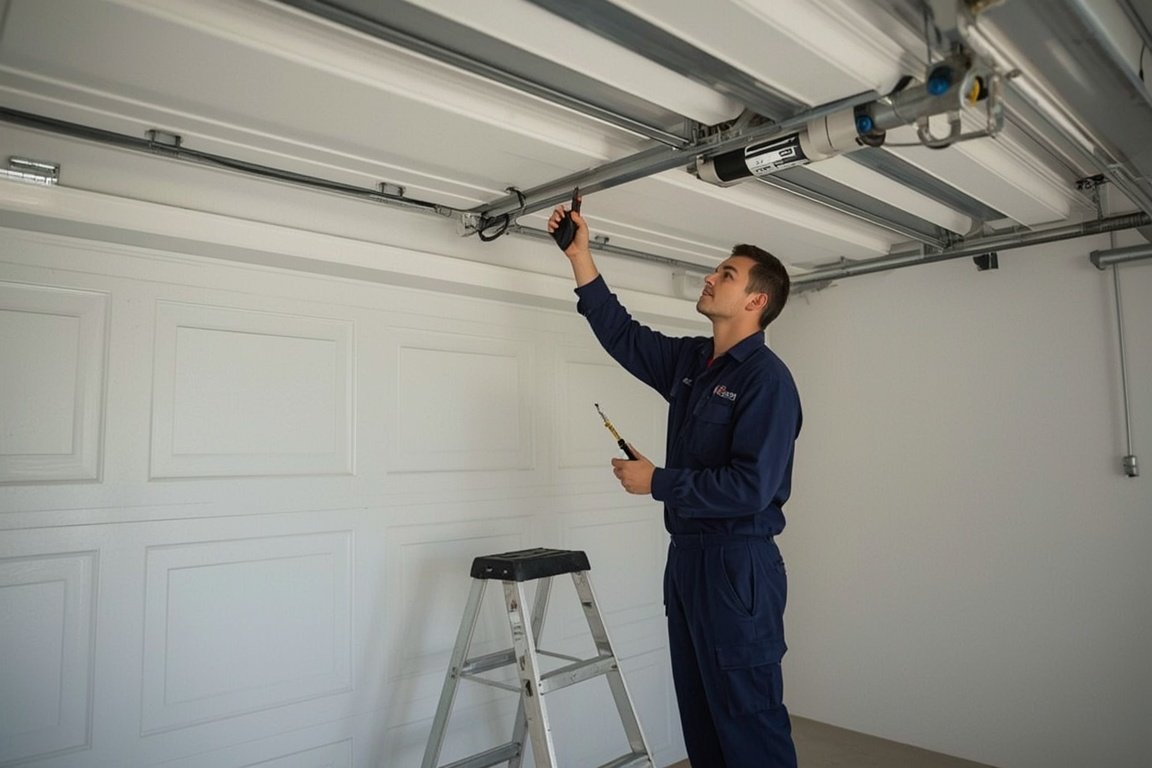
The first step in maintaining your automatic garage door is a visual inspection. Once every month, take a few minutes to look at all the major components of your door. Check the springs, rollers, tracks, cables, hinges, and opener system. Look for any signs of wear, rust, fraying, or loose hardware.
If you notice that the door moves unevenly or makes strange noises, that's a sign something might be wrong. A regular inspection allows you to catch small problems early before they turn into major repairs. For example, a slightly loose bolt or a misaligned track can be easily fixed before it causes more serious damage.
3. Clean the Tracks and Door Surface
Dirt, dust, and debris can accumulate in the tracks over time, affecting how smoothly your garage door operates. Use a damp cloth to wipe down the tracks, removing any buildup that could cause friction. Avoid using lubricants on the tracks themselves, as that can attract more dirt.
Also, clean the exterior of the door regularly. Depending on the material - whether it's steel, aluminum, or wood - use a mild detergent and water to keep it looking new. For steel doors, check for rust spots and treat them with a rust remover before repainting. Wooden doors may require periodic sanding, painting, or sealing to protect them from moisture and sunlight.
4. Lubricate the Moving Parts
One of the most important steps in maintaining an automatic garage door is lubrication. Over time, friction between moving parts can cause noise and wear. Applying the right lubricant helps reduce friction and keeps the door operating smoothly.
Use a silicone-based or lithium-based grease to lubricate the rollers, hinges, pulleys, and springs. Avoid using heavy oils or WD-40, as these can attract dust and cause buildup. Make sure to wipe off any excess lubricant to prevent dripping or dirt accumulation.
Lubricating your garage door every six months is a simple but effective way to extend its life and reduce unnecessary strain on the opener motor.
5. Test the Door's Balance and Alignment
An automatic garage door that's not properly balanced can put extra pressure on the opener and other parts. To test the balance, disconnect the opener by pulling the release handle and try to lift the door manually. If it feels heavy or doesn't stay halfway open, the springs may be worn or unbalanced.
Incorrect alignment can cause uneven wear on the tracks and rollers. If you notice that your door is tilting or rubbing against one side, you may need to adjust the tracks or call a professional technician for realignment. Keeping your door balanced ensures smoother operation and prevents damage to the motor.
6. Check the Auto-Reverse and Safety Sensors
Automatic garage doors are equipped with safety features like auto-reverse mechanisms and photoelectric sensors that detect obstacles in the door's path. These features are essential for preventing accidents and injuries.
To test the auto-reverse feature, place an object like a block of wood under the door. When you try to close it, the door should automatically reverse upon touching the object. If it doesn't, you may need to adjust the opener's settings or call a professional for servicing.
Clean the photo sensors regularly with a soft cloth, as dust or dirt can interfere with their operation. Make sure they are aligned properly and the indicator lights are functioning. These small checks can make a big difference in keeping your door safe and reliable.
7. Tighten Loose Bolts and Screws
Due to the constant movement and vibration of your automatic garage door, screws and bolts can gradually loosen over time. Inspect all hardware, including brackets, hinges, and mounting points, and tighten them with a wrench or screwdriver as needed.
Loose hardware can cause rattling noises and misalignment, which may affect the performance of your door. Keeping everything tight and secure will ensure a quieter, more efficient operation.
8. Examine the Weatherstripping
Weatherstripping around your garage door helps seal out dirt, water, and cold air. Over time, it can crack or wear out, leading to drafts and higher energy bills. Check the rubber seal at the bottom of the door and the side seals for any damage.
If the weatherstripping looks worn or brittle, replace it with new material. Most hardware stores sell pre-cut weather seals that are easy to install. Maintaining proper sealing helps protect your garage from moisture, pests, and temperature changes.
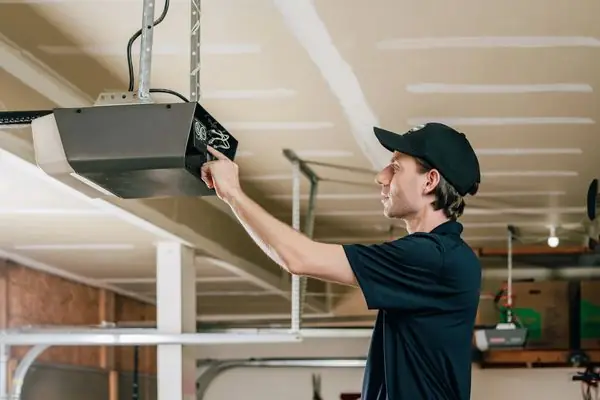
9. Test the Garage Door Opener System
Your automatic opener is the heart of the system, and it needs regular attention too. Check the remote controls and wall switch to ensure they are working properly. Replace batteries when needed and keep the remote clean.
Listen for unusual sounds when the opener runs - grinding, squealing, or jerky movements could indicate internal wear or motor issues. Also, check the chain or belt tension. It should not be too tight or too loose, as either condition can strain the system.
If your opener is old or lacks modern safety features, consider upgrading to a newer model with improved security, battery backup, and smart connectivity. This can make your system safer and more convenient.
10. Schedule Professional Maintenance
While regular DIY maintenance is important, it's also essential to schedule a professional inspection once a year. A trained technician can identify problems that might not be visible to the untrained eye - such as worn-out springs, frayed cables, or internal motor issues.
Professionals also have the right tools to handle high-tension parts like torsion springs, which can be dangerous for homeowners to repair on their own. Regular servicing ensures your automatic garage door stays in top shape and operates safely year-round.
11. Seasonal Maintenance Tips
Different seasons can affect your garage door in various ways. During winter, cold temperatures can make metal parts contract, causing stiffness. In summer, heat can affect lubrication and rubber seals. Here are a few seasonal tips:
- In winter: Lubricate moving parts and check seals for cracks.
- In summer: Clean tracks and check for expansion or bending due to heat.
- In rainy seasons: Ensure proper drainage around the door and keep the opener dry.
Adapting your maintenance routine to the seasons ensures your door remains reliable all year long.
12. Signs That Your Door Needs Repair or Replacement
Despite regular maintenance, there comes a time when repairs or replacements become necessary. Watch out for the following warning signs:
- Unusual grinding or squealing noises
- Door moves unevenly or jerks
- Delayed response from the opener
- Rust or visible damage on panels or springs
- Frequent breakdowns or need for repeated repairs
If your automatic garage door is more than 15 years old and showing multiple signs of wear, replacing it with a new model can save you money in the long run and improve your home's security and energy efficiency.
Conclusion
Maintaining your automatic garage door is not a complicated task, but it requires consistency. With simple steps like cleaning, lubricating, tightening bolts, testing safety features, and scheduling professional check-ups, you can keep your door operating smoothly and safely for years.
Remember, your garage door is one of the largest moving parts of your home, and regular care ensures it remains dependable and quiet. Whether you handle small maintenance tasks yourself or call a professional for an annual tune-up, a well-maintained automatic garage door will continue to add convenience, value, and safety to your home.
Skip the YouTube rabbit hole - we'll have a tech at your door same day across Broward, Dade and Palm Beach.