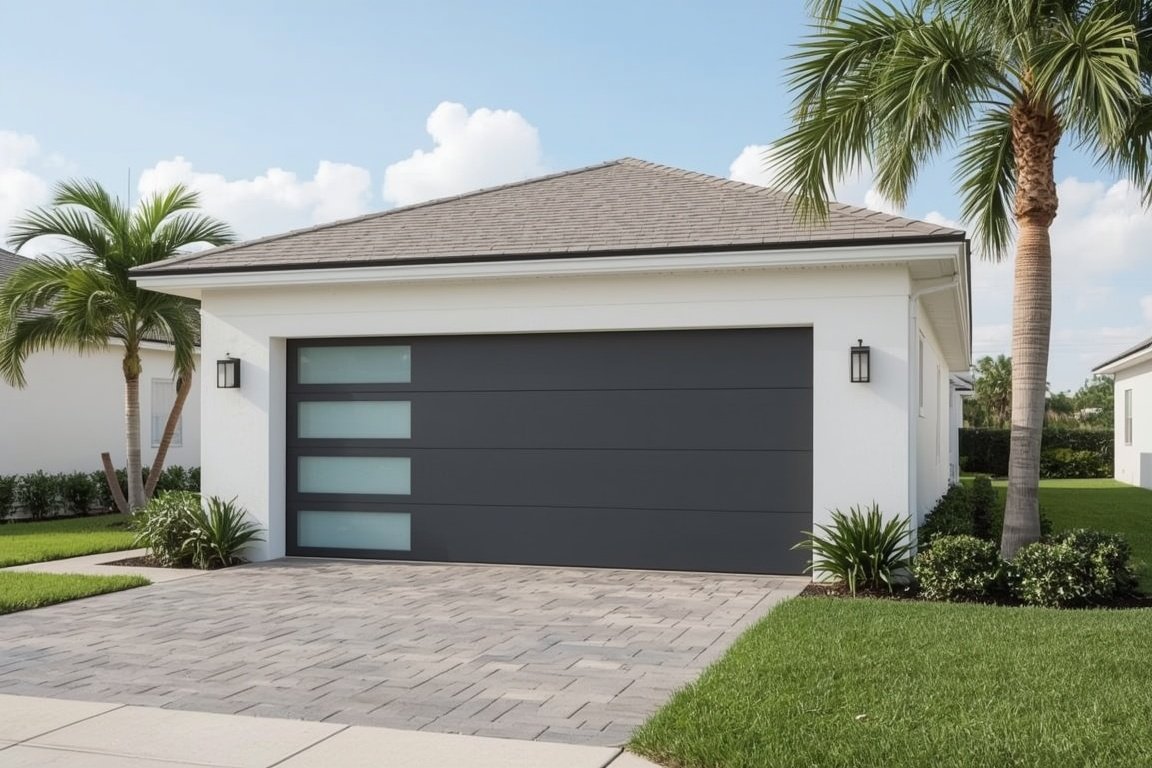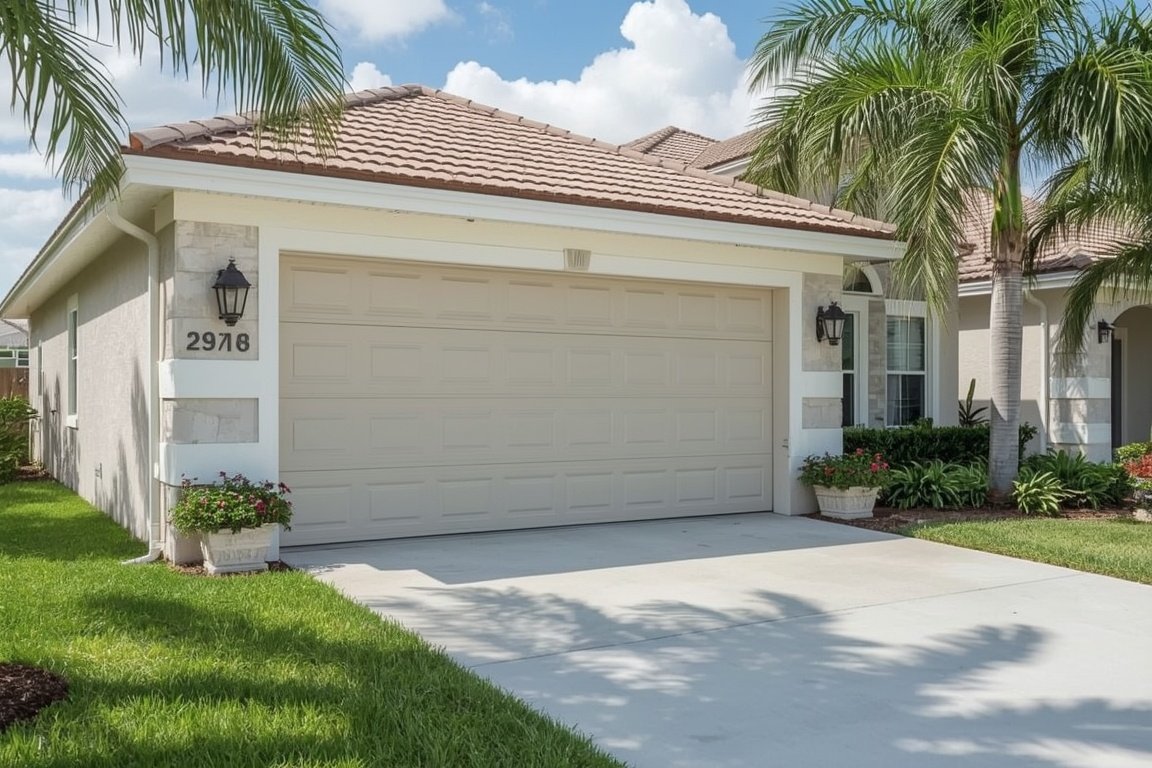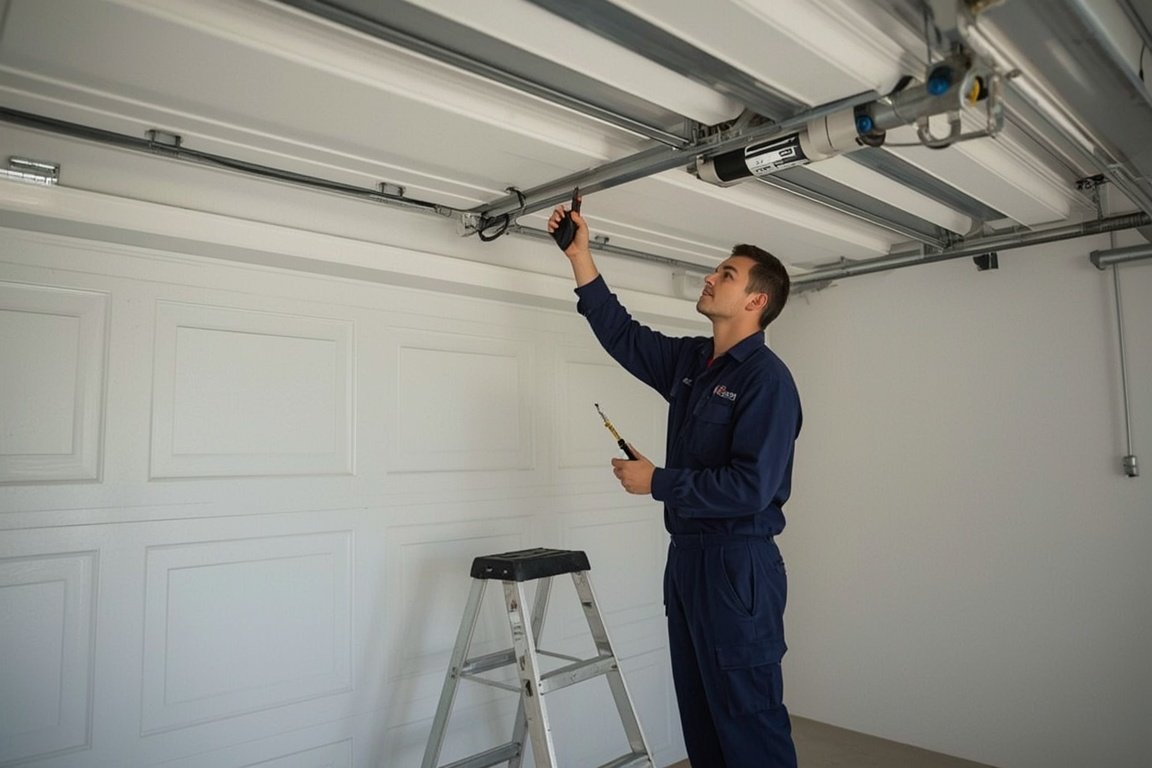
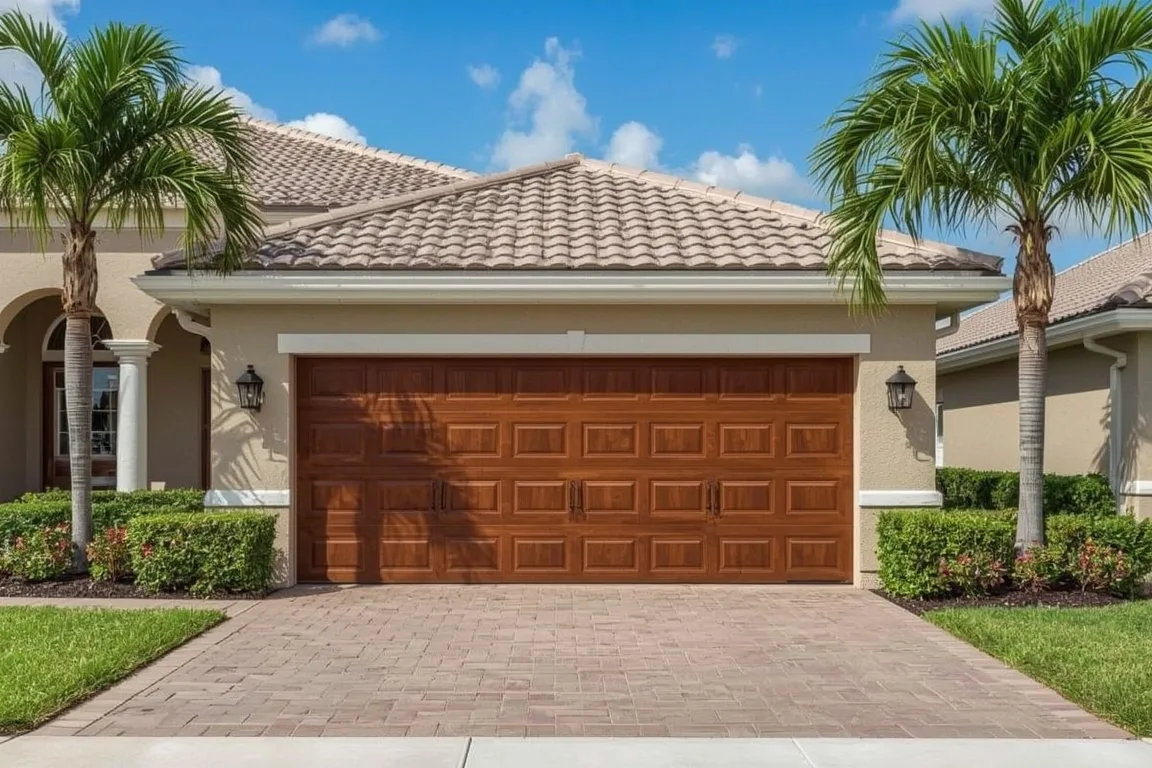
Living near the coast in South Florida comes with its perks - sunshine, ocean breezes, and beautiful views - but it also brings unique challenges, especially when it comes to protecting your home from the harsh effects of salt air. One of the most vulnerable parts of your property is your garage door. Choosing the best garage door materials for salt air protection is essential to ensure long-term durability, functionality, and curb appeal. At Garage Door Pros', we understand the specific needs of coastal homeowners. Since 2012, our mission has been to provide fast, affordable, and reliable garage door services across South Florida, helping residents safeguard their homes with high-quality solutions tailored to their environment.
Whether you're considering a new garage door installation or looking to upgrade to corrosion-resistant materials, selecting the right garage door for coastal climates can save you time, money, and stress in the long run. Materials like aluminum, fiberglass, and specially treated steel are popular choices for their resistance to rust and wear. As a trusted provider of garage door repair, opener replacement, and keyless entry systems, Garage Door Pros' is here to guide you through the best options for salt air protection. With over 450 five-star reviews and a commitment to personal, professional service, we're proud to be the go-to garage door company for homeowners in Miramar, Fort Lauderdale, Weston, and beyond. Let us help you make a smart investment in your home's safety and longevity - because at Garage Door Pros', "Our work is professional, Our service is personal!"
Top Garage Door Materials That Resist Corrosion in Coastal Areas
When living in coastal areas, homeowners face a unique set of challenges due to the high levels of humidity and salt in the air. These environmental factors can significantly accelerate the corrosion of metal components, especially those exposed to the elements - like garage doors. Choosing the right garage door material is essential not only for maintaining aesthetic appeal but also for ensuring long-term durability and functionality. Salt air can be particularly aggressive, leading to rust, discoloration, and structural degradation if the wrong materials are used. Fortunately, several garage door materials are specifically designed or naturally resistant to corrosion, making them ideal for coastal environments.
One of the most effective materials for resisting corrosion in salty air is aluminum. Aluminum garage doors are lightweight, rust-resistant, and require minimal maintenance. Unlike steel, aluminum does not oxidize in the same way, making it a preferred choice for coastal homeowners. According to the American Society of Civil Engineers, aluminum has a natural oxide layer that protects it from further corrosion, which is especially beneficial in salt-laden air. Additionally, aluminum doors can be anodized or powder-coated for extra protection and aesthetic versatility.
Another excellent option is fiberglass. Fiberglass garage doors are not only resistant to corrosion but also to moisture and UV rays. This material does not warp, crack, or rust, making it an ideal candidate for homes near the ocean. Fiberglass doors can also be designed to mimic the appearance of wood, offering a stylish look without the maintenance issues associated with real wood in humid environments. According to the U.S. Department of Energy, fiberglass is also a good insulator, which can help improve energy efficiency in your home.
Stainless steel is another robust material that performs well in coastal conditions. While standard steel can corrode quickly in salty air, stainless steel contains chromium, which forms a passive layer of chromium oxide that prevents rust. However, not all stainless steel is created equal. For coastal applications, it's recommended to use marine-grade stainless steel, such as 316 stainless steel, which contains molybdenum for enhanced corrosion resistance. This type of steel is often used in marine environments and offers superior durability.
Vinyl garage doors are also gaining popularity in coastal regions due to their high resistance to moisture and salt. Vinyl is a synthetic material that does not corrode, rot, or rust. It is also resistant to dents and scratches, making it a low-maintenance option. Vinyl doors are often insulated, which can help regulate the temperature inside your garage and reduce energy costs. Additionally, they are available in a variety of colors and styles, allowing homeowners to customize their appearance without sacrificing durability.
For those who prefer the classic look of wood, composite wood garage doors offer a viable alternative. These doors are made from a blend of wood fibers and synthetic materials, providing the aesthetic appeal of real wood with enhanced durability. Composite wood is engineered to resist moisture, warping, and insect damage, making it more suitable for coastal climates than traditional wood. While not as corrosion-resistant as metal or synthetic materials, composite wood can be a good compromise for homeowners who prioritize appearance.
"According to the National Association of Home Builders, garage doors made from corrosion-resistant materials can last up to 30% longer in coastal environments compared to standard materials."
When selecting a garage door for a coastal property, it's also important to consider the hardware and components. Even if the door material is corrosion-resistant, the hinges, springs, and tracks must also be made from rust-resistant materials like galvanized or stainless steel. Regular maintenance, such as applying protective coatings and lubricants, can further extend the life of your garage door system.
Here are some of the top garage door materials that resist corrosion in coastal areas:
- Aluminum: Lightweight, rust-resistant, and customizable with anodized or powder-coated finishes.
- Fiberglass: Moisture and UV-resistant, mimics wood appearance, and offers good insulation.
- Stainless Steel: Durable and rust-resistant, especially when using marine-grade 316 stainless steel.
- Vinyl: Corrosion-proof, low-maintenance, and impact-resistant with various design options.
- Composite Wood: Combines the beauty of wood with enhanced resistance to moisture and insects.
In addition to choosing the right material, professional installation and regular maintenance are crucial for maximizing the lifespan of your garage door in a coastal environment. Services like garage door tune-up and garage door weather seal replacement can help protect your investment by ensuring all components are functioning properly and protected from the elements.
For homeowners seeking premium solutions, investing in luxury garage doors designed specifically for coastal climates can offer both aesthetic appeal and long-term durability. These doors often incorporate advanced materials and finishes that provide superior resistance to corrosion and environmental wear.
"The U.S. Environmental Protection Agency notes that salt air can accelerate corrosion rates by up to 10 times compared to inland environments, making material selection critical for coastal homes."
Ultimately, the best garage door material for salt air protection depends on your specific needs, budget, and aesthetic preferences. Whether you prioritize low maintenance, energy efficiency, or visual appeal, there are corrosion-resistant options available to suit every requirement. By choosing the right material and maintaining your garage door system, you can ensure long-lasting performance and curb appeal, even in the harshest coastal conditions.
For more information on garage door materials and services tailored to coastal environments, visit our services page or reach out through our contact form to speak with a specialist.
External Resources:
- U.S. Department of Energy - Garage Door Insulation
- National Association of Home Builders
- U.S. Environmental Protection Agency
Key Features to Look for in Salt Air-Resistant Garage Doors
When selecting a garage door that can withstand the harsh effects of salt air, especially in coastal regions, it is crucial to consider several key features that contribute to long-term durability and performance. Salt air is notorious for accelerating corrosion and degrading materials, so the right garage door must be engineered with protective elements that combat these environmental challenges. One of the most important features to look for is corrosion-resistant materials. Doors made from aluminum, fiberglass, or stainless steel are excellent choices due to their natural resistance to rust and decay. Aluminum, in particular, is lightweight and does not rust, making it a popular option for coastal homes. Fiberglass offers similar benefits and is also resistant to warping and cracking, which can be caused by fluctuating humidity levels.
Another essential feature is a high-quality protective coating. Powder-coated finishes or baked-on enamel coatings provide an additional layer of defense against moisture and salt particles. These coatings not only enhance the door's appearance but also extend its lifespan by preventing the metal underneath from being exposed to corrosive elements. Additionally, galvanized steel doors with a zinc coating can offer a balance between strength and corrosion resistance, especially when combined with a durable topcoat.
Weather sealing is another critical component in salt air-resistant garage doors. Proper seals around the edges and bottom of the door help prevent salty air and moisture from entering the garage, which can damage both the door and the items stored inside. Look for garage doors with high-performance weatherstripping and bottom seals that remain flexible in varying temperatures. This feature is especially important for homeowners who use their garage as a workspace or for storage.
Insulation is also a valuable feature to consider. Insulated garage doors not only improve energy efficiency but also help protect the internal components of the door from temperature extremes and humidity. This added layer of protection can prevent internal rusting and mechanical issues over time. For those living in areas with frequent storms or hurricanes, impact-rated or hurricane-resistant garage doors are a smart investment. These doors are built to withstand high winds and flying debris, offering both safety and durability in coastal environments. You can explore more about these options through our hurricane garage door solutions.
Hardware quality should not be overlooked. Hinges, rollers, springs, and tracks should be made from stainless steel or other rust-resistant materials to ensure smooth operation and longevity. Regular maintenance, such as lubrication and inspection, is also vital to keep these components functioning properly. If you notice any issues, professional garage door repair services can help address them before they become major problems.
Smart technology integration is another modern feature that can enhance the functionality and security of your garage door. Smart openers and keyless entry systems allow for remote access and monitoring, which is particularly useful in coastal areas where weather conditions can change rapidly. These systems often come with alerts and automatic closing features that add an extra layer of convenience and safety. For those interested in upgrading, our smart garage door opener installation services provide a seamless way to modernize your garage.
In summary, choosing a salt air-resistant garage door involves more than just selecting a material. It requires a comprehensive approach that includes corrosion-resistant construction, protective coatings, effective weather sealing, insulation, durable hardware, and smart technology. By prioritizing these features, homeowners can ensure their garage doors remain functional, attractive, and resilient against the damaging effects of salt air for years to come.
In conclusion, choosing the right garage door material is essential for homeowners living in coastal areas where salt air can cause significant wear and corrosion. Materials like fiberglass, vinyl, and specially treated steel offer excellent resistance to salt-induced damage, ensuring durability and long-term performance. Aluminum with a protective coating and composite materials also provide strong protection while maintaining aesthetic appeal. By investing in the right garage door material and performing regular maintenance, you can safeguard your home against the harsh effects of salt air and enjoy a functional, attractive garage door for years to come.
Skip the YouTube rabbit hole - we'll have a tech at your door same day across Broward, Dade and Palm Beach.