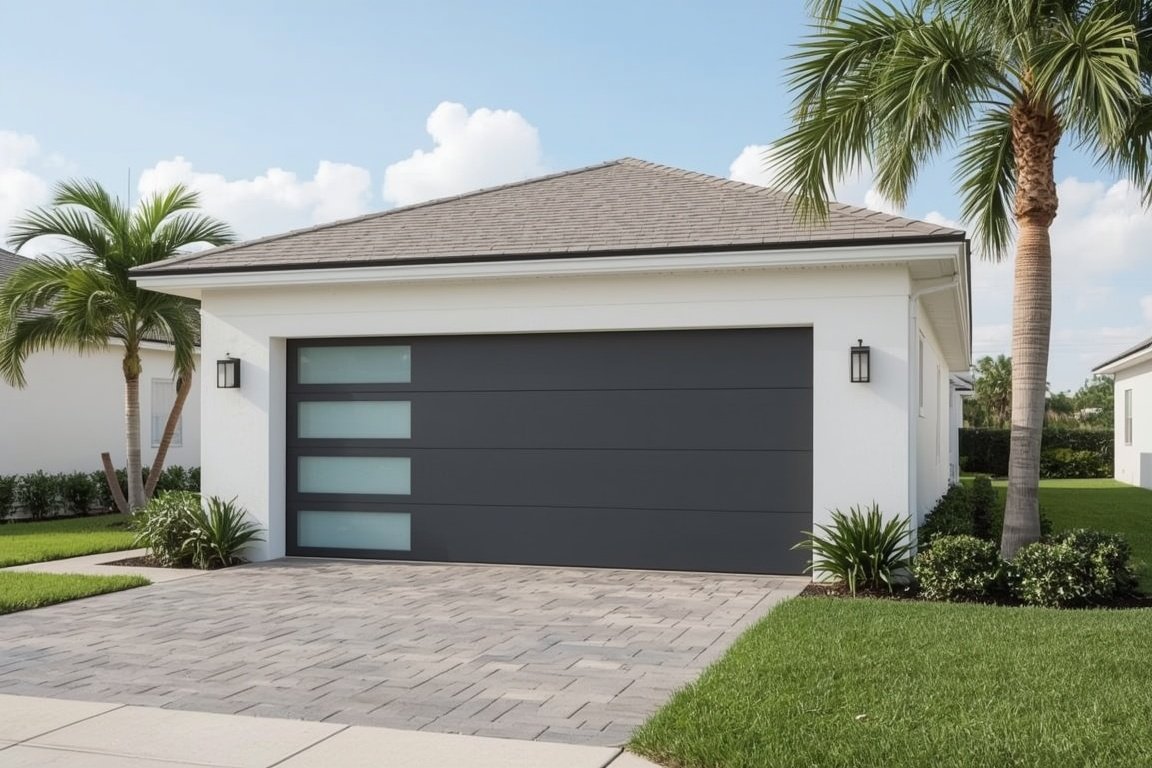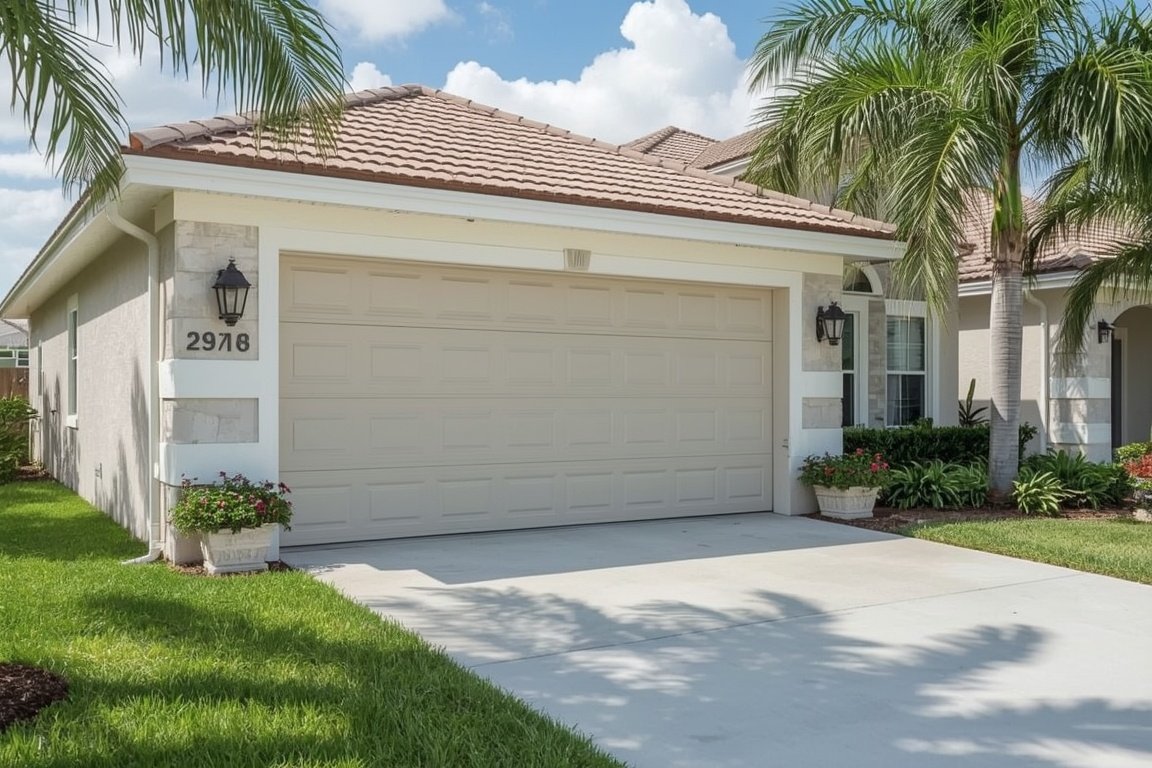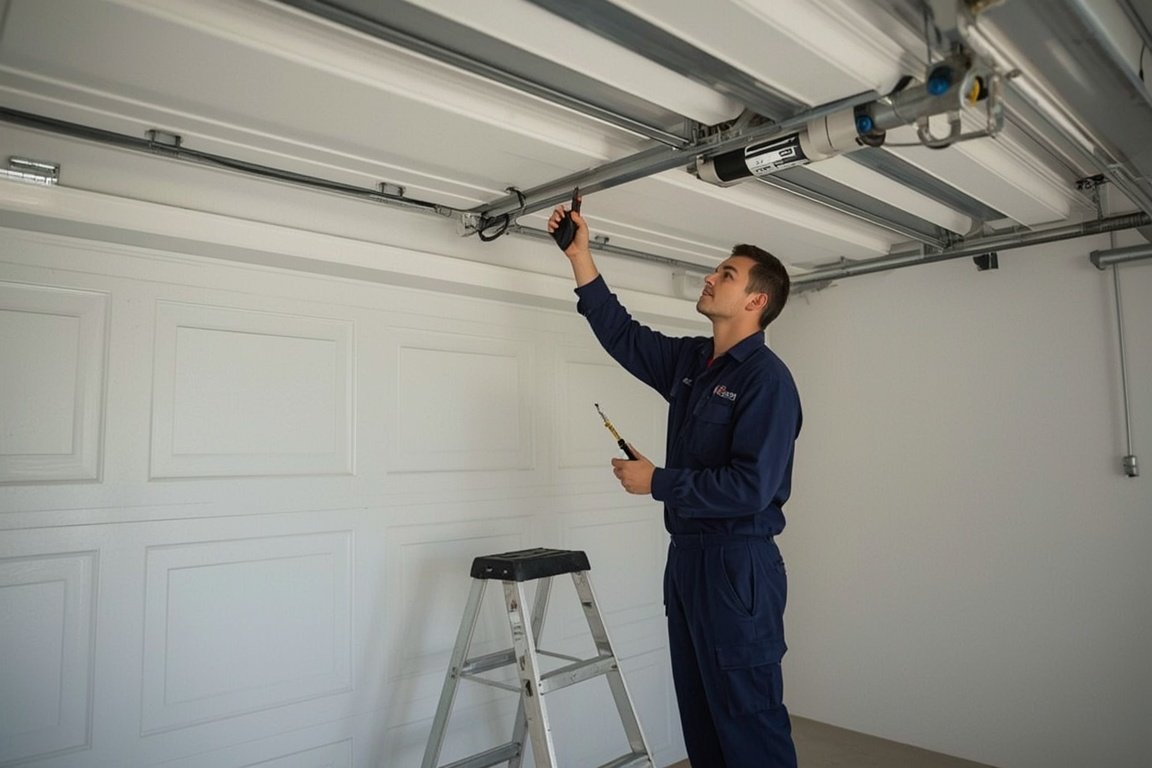
When storm season rolls into South Florida, protecting your home becomes a top priority - starting with your garage. As one of the largest entry points in your home, your garage door plays a crucial role in safeguarding your property against high winds, flying debris, and torrential rain. Beyond safety, an opening-protection-rated garage door is one of the items a Florida wind mitigation inspection checks for - and it can help lower your homeowners insurance premium. At Garage Door Pros', we understand the unique challenges that South Florida residents face during hurricane season. Since 2012, our mission has been to provide fast, affordable, and reliable garage door services that give homeowners peace of mind. Whether you're considering a new garage door installation or upgrading to impact-resistant materials, our expert team is here to help. With over 450 five-star reviews and a reputation for exceptional customer service, Garage Door Pros' is your trusted partner for storm-ready garage solutions. Our work is professional, our service is personal - because your safety is our priority.
How a Wind Mitigation Garage Door Can Lower Your Insurance Premium
Florida insurers offer wind mitigation credits for homes that meet specific opening-protection standards, and the garage door is one of the openings inspectors check. A door that is not rated for wind pressure and impact is treated as an unprotected opening on the inspection form, which can cost you a credit even if every other opening in the home is protected. Ask your insurance agent or wind mitigation inspector which rating your policy requires (Miami-Dade NOA or a comparable Florida Product Approval is the standard most carriers look for), and confirm your current door's rating before your next inspection or renewal - the exact premium savings depend on your carrier and policy.
Top Durable Materials to Withstand Harsh Weather
When it comes to safeguarding your home during extreme weather events, choosing the right garage door material is crucial. Storms, hurricanes, and high winds can cause significant damage to properties, and the garage door is often one of the most vulnerable points. According to the Federal Emergency Management Agency (FEMA), garage doors are the largest and weakest openings in a home, and failure during a storm can lead to catastrophic structural damage. Therefore, selecting a garage door made from durable, weather-resistant materials is essential for homeowners in storm-prone regions.
Several materials stand out for their ability to withstand harsh weather conditions, offering both strength and longevity. These materials are engineered to resist wind pressure, moisture, and impact from flying debris, making them ideal for storm protection. Below are some of the top materials used in garage doors that provide exceptional durability and storm resistance:
- Steel: Steel is one of the most popular choices for storm-resistant garage doors due to its strength and durability. Galvanized steel doors, often with multiple layers and insulation, can resist high wind loads and impact. Many steel garage doors are rated for wind speeds up to 150 mph, making them suitable for hurricane-prone areas. Additionally, steel doors can be customized with reinforced struts and heavy-duty hardware to enhance their storm resistance.
- Aluminum: While lighter than steel, aluminum garage doors can be engineered for strength and corrosion resistance, especially in coastal areas where salt air can accelerate rust. Modern aluminum doors often feature reinforced frames and impact-resistant panels, making them a viable option for storm protection. Their lightweight nature also reduces strain on the garage door opener system, contributing to longer operational life.
- Fiberglass: Fiberglass garage doors are known for their resistance to moisture and corrosion. Though not as strong as steel, fiberglass can be reinforced with steel frames and insulation to improve its durability. It is particularly useful in areas with high humidity or salt exposure. Fiberglass also offers design flexibility, mimicking the appearance of wood without the maintenance issues.
- Wood Composite: For homeowners who prefer the aesthetic of wood but need better weather resistance, wood composite doors offer a balanced solution. These doors are made from recycled wood fibers and resins, providing the look of natural wood with enhanced durability. They are less likely to warp or crack under extreme weather conditions and can be reinforced for impact resistance.
- Impact-Resistant Glass: While not a material for the entire door, incorporating impact-resistant glass panels into a garage door design can offer both style and protection. These panels are made with laminated glass that can withstand flying debris and strong winds. When combined with a sturdy frame, they provide a modern look without compromising safety.
"Garage doors that are not reinforced can be blown in by high winds, allowing pressure to build up inside the home and cause the roof to blow off," warns the Insurance Institute for Business & Home Safety (IBHS).
In addition to choosing the right material, it is important to ensure that the garage door is properly installed and maintained. Reinforcement kits, wind-load rated doors, and professional installation all contribute to the overall storm resistance of your garage door system. For example, a new garage door installation with hurricane-rated features can significantly enhance your home's protection during severe weather.
Homeowners should also consider regular maintenance and inspections to ensure their garage doors remain in optimal condition. Services such as garage door tune-up and weather seal replacement can prevent minor issues from becoming major vulnerabilities during a storm.
According to the National Oceanic and Atmospheric Administration (NOAA), the U.S. experiences an average of 12 named storms each hurricane season, with many causing billions in property damage. Investing in a durable, storm-resistant garage door is not just a matter of convenience - it's a critical step in protecting your home and family.
For more information on choosing the best garage door materials and ensuring your system is storm-ready, consult with a professional or visit our services page. You can also reach out through our contact page for personalized recommendations and expert guidance.
External Resources:
- FEMA Garage Door Recommendations
- IBHS: Garage Doors and Hurricane Protection
- National Oceanic and Atmospheric Administration (NOAA)
Comparing Storm-Resistant Garage Door Options
When evaluating the best garage door materials for storm protection, it is essential to compare the various storm-resistant options available on the market. Each material offers unique benefits in terms of durability, impact resistance, and overall performance during extreme weather events such as hurricanes and tropical storms. Steel garage doors are among the most popular choices due to their exceptional strength and ability to withstand high winds and flying debris. Galvanized steel doors, in particular, offer rust resistance and can be reinforced with additional bracing to meet stringent wind-load requirements. Aluminum doors, while lighter than steel, can also be engineered for storm resistance, especially when combined with reinforced frames and impact-rated panels. However, aluminum may not offer the same level of dent resistance as steel, making it a slightly less durable option in areas prone to heavy debris.
Fiberglass garage doors are another option, known for their resistance to moisture and corrosion. While they may not be as strong as steel, fiberglass doors can be reinforced with composite materials to improve their impact resistance. Additionally, they are less likely to warp or crack under extreme weather conditions. Wood garage doors, although aesthetically pleasing, are generally not recommended for storm-prone areas unless they are custom-built with reinforced cores and treated for moisture resistance. Their susceptibility to warping and water damage makes them less ideal for long-term storm protection.
For homeowners seeking advanced protection, impact-rated garage doors specifically designed for hurricane zones are the most reliable choice. These doors are tested to meet or exceed local building codes and are often required in coastal regions. They typically feature heavy-duty tracks, reinforced panels, and secure locking mechanisms to prevent blowouts during high-pressure events. Investing in a hurricane-rated garage door ensures peace of mind and compliance with safety regulations.
When comparing storm-resistant garage doors, it is also important to consider the installation and maintenance services offered by professionals. Proper installation is critical to ensuring the door performs as intended during a storm. Homeowners can benefit from expert new garage door installation services that include precise fitting, reinforcement, and alignment. Regular maintenance, such as a garage door tune-up, can further enhance the door's longevity and functionality by addressing wear and tear before it becomes a problem.
Ultimately, the best storm-resistant garage door material depends on your specific needs, budget, and local weather conditions. By comparing the available options and consulting with experienced professionals, you can make an informed decision that protects your home and enhances its value.
In conclusion, choosing the right garage door material is essential for ensuring your home is well-protected during severe storms. Materials like steel, fiberglass, and reinforced wood offer varying levels of durability, impact resistance, and insulation to suit different needs and climates. Steel doors provide unmatched strength, fiberglass resists corrosion and dents, while reinforced wood offers a balance of aesthetics and sturdiness. Ultimately, the best garage door for storm protection will depend on your specific location, budget, and design preferences. Investing in a high-quality, storm-rated garage door not only safeguards your property but also offers peace of mind when extreme weather strikes.
Skip the YouTube rabbit hole - we'll have a tech at your door same day across Broward, Dade and Palm Beach.