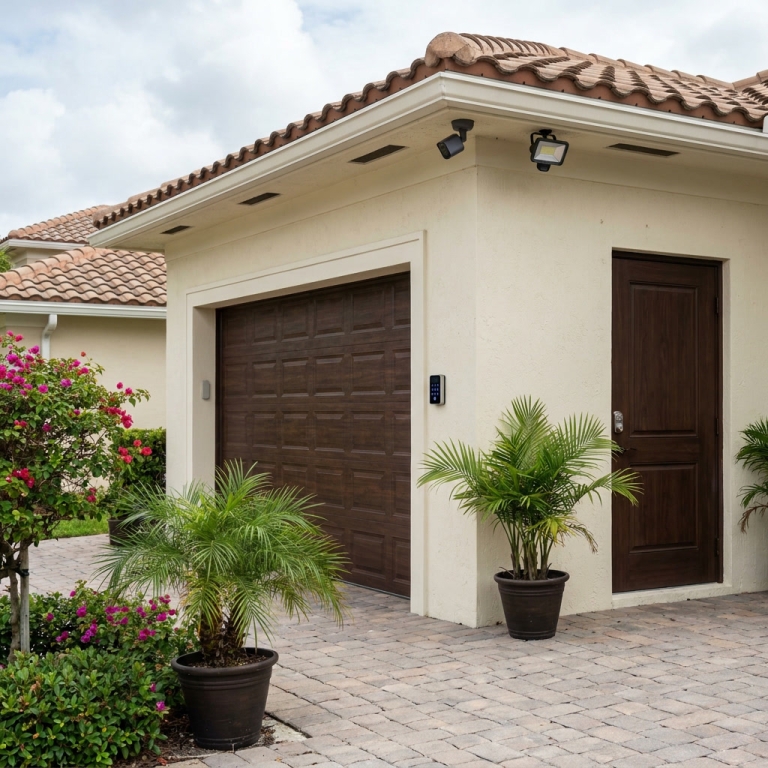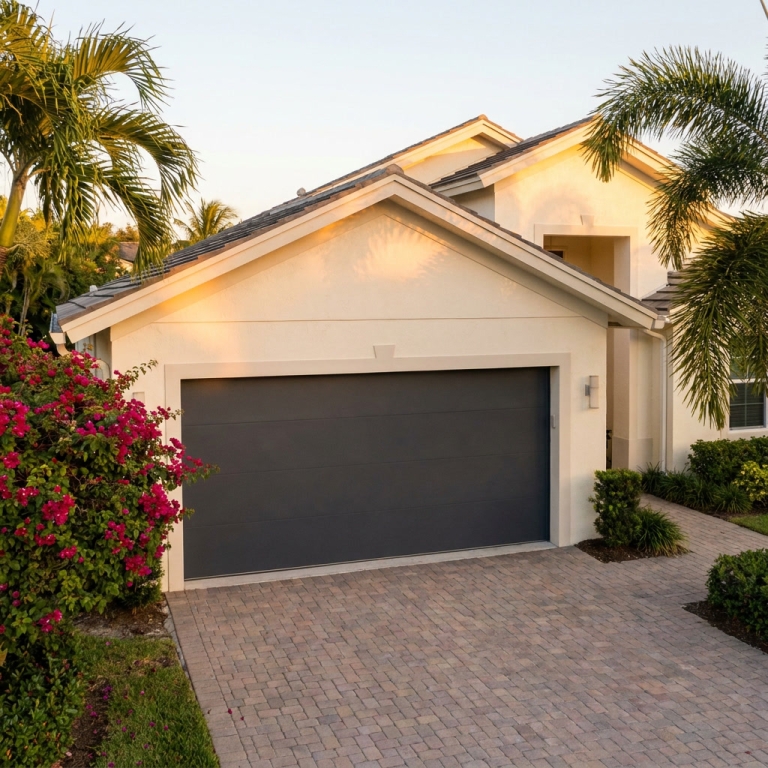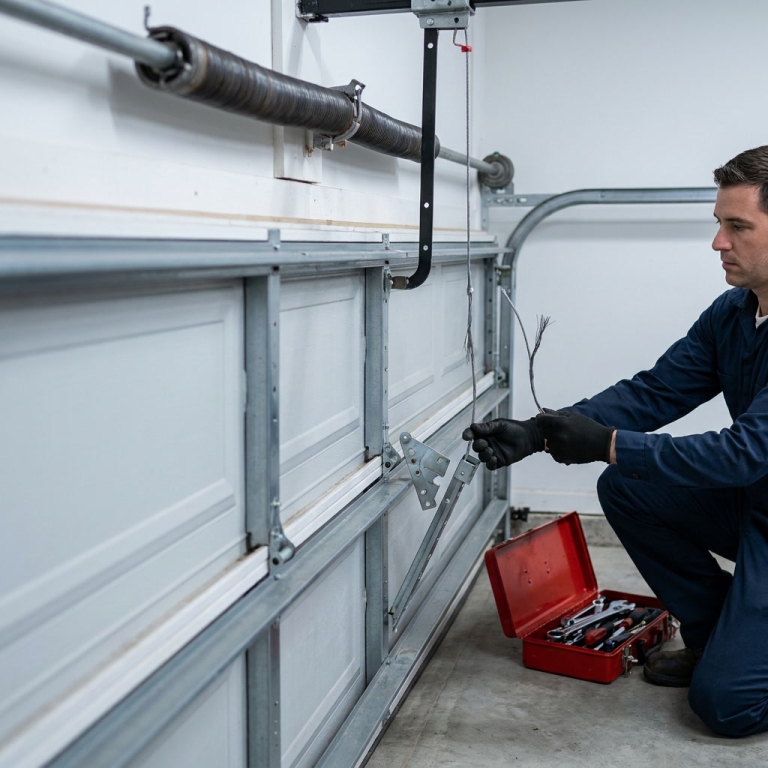
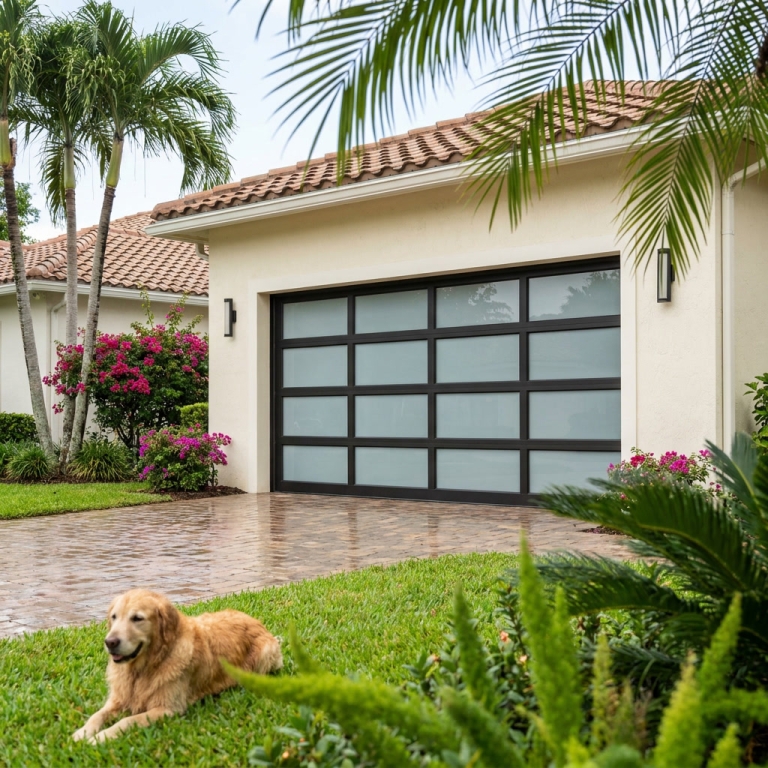
Florida homes have a unique relationship with their garage doors. In many neighborhoods, the garage door is one of the largest visible features on the front of the home, making it central to curb appeal, architectural character, and property value. At the same time, Florida homeowners must consider intense sunlight, salt air, high humidity, heavy rain, tropical storms, hurricanes, and sudden temperature changes. A beautiful garage door is important, but it must also be engineered for the state’s demanding coastal and subtropical environment.
Customizing a garage door gives homeowners the opportunity to combine appearance, security, energy efficiency, convenience, and storm protection. Whether you own a modern house in Miami, a coastal property in Fort Lauderdale, a family home in Broward County, or a ranch-style residence farther inland, the right design can make the garage feel like an intentional part of the architecture rather than an afterthought. Materials, window placement, insulation, reinforcement, color, automation, and maintenance all influence the final result.
This guide explores practical and attractive custom garage door ideas for Florida homes. It covers popular design directions, hurricane preparation, climate-resistant materials, smart technology, long-term maintenance, and professional service considerations. If you are planning a new project or trying to improve an existing garage, these ideas can help you make a confident decision that works for both everyday living and Florida’s most challenging weather.
1. Choosing a Custom Garage Door Style That Complements Your Florida Home
Match the Door to Your Home’s Architectural Character
The best custom garage door usually looks as though it was designed with the house rather than added later. Florida homes come in many architectural styles, including Mediterranean Revival, coastal contemporary, mid-century modern, craftsman, ranch, farmhouse, and minimalist luxury designs. Each style can be enhanced by a different garage door profile. For example, a Mediterranean home may look particularly attractive with an arched carriage-house design, decorative hardware, and warm wood tones. A modern home may benefit from clean horizontal lines, large frosted windows, and a smooth charcoal or white finish.
For coastal homes, simple panel doors in white, sand, pale gray, or muted blue can create a relaxed appearance without competing with landscaping or stucco walls. Craftsman homes often look best with recessed panels, crossbuck details, and divided-light windows. A ranch home can appear more substantial with wide horizontal sections and a natural wood-look finish. If you live in a planned community or homeowners association, review design requirements before ordering a custom door. Some communities regulate colors, window patterns, decorative hardware, and visible modifications.
A custom design should also account for the size and proportion of the garage opening. Oversized doors can create a bold statement, while narrow doors may need larger windows or stronger horizontal details to avoid looking visually crowded. Taking photographs of the home from the street can help you compare colors, panel styles, and window arrangements before making a final selection.
Explore Modern Panel Profiles and Minimalist Details
Modern garage doors are increasingly popular throughout South Florida because they work well with contemporary construction, flat rooflines, large windows, and geometric landscaping. A modern design does not have to be complicated. In many cases, its appeal comes from carefully controlled proportions, smooth surfaces, and restrained hardware. Flush panels, long horizontal grooves, narrow vertical windows, and contrasting trim can make a garage appear wider and more integrated with the façade.
Black and dark gray garage doors remain popular, but Florida’s sunlight should be considered before choosing a very dark finish. Deep colors absorb more heat and may show fading sooner when exposed to strong ultraviolet rays. High-quality factory finishes and UV-resistant coatings can reduce this concern. Homeowners who want a darker appearance may also consider composite overlays or a wood-look finish that provides visual depth without the maintenance demands of natural wood.
Another contemporary option is an aluminum and glass garage door. These doors can give a home a sophisticated, resort-like appearance and allow natural light into the garage. Tinted, frosted, or opaque glass can provide privacy while maintaining the modern look. Because Florida storms and wind pressure are serious concerns, make sure the selected glass and framing system are properly rated for the property’s location. Aesthetic appeal should always be balanced with structural performance.
Use Carriage-House Design Without Sacrificing Convenience
Carriage-house garage doors remain a favorite for Florida homeowners who want traditional character. Although authentic carriage doors swing outward like older barn doors, modern sectional versions can provide the same appearance while operating vertically on tracks. This design is especially useful when the driveway is short or slopes toward the garage. Decorative handles, hinges, strap hardware, and arched windows can create a handcrafted appearance without requiring the space needed for outward-swinging operation.
Carriage-house doors can be customized to suit many home styles. A white door with black hardware creates a classic coastal look, while a stained wood-look finish can complement stone, brick, or warm stucco. Narrow windows at the top of the sections allow daylight into the garage while maintaining privacy. For homeowners concerned about heat, insulated panels and low-emissivity glass can help control solar gain.
It is important to remember that decorative hardware should be securely fastened and made from corrosion-resistant materials. Florida’s humidity and salt air can cause low-quality metal components to discolor or deteriorate. Stainless steel, powder-coated aluminum, and properly treated hardware are better choices for coastal locations. A reputable installer can also verify that the decorative features do not interfere with weather seals, rollers, hinges, or the door’s balance.
Customize Color, Windows, and Decorative Hardware
Small design decisions can dramatically change the appearance of a garage door. Color is one of the most noticeable elements, and Florida homes offer plenty of opportunities for creative combinations. A garage door can match the front door, coordinate with shutters, echo the roof color, or provide a deliberate contrast against light stucco. Soft whites and warm neutrals tend to complement coastal homes, while bronze, black, and deep gray can add definition to modern properties.
Windows are another important customization option. Top-section windows can brighten a dark garage without sacrificing much privacy. Vertical window arrangements can make a low, wide door look taller, while horizontal windows reinforce a contemporary style. Homeowners should consider tinted or frosted glass if the garage faces a sidewalk, neighboring property, or busy street. Impact-rated glass is especially valuable in areas where storm protection is a concern.
Decorative hardware should support the home’s overall style rather than appear randomly applied. Oversized handles can make a double garage door look more balanced, while simple strap hinges can add traditional charm. Avoid selecting hardware based only on appearance. Choose finishes that resist corrosion, confirm that they are compatible with the door material, and make sure they will not obstruct emergency access or routine servicing. Thoughtful details turn a standard door into a cohesive architectural feature.
2. Hurricane-Ready Garage Door Ideas for Florida’s Weather
Understand Why the Garage Door Matters During a Storm
The garage door is often one of the largest openings in a home, which means it can be particularly vulnerable during a hurricane or severe wind event. If a garage door fails, wind and rain may enter the garage and place pressure on the home’s interior. This can increase the risk of structural damage, water intrusion, and damage to vehicles, tools, appliances, and stored belongings. For that reason, storm readiness should be a major part of the design process rather than an upgrade considered only after a storm is approaching.
Homeowners should ask whether a prospective door has been tested and approved for the wind pressures required in their specific location. Requirements may vary based on local building codes, proximity to the coast, building height, opening size, and exposure category. A door that is suitable for one Florida property may not meet the requirements for another. Always discuss the design pressure rating, approval documentation, and installation method with a qualified professional.
In addition to the door itself, the tracks, rollers, hinges, brackets, fasteners, and wall connections must work as a complete system. Installing a strong door with inadequate hardware can reduce the expected performance. Professional evaluation is especially important when replacing an older door, enlarging an opening, or converting a single garage into a wider double-car opening.
Consider Hurricane-Rated Garage Doors and Reinforcement
Hurricane-rated garage doors are designed and tested to resist specified wind loads. They commonly feature reinforced panels, stronger tracks, heavy-duty end stiles, upgraded brackets, and more durable connection points. Some models include impact-resistant materials or glass, while others are designed to withstand pressure and repeated wind movement. The correct product depends on the design pressure requirements for the home and the dimensions of the opening.
A hurricane-rated door can be customized in many of the same ways as a standard door. Homeowners may still choose panel profiles, colors, windows, decorative hardware, insulation levels, and opener options. This makes it possible to achieve a stylish appearance without compromising storm performance. However, modifications should be approved by the manufacturer or installer. Drilling new holes, replacing approved hardware, or adding decorative features in the wrong locations may affect the door’s rating.
Some homes have older doors that were not built for modern storm standards. Reinforcement kits may improve performance in certain situations, but they are not always a substitute for a fully rated replacement. A professional inspection can determine whether the existing door, tracks, framing, and attachment points can be upgraded. If a door has visible corrosion, bent tracks, cracked panels, or repeated operational problems, replacement may be safer and more economical than continued patching.
Use Impact-Resistant Windows and Weather Seals
Windows can make a garage door more attractive and functional, but they must be selected carefully in hurricane-prone areas. Standard residential glass may break under flying debris or extreme pressure. Impact-resistant glazing, laminated glass, and approved protective systems can provide greater protection. Homeowners should verify that the window configuration is included in the door’s overall approval rather than assuming that any impact-rated glass will make the entire assembly storm compliant.
Weather seals also play an important role in Florida. A bottom seal helps reduce the entry of rainwater, leaves, insects, and wind-driven debris. Side and top seals can close gaps between the door and the frame. In coastal areas, these seals may deteriorate more quickly because of sunlight, heat, salt, and repeated movement. A seal that appears slightly cracked can become a significant source of water intrusion during a tropical storm.
When choosing a custom door, ask about replacement seal availability and the expected service life of the materials. A door with easily replaceable weather seals can be simpler to maintain over time. Inspect the garage floor as well, because water can enter through an uneven slab or poor drainage even when the door is operating correctly. A complete weather-resistance strategy includes the door, frame, seals, threshold, drainage, and surrounding wall construction.
Prepare a Storm-Season Garage Door Plan
Storm preparation should not begin when a hurricane warning has already been issued. Homeowners should know how to close and secure the garage door, how to disconnect the opener in an emergency, and where to find any approved storm bracing or manual locking components. If the door relies on removable posts or panels, store them in a clearly labeled and accessible location. Do not wait until high winds arrive to search for instructions.
Before storm season, inspect the door for loose fasteners, damaged rollers, rusted hardware, cracked hinges, frayed cables, and deteriorated seals. Test the manual lock and opener while the door is closed. If the door feels unusually heavy, binds in the tracks, or reverses unexpectedly, arrange service before the next severe weather event. Never attempt to force a jammed door or use improvised braces that were not approved for the system.
It is also wise to photograph the door, opener, and surrounding structure for insurance documentation. Keep manufacturer information, installation records, inspection reports, and warranty documents in a secure digital location. These simple steps can reduce confusion during an emergency and help a technician diagnose problems more efficiently. Good storm preparation protects not only the garage door but also the people, vehicles, and property inside the home.
3. Climate-Resistant Materials, Insulation, and Energy-Efficient Design
Compare Steel, Aluminum, Composite, and Wood-Look Options
Material selection has a major effect on the appearance, durability, cost, and maintenance needs of a custom garage door. Steel is one of the most widely used options because it offers strength, a broad range of panel designs, and relatively predictable maintenance. Insulated steel doors can provide better temperature control and may feel more substantial during operation. However, damaged or unprotected steel can eventually develop rust, especially in coastal environments where salt air is present.
Aluminum is lightweight and naturally resistant to many forms of corrosion, making it attractive for modern full-view doors and coastal properties. Its lighter weight can reduce strain on certain components, but aluminum panels may dent more easily than thicker steel. Composite materials and engineered wood products can offer the warm appearance of wood with improved resistance to moisture, insects, and warping. These products are useful for homeowners who want a custom wood appearance without frequent staining.
Natural wood remains a premium choice for architectural impact. Cedar, mahogany, and other suitable species can create a distinctive entrance, but wood requires regular sealing and inspection in Florida’s humid climate. Moisture exposure, direct sunlight, and poor drainage can shorten the life of a wood door. The best material depends on the home’s location, desired appearance, maintenance expectations, budget, and storm-rating requirements.
Choose Insulation for Comfort and Practicality
An insulated garage door can make the garage more comfortable and may help reduce heat transfer into nearby rooms. This is particularly useful when the garage is attached to a bedroom, home office, laundry room, or living area. Insulation may also reduce outdoor noise and make the door feel quieter and more stable during operation. While a garage is not usually conditioned space, limiting heat buildup can still improve the overall experience of using it for storage, hobbies, exercise, or projects.
Garage door insulation is often described using an R-value, which indicates resistance to heat flow. A higher rating generally suggests better insulating performance, although the complete installation matters. Gaps around the frame, poorly fitted sections, damaged weather seals, and uninsulated walls can reduce the benefits of an insulated door. Homeowners should view insulation as one part of a broader comfort strategy rather than a standalone solution.
In Florida, insulation may also help protect items stored in the garage from extreme temperature swings. Paint, electronics, tools, sports equipment, and certain household goods can deteriorate more quickly in a hot and humid environment. An insulated door will not eliminate humidity, but it can contribute to a more stable interior environment. Ask the installer about panel thickness, insulation type, thermal breaks, and the compatibility of the door with the chosen opener.
Design for Sunlight, Humidity, and Salt-Air Exposure
Florida’s climate can affect garage door finishes even when there is no major storm. Continuous ultraviolet exposure may fade paint, dry out wood coatings, and cause plastic components to become brittle. Humidity can promote corrosion on springs, cables, hinges, brackets, and fasteners. Properties near the Atlantic Ocean or Gulf Coast may experience accelerated deterioration because salt particles remain on exterior surfaces and attract moisture.
When ordering a custom door, ask about UV-resistant coatings, baked-on finishes, corrosion-resistant hardware, and manufacturer recommendations for coastal areas. Stainless steel or protected hardware may be preferable to untreated steel. If the door includes wood, establish a realistic refinishing schedule and learn which sealers are compatible with the material. Do not assume that a factory finish will remain perfect without periodic cleaning and inspection.
Routine cleaning can remove salt and airborne residue before it causes damage. Use a mild soap solution and a soft cloth or sponge, then rinse thoroughly according to the manufacturer’s guidance. Avoid aggressive pressure washing around seals, windows, electrical components, and delicate finishes. Keeping landscaping trimmed away from the door can also improve airflow and reduce moisture accumulation around the frame.
Balance Appearance with Weight and Mechanical Requirements
Every custom feature affects the mechanical system in some way. Thick insulated panels, decorative overlays, impact-rated windows, and natural wood can add weight. A garage door opener and spring system must be selected and adjusted for the complete door assembly, not just the opening dimensions. If the door is too heavy for the existing springs or opener, the system may operate slowly, make unusual noises, or fail prematurely.
Homeowners should avoid adding mirrors, shelving, hanging décor, or unauthorized hardware directly to moving garage door sections. These additions can change the balance and place stress on hinges and rollers. Even small modifications may interfere with photo-eye sensors, emergency release mechanisms, or the opener’s force settings. If you want a distinctive appearance, choose manufacturer-approved overlays and accessories during the original design process.
A professional installer can calculate the appropriate spring configuration, opener horsepower, track style, and reinforcement requirements. This is especially important for double-width doors and custom full-view systems. The goal is smooth, controlled movement with minimal vibration. A well-balanced door should remain stable when manually lifted and should not slam shut, drift upward, or require excessive force to operate.
4. Smart Garage Door Openers, Security, and Everyday Convenience
Upgrade to Smart Garage Door Openers
Smart garage door openers can make daily life easier by allowing homeowners to monitor and control the garage from a smartphone, tablet, voice assistant, or integrated home automation system. Depending on the model, users may receive alerts when the door opens or closes, create temporary access codes, check whether the garage is secure, and operate the door remotely. This is useful for families, rental property owners, caregivers, and anyone who frequently receives deliveries.
Smart functionality is particularly valuable in Florida homes where the garage may serve as a main entry point. A notification can reveal that the door was left open during a rainstorm or that it opened unexpectedly while the household was away. Some systems can create schedules or integrate with security cameras and alarm systems. Others include battery backup so the door can operate during a power interruption, which may occur during severe weather.
Before purchasing a smart opener, check Wi-Fi strength in the garage, compatibility with the home’s network, and the manufacturer’s cybersecurity practices. A reliable system should include encrypted communication, account protection, and an option for manual operation. Smart technology is an enhancement, not a replacement for a properly balanced door, functioning safety sensors, and secure physical hardware.
Improve Security Without Making the Door Difficult to Use
A garage door can be strengthened through several coordinated features. Rolling-code remotes help prevent unauthorized reuse of access signals. Automatic locking systems can engage when the door closes, while reinforced panels and secure interior hardware make forced entry more difficult. Motion-activated lighting near the garage can discourage unwanted activity and improve visibility when arriving home at night.
Homeowners should also secure the interior emergency release if the garage is vulnerable to fishing attacks. This does not mean disabling the release, which is a critical safety feature, but rather using an approved protective shield or installation method that preserves emergency access from inside. Consult the opener manufacturer or a qualified technician before making any change to the release cord or mechanism.
Windows should be selected with privacy and security in mind. Frosted, tinted, or high windows can bring in daylight without clearly displaying vehicles or stored property. Avoid placing expensive equipment directly beside windows where it is visible from outside. The strongest garage door can still be part of a weak security plan if remotes are left in unlocked vehicles or access codes are shared without limits.
Plan for Battery Backup and Manual Operation
Power interruptions are common during major storms, and an automatic opener may not function unless it includes a battery backup system. Battery backup allows the door to open and close during an outage, although the system still requires a properly maintained battery and a door that is mechanically sound. Homeowners should test the backup periodically and replace the battery according to the manufacturer’s recommendations.
Every adult in the household should know how to use the emergency release and manually operate the garage door. The door should be closed before disengaging the opener unless there is a specific reason to do otherwise. A very heavy or unbalanced door should not be lifted without assistance. If the door cannot be moved safely by hand, contact a professional rather than applying excessive force.
Battery backup is not a substitute for storm preparation. During a hurricane, high winds may make it unsafe to open the garage door even if power is available. Keep the door closed when severe weather is approaching, secure loose objects inside the garage, and follow local emergency guidance. Smart controls and backup power are valuable conveniences, but sound judgment remains essential.
Know When to Schedule Garage Door Opener Repair
Garage door openers often provide warning signs before they fail completely. Grinding, clicking, humming, delayed response, intermittent operation, excessive vibration, and unexpected reversing may indicate worn gears, damaged sprockets, sensor problems, loose wiring, or an issue with the door’s balance. If the opener light flashes or the remote works inconsistently, the problem may involve batteries, programming, interference, or the control board.
Garage door opener repair should be handled promptly when the door moves unpredictably or fails to respond to safety sensors. Never bypass the photo-eye sensors simply to keep the opener running. These sensors help prevent the door from closing on people, pets, vehicles, or objects. They must face each other correctly, remain clean, and be securely mounted at the proper height.
In some cases, replacing an older opener is more practical than repeated repairs. Newer models may offer quieter operation, stronger security features, battery backup, LED lighting, and smart-home compatibility. A technician can inspect the opener and the door together because an opener that appears defective may actually be struggling with broken springs, binding tracks, worn rollers, or excessive door weight.
5. Maintenance, Professional Installation, and Long-Term Value
Make Garage Door Maintenance Part of Home Care
Regular garage door maintenance helps preserve appearance, safety, and reliable operation. Homeowners should visually inspect the door several times a year, particularly before hurricane season and after periods of heavy rain or high wind. Look for bent tracks, loose bolts, damaged rollers, frayed cables, cracked panels, rust, worn seals, and unusual gaps around the frame. Listen for changes in sound as the door moves, since new squeaking or grinding may signal developing wear.
Lubrication can reduce friction in hinges, rollers, springs, and bearings, but the correct product and application method matter. Avoid spraying lubricant on the door’s tracks unless the manufacturer specifically recommends it, because excess residue can collect dust and interfere with roller movement. Keep tracks aligned and free from debris, but do not attempt to bend or reposition them yourself. Track repairs can affect the entire door’s balance and safety.
Test the auto-reverse function by placing a suitable object beneath the closing door according to the manufacturer’s instructions. Test the manual release and inspect the photo-eye sensors. If the door is noisy, uneven, unusually heavy, or jerks during movement, stop using it until it has been evaluated. Preventive service is generally less disruptive and less expensive than dealing with a sudden failure during a storm or holiday weekend.
Recognize the Difference Between Routine Service and Emergency Repair
Some garage door problems can wait for a scheduled appointment, while others require immediate attention. A door that will not close, a cable that has come off the drum, a panel that has fallen, or a spring that has broken can create a safety and security issue. A vehicle may be trapped inside, the garage may be exposed to rain, or the door may be too unstable to operate safely. In these situations, forcing the door can cause additional damage.
Emergency garage door repair should be performed by a qualified technician with the right tools and replacement parts. Broken springs are particularly dangerous because they store substantial tension. Do not attempt a DIY broken spring repair using household tools or online instructions. The wrong spring size, incorrect winding, or improper installation can result in severe injury and may damage the door or opener.
Need emergency garage door repair near me in Broward County, Florida? Same-day service, 13+ years experience, 450+ five-star reviews. Call (954) 830-9661. When requesting service, describe the symptoms clearly, provide the door size if known, and mention whether the property is near the coast or subject to special wind requirements. Clear information can help the technician arrive prepared.
Select a Qualified Installer for Custom Projects
Professional garage door installation is essential when the project involves a hurricane-rated door, oversized opening, custom glass, heavy wood panels, or a new smart opener. Installation includes more than attaching the sections to tracks. The technician must confirm the opening dimensions, inspect the framing, install the correct hardware, balance the spring system, program the opener, align the safety sensors, and verify smooth operation.
When comparing contractors, look for experience with Florida building requirements and the type of door you want to install. Ask whether the proposal includes removal of the old door, disposal, permits if required, wind-load documentation, warranty details, and final testing. Make sure the company is properly licensed and insured where applicable. A low initial price may not represent good value if it excludes reinforcement, approved hardware, or necessary framing work.
It can also be helpful to review the installer’s history with local homes. A company familiar with South Florida garage door services may better understand salt-air exposure, tropical weather, HOA preferences, and regional code considerations. Homeowners in the area may search for a Broward County garage door company or compare providers offering Miami-Dade garage door services. The most suitable choice is one that combines technical competence, transparent communication, and dependable follow-up service.
Protect Your Investment with Professional Follow-Up
A custom garage door is a long-term investment, so the relationship with the installer should not end when the door begins operating. Ask about maintenance plans, adjustment services, replacement seals, opener support, storm inspections, and warranty claims. A reputable service provider should be able to explain which components are covered, how long parts are expected to last, and what actions could void the manufacturer’s warranty.
Professional follow-up is especially useful after the first few months of operation. New cables, springs, rollers, and tracks may settle slightly, and minor adjustments can improve quietness and alignment. Coastal properties may benefit from more frequent inspections than inland homes. If the door is used many times each day, springs and rollers may also wear sooner than they would on a lightly used residential door.
Keep a simple record of installation dates, repairs, spring replacements, opener service, seal replacements, and storm inspections. This information can help diagnose recurring problems and support future resale documentation. A well-maintained, attractive, properly rated garage door can improve curb appeal, daily convenience, safety, and buyer confidence. The value comes not only from the initial design but from preserving its performance year after year.
Conclusion
Custom garage doors for Florida homes should combine architectural style with practical protection. The right design may include modern flush panels, carriage-house details, coastal colors, impact-resistant windows, insulated construction, corrosion-resistant hardware, or a natural wood appearance. Just as important are hurricane-rated performance, properly fitted weather seals, reliable security features, smart controls, and a professional installation that accounts for the complete door system.
Florida’s climate makes routine care essential. Regular inspections, timely garage door maintenance, safe opener testing, and professional repairs can help prevent small issues from becoming expensive emergencies. Never attempt a dangerous broken spring repair or force a damaged door to operate. When you need dependable advice or service, choose a qualified local provider with experience in South Florida garage door services and the specific demands of Broward and Miami-Dade properties.
Whether you are building a new home, upgrading curb appeal, preparing for hurricane season, or replacing an unreliable door, now is a good time to evaluate your garage system. Call (954) 830-9661 for professional guidance and service in Broward County, Florida, and take the next step toward a garage door that is attractive, secure, storm-ready, and built for everyday Florida living.
Skip the YouTube rabbit hole - we'll have a tech at your door same day across Broward, Dade and Palm Beach.