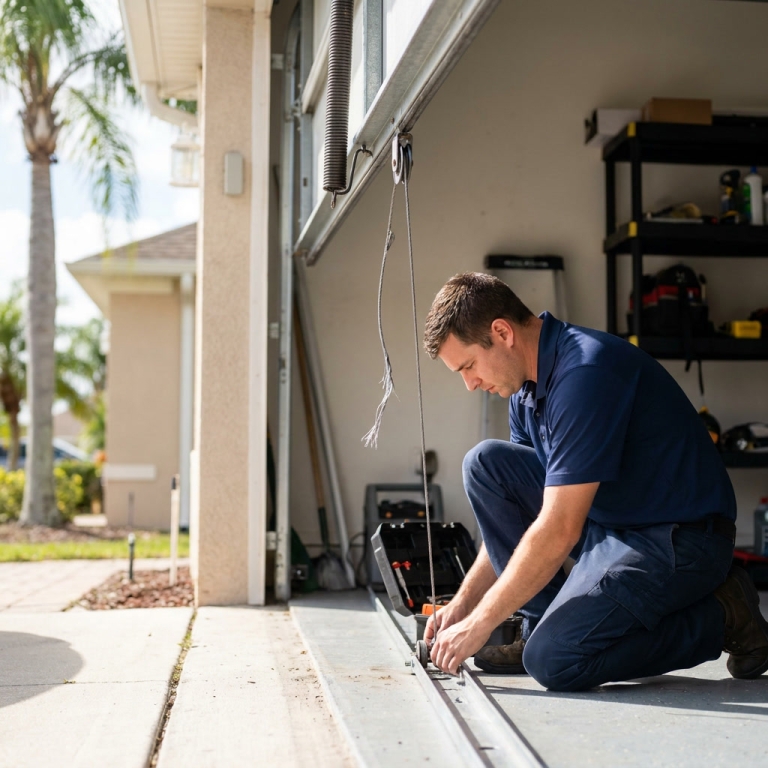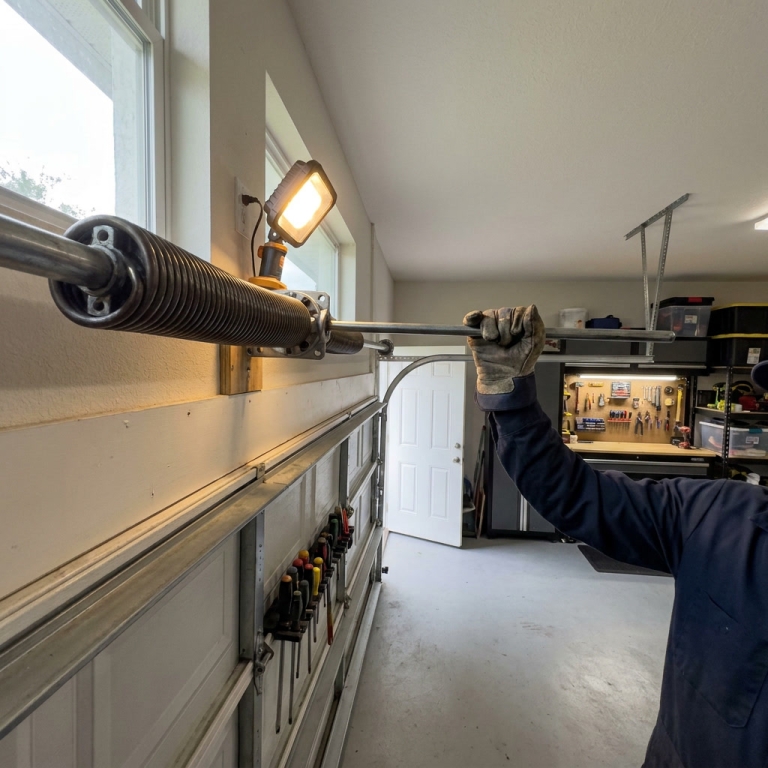
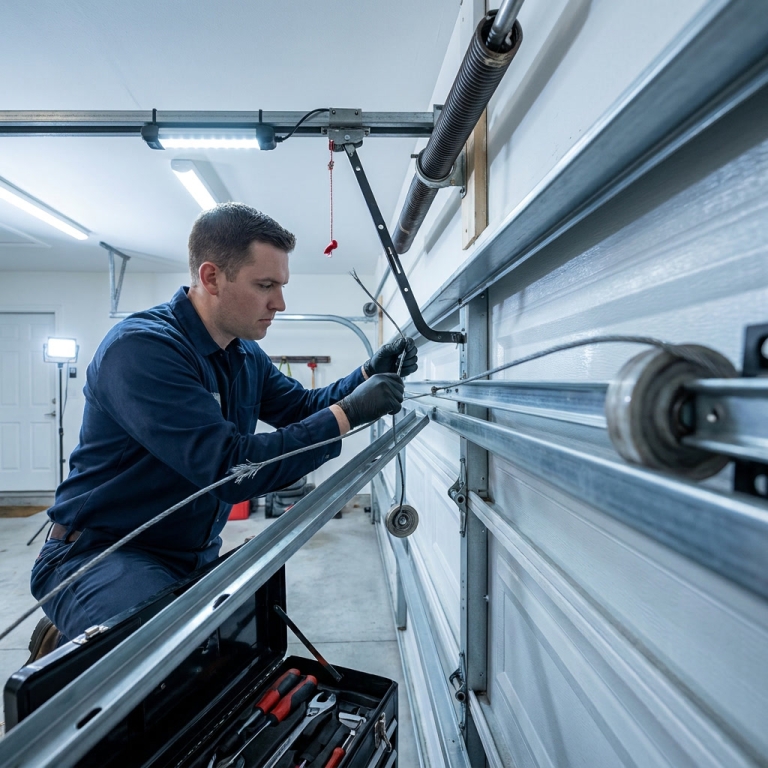
When you need Miami garage door repair, getting fast, dependable help can protect your home, vehicle, and family’s safety. From broken garage door springs and damaged cables to malfunctioning openers, off-track doors, and urgent repairs, a skilled local technician can diagnose the problem and restore smooth operation the same day.
Need emergency garage door repair near me in Broward County, Florida? With 13+ years of experience and more than 450 five-star reviews, our trusted team provides prompt, professional same-day service for homeowners and businesses. Call (954) 830-9661 for reliable garage door repair in Miami and surrounding Broward County areas.
Why Same-Day Garage Door Repair Matters in Miami
When a garage door stops working, the problem can affect much more than the appearance of your home. In Miami, a malfunctioning garage door may prevent you from leaving for work, block access to your vehicle, expose your home to heavy rain, or create a serious safety concern for children and pets. Same day garage door repair matters because it restores security and convenience quickly while reducing the chance that a minor issue will become an expensive emergency. Fast service is especially valuable in South Florida, where intense heat, humidity, salt air, sudden storms, and hurricane conditions can place additional stress on garage door systems.
A garage door is one of the largest moving parts in a residential property. It depends on several connected components, including springs, cables, rollers, tracks, hinges, sensors, drums, brackets, and an automatic opener. When one component fails, the entire system may become unreliable. A broken spring can leave the door too heavy to lift, while a damaged cable can cause the door to hang unevenly. A failed opener may leave the door stuck in the closed position, and a bent track can cause grinding, shaking, or sudden movement. Same day technicians can inspect the complete system, identify the source of the failure, and recommend a safe repair instead of relying on a temporary adjustment.
Security is one of the most important reasons to schedule prompt service. A garage often provides direct access to a home, and an open or damaged door can make it easier for unauthorized people to enter. Even a door that appears closed may not be fully secure if the locking mechanism, opener, or structural parts are damaged. A professional can test the closing force, inspect the emergency release, examine the lock, and confirm that the door seals correctly against the floor. For homeowners who need urgent help, same day garage door repair in Miami can help restore protection before the issue exposes the property for an extended period.
Safety is another major concern. A heavy garage door can weigh hundreds of pounds, and an unstable door can fall, slam shut, or come off its tracks. Attempting to lift a door with a broken torsion spring or extension spring can result in severe injury. Cables under tension can also snap unexpectedly, and adjusting springs without proper tools and training can be dangerous. The United States Consumer Product Safety Commission explains that residential automatic garage door openers manufactured after January 1, 1993, are required to include entrapment protection features. These features typically include photoelectric sensors and automatic reversing systems. Homeowners can review safety information from the Consumer Product Safety Commission, but professional testing is still recommended when the system is not working properly.
A garage door that is stuck, uneven, noisy, or unable to reverse should be treated as a safety issue rather than a minor inconvenience.
Miami weather makes fast repairs even more important. The area experiences high humidity, strong sunlight, heavy rainfall, and coastal air that can accelerate corrosion on metal components. Rust may weaken cables, brackets, rollers, tracks, and fasteners. Moisture can also affect electrical connections and opener components. During periods of severe weather, a damaged garage door may be less able to resist wind and water. The National Oceanic and Atmospheric Administration identifies the Atlantic hurricane season as June 1 through November 30, although tropical weather can develop outside the official season. Homeowners can find seasonal information and preparedness guidance through the National Oceanic and Atmospheric Administration.
A properly functioning garage door can help reduce exposure to rain, windblown debris, and unwanted moisture. If the door cannot close completely, water may enter the garage and damage stored belongings, vehicles, drywall, electrical equipment, or flooring. A weak seal can also allow insects and small animals to enter. Same day service gives property owners the opportunity to correct gaps, replace worn bottom seals, realign tracks, and repair damaged panels before the next storm creates additional problems.
Fast repairs can also reduce long term costs. A noisy roller may seem like a small issue, but continued operation can wear down the track or strain the opener motor. A frayed cable can damage other lifting components if it breaks while the door is moving. A weak spring can force the opener to work harder, shortening its useful life. Early diagnosis helps isolate the original fault before secondary damage develops. A technician may be able to replace one worn part instead of repairing several related components after the system fails completely.
Homeowners should contact a same day technician when they notice any of the following conditions.
- The garage door will not open or close with the wall control or remote
- The door becomes stuck halfway or falls faster than normal
- A spring is broken, stretched, or visibly separated
- A cable is loose, frayed, or hanging from the drum
- The door is crooked, rubbing against the track, or making loud grinding sounds
- The opener runs but the door does not move
- The safety sensors do not respond or the door fails to reverse
- Wind, impact, or a vehicle has damaged the panels or tracks
- Water, light, or pests can enter through a large gap around the closed door
Same day service is also useful for urgent opener problems. Modern openers may include rolling code security, battery backup, Wi Fi controls, motion detection, and automatic lighting. When an opener fails, the door may remain locked in place or become vulnerable if the emergency release is used incorrectly. A trained technician can determine whether the problem involves the motor, circuit board, remote, wall console, sensor alignment, gear assembly, or power supply. If replacement is more practical than repair, the technician can explain the available options based on door weight, usage frequency, security needs, and hurricane preparedness.
Professional service also provides a more complete inspection than a quick do it yourself adjustment. A qualified technician should check balance by disconnecting the opener when appropriate, inspect the spring system, test the safety reversal function, examine the rollers and hinges, review track alignment, and lubricate suitable moving parts. Lubrication alone is not a solution for broken springs, damaged cables, bent tracks, or failing electrical components. Homeowners should avoid removing spring hardware, cutting cables, forcing a stuck door, or repeatedly operating a door that is visibly unstable.
For Miami residents, choosing a local repair company can offer practical advantages. Local technicians understand the effects of coastal moisture, intense heat, storm preparation, and common construction styles in the area. They may also be more familiar with the parts used by regional builders and the service requirements of common door brands. Before approving work, ask whether the company provides a written estimate, explains the cause of the problem, carries appropriate insurance, and offers a warranty on parts and labor. Clear communication helps prevent unnecessary replacements and ensures that the repair addresses the actual source of the failure.
Preventive care after a same day repair can extend the life of the system. Keep the tracks free of dirt and stored items, observe the door while it moves, test the auto reverse feature according to the manufacturer instructions, and schedule periodic professional inspections. Do not place heavy objects against the door or hang items from the tracks. During storm preparation, confirm that the door closes securely and ask a professional whether additional reinforcement or hurricane rated equipment is appropriate for the property. For related maintenance guidance, homeowners can review garage door maintenance information and arrange service before a small warning sign becomes a complete failure.
Ultimately, same day garage door repair matters because it protects people, property, vehicles, and daily routines. Quick attention can improve security, prevent weather damage, reduce repair costs, and restore dependable access to the home. Whether the issue is a broken spring, failed opener, damaged panel, unsafe sensor, or storm related problem, prompt professional service is the safest way to return the garage door to reliable operation in Miami.
Common Garage Door Problems Homeowners Face
Garage doors are one of the most frequently used features in Miami homes, so even a small problem can quickly become a major inconvenience. Because the door is heavy, complex, and connected to powerful springs and cables, homeowners should take unusual noises, slow movement, and visible damage seriously. Understanding common garage door problems can help you recognize warning signs early, protect your property, and decide when to schedule professional same day service. One of the most common concerns is a garage door that will not open or close. This issue may be caused by a dead remote battery, a disconnected opener, a tripped electrical breaker, a damaged wall switch, or a problem with the motor. Before calling for service, check whether the opener has power and make sure the remote is within range. If the wall control works but the remote does not, replacing the remote battery may solve the problem. If neither control operates the door, the opener may require professional diagnosis. Homeowners should avoid forcing the door upward because doing so can damage the tracks, rollers, or lifting system. A door that opens only partway is another frequent issue. In many cases, the photo eye sensors near the bottom of the tracks are dirty, misaligned, or blocked by an object. These safety sensors send an invisible beam across the doorway and prevent the door from closing when something interrupts the beam. Wipe the sensor lenses with a soft, dry cloth and check that both sensors face each other. If the indicator lights remain off or blink continuously, the sensors may need adjustment or replacement. A partially opening door can also indicate broken springs, worn rollers, a bent track, or an opener force setting that needs attention. Since these components affect the balance and safety of the door, a qualified technician should inspect the system when basic cleaning does not correct the problem. Broken garage door springs are among the most serious repairs homeowners face. Torsion springs and extension springs counterbalance the weight of the door, allowing the opener to lift it smoothly. Over time, constant use, humidity, salt air, and normal metal fatigue can cause a spring to snap. A broken spring often produces a loud popping sound, leaves a visible gap in the coil, or causes the door to feel unusually heavy. The door may stop several inches above the floor or fail to move at all. Never attempt to replace a spring without proper training and specialized tools. A spring under tension can cause severe injuries if it is handled incorrectly. Professional garage door repair technicians can identify the correct spring, release stored tension safely, and balance the door according to manufacturer specifications. Strange sounds are also an important warning sign. Grinding, squeaking, rattling, popping, and scraping noises may come from dry hinges, worn rollers, loose hardware, damaged bearings, or a chain that needs lubrication or adjustment. In Miami, warm temperatures, moisture, and coastal air can accelerate rust and corrosion on metal parts. Routine maintenance can reduce noise and extend the life of the system. Apply a manufacturer approved garage door lubricant to hinges, rollers, springs, and bearings, but do not lubricate the tracks unless the manufacturer specifically recommends it. The tracks should remain clean and free of heavy grease because buildup can attract dirt and interfere with roller movement. Tightening loose nuts and bolts may also help, but homeowners should not adjust spring hardware or remove components that are under tension. A garage door that looks crooked or sits unevenly usually has a balance or alignment problem. The door may close with one side lower than the other, rub against the frame, or leave a gap along the floor. This can happen when a cable comes off the drum, a spring loses tension, a track becomes bent, or rollers wear out. An uneven door places extra stress on the opener and can cause premature failure. If the door is closed, you can observe whether the gaps around the edges are consistent, but avoid disconnecting the opener or lifting a heavy door by hand unless a professional has confirmed it is safe. A trained technician can test the balance, inspect the cables, and realign the tracks without creating additional damage. Damaged or bent tracks are another common reason for poor garage door performance. Tracks guide the rollers as the door moves, so even a minor bend can make the door shake, stick, or come off the track. Impacts from vehicles, bicycles, storage items, or storms may damage the vertical or horizontal sections. Rust can also weaken the metal over time. Do not hit the track with a hammer or try to straighten it while the door is under load. The track may need replacement, secure fastening, or precise adjustment. Worn rollers can create similar symptoms and often cause loud operation. Nylon rollers may crack or wear down, while steel rollers can rust and develop rough bearings. Replacing worn rollers can improve movement and reduce strain on the opener. Garage door cables can fray, loosen, or break as a result of age, corrosion, poor alignment, or spring problems. A cable that hangs beside the door is a clear sign that the system should not be used. Cables work with springs and drums to lift the door evenly, and attempting to reconnect one without the right equipment can cause the door to fall. Call for professional service promptly, especially if the door is stuck open and leaves your home exposed. Garage door openers can also develop problems even when the door itself is in good condition. The opener may run without moving the door, reverse before reaching the floor, move slowly, or fail to respond to the remote. A worn gear, damaged trolley, faulty circuit board, stripped drive system, or incorrect travel setting may be responsible. Smart garage door openers can experience connectivity problems caused by a weak wireless signal, outdated software, or a router issue. Resetting the device may help with minor communication problems, but mechanical symptoms usually require inspection. Professional garage door opener repair can restore reliable operation and help determine whether repair or replacement is the better option. Weather damage is especially important for Miami homeowners. Heavy rain, tropical storms, strong winds, and humidity can affect panels, seals, hinges, and electrical components. A damaged weather seal may allow water, insects, dust, and hot outdoor air into the garage. Replacing the bottom seal can improve protection and energy efficiency, while replacing cracked side seals can reduce drafts and moisture intrusion. Dented panels may prevent the door from moving correctly and can weaken the structure. Small cosmetic damage may be repairable, but severe damage may require panel replacement or a new door. Homeowners should also schedule service when the door reverses unexpectedly, fails the safety reversal test, or leaves the garage unsecured. Test the safety feature by placing a safe object such as a piece of lumber in the door path and closing the door from a safe position. The door should reverse after contacting the object. Never test with a person or pet. Regular maintenance is the best way to prevent many emergency problems. Inspect the door several times each year, keep tracks clear, test the opener and sensor system, examine cables and springs from a safe distance, and listen for changes in operation. If you notice a problem, timely Miami garage door service can often prevent a minor repair from becoming a costly replacement. Same day assistance is particularly valuable when the door is stuck open, trapped closed, damaged by a vehicle, or creating a safety risk. A qualified local technician can identify the cause, explain the repair options, and restore secure and dependable access to your garage.
Signs Your Garage Door Needs Immediate Repair
A garage door can fail without warning, and delaying service can turn a minor adjustment into a costly safety problem. Miami homeowners should arrange immediate garage door repair when the door shows unusual movement, loud sounds, visible damage, or unreliable operation. A garage door is one of the largest moving systems in a home, and it depends on springs, cables, rollers, tracks, hinges, sensors, and an opener working together. When one component begins to fail, the entire system can become unsafe. Fast attention helps protect your family, vehicles, belongings, and property from preventable damage. One of the clearest warning signs is a door that will not open or close completely. If the door stops halfway, reverses unexpectedly, becomes stuck at the top, or leaves a gap near the floor, there may be a problem with the opener, limit settings, tracks, springs, or safety sensors. A door that closes only when you hold down the wall button can indicate sensor interference or an electrical issue. Never force the door by hand or continue using the opener repeatedly because this can strain the motor and cause additional damage. A professional garage door repair technician can inspect the complete system and identify the source of the failure. Broken or stretched springs require immediate attention. Torsion springs and extension springs carry much of the door weight, which means they are under extreme tension during normal operation. If a spring breaks, you may hear a loud snap, notice a visible separation in the coil, or find that the door suddenly feels unusually heavy. The door may lift only a few inches, fail to open at all, or hang unevenly. Do not attempt to remove, adjust, or replace a garage door spring without professional training and specialized tools. A spring can release stored energy and cause severe injuries. Keep children and pets away from the area and request same day service from a qualified Miami garage door specialist. Frayed, loose, or disconnected cables are another urgent warning sign. Lift cables work with the springs to raise and lower the door evenly. When a cable comes off the drum, develops broken strands, or hangs loosely beside the track, the door can become crooked or collapse on one side. Operating the opener in this condition may pull the door out of alignment and damage the panels, rollers, tracks, and motor. Do not touch a damaged cable or try to wind it back into place. A trained professional should secure the door, inspect the cable drums and springs, and complete the repair safely. Unusual noises also deserve attention, especially when they become louder or more frequent. Grinding may indicate worn rollers or a damaged track. Squealing can point to dry hinges, bearings, or rollers. Popping sounds may result from spring movement or loose hardware, while banging can signal a broken component or a door that is shifting on its tracks. Normal garage doors produce some sound, but a sudden change in noise is a useful early warning. Calling for service when the sound first appears may prevent a small maintenance issue from becoming a full system failure. A door that shakes, jerks, or moves unevenly should not be ignored. Jerky movement can be caused by bent tracks, worn rollers, loose hinges, damaged cables, an unbalanced door, or a failing opener. If one side rises faster than the other, the door may be under uneven tension and could fall unexpectedly. An uneven door also places excess pressure on the opener and may cause the motor to burn out. Stop using the system and contact a local Miami repair company for an inspection. Visible damage to the door panels, tracks, brackets, hinges, and rollers can also create an immediate safety concern. Miami weather can bring strong wind, heavy rain, humidity, and salt air that may accelerate rust and corrosion. A dented panel may affect balance, while a bent track can prevent the rollers from traveling correctly. Rusted hardware can weaken over time, and loose brackets may allow the door to shift during operation. Even if the door still opens, continued use may worsen the damage. Professional service can determine whether a repair, part replacement, or complete door replacement is the safest option. A garage door that falls quickly or slams shut needs urgent repair. This problem may be linked to a broken spring, damaged cable, worn rollers, or a serious balance issue. A properly working door should move smoothly and remain in place when manually opened to the halfway position by a qualified technician. If it drops suddenly, the door could damage a vehicle, injure someone, or destroy the opener. Keep the door closed if possible, disconnect the opener only when instructed by a professional, and avoid standing beneath the door. Another important warning sign is an opener that runs but does not move the door. You may hear the motor operating while the door remains still, or the opener may click without lifting the panels. This can result from stripped gears, a disconnected trolley, a broken spring, a damaged drive system, or an obstruction. Repeatedly pressing the remote or wall control will not solve the underlying problem and may overheat the motor. A technician can test the opener, confirm whether the door itself is safe to move, and restore reliable operation. If the remote control or keypad works intermittently, the problem may involve weak batteries, damaged wiring, signal interference, or a failing receiver. Although this issue may appear minor, unreliable access can become a serious problem if the door will not close when you leave home or will not open during an emergency. Check the batteries and make sure the wall control is powered, but arrange professional service if the problem continues. For homeowners who need dependable same day garage door service in Miami, prompt communication can help reduce delays and improve security. Safety sensor problems are especially important because these small devices prevent the door from closing on people, pets, or objects. If the door reverses near the floor, the sensor lights blink, or the opener refuses to close unless you hold the wall button, inspect the sensor area for dirt, misalignment, or an obstruction. Do not bypass the sensors because doing so removes an essential safety feature. If cleaning and gentle alignment do not correct the issue, call a professional to test the wiring and sensor system. Homeowners should also request urgent help when the door is stuck open. An open garage exposes vehicles, tools, stored belongings, and the interior of the home to theft, rain, wind, and pests. Do not leave the opening unsecured while waiting for service. If it is safe, move valuable items indoors, keep children away from the door, and ask a technician about temporary security options. Miami residents may also benefit from scheduling an inspection after a tropical storm or severe weather event, even when no obvious damage is visible. Wind can bend tracks, shift panels, loosen fasteners, and place stress on springs and cables. Choosing a qualified garage door opener technician for immediate service helps ensure that the door is tested as a complete system rather than receiving a temporary fix. The safest approach is to stop using a garage door when it behaves differently, protect everyone from the area, and contact a trusted local repair provider. Prompt action can restore secure access, prevent more expensive damage, and help your garage door operate smoothly in the demanding Miami climate.
What to Expect From a Same-Day Service Call
When you request Miami garage door repair with same day service, you can expect a fast, organized, and professional process designed to restore the safety and operation of your garage door as quickly as possible. The service usually begins when you contact a local garage door company by phone or through an online booking form. A dispatcher or service representative will ask for important details, including your Miami location, the type of garage door you have, the problem you are experiencing, and whether the door is stuck open, stuck closed, making unusual sounds, or showing visible damage. Providing clear information helps the technician prepare for the visit and bring the most suitable tools and replacement parts. Common concerns include broken garage door springs, damaged cables, bent tracks, worn rollers, faulty sensors, noisy operation, remote control problems, and garage door openers that will not respond. If you are dealing with an urgent issue, explain the problem clearly so the company can prioritize your request and recommend the safest temporary steps before help arrives. After your appointment is scheduled, you should receive an estimated arrival window rather than a vague promise of service. A reliable provider will confirm the technician name or company identification, provide a way to contact the office, and explain whether there is a service call fee. In many cases, the technician will call or message before arriving at your property. Same day service does not always mean immediate service, because availability can depend on the time of day, traffic, weather, technician schedules, and the number of emergency calls already in progress. However, a professional Miami garage door repair company will make a reasonable effort to reach you on the same day and keep you updated if the estimated arrival time changes. When the technician arrives, the first step is a safety focused inspection. The technician will examine the garage door panels, hinges, rollers, tracks, cables, springs, drums, brackets, safety sensors, opener, wall control, and remote controls. They may also test the balance of the door and check whether the opener is receiving power. This inspection is important because a visible symptom may not reveal the main cause of the problem. For example, a door that will not open may have a broken spring, a disconnected cable, a failed opener motor, a blocked sensor, or a damaged track. A trained technician will identify the source instead of replacing parts unnecessarily. You should expect the technician to explain the findings in clear language and provide repair options before starting the work. The estimate should describe the recommended repair, the parts needed, labor costs, and any applicable warranty. If multiple solutions are available, the technician can explain the difference between a basic repair and a longer lasting replacement. You are not required to approve work that has not been explained to you, and a trustworthy company will ask for your authorization before beginning major repairs. For professional assistance with a damaged or malfunctioning door, you can learn more about Miami garage door repair services and the types of problems technicians commonly handle. During the repair, the technician may replace a broken torsion spring or extension spring, secure a loose cable, realign a track, install new rollers, repair hinges, adjust the door balance, replace worn weather seals, or troubleshoot the garage door opener. Spring replacement requires special care because garage door springs are under high tension and can cause serious injury if handled without the correct tools and experience. For this reason, homeowners should not attempt to remove or adjust a broken spring on their own. The technician may also check the condition of related components so that one repaired part does not place excessive strain on another. For example, installing a new spring on a door with severely damaged rollers may not solve the entire problem. In some situations, a same day repair may not be possible if the door has extensive structural damage, a discontinued opener model, custom hardware, or a part that is not available locally. If replacement is the safer or more practical option, the technician should explain why and discuss temporary security measures. A qualified provider may be able to secure the garage door, disconnect a dangerous opener, or arrange a follow up installation appointment. When the repair is complete, the technician should test the entire system rather than simply confirm that the door moves once. The door should open and close smoothly, remain balanced, and stop correctly when the opener reaches the floor. The technician should test the automatic reverse feature, photo eye sensors, wall button, remote controls, and manual release. They may lubricate moving components, tighten loose hardware, adjust travel limits, and make sure the tracks are properly aligned. These final checks are especially important in homes with children or pets because a correctly functioning safety system helps reduce the risk of accidental injury. If your problem involves a faulty motor or remote system, you can also review garage door opener repair options before approving a replacement. Before leaving, the technician should provide maintenance advice based on the age and condition of your garage door. You may be advised to keep the tracks clean, watch for frayed cables, listen for new grinding or squealing sounds, test the safety reverse feature regularly, and arrange periodic inspections. In the humid Miami climate, moisture, salt air, heat, and heavy rain can contribute to corrosion and faster wear on springs, cables, rollers, and exterior hardware. Regular maintenance can help identify small issues before they become emergency failures. You should also receive an invoice showing the completed work, parts installed, labor charges, payment details, and warranty information. Ask how long the repair is covered and what the warranty includes, since coverage may differ for labor and individual components. If you need help outside normal business hours, an emergency garage door repair visit may be available, although emergency pricing and response times can vary. Overall, a same day garage door service call should leave you with a safer, more reliable, and properly tested door. By describing the issue accurately, keeping the area around the garage door clear, asking for a written estimate, and choosing an experienced local technician, you can make the appointment more efficient and avoid unnecessary delays. Never force a stuck door, pull a loose cable, or operate an opener when the door is visibly off its tracks. Until the technician arrives, keep people and vehicles away from the damaged system and use the manual release only when it is safe to do so. With prompt professional attention, many common garage door problems in Miami can be diagnosed and repaired during the first visit.
Emergency Garage Door Repairs Available in Miami
When a garage door stops working without warning, fast professional help can protect your home, vehicle, and family from unnecessary safety risks. Emergency garage door repair in Miami is available for urgent problems that cannot wait until a regular appointment. A broken spring, damaged cable, door stuck in the open position, failed opener, bent track, or garage door that will not close properly can leave your property exposed to weather, theft, and additional damage. A dependable same day garage door repair service can inspect the problem, explain the repair options, and restore safe operation as quickly as possible. Miami homeowners often need emergency service because the local climate can place heavy demands on garage door systems. Heat, humidity, salt air, tropical storms, and sudden temperature changes may contribute to rust, worn hardware, electrical faults, and weakened moving parts. When a garage door makes loud snapping sounds, moves unevenly, shakes during operation, or stops halfway, it is important to stop using it and request an inspection. Attempting to force the door open or closed may damage the opener, tracks, rollers, panels, or cables and can create a serious injury hazard. A trained technician can identify the cause and determine whether a repair or replacement part is needed. Common emergency repairs include broken torsion springs, extension spring failures, snapped lifting cables, damaged rollers, bent tracks, loose hinges, worn bearings, and malfunctioning safety sensors. Garage door springs carry significant tension and should never be adjusted or removed by an untrained person. Professional technicians use the correct tools and procedures to safely release tension, replace the damaged spring, balance the door, and test the complete system. Cable repairs also require care because cables support the weight of the door and may move suddenly when they break. If a cable has come off the drum or appears frayed, avoid touching it and keep children and pets away from the area until assistance arrives. Many emergency calls involve garage door openers. The opener may hum without moving the door, respond slowly to the remote, reverse unexpectedly, or stop working after a power interruption. In some cases, the issue is a simple sensor alignment problem, depleted remote battery, disconnected power source, or worn gear. In other cases, the motor, circuit board, drive system, or limit settings may require professional attention. A reliable technician will test the wall control, remotes, safety sensors, motor, drive rail, and electrical connections before recommending a solution. If the opener is outdated or has suffered major damage, replacing it with a modern model may improve security, convenience, and energy efficiency. Homeowners can learn more about available garage door openers before choosing a replacement that matches the size and weight of the door. A garage door that is stuck open should be treated as an urgent security concern. The open position may allow unauthorized access and expose belongings to rain, wind, and debris. A door stuck closed can be equally disruptive because it may prevent access to a vehicle or create difficulty for household members who depend on the garage entrance. Emergency repair specialists can often secure the door temporarily while completing the necessary repair. They may also inspect the locking mechanism, cables, tracks, springs, and opener to make sure the same issue does not return. When a storm or high wind event affects Miami, garage doors may suffer panel damage, track movement, broken windows, or weakened mounting points. A damaged panel can affect the balance and alignment of the entire system, while a bent track may prevent smooth travel and place stress on the opener. Professional inspection is recommended even when the damage appears minor because hidden issues may worsen over time. If replacement is more practical than repair, homeowners can review dependable garage door installation options designed for local weather conditions and everyday use. Choosing emergency service does not mean accepting unclear pricing or rushed workmanship. Before work begins, ask the technician to describe the problem, explain the recommended repair, and provide a clear estimate for labor and parts. A reputable Miami garage door company should communicate openly about service charges, warranties, replacement components, and expected completion time. It should also arrive with appropriate tools and commonly needed parts so that many repairs can be completed during the first visit. Confirm that the company serves your Miami neighborhood and offers same day or after hours appointments when needed. Customer reviews, service experience, licensing information, and warranty coverage can help you compare providers. Safety should remain the main priority during every emergency repair. Keep people away from a moving or damaged garage door, disconnect the opener only when instructed, and never stand beneath a door that appears unstable. Do not attempt to lift a heavy door with a broken spring or pull on a loose cable. If the door is partially open, block access to the area and wait for a trained professional. You can also review general garage door maintenance guidance to reduce the chance of future breakdowns. After the emergency repair is complete, the technician should test the door several times, check balance and alignment, inspect the safety reversal system, and confirm that the opener responds correctly. Preventive care can extend the life of the system. Lubricating approved moving parts, checking fasteners, keeping tracks clean, testing the auto reverse feature, and scheduling periodic inspections may help identify wear before it becomes an emergency. However, maintenance should not involve adjusting springs, cables, or other high tension components without professional training. With prompt service from an experienced local technician, Miami homeowners can address urgent garage door problems safely and restore reliable access to their property. Same day emergency repair is a practical solution when a failure threatens security, interrupts daily travel, or creates a danger around the home.
Garage Door Opener Issues and Solutions
A malfunctioning garage door opener can quickly disrupt your routine, especially in Miami when heat, humidity, salt air, storms, and frequent daily use place extra stress on the system. Common warning signs include a door that will not open or close, a motor that runs without moving the door, remote controls that stop working, unusual grinding or clicking sounds, slow operation, reversing before reaching the floor, or a wall button that works only occasionally. When these problems appear, professional garage door repair in Miami can identify the cause and restore safe operation without unnecessary delays. One of the simplest opener problems is a power interruption. Check whether the opener is connected securely and confirm that the circuit breaker or garage electrical outlet has not tripped. Miami thunderstorms and power fluctuations can interrupt the opener supply or damage sensitive electronic components. If the opener has a battery backup, inspect its condition because an old backup battery may prevent normal operation or cause warning beeps. Avoid using extension cords or makeshift wiring, since these can create overheating and electrical hazards. If power is available but the opener remains inactive, the issue may involve the motor, circuit board, capacitor, or internal wiring, which should be evaluated by a trained technician. Remote control problems are also common. Start by replacing the batteries and make sure the remote is being used within a reasonable distance of the garage. If the wall control operates the door but the remote does not, the remote may need to be reprogrammed or replaced. A damaged antenna wire, radio frequency interference, or a failed receiver can also prevent communication between the remote and opener. Keep the remote away from moisture and extreme heat, and do not leave it inside a vehicle exposed to direct Miami sunlight for long periods. If several remotes stop working at the same time, the opener receiver or circuit board is more likely to be the source of the problem. A door that starts moving and then reverses often has a safety sensor issue. Garage door openers use photoelectric sensors near the floor on both sides of the opening to detect people, pets, vehicles, and other objects. The sensors must face each other and show steady indicator lights. Dust, cobwebs, water spots, accidental movement, or misalignment can interrupt the invisible safety beam. Carefully clean the sensor lenses with a soft, dry cloth and check that both brackets are firmly secured. Never bypass or disconnect the sensors because they are essential protection against injury and property damage. If the lights continue to blink after cleaning and alignment, damaged wiring, faulty sensor units, or a control board problem may require professional service. Another frequent concern involves the travel limits, which control how far the garage door moves in either direction. When these settings are incorrect, the door may stop before fully opening, close too far, reverse unexpectedly, or leave a gap at the bottom. Limit adjustments vary by opener brand and model, so changing them without understanding the system can create additional problems. A door that is too heavy, uneven, or incorrectly balanced can also make the opener appear to have a limit problem. Before adjusting settings, disconnect the opener and observe whether the door can be lifted manually with steady resistance. If the door feels extremely heavy, drops quickly, or will not stay open, a broken spring, worn cable, damaged roller, or track obstruction may be responsible. Garage door springs are under significant tension and should never be adjusted or replaced as a do it yourself project. If the opener motor runs but the door does not move, inspect the connection between the opener and the door. The emergency release may have been pulled, leaving the trolley disconnected from the opener carriage. In some cases, reconnecting the trolley according to the manufacturer instructions may solve the issue. However, a broken drive gear, worn sprocket, stripped chain, damaged belt, or failed screw drive can produce the same symptom. Grinding noises may indicate worn internal gears, while a loud rattling sound can point to loose mounting hardware or vibration. Regular lubrication of approved moving parts can reduce noise and friction, but lubricant will not repair a broken gear or compensate for a damaged spring. Use only a garage door lubricant recommended for rollers, hinges, bearings, and other appropriate components. Avoid applying heavy grease to the opener rail because it can attract dirt and interfere with smooth trolley movement. Miami weather creates special maintenance concerns for garage door openers. High humidity can contribute to corrosion on metal brackets, wiring connections, and mounting hardware, while coastal air may accelerate rust on exposed components. Heavy rain and flooding can damage wall controls, sensors, outlets, and the lower section of the opener system. During hurricane season, secure loose items around the garage and inspect the door for impact or water damage after severe weather. If the opener or electrical components have been exposed to standing water, turn off power and arrange an inspection rather than attempting to operate the system. Reliable garage door opener service can help determine whether repair, replacement, or electrical testing is appropriate. In some situations, replacing the opener is more practical than repairing it. An older unit may lack rolling code security, battery backup, smartphone compatibility, quiet operation, or modern safety features. Frequent breakdowns, unavailable replacement parts, excessive noise, and high repair costs are signs that an upgrade may provide better long term value. New opener models are available with belt drives for quiet operation, chain drives for strength and affordability, and smart features that allow homeowners to monitor and control the garage remotely. A qualified technician can match the opener to the door weight, height, frequency of use, and available power supply. Selecting an opener that is too weak can lead to premature failure, while an oversized unit may not solve problems caused by poor door balance or damaged hardware. Same day service is especially important when the garage door is stuck open, trapped shut, or creating a security concern. A professional technician can inspect the opener, springs, cables, rollers, tracks, sensors, and door balance as one connected system rather than treating only the visible symptom. This approach helps prevent repeat failures and ensures that repairs meet safety requirements. Before scheduling service, describe the exact symptoms, such as whether the motor hums, whether the door reverses, whether the remote works, and whether any unusual sounds or visible damage are present. Ask for a clear explanation of the recommended repair and confirm that replacement parts are suitable for the opener model. If the door is stuck, avoid forcing it, standing beneath it, pulling loose cables, or repeatedly pressing the opener button. Keep children and pets away from the area and use emergency garage door repair when the problem creates an immediate safety or security risk. Preventive maintenance can reduce opener issues and extend the life of the entire garage door system. Test the auto reverse feature monthly by placing a suitable object in the door path as recommended by the manufacturer, inspect the sensor alignment, tighten accessible hardware, keep the tracks clear, and schedule a professional inspection when the door becomes noisy, slow, uneven, or difficult to operate. With prompt attention and proper maintenance, Miami homeowners can keep their garage door opener dependable, secure, and ready for everyday use.
Broken Springs, Cables, and Rollers Explained
A garage door depends on several connected parts to lift and lower safely, and the springs, cables, and rollers are among the most important. When one of these components breaks or wears out, the door may become noisy, uneven, difficult to move, or completely stuck. Understanding how these parts work can help Miami homeowners recognize a serious problem early and request the right service. With professional Miami Garage Door Repair, many spring, cable, and roller problems can be diagnosed and corrected on the same day, helping restore safe and convenient access to your home or business. Garage door springs counterbalance the weight of the door. This support allows the opener to lift the door without carrying its full weight. Most residential doors use either torsion springs mounted above the closed door or extension springs positioned along the horizontal tracks. Torsion springs are generally more stable and controlled, while extension springs stretch and contract as the door moves. Both types operate under extreme tension, which means a broken spring should never be handled as a do it yourself repair. A spring may snap with considerable force and cause serious injury or property damage if the wrong tools or procedure are used. Common signs of a broken garage door spring include a door that will not open, a door that feels unusually heavy, a visible gap in the spring, loud popping sounds, or a door that rises only a few inches before stopping. In some cases, the opener may hum without moving the door because it does not have enough power to lift the added weight. Homeowners should avoid repeatedly pressing the remote or wall button when a spring has failed, since continued operation can damage the opener, bend the tracks, or pull the cables loose. A trained technician can inspect the complete lifting system, identify the spring type and size, and install a properly matched replacement. Spring replacement is not simply a matter of choosing a spring that looks similar. The technician must consider the door weight, height, width, track arrangement, lift configuration, and expected cycle life. Standard springs may be suitable for occasional residential use, while high cycle springs can provide longer service for busy households or commercial properties. Replacing both springs at the same time is often recommended when a double spring system is used, because both parts usually have similar age and wear. Installing a new spring beside an older weakened spring can create an uneven balance and may lead to another service call soon after. Cables work together with the springs to help lift and stabilize the garage door. Lift cables are normally attached near the bottom brackets on each side of the door and run upward through drums or pulleys. As the door opens, the cables wind around the drums and help distribute the load evenly. A cable may fray, slip off the drum, rust, or break because of age, excessive tension, poor alignment, or a spring failure. Warning signs include a loose cable hanging beside the door, a crooked door, one side that rises faster than the other, visible broken strands, or a door that is stuck at an angle. A damaged cable can allow the door to twist and place dangerous pressure on the tracks, rollers, hinges, and bottom brackets. Because cables are under tension and connected to other loaded components, they should not be pulled, cut, or reattached without professional equipment and training. A garage door technician can secure the door, release tension safely, inspect the drums and brackets, and install cables that match the door system. If a cable has failed because of a worn spring or damaged drum, replacing only the cable may not provide a lasting solution. A complete inspection helps prevent repeated failures and improves the balance of the entire door. Rollers are the small wheels that guide the door along its vertical and horizontal tracks. They may be made from steel, nylon, or other durable materials, and they are attached to the door through hinges or roller brackets. When rollers are clean, aligned, and in good condition, the door should move smoothly with limited vibration. Worn rollers often produce squeaking, grinding, rattling, or popping sounds. You may also notice that the door shakes as it travels, moves more slowly than usual, or appears to scrape against the track. Steel rollers without bearings can become noisy over time, while older nylon rollers may crack, flatten, or lose their shape. Sealed bearing rollers are often quieter and can provide smoother operation, especially when installed with the correct size and stem length. Replacing rollers can make a noticeable difference, but the technician should also inspect the tracks and hinges. A new roller cannot correct a bent track, loose hinge, damaged bracket, or door that is out of balance. In Miami, heat, humidity, salt air, and sudden weather changes can accelerate corrosion on metal components. Regular cleaning and professional maintenance can help reduce buildup and reveal early signs of rust or wear. If you need a broader inspection, garage door service can help identify problems before they become an emergency. The repair process usually begins with a safety assessment. The technician checks the door panels, springs, cables, drums, rollers, tracks, hinges, brackets, opener, and safety sensors. The door is then tested manually when it is safe to do so, since manual movement can reveal balance problems that may not be obvious when the opener is connected. After identifying the failed component, the technician should explain the repair options, expected parts, labor, and any related issues that could affect performance. A professional same day repair may include replacing a broken spring, resetting or replacing a cable, installing new rollers, correcting track alignment, tightening hardware, and testing the complete system. The goal is not only to make the door move again but also to ensure that it opens evenly, closes securely, and responds correctly to the opener and safety sensors. Homeowners should be cautious of companies that provide an unusually low estimate without inspecting the door. A low initial price may exclude necessary parts, service fees, or adjustments, while an incomplete repair can cause further damage. Ask whether the replacement parts are properly rated, whether the work includes a warranty, and whether the technician will test the door after completion. For reliable Miami garage door repair, choose a local provider that offers clear communication, trained technicians, and prompt service. Preventive care can extend the life of springs, cables, and rollers. Keep the tracks free of dirt and debris, avoid storing items against the door, and watch for changes in sound or movement. Do not apply heavy grease to the tracks because it can attract dust and interfere with the rollers. A light garage door lubricant may be applied to approved moving points, but springs and cables should be serviced according to the manufacturers recommendations. Test the doors balance only if the system can be handled safely, and never remove brackets or adjust spring hardware on your own. If your garage door is stuck, crooked, unusually heavy, or making a sudden loud noise, stop using it and contact a qualified spring repair technician. Fast professional attention can limit damage, protect your family, and restore dependable operation the same day.
How Miami Weather Affects Garage Doors
Miami weather can affect every part of a garage door, from the springs and rollers to the opener and weather seals. In a warm coastal city, homeowners deal with intense sunlight, high humidity, heavy rain, strong winds, salt air, and occasional hurricanes. These conditions can cause garage door materials to wear faster than they would in a mild and dry climate. Understanding how local weather affects your garage door can help you identify early warning signs, schedule timely maintenance, and avoid an unexpected breakdown when you need same day garage door repair in Miami. Heat and direct sunlight are two of the most common causes of garage door deterioration. Miami receives strong ultraviolet exposure throughout much of the year, and constant sunlight can fade or weaken the exterior finish of a garage door. Steel doors may develop damaged paint or surface corrosion when the protective coating breaks down. Wood garage doors can dry out, crack, warp, or lose their stain when exposed to repeated cycles of heat and sunlight. Even insulated doors may experience stress when the outside surface becomes extremely hot while the inside remains cooler. Regular cleaning, professional painting, and the use of weather resistant coatings can help protect the door from ultraviolet damage. A garage door inspection can also reveal small cracks, loose fasteners, and weakened panels before they create a larger repair problem. High humidity is another major concern for Miami garage doors. Moist air can enter small openings around the door and contribute to rust on springs, tracks, hinges, brackets, cables, and other metal components. Rust increases friction and can weaken parts that are essential for safe operation. A rusty spring may lose its flexibility and eventually break under normal tension. Corroded rollers may become noisy and cause the door to shake or move unevenly. Rust around the track can prevent the rollers from traveling smoothly, which may place extra pressure on the garage door opener. Homeowners should pay attention to orange or brown discoloration, squeaking sounds, grinding noises, and visible flaking on metal components. Applying the correct lubricant to approved moving parts can reduce friction, but heavy rust or structural damage requires professional service rather than a quick coating of oil. Rainfall can also affect garage doors in several ways. Miami storms can produce intense rain in a short period, and water may collect near the bottom of the door or enter through worn weather seals. A damaged bottom seal can allow rainwater, insects, leaves, and humid air into the garage. Water may also reach stored items, electrical outlets, tools, and the garage door opener. If the floor slopes toward the garage, even a small gap under the door can allow water to flow inside during a storm. Replacing worn seals and checking the alignment of the door can improve protection. It is also important to keep the area around the garage clear so water can drain away from the opening. If the door is not closing completely, arranging garage door repair before the next storm can help reduce the risk of water damage. Strong wind presents a different set of problems. Gusty conditions can place pressure on garage door panels, hinges, tracks, and support brackets. A closed garage door can act like a large wall, especially when wind pushes against it during a tropical storm or hurricane. If the door is weak, damaged, or not properly reinforced, wind pressure can bend panels, pull hardware loose, or force the door out of its tracks. A damaged garage door may then become a serious safety risk and may expose the garage and home to rain and debris. Homeowners should never operate a garage door during severe weather if the door is visibly damaged or the tracks are blocked. Before hurricane season, a professional can inspect the door, tighten hardware, test the balance, and identify whether additional reinforcement is appropriate. A properly maintained door is better prepared to handle ordinary weather, although no garage door should be considered completely storm proof without suitable hurricane rated construction. Temperature changes can affect the way a garage door opens and closes, even in a warm climate. Although Miami does not experience freezing winters, the door and its hardware still expand and contract as temperatures change between hot afternoons, cool nights, air conditioned garages, and sudden rain. These changes can influence the tension of springs and the alignment of tracks. A door that was balanced during installation may gradually become heavier or uneven as parts wear. If the door rises quickly, drops suddenly, or stops before reaching the floor, the balance or travel settings may require attention. Never attempt to adjust or replace a torsion spring without proper training because the stored energy can cause severe injury. Professional technicians use the correct tools and procedures to test the balance and replace damaged components safely. Miami weather can also shorten the life of garage door openers. Humidity and moisture may affect circuit boards, wiring, sensors, and motor components. Power interruptions and electrical surges during thunderstorms can damage the opener or cause it to lose its programmed settings. If the opener clicks but the door does not move, the remote works inconsistently, or the motor runs without lifting the door, the problem may involve the opener, the door balance, or both. Homeowners can check that the opener is connected to power, the safety sensors are aligned, and the remote batteries are fresh. However, repeated failures, burning odors, exposed wiring, and water damage require qualified service. You can learn more about garage door opener repair when the motor or control system is affected by moisture and storm related electrical problems. Preventive maintenance is one of the most effective ways to reduce weather related garage door failures. A basic maintenance visit should include inspection of the springs, cables, rollers, hinges, tracks, brackets, opener, safety sensors, and weather seals. The technician should test the door balance, examine signs of rust, tighten loose hardware, and apply suitable lubricant where needed. Homeowners can support this maintenance by cleaning the door regularly, removing salt and dirt from metal surfaces, keeping the tracks free of debris, and watching for changes in sound or movement. Do not place grease on tracks unless a technician recommends it, because excess lubricant can attract dirt and interfere with the rollers. Testing the automatic reverse feature each month is also important. Place a solid object such as a piece of wood beneath the closing door and use the opener. The door should reverse after making contact. If it does not reverse, stop using the opener and arrange service immediately. Weather related damage often begins as a small issue and becomes urgent when ignored. A slightly noisy roller can eventually seize, a worn seal can allow repeated water intrusion, and a small rust spot can spread across a spring or bracket. Same day garage door service is useful when a door will not open, will not close, has come off its tracks, has a broken spring, or has suffered storm damage. Until help arrives, keep people and vehicles away from a damaged door, avoid pulling on loose cables, and do not try to force a heavy door open. For additional protection, homeowners can review garage door maintenance options and create a seasonal inspection plan. With regular care and prompt repairs, Miami homeowners can reduce the impact of heat, humidity, rain, salt air, and wind while keeping the garage door safer, quieter, and more reliable throughout the year.
Choosing a Reliable Garage Door Repair Company
Choosing a reliable garage door repair company in Miami is one of the most important steps when your garage door stops working, becomes unsafe, or leaves your property exposed. A dependable technician can restore normal operation quickly, protect your home from security risks, and help prevent the same problem from returning. However, not every service provider offers the same level of experience, workmanship, or customer care. Before scheduling same day service, take time to evaluate the company, confirm its credentials, and understand what is included in the repair. Start by looking for a local Miami garage door repair company with a verifiable business address, an established service area, and clear contact information. Local companies are usually better prepared to respond quickly to homes and businesses throughout Miami, especially when a broken spring, damaged cable, stuck door, or malfunctioning opener requires immediate attention. A nearby technician may also understand common weather related problems in South Florida, including corrosion caused by humidity, salt air, heavy rain, and tropical storms. Review the company website and learn more about its garage door services before making a decision. Experience is another important factor. Garage doors contain heavy panels, high tension springs, cables, rollers, tracks, and electrical components that can cause serious injury if handled incorrectly. A qualified technician should have practical experience repairing different garage door brands and models, including traditional sectional doors, modern insulated doors, roll up doors, aluminum doors, and automatic opener systems. Ask whether the company regularly handles the specific issue affecting your door. A professional should be able to discuss likely causes, explain the repair process, and provide safe options without pressuring you into unnecessary replacements. A company that is willing to answer questions clearly is often more trustworthy than one that offers vague promises or unusually low prices without inspecting the problem. Licensing and insurance should also be considered before work begins. Proper business licensing shows that the company operates legally, while liability insurance helps protect your property if accidental damage occurs during the repair. Workers compensation coverage is equally important because it protects you from potential responsibility if a technician is injured while working at your home. Do not hesitate to ask for proof of insurance or other credentials when the repair involves springs, lifting equipment, electrical wiring, or structural components. A professional garage door repair company should provide this information confidently and should never object to reasonable questions about qualifications. Reviews and recommendations can help you compare local providers. Look for feedback on several independent platforms rather than relying only on testimonials displayed on the company website. Pay attention to comments about arrival times, communication, pricing, repair quality, and whether technicians cleaned the work area after completing the job. A few negative reviews do not always indicate poor service, but repeated complaints about hidden charges, missed appointments, unfinished repairs, or aggressive sales tactics should be taken seriously. You can also ask neighbors, friends, property managers, or local contractors for recommendations based on their personal experiences. When a company has a consistent record of positive service in the Miami area, you can feel more confident about scheduling an appointment. Clear pricing is essential when choosing a same day repair provider. Before approving the work, ask whether the company charges a service call fee, diagnostic fee, emergency fee, labor charge, or travel fee. A reputable technician should inspect the door and explain the total cost before replacing parts or beginning major repairs. The estimate should identify the problem, list the recommended parts, describe the labor, and state whether taxes or additional charges apply. Be careful with companies that advertise extremely low rates and then add unexpected fees after arriving. The cheapest estimate may not provide the best value if it includes inferior parts, limited warranty coverage, or incomplete work. A fair price should reflect the quality of the materials, the complexity of the repair, the experience of the technician, and the urgency of the service. Same day availability is useful, but speed should never replace safety or quality. When you contact a company, ask how quickly a technician can arrive and whether the appointment window is guaranteed or estimated. Explain the symptoms accurately, such as a door that will not open, a motor that runs without lifting the door, loud grinding sounds, broken springs, bent tracks, loose cables, or a remote that no longer works. Giving detailed information may help the company send the correct tools and replacement parts. If your vehicle is trapped inside the garage or the door is stuck open, mention this when booking so the company can understand the urgency. You can learn more about available garage door repair options before the technician arrives. Pay attention to the condition of the service vehicle and the technician’s professional conduct. A reputable technician should arrive in a clearly identified vehicle, carry appropriate tools, and be able to provide identification if requested. The technician should inspect the entire system instead of replacing the first part that appears damaged. For example, a broken spring may be related to worn rollers, an unbalanced door, damaged cables, or an opener that is working too hard. A complete inspection can identify safety concerns and reduce the chance of repeated breakdowns. The technician should also test the door after the repair, check the automatic reverse feature, examine the photo eye sensors, confirm that the tracks are aligned, and make sure the door opens and closes smoothly. Warranty protection is another sign of a responsible company. Ask how long the parts and labor are covered and request the warranty terms in writing. Spring systems, rollers, cables, openers, remotes, and weather seals may have different coverage periods. A written warranty can give you peace of mind and make it easier to obtain support if the same component fails again. Avoid providers that refuse to explain their warranty or claim that all repairs are covered without offering specific details. Quality companies stand behind their work and provide a way to contact them after the appointment. Homeowners should also be cautious of high pressure sales tactics. A damaged part may need immediate replacement, but not every garage door problem requires a completely new door or opener. Ask the technician to explain whether repair, adjustment, or replacement is the most practical option. If a full replacement is recommended, request information about the door material, insulation value, safety features, expected service life, and installation warranty. A trustworthy professional will respect your decision and provide useful information without creating unnecessary fear. Finally, choose a garage door company that values communication from the first phone call through the completion of the job. The office should respond promptly, confirm the appointment, explain payment methods, and notify you about delays. After the repair, you should receive an invoice describing the work performed and the parts installed. By verifying local experience, insurance, customer reviews, pricing, warranties, and safety practices, Miami homeowners can make a confident choice even during an unexpected breakdown. Reliable emergency garage door service should restore security and convenience while delivering lasting value, professional workmanship, and clear customer support.
Questions to Ask Before Hiring a Technician
Hiring the right technician for Miami garage door repair can make the difference between a quick, reliable solution and a costly repeat visit. Before allowing anyone to work on your garage door, ask clear questions about experience, availability, pricing, safety, and warranty coverage. A professional technician should be willing to explain the problem, describe the recommended repair, and provide practical answers without using pressure tactics. This is especially important when you need same day service and may be tempted to hire the first company that answers the phone.
Start by asking whether the technician regularly provides Miami garage door repair services in your area. Local experience matters because technicians who work throughout Miami are familiar with common garage door problems, coastal weather conditions, humidity, salt air, and the effects of strong storms. They may also understand local access requirements and the types of garage door systems commonly installed in nearby homes. Ask how long the company has served Miami and whether the technician has experience working with your specific garage door brand and model.
Ask whether the technician is licensed, insured, and properly trained. A reputable garage door company should be able to explain its qualifications and provide proof of insurance if requested. Insurance protects you from unnecessary liability if accidental property damage or an injury occurs during the repair. Training is also essential because garage doors include heavy panels, high tension springs, cables, rollers, tracks, and electrical components. A technician who lacks proper training may create a safety hazard or cause additional damage to the system.
Find out how quickly the technician can arrive and whether same day service is genuinely available. Some companies advertise immediate assistance but cannot provide a realistic arrival window. Ask when the technician can reach your property, how long the inspection may take, and whether emergency appointments are available outside normal business hours. If your vehicle is trapped inside the garage or the door will not close securely, explain the situation clearly so the company can determine the urgency. A reliable provider should give you a reasonable time frame instead of making an uncertain promise.
Ask if there is an additional fee for same day, evening, weekend, or emergency service. Request a complete explanation of all possible charges before approving the work. Some companies may advertise a low service call price and then add separate fees for travel, diagnosis, labor, parts, or disposal. A transparent technician should explain the inspection fee, labor rate, replacement part cost, and any emergency surcharge. You should also ask whether the diagnostic fee will be applied to the final repair cost. Written estimates are preferable because they reduce confusion and give you a clear record of the agreed price.
Ask the technician to explain what caused the problem and how the recommended repair will correct it. A professional should inspect the entire garage door system instead of immediately replacing the most visible part. For example, a door that will not open may have a broken spring, damaged cable, blocked photo eye, worn roller, faulty opener, bent track, or an issue with the electrical supply. Ask whether the repair addresses the underlying cause or only the immediate symptom. If the technician recommends replacing a major component, request an explanation of why repair is not practical.
Ask which parts will be used and whether they are new, compatible, and covered by a warranty. Garage door components vary in quality, and using the wrong size or type can reduce performance and create safety risks. Important parts include torsion springs, extension springs, lift cables, rollers, hinges, drums, tracks, remotes, keypads, and opener motors. Ask whether the replacement parts are original equipment, manufacturer approved, or compatible aftermarket products. You should also ask how long each part is expected to last under normal use.
Warranty coverage is another important question. Ask whether the warranty covers parts, labor, or both, and find out how long the coverage lasts. Some warranties apply only to the replacement part and do not include the labor required for a future service call. Request the warranty terms in writing and ask whether the warranty becomes invalid if another company later works on the system. A trustworthy technician should explain what the warranty covers and what situations may be excluded, such as storm damage, improper use, or accidental impact.
Ask whether the technician will perform a complete safety inspection after the repair. A garage door should not only operate smoothly but also stop and reverse correctly when an object is detected. The technician should inspect the photo eye sensors, auto reverse function, cables, springs, rollers, hinges, brackets, tracks, and emergency release. If the door includes an automatic opener, ask whether the motor force and travel limits will be tested. Safety checks are especially important when children, older adults, pets, or vehicles regularly use the garage.
If your property is near the coast, ask how the recommended parts will handle Miami humidity, heat, and salt air. Metal components can corrode more quickly in coastal environments, while moisture may affect springs, bearings, tracks, and electrical connections. Ask whether corrosion resistant parts, protective coatings, or regular lubrication are recommended. A technician with local experience can explain which maintenance steps may extend the life of your garage door and help prevent an unexpected breakdown.
Ask whether the company repairs your existing system or mainly recommends full replacement. In some cases, replacement is the safest and most cost effective option, particularly when panels are severely damaged, the opener is outdated, or multiple major components have failed. However, a responsible technician should not recommend a new door simply because a minor repair is possible. Ask for both options when appropriate and request a comparison of the expected cost, service life, energy efficiency, security, and maintenance requirements.
If the issue involves your automatic opener, ask whether the technician can inspect the complete opener system. Problems may involve the motor, circuit board, drive mechanism, wall control, remote, safety sensors, or power source. You can also ask whether a modern opener with battery backup, rolling code security, smartphone access, or quiet operation would be suitable for your home. Do not approve an upgrade unless the technician explains how it will improve reliability, safety, or convenience.
Ask whether the technician can provide customer references, verified reviews, or examples of previous work. Online reviews can help, but look for consistent comments about punctuality, honest pricing, communication, and workmanship rather than focusing only on the overall rating. Be cautious if a company refuses to provide basic business information or has a pattern of complaints involving unexpected charges, unfinished repairs, or poor follow up. You may also ask whether the technician is familiar with your neighborhood and has serviced similar homes nearby.
Before the appointment, ask what payment methods are accepted and whether payment is due immediately after the repair. A professional company should provide an itemized invoice that lists the diagnosis, labor, parts, taxes, warranty information, and total amount paid. Avoid paying the entire amount in advance unless the company has a clear and trustworthy policy. Be careful with technicians who insist on cash only, refuse to provide a receipt, or change the price after beginning work without your approval.
Finally, ask what maintenance you can perform to reduce future problems. The technician may recommend lubricating moving parts, testing the auto reverse feature, checking the balance of the door, keeping the tracks clear, replacing weak batteries, and scheduling periodic professional inspections. You can also ask how often the door should be serviced based on its age and daily use. Choosing a technician who provides useful maintenance advice shows that the company is focused on long term safety and customer satisfaction rather than a single transaction. For dependable results, compare answers from several providers and choose the professional who offers clear communication, fair pricing, proper credentials, quality parts, and a realistic commitment to same day service.
Garage Door Repair Costs and Service Estimates
Understanding garage door repair costs in Miami can help homeowners make informed decisions when a door stops working, becomes noisy, or creates a safety concern. The final price depends on the type of repair, the condition and age of the door, the replacement parts required, the time of service, and the complexity of the installation. A basic inspection or service visit may cost between 75 and 150 dollars, while common repairs such as replacing rollers, adjusting springs, repairing tracks, or changing cables may range from 100 to 400 dollars. More extensive work, including spring replacement, opener repair, panel replacement, or full door replacement, may cost more. Because every garage door system is different, a reliable technician should inspect the door and provide a clear service estimate before beginning any major repair. For homeowners seeking dependable Miami garage door repair, same day availability can be especially valuable when a vehicle is trapped inside, the door will not close securely, or a broken spring leaves the door unsafe to operate. Labor is one of the main factors included in a garage door repair estimate. Local companies may charge a flat service call fee, an hourly labor rate, or a combined diagnostic and repair price. A standard appointment during regular business hours is often less expensive than an emergency visit at night, on a weekend, or during a holiday. Same day service may involve an additional fee, but quick assistance can prevent further damage, improve home security, and restore convenient access to the garage. Before approving the work, ask whether the estimate includes the inspection, labor, replacement parts, disposal of old components, travel charges, and any after hours fees. Garage door springs are among the most frequently repaired components. Torsion springs and extension springs support much of the door weight, and they can lose tension, break, rust, or become unsafe after years of use. Spring replacement commonly costs between 150 and 400 dollars, depending on the spring type, door size, cycle rating, and installation requirements. Replacing both springs may be recommended when a double garage door uses a matched pair, because installing only one new spring can create an uneven lift and cause the older spring to fail soon afterward. A trained professional should handle spring repairs because the stored tension can cause serious injury if the spring is removed or adjusted incorrectly. Garage door openers are another common source of repair costs. Problems may involve worn gears, damaged circuit boards, faulty remotes, broken drive belts, weak motors, safety sensor issues, or incorrect programming. A simple sensor adjustment or remote replacement may cost 75 to 200 dollars, while opener component repairs may range from 150 to 350 dollars. If the motor is outdated, repeatedly fails, or lacks modern safety and security features, installing a new opener may be more practical. New opener installation often ranges from 300 to 700 dollars, depending on the horsepower, drive style, smart home compatibility, battery backup, lighting, and warranty. Belt drive openers are usually quieter, while chain drive models may offer strong performance at a lower purchase price. Screw drive and wall mount options may suit specific garage layouts. A technician should explain the advantages of each option before recommending a replacement. Damaged rollers, hinges, cables, and tracks can also affect the cost of service. Replacing standard rollers may cost approximately 100 to 250 dollars, while premium nylon rollers may cost more but provide quieter and smoother operation. Cable replacement often ranges from 150 to 300 dollars, although the price can increase if the cable has damaged other components or if the door must be reset. Track repairs may cost 125 to 350 dollars, depending on whether the track needs adjustment, partial replacement, or complete replacement. Bent tracks should not be forced back into position without an inspection because the door may be unbalanced or the rollers may be damaged. Panel replacement can range from 250 to 900 dollars or more, based on the material, design, insulation, color, window sections, and availability of a matching panel. If multiple panels are damaged, the door is badly rusted, or replacement parts are no longer available, a complete replacement may provide better long term value. A new garage door may cost between 900 and 3000 dollars or more with professional installation. Basic steel doors are often more affordable, while insulated steel, aluminum, wood, glass, and custom doors can increase the total investment. Insulation is particularly useful in the warm and humid Miami climate because it can improve temperature control in an attached garage, reduce outside noise, and provide a stronger door structure. A professional estimate should identify the door size, material, insulation rating, windows, hardware, opener compatibility, removal charges, installation labor, and warranty coverage. Homeowners should be cautious of estimates that are unusually low because they may exclude essential parts, use low quality hardware, or add unexpected charges after work begins. The lowest price is not always the best value if the repair does not last or if safety features are overlooked. A trustworthy company should explain the cause of the problem, provide a written estimate, describe the parts being used, and answer questions about labor and product warranties. It is also helpful to confirm that the technician is insured and experienced with the specific type of garage door installed at the property. Preventive maintenance can reduce unexpected repair costs and extend the life of the system. Routine service may include lubricating moving parts, tightening loose hardware, testing the balance of the door, inspecting cables and springs, checking the opener, cleaning the photo eye sensors, and confirming that the reverse safety feature works correctly. Basic maintenance visits may cost 80 to 200 dollars, but they can help identify worn parts before they fail during an inconvenient time. Miami weather can create additional challenges because high humidity, salt air, heavy rain, and coastal exposure may contribute to rust and corrosion. Regular inspections are especially important for homes near the coast or properties with detached garages and limited protection from the elements. If the door is stuck, crooked, unusually heavy, making loud grinding sounds, or operating without proper reverse action, avoid using it until a professional has inspected the system. Never remove a broken spring, pull a loose cable, or attempt to lift a heavy door manually without assistance. For urgent problems, a provider offering same day garage door service can assess the situation, secure the opening, and explain whether a temporary adjustment or permanent repair is appropriate. When comparing estimates, consider response time, customer reviews, parts quality, workmanship guarantees, communication, and the company’s familiarity with local Miami neighborhoods. Ask whether the quoted amount is fixed or subject to change and request approval before additional work is performed. A clear estimate protects both the homeowner and the technician by setting expectations from the beginning. In many cases, a small repair completed promptly is far less expensive than allowing a minor problem to damage the opener, panels, tracks, or other hardware. Choosing professional garage door maintenance and repair services can improve safety, protect the home, and help the entire system operate reliably throughout the year.
Tips for Preventing Future Garage Door Problems
Preventing future garage door problems in Miami starts with consistent care, early attention to warning signs, and professional service when a repair is beyond basic maintenance. The coastal climate, high humidity, intense sunlight, heavy rain, salt air, and frequent temperature changes can affect garage door springs, rollers, cables, hinges, tracks, weather seals, and automatic openers. A few minutes of regular inspection can help reduce the risk of sudden breakdowns and may extend the life of the entire garage door system. Begin by watching and listening to the door each time it opens or closes. A healthy garage door should move smoothly, remain level, and operate without loud grinding, scraping, popping, shaking, or squealing sounds. If the door becomes slow, uneven, noisy, or difficult to lift, schedule an inspection before a small issue becomes a major emergency. Homeowners can find reliable information about local service options through Miami garage door repair resources and arrange assistance when needed. One of the most important maintenance steps is keeping the garage door tracks clean and properly aligned. Dust, leaves, insects, and small pieces of debris can collect inside the tracks and interfere with the movement of the rollers. Wipe the tracks with a clean, dry cloth and inspect them for bends, dents, loose fasteners, or gaps between the track and the wall. Do not apply heavy grease to the tracks because it can attract dirt and create a sticky surface. If a track appears bent or severely misaligned, do not attempt to force it back into place while the door is under tension. A trained technician should handle this type of repair to prevent personal injury and additional damage. Lubricating the moving parts is another simple way to support smooth garage door operation. Apply a garage door lubricant or a silicone based product to the rollers, hinges, springs, bearings, and chain or screw drive when recommended by the manufacturer. Avoid using excessive lubricant and do not spray it on the tracks or the rubber surface of the rollers. Wipe away extra product so it does not drip onto vehicles, flooring, or stored items. Lubrication should be performed according to the owners manual, usually once or twice each year, although doors exposed to salty coastal air may need more frequent inspection. Check the rollers and hinges for wear while applying lubricant. Cracked rollers, loose hinges, and missing bolts should be replaced by a qualified professional. Garage door springs require special caution because they support much of the doors weight and remain under extreme tension. Never try to adjust, remove, stretch, or replace a torsion spring or extension spring without the correct training and tools. A broken spring may leave the door stuck, crooked, or unusually heavy, and attempting a do it yourself repair can cause serious injury. Instead, contact a professional for safe spring replacement and ask about an inspection of the cables, drums, brackets, and bearings at the same time. Replacing worn components before they fail can help prevent an inconvenient same day service call. Testing the balance of the door can also reveal developing spring problems. Disconnect the automatic opener using the emergency release handle only when the door is fully closed. Then lift the door manually a short distance and observe whether it stays in place. If it drops, rises, feels extremely heavy, or moves unevenly, reconnect the opener only after the door is safely closed and request professional service. Never allow children or pets near a door being tested or repaired. The automatic opener also needs regular attention. Test the safety reversal system at least once a month by placing a solid object such as a piece of wood on the floor beneath the closing door. When the door touches the object, it should reverse immediately. Remove the object after testing and confirm that the door closes normally. Test the photo eye sensors by interrupting the invisible beam while the door is closing. The opener should stop or reverse when the beam is blocked. Keep both sensors clean, facing each other, and mounted at the same height. Do not bypass or disconnect these safety features. If the door does not reverse correctly, stop using the opener and request a professional inspection. Replace remote control batteries when the signal becomes weak, keep remotes away from moisture, and use rolling code technology when available to improve security. Protecting the garage door from moisture is especially important in Miami. Inspect the bottom seal, side seals, and top seal for cracks, gaps, brittleness, or signs of shrinkage. A damaged weather seal can allow rainwater, wind driven debris, insects, and humid air to enter the garage. Water exposure may damage stored belongings, wall surfaces, electrical components, and metal hardware. Replacing worn seals can improve energy efficiency and help maintain a cleaner, more comfortable garage. Make sure the floor near the door slopes away from the garage where possible so water does not collect against the bottom panel. After storms or hurricanes, examine the door for dents, loose hardware, broken windows, damaged panels, and signs that the tracks have shifted. Do not operate a visibly damaged door until it has been inspected. Regularly tightening hardware can prevent vibration related problems, but use care and only tighten accessible bolts and screws that are not connected to spring tension or lifting cables. Garage doors move many times each week, and repeated vibration can loosen hinges, brackets, handle fasteners, and opener mounting hardware. Inspect the opener rail and ceiling supports to make sure they remain secure. If the motor unit shakes excessively during operation, stop using it until the mounting system is checked. A reinforced and properly supported opener can reduce noise and prevent damage to the ceiling or door. Keep the area around the garage door clear at all times. Bicycles, tools, boxes, ladders, and storage shelves should not block the tracks, sensors, emergency release cord, or the doors travel path. Teach household members not to walk, stand, or place hands beneath a moving door. Children should never play with the remote control or attempt to operate the door without supervision. Make sure everyone knows how to use the manual release safely during a power outage. It is also wise to schedule a professional maintenance visit at least once a year. A technician can inspect the spring system, cables, rollers, drums, hinges, tracks, opener, sensors, seals, and structural supports more thoroughly than a basic visual check. Professional maintenance may identify worn parts before they fail and can confirm that the door meets current safety expectations. Homeowners who are considering upgrades can review garage door installation options when an older door has repeated failures, poor insulation, outdated safety equipment, or serious storm damage. Keep records of repairs, replacement parts, lubrication dates, and inspection results. This information helps identify recurring problems and makes it easier to plan future service. If the door is more than fifteen years old and requires frequent repairs, compare the long term cost of continued maintenance with the benefits of a modern, properly installed replacement. Prompt action is essential when a problem appears. Do not ignore a door that closes unevenly, reverses unexpectedly, comes off its tracks, makes a loud bang, or leaves a visible gap. Disconnecting the opener and keeping the area clear may reduce further damage while you arrange help, but never attempt to lift a heavy or unstable door alone. Choosing an experienced local company for inspections, emergency repairs, and replacement work can help protect your family, property, and vehicle. With regular cleaning, careful observation, safe testing, weather protection, and timely professional maintenance, Miami homeowners can reduce unexpected garage door failures and keep their systems operating smoothly throughout the year.
Frequently Asked Questions About Miami Garage Door Repair
Do garage door repair companies in Miami offer same-day service?
Many Miami garage door repair companies offer same-day appointments, especially for common problems such as broken springs, damaged cables, malfunctioning openers, and doors that are stuck open or closed. Availability may depend on the time of day, technician schedules, parts availability, and your location in Miami-Dade County. When calling, describe the problem clearly and ask whether same-day service is guaranteed or subject to availability.
What garage door problems require immediate repair?
You should request prompt service if your garage door:
- Will not open or close
- Is stuck halfway
- Has a broken spring or cable
- Is making loud grinding, popping, or scraping noises
- Has fallen off its tracks
- Closes unevenly or reverses unexpectedly
- Has a damaged panel that affects security
- Leaves your home or belongings exposed
A malfunctioning garage door can be a safety and security risk, particularly during severe weather or when the door cannot fully close.
How much does same-day garage door repair cost in Miami?
The cost depends on the type of repair, replacement parts, labor, door size, and whether service is needed outside normal business hours. Minor adjustments may cost less than major repairs involving springs, cables, rollers, tracks, or an opener. Ask for a written estimate before work begins and confirm whether the price includes labor, parts, disposal fees, emergency charges, and warranty coverage.
What should I do if my garage door spring breaks?
Stop using the door and keep people and pets away from the area. Do not attempt to remove, stretch, or replace the spring yourself. Garage door springs are under significant tension and can cause serious injuries if handled incorrectly. A trained technician can inspect the spring system, check related components, and recommend the correct replacement.
Can I open my garage door manually during a power outage?
In many cases, you can release the door from the opener using the emergency-release cord and lift it manually. However, do not force the door if it is unusually heavy, crooked, or has a broken spring or cable. If the door does not move smoothly, contact a professional rather than risking damage or injury. Re-engage the opener only after the power is restored and the door has been checked.
Why is my garage door opener not working?
Common causes include:
- Dead remote-control or wall-switch batteries
- A tripped circuit breaker
- Misaligned safety sensors
- A disconnected opener
- Worn gears or internal components
- Damaged wiring
- A broken spring or cable preventing the motor from lifting the door
Check the power supply and sensor alignment first. If the opener runs but the door does not move, or if it makes unusual noises, professional diagnosis may be necessary.
Why does my garage door reverse before it closes?
A door that reverses may have dirty or misaligned safety sensors, an obstruction in the travel path, incorrect force settings, or a mechanical problem. Make sure nothing is blocking the sensors and gently clean their lenses. Do not disable the safety-reversal feature. If the issue continues, have the system inspected by a qualified garage door technician.
How does Miami’s weather affect garage doors?
Miami’s heat, humidity, salt air, heavy rain, and tropical storms can accelerate rust and corrosion, especially on springs, cables, rollers, hinges, tracks, and fasteners. Strong winds can also damage panels or place additional strain on the opener and hardware. Regular lubrication, inspections, weather-seal replacement, and prompt rust treatment can help extend the life of the system.
Should I prepare my garage door for hurricane season?
Yes. Before hurricane season, inspect the door for loose hardware, rust, damaged panels, worn rollers, and gaps around the weather seal. If your garage door has a hurricane-rated or reinforced system, make sure all braces, locking mechanisms, and approved accessories are installed correctly. Never use makeshift reinforcements, and follow the manufacturer’s instructions for storm preparation.
How long does a typical garage door repair take?
Many routine repairs can be completed in one visit, often within a few hours. The time required depends on the problem, door type, accessibility, and whether replacement parts are available. More complicated issues—such as structural damage, custom doors, or extensive opener repairs—may require additional time or a follow-up appointment.
Should I repair or replace my garage door?
Repair may be the better option when the door has a localized issue, such as a worn roller, broken spring, loose hinge, or faulty sensor. Replacement may be more practical if the door has extensive rust, repeated failures, severe storm damage, poor insulation, or outdated safety features. A technician can compare repair costs with the expected remaining service life of the door.
How can I find a reliable same-day garage door repair company in Miami?
Before booking service, check whether the company:
- Provides a physical business address and valid contact information
- Clearly explains its service area and availability
- Offers upfront estimates
- Has positive, verifiable customer reviews
- Employs trained and insured technicians
- Provides warranties for parts and labor
- Uses quality replacement parts
- Explains the repair before starting work
Be cautious of unusually low quotes, pressure to approve unnecessary replacements, or companies that will not provide pricing details in writing.
Can I fix my garage door myself?
Homeowners can usually handle simple tasks such as replacing remote batteries, clearing obstructions, cleaning safety sensors, and tightening accessible hardware. However, spring, cable, track, opener, and structural repairs should generally be handled by a trained professional. Attempting these repairs without the proper tools and experience can result in serious injury or additional damage.
What information should I provide when requesting same-day service?
To help the technician prepare, provide:
- Your Miami neighborhood or ZIP code
- The door’s brand and approximate age
- Whether it is stuck open, stuck closed, or partially open
- Any unusual sounds or visible damage
- Whether the opener is working
- Whether a spring, cable, or panel appears broken
- Photos or videos, if requested
Clear information can help the company determine urgency and bring the appropriate parts and equipment.
How can I prevent future garage door problems?
Schedule periodic inspections and keep the system clean and properly lubricated. Test the door’s balance and safety-reversal feature, inspect cables and springs from a safe distance, replace worn weather seals, and address unusual noises early. In Miami’s coastal areas, regular inspections are especially useful for identifying corrosion before it becomes a major problem.
Skip the YouTube rabbit hole - we'll have a tech at your door same day across Broward, Dade and Palm Beach.