Detailed Outline
- Why Garage Door Maintenance Matters for Landlords
- Tenant safety and property protection
- Preventive maintenance and legal responsibilities
- Monthly Garage Door Inspection Checklist
- Visual inspection
- Door balance and movement
- Hardware and safety features
- Seasonal Garage Door Maintenance Tasks
- Preparing for heat, rain, storms, and humidity
- Lubrication and weather sealing
- Garage Door Opener and Remote Checklist
- Testing sensors and reverse mechanisms
- Checking remotes, wall controls, and batteries
- Safety and Security Checks for Rental Properties
- Access control and tenant security
- Emergency release systems
- When Landlords Should Call a Professional
- Warning signs of serious problems
- Repair documentation and vendor management
- Creating a Practical Maintenance Schedule
- Recordkeeping and tenant communication
- Budgeting for repairs and replacement
- Conclusion and Frequently Asked Questions
Why Garage Door Maintenance Matters for Landlords
For many rental properties, the garage door is more than a convenient entrance. It is a large moving system that protects vehicles, tools, storage areas, and sometimes an entire side of the home. Because garage doors can weigh hundreds of pounds, a small issue can quickly become a safety hazard. That is why a reliable garage door maintenance plan should be part of every landlord’s property management routine.
Think of maintenance as brushing your teeth. You do not wait for a painful cavity before taking care of your teeth, and you should not wait for a broken spring before checking a garage door. Routine inspections help identify worn rollers, loose bolts, damaged cables, weak springs, and misaligned safety sensors before those problems become expensive emergencies.
Landlords also have a responsibility to provide safe, functional facilities. A tenant who cannot leave the garage, cannot secure the property, or is injured by a failing door may face unnecessary stress and expense. Regular checks demonstrate that you are taking reasonable steps to protect residents and maintain the property. They can also help reduce disputes because you have a documented history of inspections and repairs.
Maintenance protects your investment in another important way: it extends the life of the door. Replacing a few worn rollers is usually far less expensive than replacing the entire door or opener. A well-maintained system also operates more quietly, which matters when tenants live above, beside, or near the garage.
Before beginning any inspection, tell tenants what you plan to check and when. Respect their privacy, keep children and pets away from moving equipment, and avoid attempting repairs involving springs or cables unless you are trained. Those components store significant energy and can cause severe injuries.
Monthly Garage Door Inspection Checklist
A monthly inspection does not need to take an entire afternoon. In many cases, a careful visual and operational check takes 15 to 20 minutes. Start with the door closed. Look across the panels for cracks, bends, rust, dents, or signs that one section is separating from another. A damaged panel can put extra stress on the tracks and opener, so do not treat cosmetic damage as purely cosmetic.
Next, inspect the tracks on both sides of the opening. They should appear straight, securely fastened, and free from heavy buildup. Do not adjust the track position yourself unless you know exactly what you are doing. Even a small change in alignment can affect the door’s balance. You can, however, remove light dirt with a clean cloth and report loose brackets to a professional.
Watch the door while it opens and closes. Does it move smoothly, or does it jerk, hesitate, scrape, or make a grinding sound? Listen for unusual squealing, popping, rattling, or banging. Sounds often provide an early warning. A noisy door is like a car dashboard warning light: ignoring it rarely makes the underlying problem disappear.
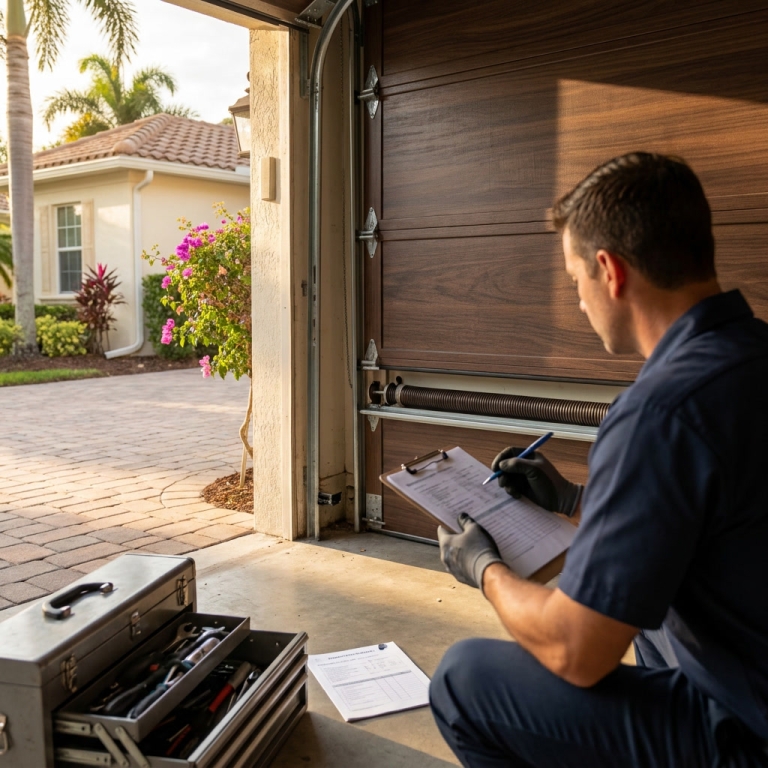
Check the hinges, rollers, bolts, and visible fasteners for looseness or damage. Rollers should move inside the tracks without wobbling excessively. If the door has worn steel rollers, ask a technician whether sealed nylon rollers would provide quieter operation. Inspect the lift cables from a safe distance. Frayed, loose, or uneven cables require professional attention.
Test the door’s balance only if the manufacturer’s instructions allow it and you understand the process. Disconnecting the opener can be dangerous if the door is unstable. A properly balanced door should not slam down or rise rapidly when operated manually. If it feels unusually heavy, stop using it and arrange professional garage door service.
- Look for damaged panels, hinges, rollers, cables, and brackets.
- Listen for grinding, scraping, popping, or loud vibration.
- Confirm that the door opens and closes evenly.
- Keep tracks clear without changing their alignment.
- Record every concern in the property maintenance log.
Seasonal Garage Door Maintenance Tasks
Seasonal maintenance is especially important in Florida, where heat, humidity, intense sunlight, heavy rain, and tropical storms can affect garage doors throughout the year. Weather does not simply attack the outside of a door; it can also affect lubricants, seals, metal hardware, electrical components, and wooden materials.
Before the wet season, inspect the bottom seal and side weatherstripping. These flexible barriers help prevent rainwater, insects, dust, and hot outdoor air from entering the garage. If the seal is cracked, flattened, brittle, or pulling away from the door, replace it. A damaged seal may also allow wind-driven rain to reach stored belongings and interior walls.
Look at the garage floor near the door after heavy rain. Water trails can reveal gaps that are not obvious during dry weather. Also inspect the area around the opener for leaks or condensation. The opener is an electrical device, so it should remain dry. If water reaches an outlet, wiring, or motor housing, switch off the appropriate circuit only if it is safe to do so and contact a qualified professional.
Lubrication is another seasonal task, but more is not always better. Apply a garage-door-specific lubricant to hinges, bearings, and metal rollers according to the manufacturer’s recommendations. Avoid spraying lubricant on the tracks. Excess oil can attract dust and create a sticky surface that interferes with smooth movement. Springs may require specialized treatment, so do not spray or adjust them casually.
After severe weather, inspect the door for dents, shifted tracks, loose hardware, broken windows, and wind damage. If the door was exposed to flooding, do not operate the opener until an electrician or garage door technician has inspected it. Even when the door still moves, hidden damage may make continued operation unsafe.
Landlords can also use seasonal inspections to remove stored items from around the door. Boxes, bicycles, tools, and cleaning supplies should not block the door’s path or safety sensors. A clear garage is easier to inspect and safer for tenants.
For more guidance about keeping a rental property’s entry system dependable, landlords can arrange a garage door inspection before and after severe weather. That small step may prevent a much larger repair later.
Garage Door Opener and Remote Checklist
The opener deserves the same attention as the door itself. A door may look perfectly healthy while the opener struggles to lift it, fails to reverse, or responds inconsistently to commands. Begin by testing the wall control. Press the button and observe whether the opener starts promptly. If there is a delay, buzzing, flickering, or intermittent operation, document the symptom rather than repeatedly pressing the button.
Test the automatic reverse feature using the manufacturer’s recommended method. Many systems allow you to place a solid object, such as a piece of lumber, beneath the door and close it. The door should reverse when it contacts the object. Never use a person, pet, or any fragile item for this test. If the door does not reverse, disconnect the system from use and arrange immediate service.
Check the photoelectric safety sensors near the bottom of each track. They should face one another and display their expected indicator lights. Dust, cobwebs, accidental bumps, or direct sunlight can interfere with their operation. Clean the lenses gently with a soft, dry cloth. Do not place objects near the sensors to force the door to operate.
Test every remote control assigned to the property. Replace weak batteries and confirm that former tenants no longer have access. When a tenant moves out, landlords should reprogram remotes, keypad codes, and smart-home permissions. Changing access credentials is a simple security measure, much like changing the locks after a tenancy ends.
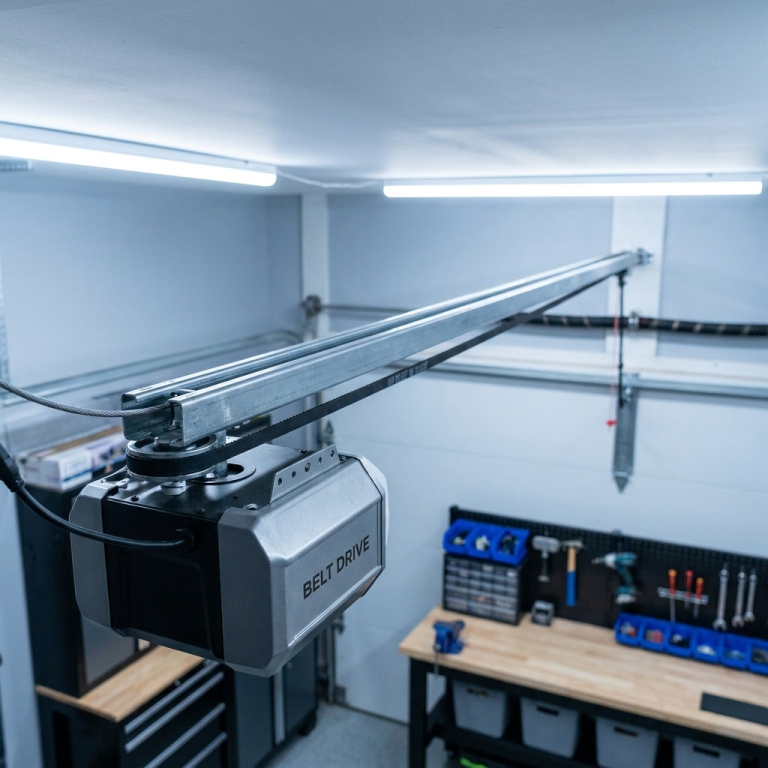
Inspect the opener’s hanging hardware and light cover. Excessive vibration may loosen mounting points over time. Replace burned-out bulbs with models recommended for garage door openers, since ordinary bulbs may not tolerate vibration. If the opener is more than 10 to 15 years old, ask a professional whether replacement would improve safety, noise levels, and reliability.
Modern openers may include battery backup, smartphone controls, rolling-code security, and automatic closing features. These features can be useful in rental properties, but only if tenants understand how to use them. Provide clear written instructions and explain what to do if the system stops working.
A landlord can request opener repair or replacement advice when a unit behaves unpredictably. Reliable testing is much safer than guessing at the cause of an electrical or mechanical fault.
Safety and Security Checks for Rental Properties
Garage door safety combines mechanical operation with access control. A door that closes smoothly but remains open for hours is still a property risk. During each inspection, confirm that the door closes completely and that the bottom seal meets the floor evenly. Gaps may allow pests into the garage and can make it easier for unauthorized people to enter.
Review who has access to the garage. Depending on the property, access may include physical keys, remote controls, keypad codes, vehicle transmitters, smart-home apps, or shared community systems. Keep an updated record of which tenant has each device. When a tenancy ends, collect remotes and delete digital permissions. If a remote is missing, erase the opener’s memory and program new devices.
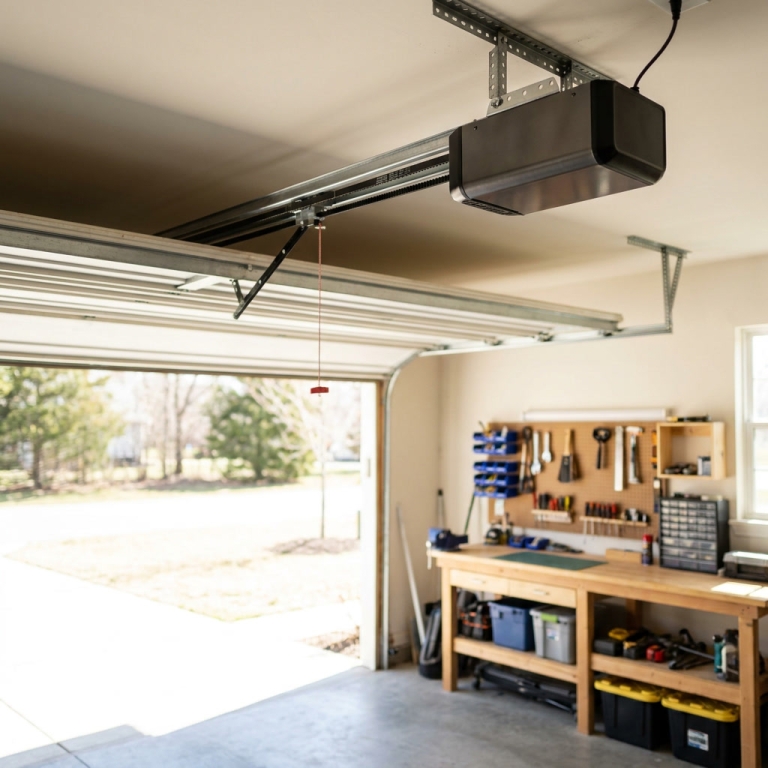
Emergency release systems deserve special attention. The red emergency release cord allows the door to be disconnected from the opener during a power failure or malfunction. Tenants should know where it is and understand that pulling it while the door is moving can be dangerous. Include basic instructions in the move-in packet, but make it clear that tenants should not attempt spring, cable, or track repairs.
Keep the garage door area well lit. Good lighting helps tenants see obstacles, identify strangers, and notice signs of damage. Motion-activated lights can improve visibility without wasting energy. If the garage connects directly to the home, check that the interior door closes and locks properly as well.
Safety signage can be useful in multi-unit properties. A simple notice may remind residents not to walk, stand, or allow children to play beneath a moving door. In shared garages, establish rules for reporting unusual noise, failed sensors, collision damage, or a door that will not close.
It is also wise to maintain a written inspection history. Record the date, technician, observed condition, repairs, parts used, and recommendations. Documentation does not replace proper maintenance, but it creates a clear paper trail and helps identify recurring issues.
Important: Never remove, bypass, or disable a garage door’s safety sensors or reverse mechanism to make the system operate temporarily.
When Landlords Should Call a Professional
Some maintenance tasks are suitable for landlords, while others should always be handled by trained technicians. Cleaning sensor lenses, changing remote batteries, checking weather seals, and recording unusual sounds are generally reasonable. Adjusting torsion springs, replacing lift cables, repairing bent tracks, and rewiring openers are not simple do-it-yourself jobs.
Garage door springs are under substantial tension. If one breaks, it may release energy suddenly and damage nearby property or injure someone. Cables can also snap or come off their drums, causing the door to fall unevenly. These problems need professional equipment and proper procedures. A quick online tutorial is not a substitute for hands-on training.
Call a technician promptly if the door is crooked, unusually heavy, stuck open, stuck closed, or making sharp popping sounds. You should also seek help when the opener runs but the door does not move, the door reverses without an obvious obstacle, or the sensors repeatedly fail after cleaning and alignment checks.
Emergency situations require faster action. A broken door can leave a tenant trapped inside, expose the garage to theft, or create a hazard for children and pets. If you need emergency garage door repair near me in Broward County, Florida, Same-day service, 13+ years experience, 450+ five-star reviews. Call (954) 830-9661.
When selecting a vendor, ask whether the company is insured, whether technicians are experienced with your door type, and whether the repair includes a workmanship warranty. Request an explanation of the problem, not merely a price. A trustworthy technician should explain which part failed, what caused the failure, and whether related components need inspection.
After a repair, test the door several times and confirm that all safety features work. Save the invoice with your property records. A strong garage door repair partner can help landlords respond quickly while keeping maintenance decisions organized.
Creating a Practical Maintenance Schedule
A checklist works best when it becomes a habit. Create three maintenance levels: monthly, seasonal, and annual. Monthly checks can cover operation, unusual sounds, visible damage, remotes, and safety sensors. Seasonal checks can focus on weather seals, lubrication, storm damage, drainage, and electrical exposure. An annual professional inspection can evaluate springs, cables, bearings, rollers, tracks, opener force, and overall balance.
Use a spreadsheet, property management platform, or simple paper form. Include the property address, door type, opener model, installation date if known, inspection date, tenant contact, and repair history. Add photographs when you find damage. Images can help technicians prepare for a visit and make it easier to compare changes over time.
Tenant communication matters too. Give residents a short reporting guide that explains which issues require immediate attention. For example, a door that will not close, a broken spring, exposed cable, or damaged sensor should be reported right away. Encourage tenants to report noise early instead of waiting until the door stops working.
Budgeting is another important part of the schedule. Set aside money for routine service, replacement remotes, seal replacement, weather-related repairs, and eventual opener or door replacement. Garage door components do not last forever. Planning for replacement is less painful than facing a surprise expense after a major failure.
Consider the age and usage of each system. A door used dozens of times daily in a busy rental complex will wear faster than a door opened once or twice per day. Coastal properties may also experience accelerated corrosion because of salty air and humidity. Your maintenance schedule should reflect actual conditions rather than follow a rigid one-size-fits-all calendar.
Finally, review the checklist after every repair. If the same roller, hinge, or sensor fails repeatedly, investigate the underlying cause. Replacing the same part again and again is like patching a leaking roof without finding the hole. A professional assessment may reveal alignment, structural, or design issues that require a broader solution.
Conclusion
A garage door maintenance checklist helps landlords protect tenants, reduce emergency calls, preserve property value, and control long-term repair costs. Monthly inspections, seasonal preparation, opener testing, security reviews, accurate documentation, and professional servicing all work together. You do not need to become a garage door technician; you simply need a consistent system for noticing problems and acting before they become dangerous. When a repair involves springs, cables, tracks, or electrical components, choose qualified help and keep the service record with the rest of your property documents. A few minutes of attention today can keep a heavy, complex door operating safely for years.
Frequently Asked Questions
How often should a landlord inspect a garage door?
Landlords should perform a basic visual and operational check at least once a month, with more frequent checks for high-use or multi-unit properties. Schedule a professional inspection annually or whenever the door shows unusual noise, uneven movement, damage, or safety problems.
Can landlords lubricate garage door springs themselves?
Landlords should follow the manufacturer’s instructions and avoid touching or adjusting spring tension. Springs are under extreme force. If lubrication is recommended, ask a trained technician to complete the task during a professional inspection rather than risking an injury.
What should a tenant do if the garage door will not close?
The tenant should check for obvious obstructions and gently clean the safety sensor lenses if they are dirty. They should not bypass the sensors or force the door down. If the door remains open, the tenant should notify the landlord immediately because the garage and home may be vulnerable.
Should landlords replace old garage door openers?
Replacement may be wise when an opener is unreliable, lacks modern safety features, cannot support the door properly, or requires frequent repairs. A professional can determine whether repair is practical or whether a newer opener with battery backup and improved security would be more cost-effective.
Does Florida weather affect garage door maintenance?
Yes. Florida’s humidity, heat, heavy rain, salt air, and storms can accelerate rust, damage seals, affect electronics, and stress door materials. Landlords should inspect weatherstripping, drainage, tracks, hardware, and opener components regularly, especially after severe weather.
Skip the YouTube rabbit hole - we'll have a tech at your door same day across Broward, Dade and Palm Beach.