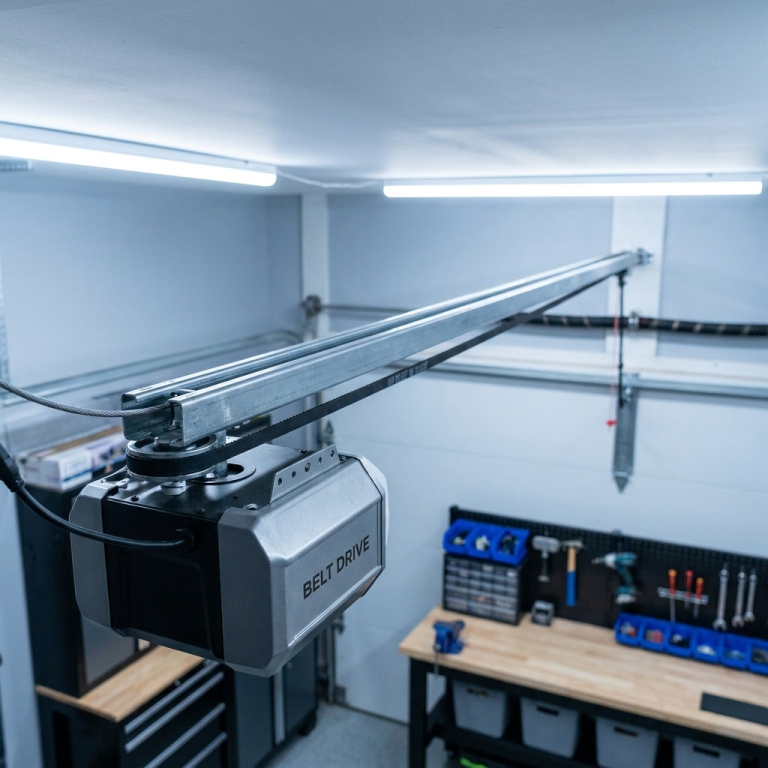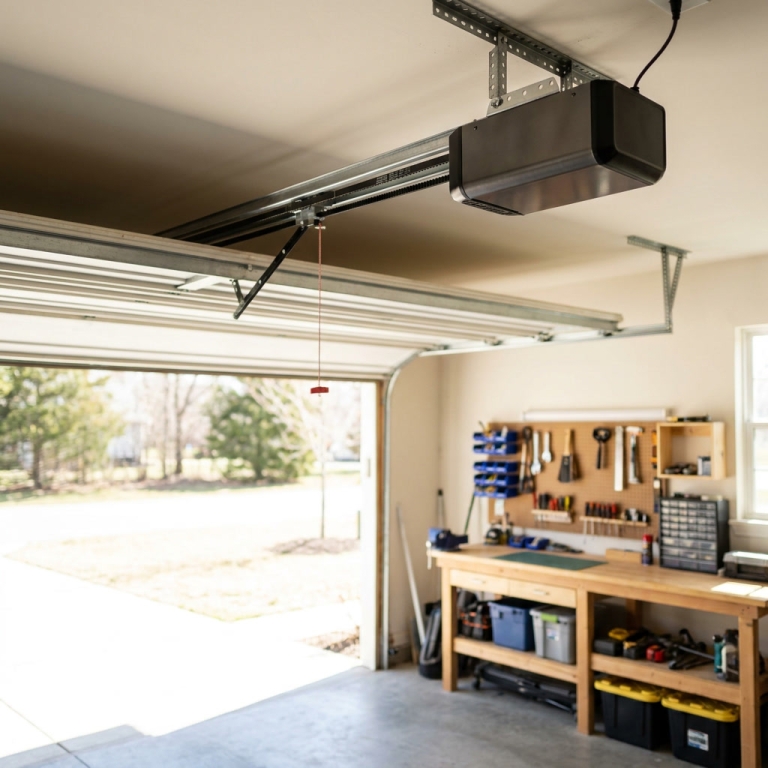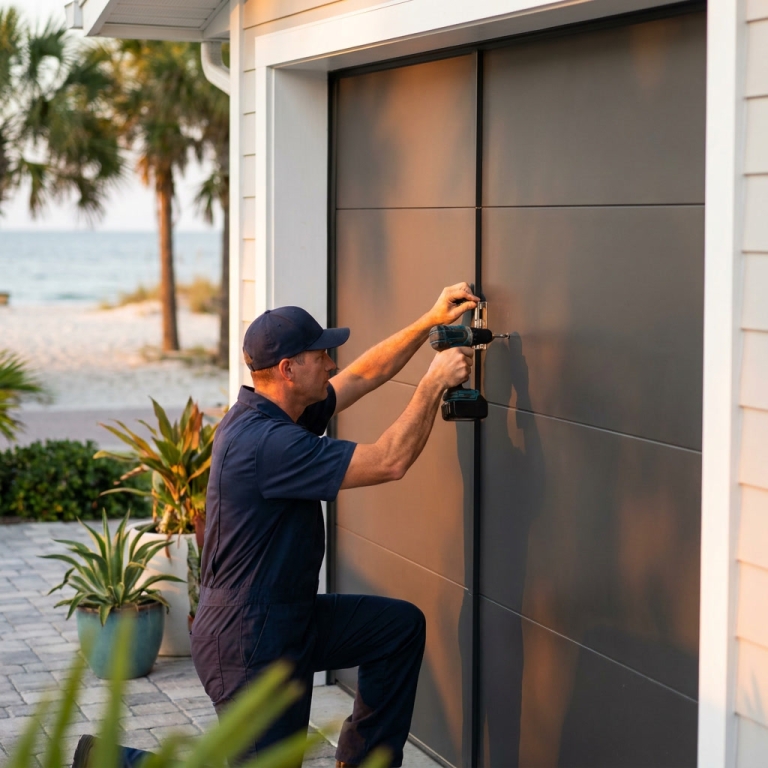

If your garage door opener is becoming unreliable, noisy, or slow to respond, it may be time to consider a garage door opener replacement before a small issue turns into a bigger safety or convenience problem. Common warning signs include frequent breakdowns, unusual grinding sounds, delayed opening and closing, remote control problems, and an opener that struggles to lift the door smoothly. In many cases, these symptoms point to worn-out parts, outdated technology, or a system that no longer operates efficiently. For homeowners in South Florida, Garage Door Pros’ has been helping families since 2012 with fast, affordable, and reliable garage door services, including garage door opener replacement, garage door repair, sensor replacement, and electric garage door opener installation. With trusted brands like LiftMaster, trained and certified technicians, and over 900 five-star reviews, the company is known for professional service with a personal touch. Whether you live in Miramar, Plantation, Hollywood, Weston, Pembroke Pines, Davie, Fort Lauderdale, or nearby areas, Garage Door Pros’ is ready to help restore peace of mind with expert solutions tailored to your home.
Common Signs Your Garage Door Opener Needs Replacement
A garage door opener is one of the most used mechanical devices in a home, and like any motorized system it eventually wears out. When it starts failing, the warning signs are often easy to miss at first because they appear gradually. A door that hesitates, makes unusual noises, responds inconsistently, or stops working altogether may be telling you that repair is no longer the best option. In many cases, replacing the opener is the safer and more cost effective choice, especially if the unit is older, lacks modern safety features, or has already needed repeated service. Homeowners who notice these issues should also consider whether the problem is isolated or part of a larger system issue involving the door, tracks, sensors, or springs. If you are unsure, a professional garage door opener replacement evaluation can help determine whether repair or replacement makes more sense. One of the clearest signs of a failing opener is excessive noise. While all openers make some sound, grinding, rattling, squealing, or clunking often means the motor, gears, chain, or internal components are wearing down. Older chain drive systems can be louder than newer belt drive models, but a sudden increase in noise usually indicates a problem rather than normal operation. Another common sign is slow or uneven movement. If the door opens more slowly than it used to, pauses midway, or struggles to lift the door, the opener may be losing power. This can happen because the motor is weakening or because the opener is working harder than it should due to age or internal damage. The U.S. Consumer Product Safety Commission has long emphasized the importance of properly functioning garage door safety systems because garage doors are heavy and can cause serious injury if they fail unexpectedly. That is why a malfunctioning opener should never be ignored. According to the Door and Access Systems Manufacturers Association, modern garage door openers are designed with safety and reliability improvements that older units may not have, including better auto reverse technology and quieter operation. If your opener is more than 10 to 15 years old, replacement may be a smarter investment than repeated repairs. Frequent breakdowns are another strong indicator that the opener is nearing the end of its life. If you have already replaced remotes, sensors, gears, or circuit boards and the system still fails, the cost of continued repairs can quickly exceed the value of a new unit. In many homes, the opener is expected to last around 10 to 15 years depending on usage, maintenance, and model quality. Heavy daily use can shorten that lifespan. A family that opens and closes the garage several times a day may wear out an opener faster than a household that uses it only occasionally. If the opener works one day and fails the next, or if it needs frequent resetting, that inconsistency is a sign of internal wear or electrical trouble. Another warning sign is unreliable remote or wall control response. If you press the remote and the door only responds sometimes, or if the wall button works but the remote does not, the issue may be more than a dead battery. Intermittent response can point to failing receiver components, damaged wiring, or a motor control board that is beginning to fail. In some cases, the opener may still operate but only after multiple attempts. That kind of inconsistency is frustrating and can become a safety concern if the door does not close properly when needed. If you are also noticing sensor problems, it may be worth checking related systems through a garage door sensor inspection or a full garage door repair service. A garage door opener that reverses unexpectedly or stops before the door is fully open or closed is another sign that replacement may be needed. Sometimes this happens because the force settings are off, but if adjustments do not solve the issue, the opener may be failing internally. Modern openers are built to detect resistance and reverse for safety, but older units may not respond as accurately. This can create a situation where the door will not stay closed or will reverse for no clear reason. That is not only inconvenient but also a security issue because it leaves the garage and home exposed. Security concerns are especially important if your opener uses outdated technology. Older systems may use fixed codes that are easier to intercept, while newer smart openers offer rolling code technology, app control, and better access management. The National Institute of Standards and Technology has repeatedly highlighted the importance of stronger digital security in connected devices, and garage door openers are no exception. If your opener lacks modern security features, replacement can improve both convenience and protection. A new system may also integrate with smart home platforms, allowing you to monitor and control the door remotely. If that is important to you, a smart garage door opener installation may be worth considering. Another sign of replacement is visible wear on the opener itself. Burn marks, frayed wiring, cracked housing, rust, or a motor that feels unusually hot after use are all red flags. Electrical components can degrade over time, and heat buildup may indicate the motor is overworking or nearing failure. If the opener emits a burning smell, shuts off unexpectedly, or trips the breaker, stop using it and have it inspected immediately. These symptoms can point to electrical hazards that should not be ignored. In addition to mechanical and electrical symptoms, changing performance in cold or humid weather can reveal a weak opener. If the system only struggles during certain seasons, the motor may already be underpowered. While temperature can affect lubrication and door balance, a healthy opener should still function reliably under normal conditions. If weather changes make the door unreliable, the opener may be too old or too weak for the current setup. This is especially true if the door has been upgraded to a heavier insulated model and the opener was never replaced to match the new load. The U.S. Department of Energy notes that insulated garage doors can improve energy efficiency, but heavier doors may require properly sized hardware and openers to operate safely and efficiently. That means a door upgrade can sometimes reveal that the opener is no longer adequate. Homeowners should also pay attention to unusual vibrations. A little movement is normal, but strong shaking can mean worn gears, loose mounting hardware, or a failing motor assembly. If the opener shakes the ceiling or the door jerks during operation, the system may be nearing failure. These symptoms often get worse over time. In some cases, a tune up may help, but if the unit is old and the vibration is severe, replacement is usually the better long term solution. A professional garage door tune up can help identify whether the problem is minor or whether the opener is beyond repair. Another practical sign is the age of the unit itself. Even if it still works, an opener that is more than a decade old may not meet current safety or performance expectations. Technology has improved significantly in recent years, and newer models are quieter, more efficient, and more secure. They also tend to include battery backup, motion activated lighting, and smartphone connectivity. If your current opener lacks these features and is already showing wear, replacement can add value and peace of mind. According to industry guidance from the International Door Association, regular maintenance and timely replacement are key to keeping garage door systems safe and dependable. That is why many professionals recommend replacing an opener before it fails completely, rather than waiting for an emergency. If you are comparing options, it helps to think about the total cost of ownership. A cheap repair may solve the problem temporarily, but repeated service calls, downtime, and safety risks can make replacement the better investment. A new opener can reduce noise, improve reliability, and lower the chance of being locked in or out of the garage. It can also improve daily convenience for families who rely on the garage as the main entry point. For homeowners who want expert guidance, the team at GarageFL can help assess the condition of the opener and recommend the right next step. In many cases, the decision becomes clear when the opener shows multiple warning signs at once. For example, if it is noisy, slow, inconsistent, and more than 10 years old, replacement is usually the most practical choice. If it is also missing modern safety and security features, the case for upgrading becomes even stronger. The goal is not just to restore function but to ensure the entire garage door system operates safely and efficiently. As the CPSC advises, garage door systems should be maintained carefully because they are powerful mechanical devices that can pose risks when neglected. If you notice any of these symptoms, do not wait until the opener fails completely. A timely replacement can prevent inconvenience, reduce repair costs, and improve safety for everyone in the home.
How to Know When Repair Is No Longer Enough
When a garage door opener starts acting up, it is easy to assume a quick repair will solve the problem. In many cases, that is true. A worn gear, a loose chain, a misaligned sensor, or a failing remote can often be fixed without replacing the entire unit. But there comes a point when repeated repairs stop being practical and start becoming a sign that the opener is reaching the end of its useful life. Knowing when repair is no longer enough can save time, reduce frustration, and prevent unexpected breakdowns that leave your garage door stuck open or closed at the worst possible moment. One of the clearest warning signs is frequent breakdowns. If you have already scheduled multiple service calls for the same opener and the same issues keep returning, the system may be wearing out faster than it can be restored. A garage door opener is made up of several moving and electronic parts, and when one problem leads to another, the cost of keeping it alive can quickly add up. At that stage, replacing the unit may be more economical than continuing to patch it. Another major sign is age. Most openers are designed to last for many years, but older models often lack the durability, efficiency, and safety features found in newer systems. If your opener is more than 10 to 15 years old, repair may only provide a short term fix. Older units can also become harder to service because replacement parts may be discontinued or difficult to find. In those cases, a modern garage door opener replacement can offer better performance and long term reliability. Strange noises are another clue that repair may no longer be enough. Grinding, rattling, screeching, or clunking sounds can point to worn internal components, motor strain, or failing drive mechanisms. While some noise can be reduced with maintenance or a garage door tune up, persistent loud operation often means the opener is struggling to do its job. If the motor sounds like it is working harder than usual, or if the door shakes and jerks during movement, the system may be nearing failure. Slow or inconsistent operation is also a strong indicator. A healthy opener should lift and lower the door smoothly and at a steady pace. If the door hesitates, reverses unexpectedly, stops midway, or responds only after several attempts, the problem may be deeper than a simple adjustment. Electrical issues, worn drive parts, or a weakening motor can all cause unreliable performance. When these symptoms continue after basic repairs, replacement becomes the smarter choice. Safety concerns should never be ignored. Modern garage door openers are designed with important safety features such as auto reverse, motion detection, and sensor based protection. If your opener does not respond properly when an object is in the door path, or if the sensors are repeatedly failing despite service, the system may no longer be safe to use. A malfunctioning opener can create a serious risk for people, pets, and vehicles. In situations like this, it is often better to move forward with a new unit rather than continue relying on an aging system. Another sign that repair is no longer enough is when the opener no longer supports your needs. Many homeowners want quieter operation, better security, smart home compatibility, or remote access from a phone. Older openers may not be able to provide these features, even if they are still technically working. If you are already considering upgrades for convenience and peace of mind, replacement can be a worthwhile investment. A new system can improve daily use while also reducing the chance of future problems. Power issues can also point to the need for replacement. If the opener frequently loses power, struggles after outages, or has a motor that overheats, the internal components may be failing. Repeated electrical problems are especially concerning because they can affect both performance and safety. In some cases, the issue may be tied to the opener itself rather than the wiring or outlet. When troubleshooting does not solve the problem, a new opener may be the most dependable solution. Cost is another important factor. It is common to compare the price of repair with the cost of replacement, but the decision should also account for future expenses. If a repair is expensive and there is no guarantee the opener will continue working well, replacement may offer better value. This is especially true when the opener has already needed several repairs in a short period. Spending money again and again on an aging unit can become more costly than installing a new one. If you are unsure whether to repair or replace, a professional inspection can help you make the right call. An experienced technician can evaluate the motor, drive system, sensors, wiring, and overall condition of the opener to determine whether the problem is isolated or part of a larger failure. In many cases, a trusted expert can explain whether a repair will truly extend the life of the system or whether replacement is the more practical option. For homeowners who want dependable guidance, a service like garage door opener repair Fort Lauderdale can help identify the difference between a temporary fix and a long term solution. It is also worth considering how the opener affects the rest of the garage door system. If the opener is putting extra strain on the door, tracks, rollers, or springs, continuing to repair only the opener may not solve the bigger issue. A system that is out of balance or poorly maintained can make even a new opener wear out faster. That is why a full evaluation of the door and opener together is often the best approach. In some cases, a technician may recommend additional service such as a garage door repair or a complete safety inspection to make sure the entire system is working properly. Another practical sign that repair is no longer enough is when the opener has become incompatible with modern parts or technology. Older models may use outdated logic boards, remotes, or safety sensors that are no longer supported. If a key component fails and cannot be replaced easily, the entire opener may need to be upgraded. This is especially common with units that have been in service for many years and have already had several parts replaced over time. Homeowners should also pay attention to how often they need to reset or reprogram the opener. If remotes stop working frequently, the keypad becomes unreliable, or the wall control behaves unpredictably, the issue may be more than a minor inconvenience. These problems can signal failing electronics inside the opener itself. When the control system becomes unstable, replacement is often the most reliable way to restore consistent operation. Ultimately, the decision comes down to reliability, safety, and value. A garage door opener that works only some of the time is not just frustrating it can disrupt your routine and create unnecessary risk. If the opener is old, noisy, slow, unsafe, expensive to maintain, or no longer compatible with your needs, repair may no longer be enough. Choosing replacement at the right time can prevent repeated service calls and give you a quieter, safer, and more efficient system. If you are noticing several of these warning signs, it may be time to speak with a professional and explore your options through contact for expert advice and a clear recommendation.
In conclusion, knowing the signs of a failing garage door opener can save you time, money, and frustration. If your opener is making unusual noises, responding slowly, or no longer working reliably, it may be time to consider a replacement. Paying attention to these warning signs early can help you avoid unexpected breakdowns and keep your garage door operating safely and smoothly. When in doubt, consult a professional to determine whether a repair or full replacement is the best solution for your home.
Skip the YouTube rabbit hole - we'll have a tech at your door same day across Broward, Dade and Palm Beach.