In today's fast-paced world, the convenience of a garage door opener is undeniable, but signal interference can quickly turn this convenience into a frustration. Understanding how to prevent garage door opener signal interference is crucial for maintaining seamless access to your garage. At GarageFL, we specialize in expert garage door repair, installation, and maintenance across South Florida, ensuring that your garage door operates smoothly without any hitches. Signal interference can stem from various sources, such as nearby electronic devices or even structural barriers, which can disrupt the frequency your garage door opener relies on. By addressing these issues, you can enhance the reliability of your garage door system. As a trusted, licensed, and insured company, GarageFL is committed to providing fast and efficient service to help you tackle any garage door challenges. Whether you're dealing with signal interference or need a complete garage door overhaul, our team is here to assist you. Call GarageFL today for expert advice and solutions tailored to your needs.
Understanding Garage Door Opener Signals
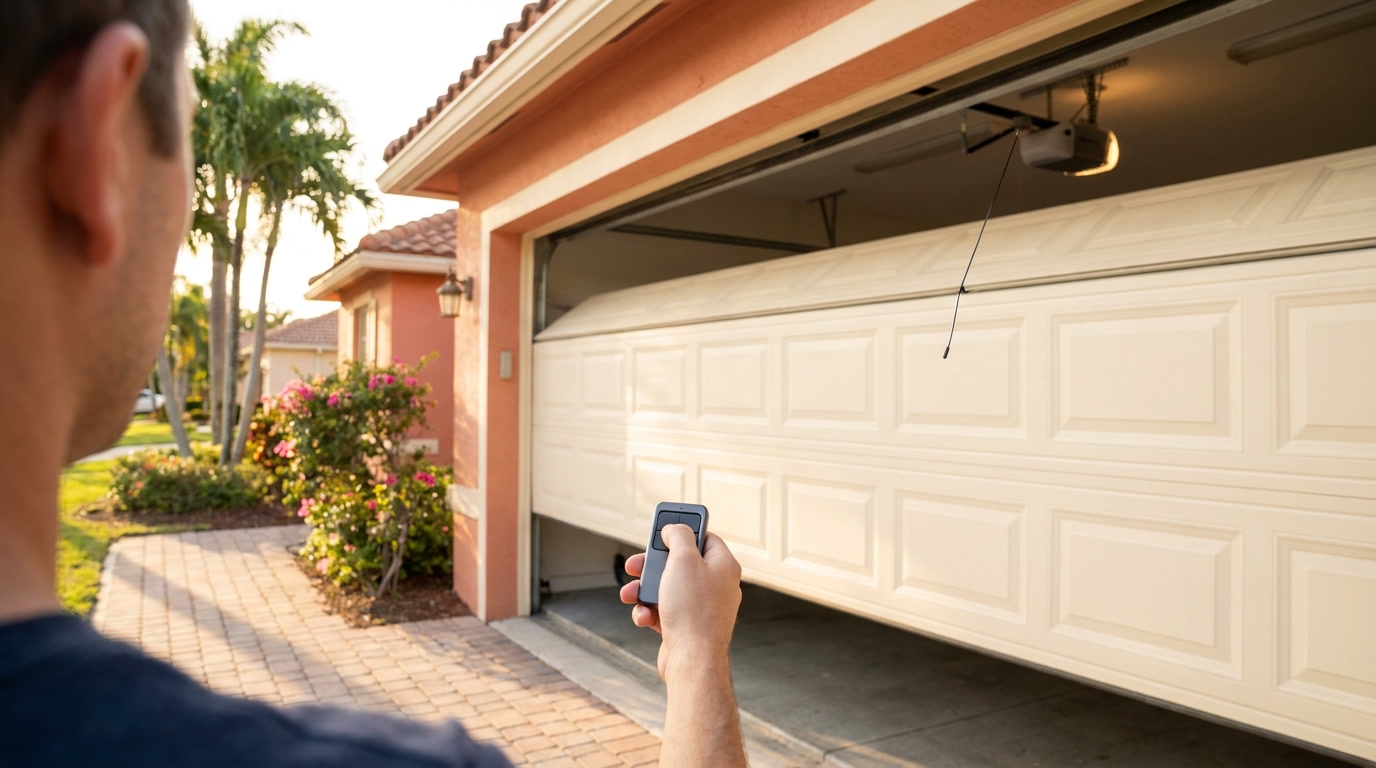
Garage door openers have become an essential part of modern living, providing convenience and security for homeowners. However, understanding how these devices work, especially their signals, is crucial to ensuring they function optimally and without interference. Garage door openers operate using radio frequency signals, which are transmitted from the remote control to the receiver in the garage door opener unit. These signals are typically in the range of 300 to 400 MHz, a frequency band that is also used by various other devices, leading to potential interference issues.
The basic operation of a garage door opener involves a transmitter (the remote control) sending a coded signal to the receiver (the garage door opener unit). When the receiver gets the correct signal, it activates the motor to open or close the garage door. The coding of these signals is crucial for security, as it prevents unauthorized access. Modern garage door openers use rolling code technology, which changes the code each time the remote is used, making it difficult for potential intruders to capture and replicate the signal.
However, several factors can interfere with these signals, causing your garage door opener to malfunction. Common sources of interference include other wireless devices such as baby monitors, cordless phones, and Wi-Fi routers. Physical obstructions like walls and metal objects can also weaken the signal. Additionally, environmental factors such as weather conditions can affect signal transmission.
To mitigate these issues, it's important to understand the specific causes of interference and how to address them. For instance, if you suspect that your Wi-Fi router is causing interference, you might consider changing the channel on which your router operates. Similarly, relocating the router or the garage door opener's receiver to minimize physical obstructions can help improve signal strength.
Moreover, regular maintenance and inspections can help ensure that your garage door opener system is functioning properly. Checking for any signs of wear and tear, ensuring that the antenna on the garage door opener is properly extended, and replacing batteries in the remote control can all contribute to better performance. For more complex issues, professional services such as garage door opener repair can provide expert solutions.
In some cases, upgrading to a more advanced system might be the best solution. Newer models of garage door openers come with enhanced security features and are designed to minimize interference. For instance, a smart garage door opener installation can offer improved connectivity and control through smartphone apps, allowing you to operate your garage door remotely and receive notifications about its status.
Understanding the signals and potential interference sources is key to maintaining the efficiency and security of your garage door opener. By taking proactive steps to address interference issues, you can ensure that your garage door operates smoothly and reliably. For more information on maintaining your garage door system, consider visiting our FAQ page or contacting our team of experts for personalized advice and assistance.
In summary, while garage door openers provide significant convenience, understanding their signal operations and potential interference sources is crucial for optimal performance. By staying informed and taking appropriate measures, you can prevent interference and enjoy the full benefits of your garage door opener system.
Common Causes of Signal Interference
Signal interference is a common issue that can disrupt the functionality of your garage door opener, leading to frustration and inconvenience. Understanding the common causes of signal interference is crucial for effectively addressing and preventing these disruptions. One of the primary causes of signal interference is the presence of other electronic devices operating on similar frequencies. Many household devices, such as cordless phones, baby monitors, and wireless routers, operate on frequencies that can overlap with those used by garage door openers. This overlap can cause interference, leading to delayed or failed responses from your garage door system. Additionally, physical obstructions such as walls, metal doors, and even certain types of insulation can weaken or block the signal between the remote and the opener, further complicating the issue.
Another significant source of interference is the presence of nearby radio frequency (RF) sources. These can include radio towers, television broadcast antennas, and even nearby airports. Such sources emit strong RF signals that can overwhelm the relatively weak signals used by garage door openers, causing them to malfunction. Moreover, outdated or poorly maintained garage door systems can also contribute to signal interference. Older models may not be equipped with modern technology designed to minimize interference, making them more susceptible to disruptions. Regular maintenance and timely upgrades can help mitigate these issues. For instance, a garage door opener replacement with a newer model that uses rolling code technology can significantly reduce the likelihood of interference.
Environmental factors can also play a role in signal interference. Weather conditions such as heavy rain, snow, or fog can affect the transmission of signals, leading to temporary disruptions. Additionally, the presence of large metal objects or vehicles parked close to the garage door can reflect or absorb signals, causing interference. To address these issues, it is essential to ensure that the area around your garage door is clear of obstructions and that your garage door system is properly maintained. Regular garage door tune-ups can help identify and resolve potential sources of interference before they become significant problems.
In some cases, interference can be caused by issues with the garage door opener itself. Faulty wiring, worn-out components, or a malfunctioning remote can all contribute to signal problems. Ensuring that your garage door opener is in good working condition is crucial for preventing interference. If you suspect that your garage door opener is the source of the problem, it may be time to consider a professional garage door opener repair service to diagnose and fix the issue. By understanding these common causes of signal interference and taking proactive steps to address them, you can ensure that your garage door opener functions smoothly and reliably.
Identifying Interference Sources in Your Home
When it comes to ensuring the smooth operation of your garage door opener, identifying potential sources of signal interference within your home is crucial. Interference can disrupt the communication between your remote control and the garage door opener, leading to frustrating malfunctions. To effectively address this issue, it is essential to understand the common culprits that may be causing interference and how to mitigate their effects.
One of the primary sources of interference is other wireless devices operating on similar frequencies. Many garage door openers operate on the 315 MHz or 390 MHz frequency bands, which can overlap with other household devices such as baby monitors, cordless phones, and even some Wi-Fi networks. These devices can emit signals that interfere with the garage door opener's ability to receive commands from the remote. To minimize this type of interference, consider relocating these devices away from the garage or switching to devices that operate on different frequency bands.
Another potential source of interference is electrical noise generated by household appliances. Devices such as microwaves, refrigerators, and fluorescent lights can produce electromagnetic interference that disrupts the garage door opener's signal. To address this, ensure that your garage door opener is plugged into a dedicated outlet, separate from other high-power appliances. Additionally, installing a power line filter can help reduce electrical noise and improve the reliability of your garage door opener.
Metal objects and structures can also contribute to signal interference. Metal can reflect or absorb radio signals, weakening the communication between the remote and the opener. If your garage is surrounded by metal shelving, storage units, or even a metal roof, these could be potential sources of interference. To mitigate this, try repositioning the antenna on your garage door opener to improve signal reception. In some cases, extending the antenna or using a signal booster can also enhance performance.
In some instances, interference may be caused by issues with the garage door opener itself. Faulty components or outdated technology can lead to poor signal reception. Regular maintenance and inspections can help identify and resolve these issues. If you suspect that your garage door opener is the source of the problem, consider consulting a professional for a garage door opener repair or even a garage door opener replacement to ensure optimal performance.
Environmental factors can also play a role in signal interference. Weather conditions such as heavy rain, snow, or extreme temperatures can affect the performance of your garage door opener. Ensuring that your garage door system is well-maintained and weatherproofed can help mitigate these effects. For those living in areas prone to severe weather, investing in a hurricane garage door can provide additional protection and reliability.
In conclusion, identifying and addressing interference sources in your home is key to maintaining the efficient operation of your garage door opener. By understanding the potential culprits and taking proactive measures, you can significantly reduce the likelihood of signal disruptions. Whether it involves relocating wireless devices, minimizing electrical noise, or upgrading your garage door opener, these steps can help ensure that your garage door operates smoothly and reliably. For further assistance or professional services, consider reaching out to experts who can provide tailored solutions to meet your specific needs.
The Role of Frequency in Signal Interference
Understanding the role of frequency in signal interference is crucial when addressing issues related to garage door opener signal interference. Frequency refers to the number of times a wave oscillates in a second, measured in hertz (Hz). Garage door openers typically operate on radio frequencies, often around 300 to 400 MHz. These frequencies can be susceptible to interference from various sources, such as other electronic devices, nearby radio transmitters, or even Wi-Fi networks. When multiple devices operate on similar frequencies, they can cause signal overlap, leading to interference that disrupts the normal functioning of your garage door opener. This interference can manifest as delayed responses, failure to open or close, or erratic behavior of the garage door system. To mitigate these issues, it is essential to identify and minimize sources of interference. One effective strategy is to ensure that your garage door opener is equipped with a rolling code technology, which changes the frequency with each use, making it less susceptible to interference. Additionally, consider relocating other electronic devices that operate on similar frequencies away from the garage area. Regular maintenance and tune-ups can also help in identifying and resolving interference issues. If you continue to experience problems, consulting with a professional for a garage door opener repair might be necessary to ensure optimal performance. Understanding the nuances of frequency and its impact on signal interference can significantly enhance the reliability and efficiency of your garage door opener system.
How Weather Conditions Affect Signal Strength
Weather conditions can significantly impact the signal strength of your garage door opener, leading to potential interference issues. Understanding these effects is crucial for maintaining the optimal performance of your garage door system. Various weather elements, such as rain, snow, humidity, and temperature fluctuations, can influence the transmission of signals between your remote and the garage door opener. For instance, heavy rain or snow can absorb or scatter radio signals, weakening the connection and causing delays or failures in operation. Similarly, high humidity levels can lead to condensation on electronic components, potentially disrupting the signal path. Temperature extremes, whether hot or cold, can also affect the electronic circuitry within the opener, leading to reduced efficiency or even malfunctions.
Moreover, weather-related power surges during thunderstorms can interfere with the electrical systems of your garage door opener, necessitating frequent garage door opener repairs. To mitigate these issues, consider installing a surge protector to shield your opener from electrical spikes. Additionally, regular maintenance and garage door tune-ups can help ensure that your system remains resilient against weather-induced signal interference. It's also beneficial to check the condition of your garage door's weather seals, as they play a vital role in protecting the internal components from moisture and temperature extremes. If needed, a garage door weather seal replacement can provide an added layer of defense against the elements. By understanding and addressing the impact of weather on signal strength, you can enhance the reliability and longevity of your garage door opener system.
Upgrading to a Modern Garage Door Opener
Upgrading to a modern garage door opener is a strategic move that can significantly enhance the functionality and security of your home. As technology advances, older garage door openers may struggle with issues such as signal interference, which can be frustrating and inconvenient. Modern garage door openers are designed to minimize these issues, offering a more reliable and efficient operation. One of the primary benefits of upgrading is the incorporation of advanced technology that reduces the likelihood of signal interference. Newer models often use rolling code technology, which changes the access code each time the remote is used, making it nearly impossible for outsiders to intercept the signal. This not only enhances security but also ensures that your garage door operates smoothly without unexpected interruptions.
Additionally, modern garage door openers often come with smart technology features that allow you to control your garage door remotely via a smartphone app. This means you can open or close your garage door from anywhere, providing convenience and peace of mind. If you are away from home and need to let someone in, you can do so with just a few taps on your phone. This feature is particularly useful for busy households or those who frequently travel. Moreover, smart garage door openers can send alerts to your phone if the door is left open, adding an extra layer of security to your home.
Another advantage of upgrading is the improved energy efficiency and quieter operation of modern garage door openers. Many newer models are designed to be more energy-efficient, which can help reduce your electricity bills. They also tend to operate more quietly than older models, which is a significant benefit if your garage is attached to your home or if you have living spaces above or adjacent to the garage. This quiet operation is achieved through the use of belt drives or other advanced mechanisms that reduce noise and vibration.
When considering an upgrade, it is essential to choose a model that suits your specific needs and preferences. There are various types of garage door openers available, including chain drive, belt drive, and screw drive models. Each type has its own set of advantages and is suitable for different situations. For instance, belt drive openers are known for their quiet operation, making them ideal for homes where noise is a concern. On the other hand, chain drive openers are typically more affordable and durable, making them a popular choice for many homeowners.
If you are unsure about which type of garage door opener is best for your home, it may be helpful to consult with a professional. A garage door expert can assess your current setup and recommend the most suitable options based on your needs and budget. They can also handle the installation process, ensuring that your new opener is set up correctly and functions optimally. For more information on garage door opener replacement, you can visit our garage door opener replacement page.
Upgrading to a modern garage door opener is not just about improving convenience and security; it can also enhance the overall aesthetic of your home. Many new models come with sleek and stylish designs that can complement the look of your garage and home exterior. This can be particularly important if you are planning to sell your home in the future, as a modern and well-functioning garage door opener can be an attractive feature for potential buyers.
In conclusion, upgrading to a modern garage door opener is a wise investment that can offer numerous benefits, from reducing signal interference to enhancing security and convenience. With the added advantages of energy efficiency, quiet operation, and smart technology features, a new garage door opener can significantly improve your daily life. If you are considering an upgrade, be sure to explore the various options available and consult with a professional to ensure you choose the best model for your needs. For more details on our services, feel free to check out our services page or contact us directly.
The Importance of Regular Maintenance
Regular maintenance is a critical aspect of ensuring the smooth operation of your garage door opener and preventing signal interference. By routinely inspecting and servicing your garage door system, you can identify potential issues before they escalate into major problems. This proactive approach not only extends the lifespan of your garage door opener but also enhances its performance, ensuring that it operates efficiently and reliably. One of the primary benefits of regular maintenance is the prevention of signal interference, which can disrupt the communication between your remote control and the garage door opener. Signal interference can be caused by a variety of factors, including physical obstructions, electronic devices, and even environmental conditions. By conducting regular maintenance, you can identify and mitigate these factors, ensuring that your garage door opener functions without interruption.
During a maintenance check, a professional technician will inspect various components of your garage door system, including the sensors, cables, and springs. They will ensure that these components are in good working condition and make any necessary adjustments or repairs. For instance, the sensors play a crucial role in the operation of your garage door opener by detecting obstacles and preventing the door from closing on them. If the sensors are misaligned or malfunctioning, they can cause signal interference and affect the overall performance of the system. Regular maintenance can help prevent such issues by ensuring that the sensors are properly aligned and functioning correctly. If you suspect issues with your sensors, consider visiting our broken garage door system sensors page for more information.
In addition to inspecting the sensors, a maintenance check will also involve examining the cables and springs, which are essential for the safe and efficient operation of your garage door. Over time, these components can wear out or become damaged, leading to potential safety hazards and operational issues. By regularly inspecting and replacing worn-out cables and springs, you can prevent these problems and ensure that your garage door operates smoothly. If you need assistance with cable issues, our garage door cable repair services can provide the necessary support.
Another important aspect of regular maintenance is the lubrication of moving parts. Proper lubrication reduces friction and wear, ensuring that the garage door opener operates quietly and efficiently. It also helps prevent signal interference by reducing the strain on the motor and other components. During a maintenance check, a technician will lubricate the necessary parts, such as the rollers, hinges, and tracks, to ensure optimal performance. If you are experiencing noise issues, our garage door noise reduction services can help address these concerns.
Regular maintenance also provides an opportunity to upgrade your garage door opener system with the latest technology. For example, you may consider installing a smart garage door opener, which offers enhanced security features and remote access capabilities. These modern systems are designed to minimize signal interference and provide a more reliable and convenient user experience. By staying up-to-date with the latest advancements in garage door technology, you can ensure that your system operates at peak performance and remains free from signal interference. For more information on upgrading your system, visit our smart garage door opener installation page.
In conclusion, regular maintenance is essential for preventing garage door opener signal interference and ensuring the smooth operation of your system. By routinely inspecting and servicing your garage door components, you can identify and address potential issues before they become major problems. This proactive approach not only enhances the performance and lifespan of your garage door opener but also provides peace of mind knowing that your system is operating safely and efficiently. Whether you need assistance with sensor alignment, cable repair, or upgrading to a smart garage door opener, our team of experts is here to help. Contact us today to schedule a maintenance check and keep your garage door system in top condition.
Using Signal Boosters and Repeaters
When dealing with garage door opener signal interference, using signal boosters and repeaters can be an effective solution to enhance the range and reliability of your remote control system. Signal boosters and repeaters work by amplifying the signal from your garage door remote, ensuring it reaches the opener without interruption. This can be particularly useful in environments where there are numerous obstacles or electronic devices that might cause interference. By strategically placing a signal booster or repeater between the remote and the garage door opener, you can significantly improve the communication between these devices. This is especially beneficial in larger properties or homes with detached garages where the distance might otherwise weaken the signal. Additionally, these devices can help overcome interference from other wireless devices, such as Wi-Fi routers or cordless phones, which often operate on similar frequencies. When installing a signal booster or repeater, it is important to follow the manufacturer's instructions carefully to ensure optimal performance. You may also want to consult with a professional to determine the best placement and configuration for your specific setup. For those in need of professional assistance, consider reaching out to a service provider that specializes in garage door opener repair or smart garage door opener installation. They can offer expert advice and services to ensure your garage door system operates smoothly and efficiently. Furthermore, if you are experiencing persistent issues, it might be worth exploring a garage door tune-up to address any underlying mechanical problems that could be affecting the opener's performance. By taking these steps, you can minimize signal interference and enjoy a more reliable and convenient garage door operation.
Shielding Your Garage from External Interference
To effectively shield your garage from external interference, it is crucial to understand the various sources that can disrupt the signal of your garage door opener. Interference can stem from a multitude of electronic devices, including but not limited to, wireless routers, cordless phones, and even certain lighting systems. These devices operate on similar frequencies as your garage door opener, leading to potential disruptions. To mitigate these issues, consider relocating your wireless router or other electronic devices away from the garage area. Additionally, upgrading to a modern garage door opener that operates on a different frequency can significantly reduce interference. For instance, many newer models use a frequency of 310 MHz, which is less crowded than the traditional 390 MHz. If you are experiencing persistent issues, it might be time to explore a garage door opener replacement to ensure seamless operation. Another effective strategy is to install a signal repeater or extender, which can amplify the signal and improve the range of your garage door opener. Regular maintenance and garage door tune-ups can also help identify and rectify any underlying issues that might be contributing to signal interference. Ensuring that your garage door system is well-maintained and up-to-date can prevent many common problems associated with signal interference. If you are unsure about the best course of action, consulting with a professional service can provide tailored solutions to enhance the performance of your garage door system. For more information or assistance, you can contact a trusted garage door service provider.
The Impact of Nearby Electronic Devices
In today's technologically advanced world, electronic devices are ubiquitous, and their presence can significantly impact the performance of various systems, including garage door openers. Understanding how nearby electronic devices can interfere with garage door opener signals is crucial for maintaining the smooth operation of your garage door. Electronic devices such as Wi-Fi routers, cordless phones, baby monitors, and even some LED lights operate on similar frequencies as garage door openers, typically around 300 to 400 MHz. When these devices are in close proximity to your garage door opener, they can cause signal interference, leading to issues such as delayed response times, intermittent operation, or complete failure to open or close the garage door.
One of the primary reasons for signal interference is the overlapping of frequencies. Many household devices emit radio frequency (RF) signals that can overlap with the frequency used by your garage door opener. This overlap can create a noisy environment where the garage door opener struggles to distinguish its own signal from the background noise. For instance, if you have a Wi-Fi router placed near your garage, it might be operating on a frequency that interferes with the garage door opener's signal, causing disruptions. Similarly, cordless phones and baby monitors, which often use the 2.4 GHz band, can also contribute to interference if they are too close to the garage door system.
To mitigate these issues, it is essential to strategically position electronic devices within your home. Keeping Wi-Fi routers and other RF-emitting devices away from the garage can help reduce interference. Additionally, upgrading to a dual-band router that offers both 2.4 GHz and 5 GHz frequencies can alleviate congestion on the 2.4 GHz band, potentially reducing interference with your garage door opener. Another effective strategy is to ensure that your garage door opener is equipped with rolling code technology, which changes the frequency signal each time the remote is used, making it less susceptible to interference.
Moreover, regular maintenance and inspection of your garage door system can help identify and resolve interference issues. Ensuring that your garage door opener is functioning correctly and that all components are in good condition can prevent minor issues from escalating into significant problems. If you suspect that electronic devices are causing interference, consulting with a professional can provide valuable insights and solutions. For instance, a professional garage door opener repair service can assess the situation and recommend appropriate measures to minimize interference.
In some cases, upgrading your garage door opener to a newer model with advanced technology can also help combat signal interference. Modern garage door openers are designed to operate on less crowded frequencies and often come with features that enhance signal clarity and reliability. If you're considering an upgrade, exploring options for smart garage door opener installation can provide you with a system that is more resilient to interference from nearby electronic devices.
Ultimately, understanding the impact of nearby electronic devices on your garage door opener's signal is essential for ensuring its reliable operation. By taking proactive measures such as repositioning electronic devices, upgrading technology, and seeking professional assistance, you can effectively minimize interference and maintain the seamless functionality of your garage door system. If you have further questions or need assistance, feel free to contact a professional service for expert advice and support.
Troubleshooting Signal Interference Issues
When dealing with signal interference issues in garage door openers, it's essential to first understand the potential sources of interference and how they can affect the performance of your system. Signal interference can stem from a variety of sources, including nearby electronic devices, structural obstructions, or even environmental factors. To effectively troubleshoot these issues, start by identifying any new electronic devices that have been introduced into your home or garage. Devices such as Wi-Fi routers, cordless phones, or even LED lights can emit signals that interfere with the frequency used by your garage door opener. If you suspect a particular device, try turning it off temporarily to see if the interference subsides. Additionally, check for any physical obstructions that might be blocking the signal between your remote and the garage door opener. Large metal objects or even certain types of insulation can disrupt the signal.
Another important step is to ensure that your garage door opener is operating on a clear frequency. Many modern openers have the ability to switch frequencies to avoid interference. Consult your opener's manual to see if this is an option and how to perform the switch. It's also worth checking the batteries in your remote control, as weak batteries can reduce the strength of the signal being sent to the opener. If these steps do not resolve the issue, it may be time to consider professional assistance. A professional can perform a comprehensive garage door tune-up to ensure all components are functioning correctly and diagnose any underlying issues that might be causing interference.
In some cases, upgrading to a newer model with advanced technology might be necessary. Newer garage door openers often come equipped with rolling code technology, which changes the signal each time the door is used, making it less susceptible to interference. If you're considering an upgrade, you might want to explore options for a smart garage door opener installation, which can offer enhanced security and convenience features. For those in specific regions, such as Fort Lauderdale, local services can provide tailored solutions to address unique environmental factors that might contribute to signal interference. If you continue to experience issues, reaching out to a professional for a consultation can provide peace of mind and ensure your garage door system operates smoothly and reliably.
Professional Solutions for Persistent Problems
When dealing with persistent problems like garage door opener signal interference, professional solutions offer a reliable and effective approach to ensure seamless operation. Signal interference can be a frustrating issue, often caused by overlapping frequencies from other devices, structural obstructions, or even outdated technology. To address these challenges, engaging with experienced professionals can make a significant difference. They bring a wealth of knowledge and specialized tools to diagnose and resolve interference issues efficiently. For instance, professionals can conduct a thorough assessment of your garage environment to identify potential sources of interference. This might include evaluating nearby electronic devices, checking for structural barriers, or assessing the condition of your garage door opener system. Once the sources are identified, they can implement targeted solutions such as adjusting the frequency settings on your opener, installing signal boosters, or even recommending a garage door opener replacement if necessary. Additionally, professionals can provide guidance on upgrading to modern systems that are less susceptible to interference, such as smart garage door openers. These advanced systems often operate on different frequencies and come equipped with features designed to minimize signal disruption. Moreover, regular maintenance and tune-ups performed by experts can help prevent future issues by ensuring that all components of your garage door system are functioning optimally. This proactive approach not only resolves current problems but also extends the lifespan of your equipment. For those in Fort Lauderdale, services like garage door opener repair and garage door tune-up are readily available to address any interference issues and maintain the smooth operation of your garage door. By leveraging professional expertise, you can effectively eliminate signal interference and enjoy the convenience and security of a fully functional garage door system.
DIY Fixes for Signal Interference
Signal interference can be a frustrating issue when it comes to the smooth operation of your garage door opener. Fortunately, there are several DIY fixes you can try to minimize or eliminate this problem. First, identify the source of the interference. Common culprits include nearby electronic devices, such as Wi-Fi routers, cordless phones, or even certain types of lighting. Start by turning off these devices one by one to see if the interference stops. If you find a device causing the issue, try relocating it further away from the garage door opener. Another effective method is to replace the batteries in your remote control. Weak batteries can sometimes cause poor signal transmission, leading to interference. Additionally, check the antenna on your garage door opener. Ensure it is hanging down and not damaged. If it appears worn, consider replacing it. You can also try changing the frequency of your garage door opener. Many modern openers allow you to switch frequencies to avoid interference from other devices. Consult your opener's manual for instructions on how to do this. If your garage door opener is outdated, it might be time to consider a garage door opener replacement. Newer models often come with advanced features that reduce the likelihood of signal interference. For those who are technically inclined, installing a dedicated circuit for your garage door opener can also help. This involves running a separate electrical line specifically for the opener, reducing the chance of interference from other household electronics. If these DIY solutions do not resolve the issue, you might want to consider professional garage door repair services. Professionals can perform a thorough inspection and provide tailored solutions to ensure your garage door operates smoothly. For more information on how to maintain your garage door system, feel free to contact us.
When to Call a Professional Technician
When dealing with garage door opener signal interference, there are times when calling a professional technician is not just advisable but necessary. While some issues can be resolved with basic troubleshooting, others require the expertise of a trained professional to ensure the safety and functionality of your garage door system. One of the primary reasons to contact a professional is when you have exhausted all basic troubleshooting steps, such as checking for physical obstructions, replacing remote batteries, or ensuring that the opener is plugged in and powered. If these steps do not resolve the issue, it may indicate a more complex problem with the garage door opener's internal components or wiring, which requires professional attention.
Another scenario that warrants professional intervention is when you notice erratic behavior from your garage door, such as opening or closing on its own, or if the remote control only works intermittently. These symptoms could be signs of a malfunctioning circuit board or a problem with the garage door opener's frequency settings. A professional technician can diagnose and fix these issues, ensuring that your garage door operates smoothly and safely. Additionally, if you suspect that your garage door opener is outdated and may be susceptible to interference from modern wireless devices, it might be time to consider a garage door opener replacement. Upgrading to a newer model with advanced features can help mitigate interference issues and enhance the overall security of your home.
Moreover, if you experience persistent issues with your garage door sensors, such as the door reversing unexpectedly or not closing completely, it is crucial to call a professional. These problems could indicate misaligned or faulty sensors, which are critical for the safe operation of your garage door. A professional can perform a thorough safety inspection and make necessary adjustments or replacements to ensure that your garage door system complies with safety standards. Additionally, if you are considering upgrading your garage door system to include smart technology or a keyless entry system, a professional can assist with the installation and configuration, ensuring that all components work seamlessly together.
Finally, if you are unsure about the cause of the interference or lack the technical expertise to diagnose the problem, it is always best to err on the side of caution and consult a professional. Attempting to fix complex issues without the proper knowledge can lead to further damage or even pose safety risks. By reaching out to a qualified technician, you can have peace of mind knowing that your garage door system is in capable hands. For more information on professional services, you can visit our services page or contact us directly to schedule an appointment with one of our experienced technicians.
Certainly! Here's a suitable FAQ section for a blog post on "How to Prevent Garage Door Opener Signal Interference":
Frequently Asked Questions
Q1: What causes garage door opener signal interference?
A1: Signal interference can be caused by a variety of factors, including nearby electronic devices, Wi-Fi routers, cordless phones, and even LED lights. These devices can emit radio frequencies that interfere with the signal between your garage door remote and the opener.
Q2: How can I identify if signal interference is the issue with my garage door opener?
A2: If your garage door opener works inconsistently or only operates when you are very close to the door, interference might be the issue. You can test this by turning off nearby electronic devices one by one to see if the problem resolves.
Q3: What are some common solutions to prevent signal interference?
A3: Here are a few strategies to prevent interference:
- Reposition your antenna: Ensure the garage door opener's antenna is hanging straight down and not tangled.
- Change the frequency: Some garage door openers allow you to change the frequency they operate on. Consult your manual for instructions.
- Relocate electronic devices: Move Wi-Fi routers, cordless phones, and other electronic devices away from the garage area.
- Use a signal booster: Consider installing a signal booster to strengthen the remote's signal.
- Check for LED lights: Some LED lights can cause interference. Try replacing them with different types or brands.
Q4: Can weather conditions affect my garage door opener's signal?
A4: While weather conditions like heavy rain or snow can sometimes affect the performance of wireless signals, they are less likely to be the primary cause of interference. However, extreme weather can impact the overall operation of the garage door mechanism itself.
Q5: Should I consider upgrading my garage door opener to prevent interference?
A5: If your garage door opener is older, upgrading to a newer model with rolling code technology or dual-frequency capabilities can help reduce interference issues. Newer models are designed to better handle interference from modern electronic devices.
Q6: Are there any professional services that can help with signal interference issues?
A6: Yes, if you're unable to resolve the interference issues on your own, consider contacting a professional garage door technician. They can diagnose the problem and recommend solutions, including potential upgrades or repairs.
Q7: Can I use my smartphone to control my garage door opener to avoid interference?
A7: Many modern garage door openers offer smartphone integration, allowing you to control the door via an app. This can be a convenient alternative, as it often uses Wi-Fi or Bluetooth, which may be less susceptible to the same types of interference.
This FAQ section addresses common concerns and provides practical solutions for readers experiencing garage door opener signal interference.
Skip the YouTube rabbit hole - we'll have a tech at your door same day across Broward, Dade and Palm Beach.