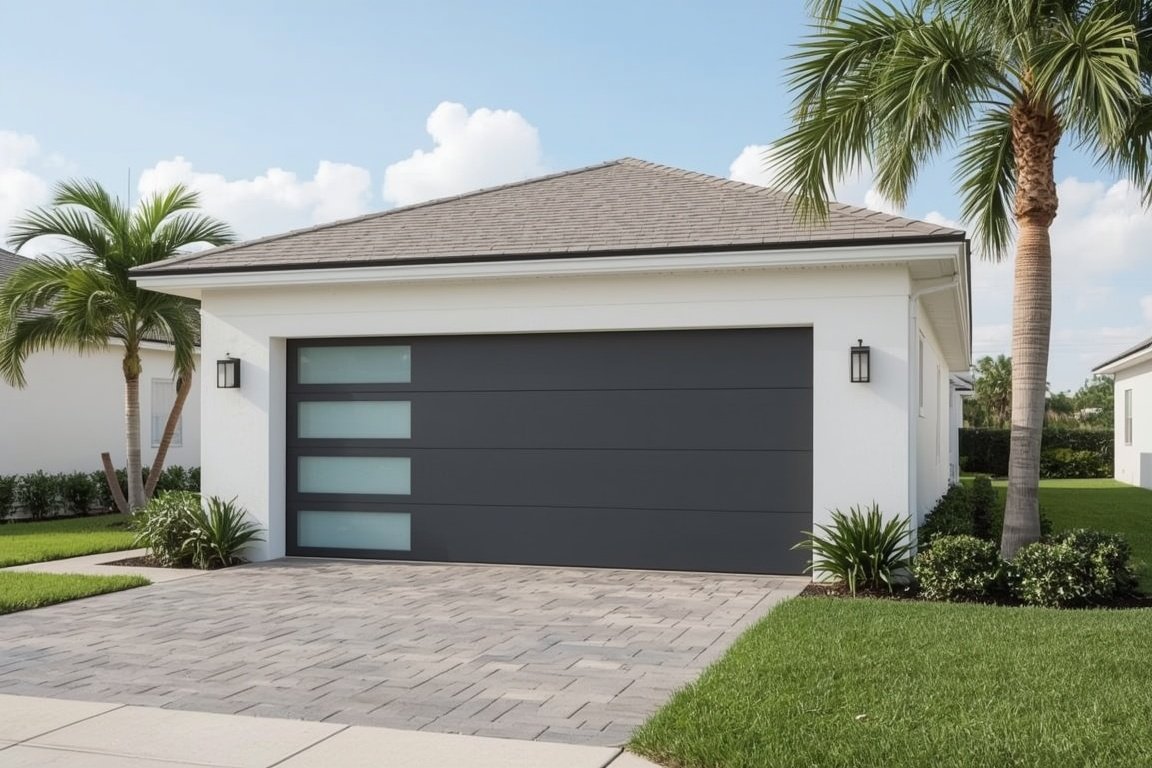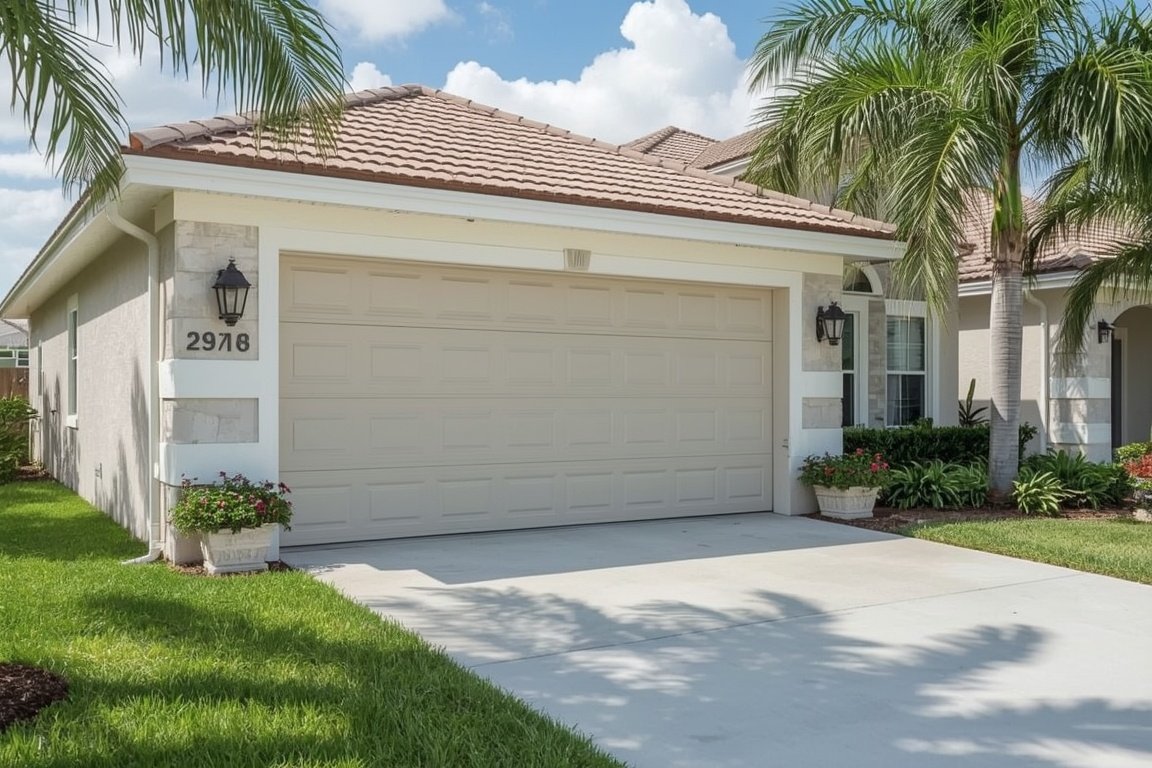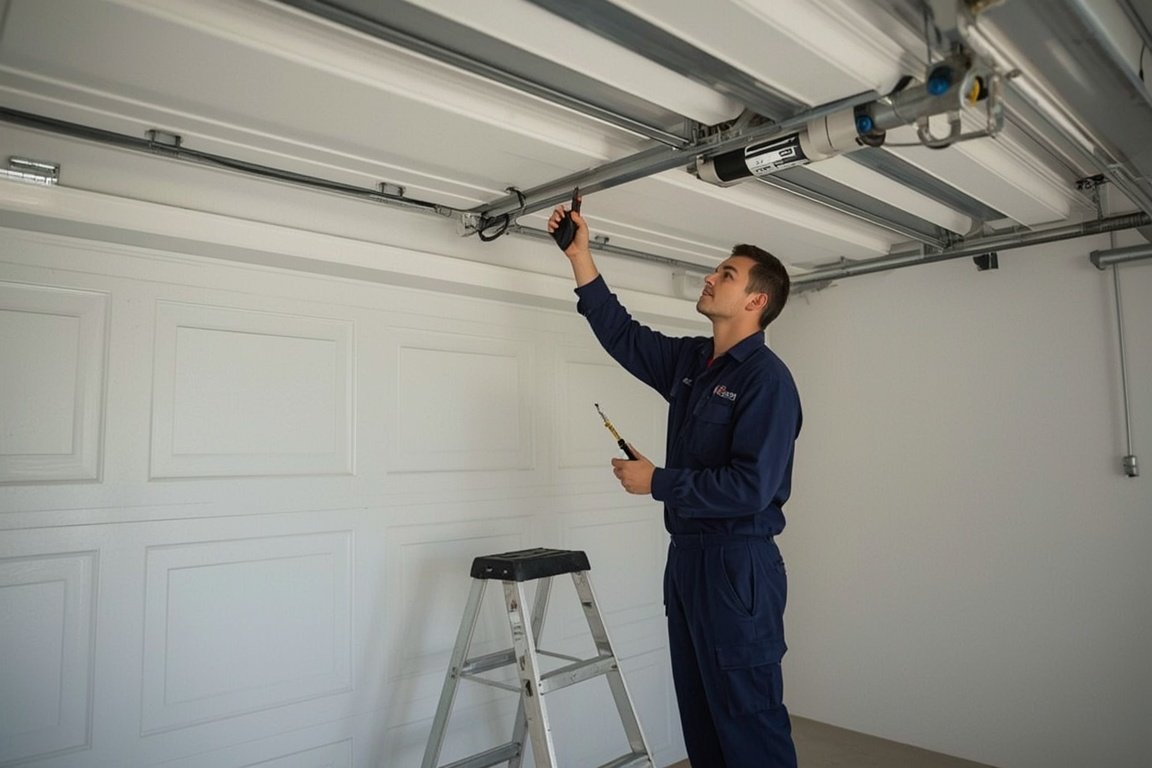
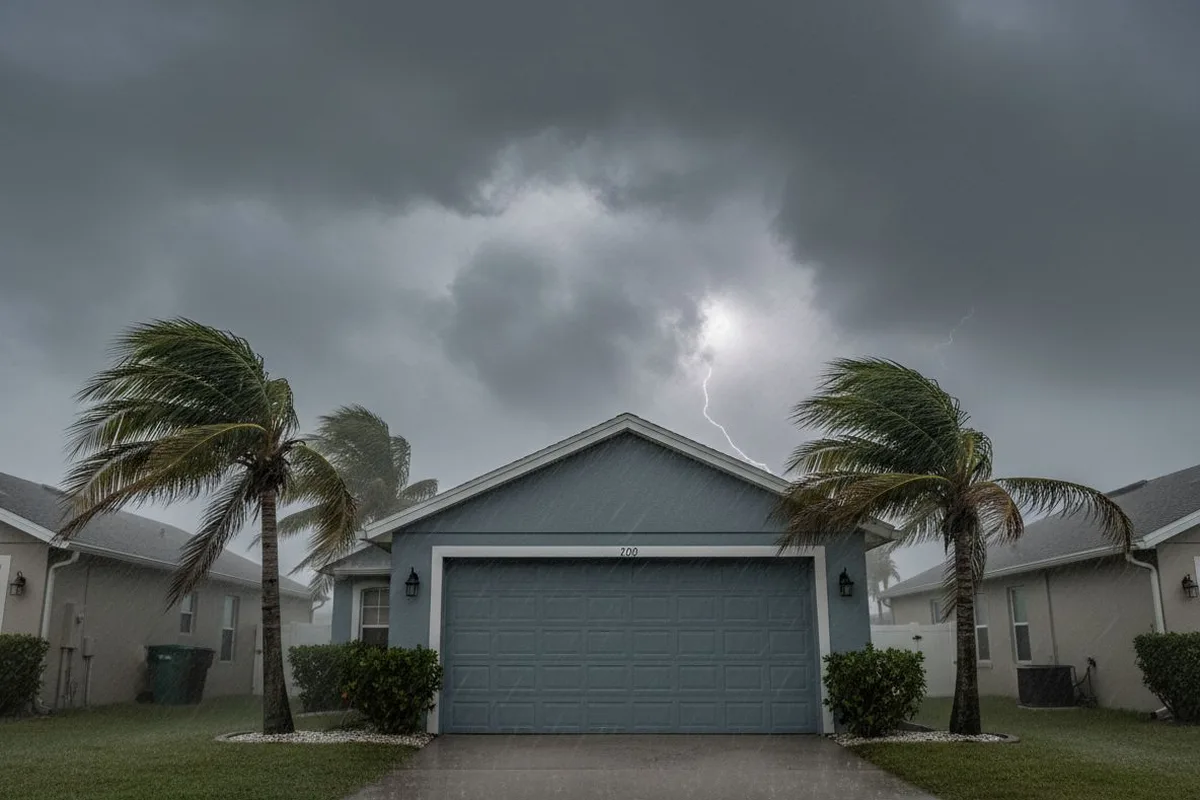
Garage doors are an essential part of any home, providing security, convenience, and protection for vehicles and belongings. However, extreme weather can have a significant impact on the performance, safety, and lifespan of your garage door. From intense heat to heavy rain, high winds, and freezing temperatures, each type of weather condition can affect different components of the door system. Understanding these risks and taking preventive measures is crucial for maintaining your garage door in optimal condition. This guide explores how extreme weather impacts garage doors and what homeowners can do to minimize damage.
How Extreme Heat Affects Garage Doors
High temperatures, particularly in summer, can cause various issues for garage doors:
- Expansion of Materials: Metal doors and tracks can expand in heat, leading to misalignment, sticking, or difficulty in opening and closing.
- Warping of Wood Doors: Wooden garage doors may warp, crack, or swell when exposed to prolonged heat and sunlight, affecting door balance.
- Damage to Finishes: Paint, varnish, or protective coatings can fade, peel, or crack under intense sun.
- Strain on Openers: Motors may overheat during prolonged operation in high temperatures, especially when the door is heavy or poorly balanced.
- Plastic Components: Rollers, weather seals, and other plastic parts can soften or degrade in extreme heat, reducing efficiency and protection.
Effects of Cold and Freezing Temperatures
Cold weather, frost, and ice present their own challenges for garage doors:
- Frozen Tracks and Rollers: Ice can form in tracks and on rollers, causing the door to stick or jam.
- Brittle Materials: Plastic and rubber components can become brittle and crack in freezing temperatures.
- Spring Tension Changes: Cold temperatures can affect the tension of torsion and extension springs, leading to unbalanced doors.
- Opener Performance: Motors may require extra power to lift doors that are heavy due to ice or snow accumulation.
- Water Damage: Snow and ice melting around the bottom seal can lead to water intrusion and potential structural damage.
Impact of Rain and Humidity
Heavy rain and high humidity can also compromise garage door performance:
- Water Seepage: Poorly sealed doors may allow water to enter the garage, damaging floors, stored items, and the door itself.
- Rust and Corrosion: Metal components, including tracks, springs, and hinges, are prone to rust in wet conditions.
- Wood Rot: Wooden doors can absorb moisture, leading to swelling, warping, or rotting over time.
- Mold and Mildew: Damp conditions encourage mold growth on door surfaces or around the frame.
- Opener Electronics: Moisture can damage electrical components, affecting the functionality and safety of the garage door opener.
High Wind and Storm Damage
Garage doors are especially vulnerable during storms and high-wind events:
- Structural Stress: Strong winds exert pressure on the door panels and tracks, potentially causing bending, warping, or detachment.
- Door Blowouts: Lightweight or poorly reinforced doors may blow in or out during hurricanes or tornadoes.
- Flying Debris: Objects carried by the wind can dent or crack door panels, damage windows, or bend hardware.
- Spring and Track Damage: High winds can misalign tracks and overstrain springs, leading to malfunction.
- Security Risks: Damaged doors can make the garage and home vulnerable to theft or intrusion.
Preventive Measures for Extreme Weather
Homeowners can take several steps to protect garage doors from extreme weather damage:
- Install Weather Seals: High-quality bottom and side seals prevent water, dust, and pests from entering the garage.
- Use Insulated Doors: Insulated doors reduce the impact of heat and cold, protect stored items, and improve energy efficiency.
- Reinforce Doors for Wind: Add bracing or upgrade to wind-rated doors if you live in hurricane-prone areas.
- Regular Maintenance: Inspect tracks, rollers, springs, and openers to ensure they are lubricated, aligned, and functional.
- Trim Surrounding Trees: Remove overhanging branches that can fall and damage the door during storms.
- Protect Electronics: Ensure garage door openers are in dry areas, and use surge protectors to prevent electrical damage.
Maintenance Checklist for Extreme Weather Preparedness
Keeping your garage door in top condition reduces the likelihood of weather-related issues. Follow this checklist:
- Inspect door panels for cracks, dents, or warping.
- Check and tighten hardware, including hinges, bolts, and brackets.
- Lubricate rollers, tracks, and springs to prevent rust and ensure smooth operation.
- Test the balance of the door by manually lifting halfway.
- Check the weather seals for damage and replace if necessary.
- Ensure the opener functions correctly and safely, testing auto-reverse sensors.
- Remove debris and water accumulation from around the garage door area.
- Schedule professional inspection annually, especially before hurricane or winter seasons.
Choosing the Right Garage Door for Extreme Weather
Selecting a door built to withstand your local weather conditions is the best preventive measure:
- Coastal Areas: Aluminum or galvanized steel doors resist corrosion from salt and humidity.
- Cold Climates: Insulated steel or composite doors prevent heat loss and resist warping in freezing temperatures.
- Hurricane Zones: Wind-rated doors with reinforced panels provide structural protection.
- Hot Climates: Light-colored, insulated doors reduce heat absorption and maintain garage temperature.
- Rainy Regions: Doors with robust seals and water-resistant materials prevent leaks and mold.
Signs You Need Professional Help
While minor maintenance can be done by homeowners, extreme weather-related damage often requires professional attention:
- Door not opening or closing properly
- Visible dents, cracks, or warping
- Spring damage or broken cables
- Water intrusion or mold buildup inside the garage
- Opener malfunction or unusual noises
Calling a licensed garage door repair company ensures that issues are handled safely and efficiently. Professionals have the tools and expertise to fix alignment, springs, openers, and structural damage.
Conclusion
Extreme weather conditions - whether heat, cold, wind, or heavy rain - can have significant effects on garage doors. Understanding these risks and taking preventive measures protects your home, improves door longevity, and ensures safety. Regular maintenance, inspections, and timely professional repairs are key strategies for minimizing weather-related damage. Choosing the right materials and reinforced designs based on your climate further reduces potential problems. By staying proactive, homeowners can ensure that their garage doors remain reliable, safe, and functional even under the harshest weather conditions.
Investing in a high-quality garage door and professional maintenance not only protects your vehicles and belongings but also enhances home security and convenience. Whether you live in a hurricane-prone coastal area, a freezing northern climate, or a hot southern region, preparing your garage door for extreme weather ensures peace of mind year-round.
Skip the YouTube rabbit hole - we'll have a tech at your door same day across Broward, Dade and Palm Beach.