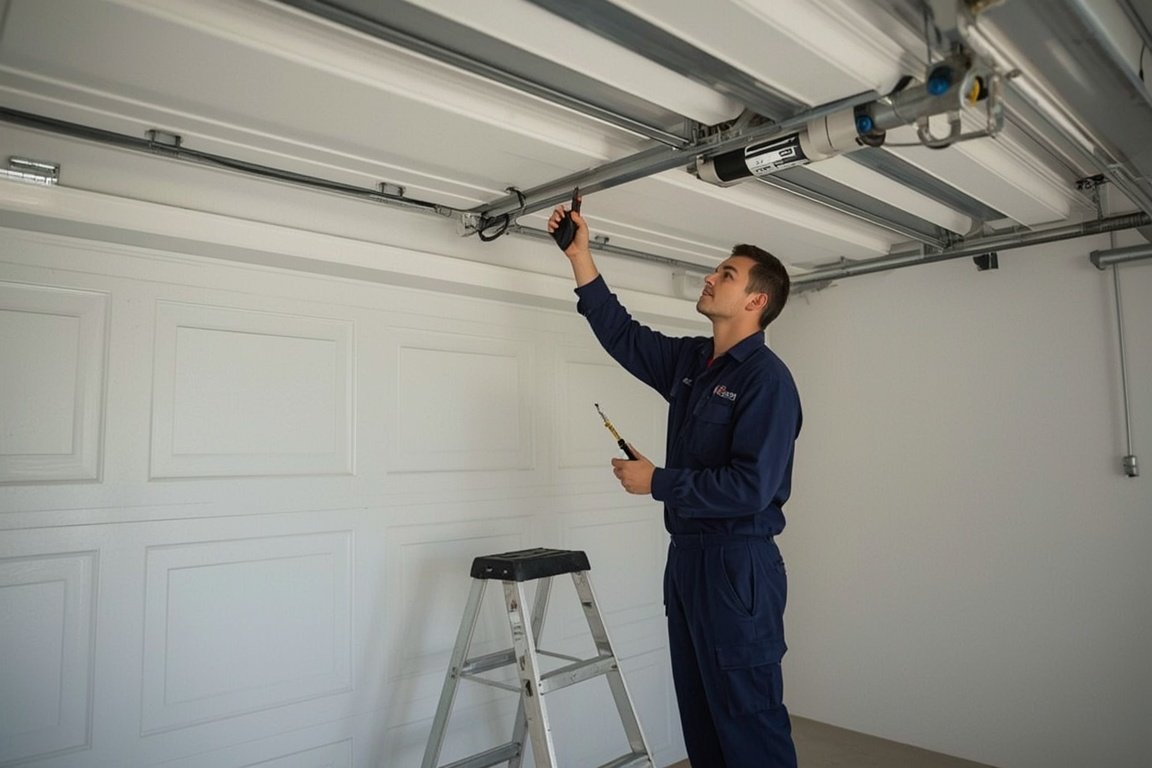
Garage door springs are among the most critical components of your garage door system. They carry most of the door's weight, allowing it to open and close smoothly and safely. Over time, springs can wear out, break, or lose tension, making it necessary to replace them. Many homeowners wonder if this is a task they can safely do themselves. While DIY projects are appealing for cost savings, replacing garage door springs involves significant risks due to the high tension they are under. This article explores the risks, processes, and best practices for handling garage door spring replacement.
Understanding Garage Door Springs
Garage doors typically use two main types of springs:
- Torsion Springs: Mounted above the door on a metal shaft, torsion springs store energy when wound. They are commonly used for heavier doors due to their durability and ability to lift more weight.
- Extension Springs: Mounted along the sides of the door, extension springs stretch when the door is lowered and contract when lifted. They are easier to install but require precise balance and tensioning.
Both types of springs must be properly installed and balanced to ensure smooth operation, prevent damage to the door and opener, and maintain safety.
Risks of DIY Garage Door Spring Replacement
While replacing a garage door spring yourself may seem straightforward, it carries significant dangers:
- High Tension: Springs are under extreme tension, and improper handling can cause them to snap violently, resulting in severe injury or death.
- Complex Mechanics: Proper replacement involves measuring spring length, wire diameter, and torque, which requires precision and specialized tools.
- Risk of Door Damage: Incorrect spring installation can cause unbalanced doors, leading to jerky movements, misaligned tracks, or opener strain.
- Voiding Warranties: DIY work may void warranties on the springs, door, or opener.
- Legal and Insurance Risks: Injuries from DIY spring replacement may not be covered by insurance.
Signs That Your Garage Door Springs Need Replacement
Identifying worn or broken springs early can prevent accidents and costly damage:
- Door Fails to Open or Close Smoothly: The door may feel heavy or uneven.
- Visible Damage: Cracks, gaps, or worn spots on the spring indicate imminent failure.
- Unusual Noises: Creaking, popping, or snapping sounds can signal spring fatigue.
- Door Slams or Falls: An unbalanced door may close too quickly or fall unexpectedly.
- Opener Struggling: A weak or failing spring puts extra strain on the motor.
Tools Required for Garage Door Spring Replacement
Professional replacement requires specialized tools to handle high-tension springs safely:
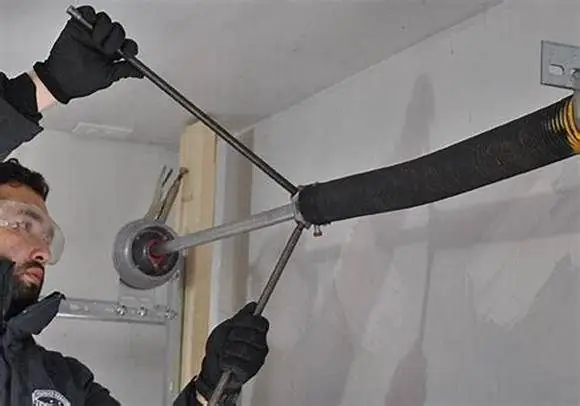
- Winding bars for torsion springs
- Clamps or locking pliers
- Adjustable wrench and socket set
- Level and measuring tape
- Safety goggles and gloves
- Lubricant for springs and rollers
Without these tools and proper training, attempting a replacement is extremely hazardous.
Step-by-Step Professional Approach
Here is how a professional garage door technician safely replaces springs:
- Initial Inspection: Assess the type of spring, door weight, and condition of other components.
- Disconnect the Opener: Ensure the door is disconnected from the opener for safety.
- Secure the Door: Use clamps or locking pliers to prevent accidental movement.
- Unwind the Spring: Torsion springs are carefully unwound using winding bars; extension springs are safely detached from the brackets.
- Measure and Install New Spring: The replacement spring is carefully installed, ensuring correct length, diameter, and tension.
- Test the Balance: After installation, the door is opened and closed manually to check balance and smooth operation.
- Reconnect the Opener: Ensure the opener functions correctly, testing safety features such as auto-reverse sensors.
- Final Safety Check: Inspect all hardware, tracks, and rollers for secure installation and proper alignment.
Tips for Homeowners
Even if you don't plan to replace springs yourself, there are steps you can take to maintain them and extend their lifespan:
- Lubricate Regularly: Use a silicone-based or lithium lubricant on springs, rollers, and hinges every six months.
- Inspect for Wear: Look for gaps, rust, or stretched coils.
- Keep the Door Balanced: Test the door manually; if it doesn't stay halfway open, it may indicate spring issues.
- Check for Rust: Clean and protect springs to prevent corrosion, which weakens them.
- Hire Professionals for Adjustments: Never attempt to adjust spring tension yourself unless trained and properly equipped.
Why Hiring a Professional is the Best Choice
Professional garage door companies provide numerous advantages:
- Safety: Experts handle high-tension springs with proper tools and experience.
- Accuracy: Correct measurement and installation prevent damage and ensure balance.
- Time-Saving: Professionals can complete the job in a fraction of the time it would take a DIY attempt.
- Long-Term Reliability: Properly installed springs reduce wear on the opener and other hardware.
- Emergency Services: Many companies offer quick repair services for broken springs, reducing downtime and inconvenience.
Signs You Need Immediate Spring Replacement
Some situations require urgent attention to prevent accidents or property damage:
- Spring has broken completely
- Door is stuck halfway
- Opener is struggling excessively
- Visible gaps or separation in torsion springs
- Unusual noises during operation
Waiting too long to replace a damaged spring can result in injury, door collapse, or costly damage to the opener and door panels.
Choosing the Right Garage Door Repair Company
When selecting a professional to replace garage door springs, consider the following:
- Experience: Look for companies with years of experience handling torsion and extension springs.
- Licensing and Insurance: Ensure technicians are licensed and insured for your protection.
- Customer Reviews: Positive testimonials indicate reliability and quality service.
- Availability: Emergency service is essential for broken springs.
- Transparent Pricing: Choose companies that provide clear estimates without hidden fees.
Conclusion
Replacing a garage door spring is not a simple DIY task. The risks associated with high-tension springs, potential door damage, and safety hazards make it a job best left to professionals. Understanding the types of springs, signs of wear, and maintenance tips helps homeowners make informed decisions and extend the lifespan of their garage door system. Regular inspections, lubrication, and professional adjustments ensure smooth operation, safety, and reliability.
For homeowners considering a spring replacement, hiring a licensed garage door company provides peace of mind, protects your property, and ensures the job is done safely and accurately. Investing in professional services not only prevents accidents but also saves time, reduces stress, and prolongs the life of your garage door and opener system. Remember, a well-maintained garage door is essential for the safety, security, and convenience of your home.
Skip the YouTube rabbit hole - we'll have a tech at your door same day across Broward, Dade and Palm Beach.