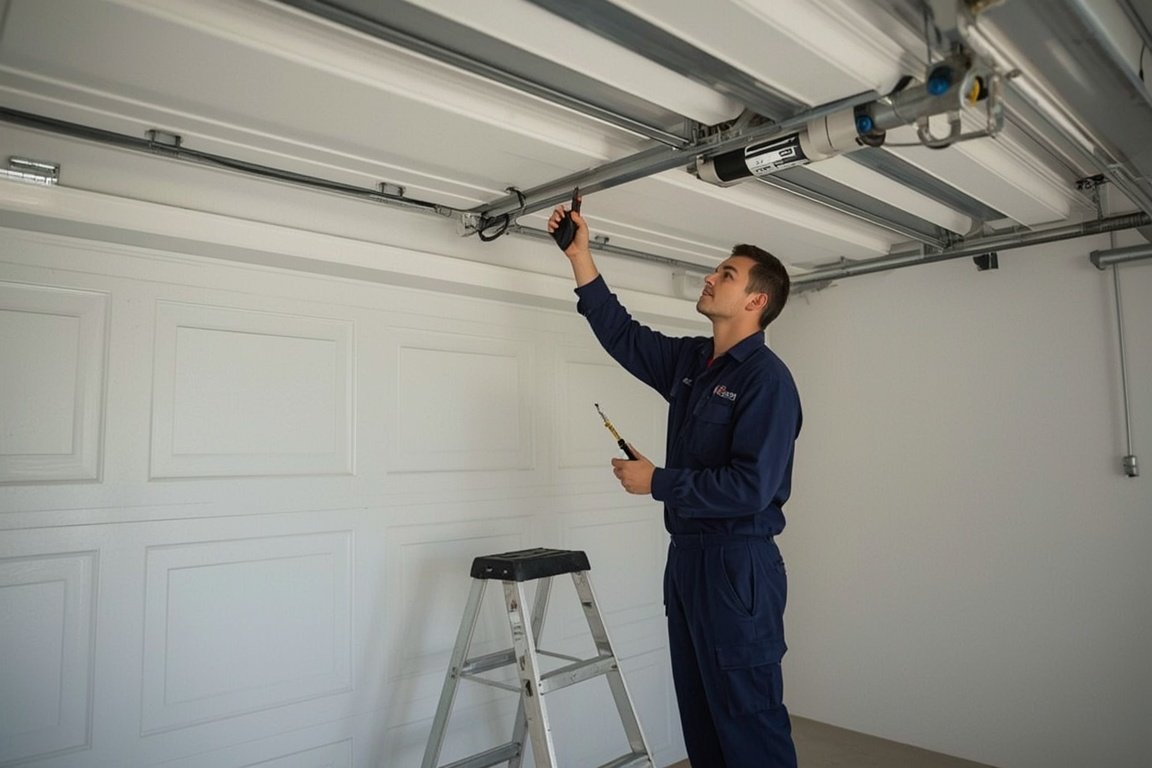
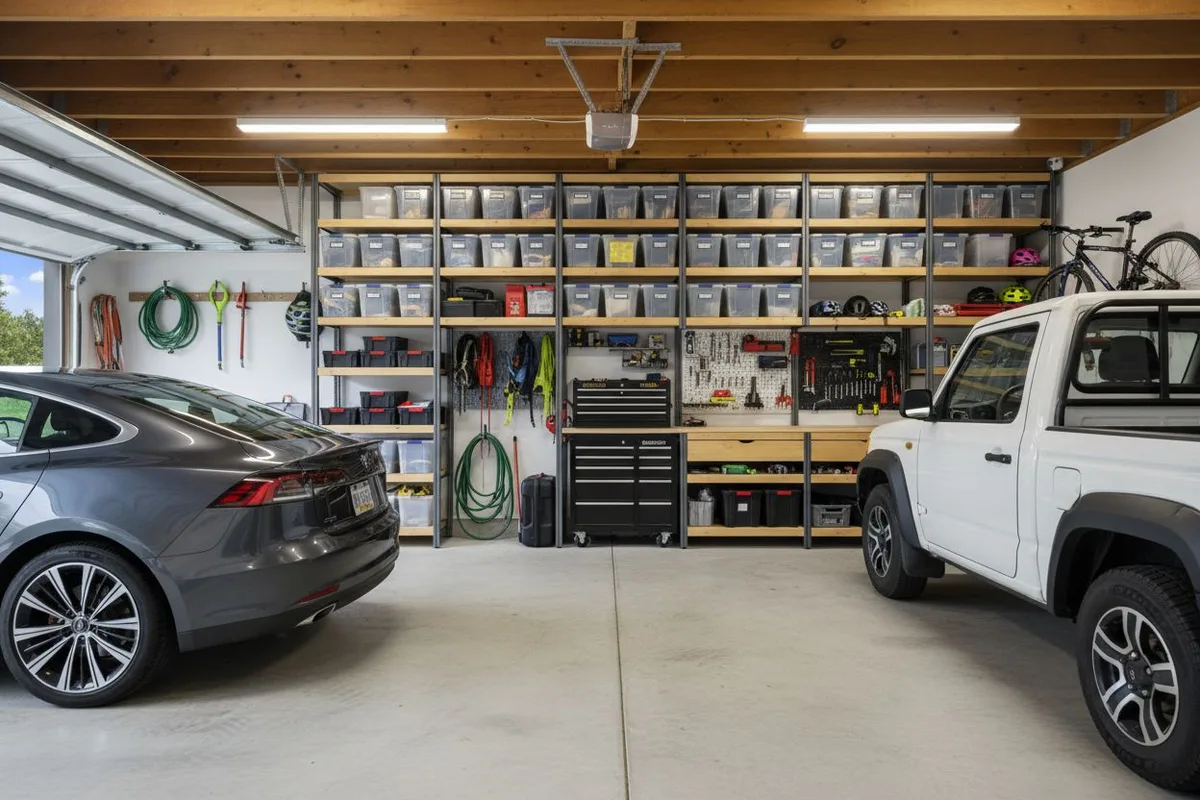
Cars have become an essential part of daily life. In today's world, most households rely on one or more vehicles for commuting, running errands, and leisure activities. Managing a household that depends on cars, commonly referred to as a "car household," involves understanding maintenance, safety, budgeting, and organization. Proper planning and care ensure that vehicles remain reliable, safe, and cost-effective for the long term. This article delves into the concept of car households, challenges they face, and practical strategies for managing vehicles efficiently.
What is a Car Household?
A car household is any family or residence where cars are an integral part of everyday life. This can range from a single vehicle used by a small family to multiple vehicles catering to different household members. Car households are responsible for:
- Routine maintenance and repairs of vehicles
- Budgeting for fuel, insurance, and unexpected repairs
- Ensuring driver safety and proper usage
- Managing parking and storage solutions
- Keeping vehicles organized, insured, and legally compliant
Effectively managing a car household requires knowledge, organization, and proactive planning. Failing to do so can lead to unnecessary costs, accidents, and stress for family members.
Types of Car Households
Not all car households are the same. The type of household often depends on the number of vehicles and the needs of the family:
- Single-Vehicle Households: These households rely on one car for all transportation needs. Proper scheduling and maintenance are essential to prevent disruptions.
- Multi-Vehicle Households: Families with two or more vehicles enjoy flexibility but must manage higher costs, insurance, and parking space.
- Specialized Vehicle Households: Some homes include trucks, vans, or recreational vehicles that require specialized maintenance and storage.
- Hybrid or Electric Vehicle Households: These households focus on environmentally friendly vehicles and may require additional considerations for charging and maintenance.
Maintenance: Keeping Vehicles in Top Condition
Maintenance is the backbone of a functional car household. Neglecting routine care can lead to accidents, higher repair costs, and shortened vehicle lifespan. Key maintenance tasks include:
- Regular Oil Changes: Engine oil lubricates moving parts and prevents damage. Changing it regularly keeps the engine running smoothly.
- Tire Care: Rotating tires, checking pressure, and ensuring proper alignment improves safety and fuel efficiency.
- Brake Inspections: Brakes must be checked for wear and tear to ensure the vehicle stops effectively.
- Fluid Checks: Coolant, transmission fluid, and windshield washer fluid should be regularly monitored and refilled.
- Battery Maintenance: Batteries need to be inspected for corrosion and tested periodically, especially before extreme weather.
- Seasonal Preparation: Winter or summer maintenance can include antifreeze adjustments, tire changes, or AC system checks.
Budgeting for a Car Household
Owning one or more vehicles requires careful financial planning. Car households should consider the following costs:
- Fuel Costs: Monitor and plan monthly fuel expenses to avoid surprises.
- Insurance: Shop for competitive rates and adequate coverage.
- Maintenance and Repairs: Set aside funds for regular maintenance and emergency repairs.
- Depreciation: Understand that vehicles lose value over time and plan for eventual replacement.
- Registration and Taxes: Renewals and taxes are recurring costs that must be accounted for in household budgets.
Safety in Car Households
Safety is a top priority for any car household. Ensuring that all vehicles are safe for drivers and passengers involves several steps:
- Driver Education: All members, including teenagers, should undergo proper driving instruction.
- Regular Inspections: Annual or biannual inspections help detect issues before they become hazardous.
- Child Safety: Correct installation of car seats and booster seats is crucial.
- Emergency Preparedness: Vehicles should have first aid kits, jumper cables, and basic tools for emergencies.
- Secure Parking: Park in well-lit, safe areas, and lock vehicles when unattended.
Organizing a Car Household
Coordination is key in households with multiple vehicles. Proper organization ensures smooth daily routines:
- Shared Calendars: Maintain a household calendar to coordinate vehicle use for work, school, and errands.
- Parking Solutions: Allocate garage space or driveways effectively to prevent congestion.
- Maintenance Scheduling: Stagger appointments for oil changes, inspections, and repairs to avoid multiple vehicles being unavailable at the same time.
- Documentation: Keep insurance, registration, and service records organized for each car.
- Usage Tracking: Track mileage and fuel consumption to identify inefficiencies or potential problems early.
Environmental Considerations
Car households can take steps to reduce their environmental footprint:
- Fuel-Efficient Cars: Choose vehicles with high fuel economy to reduce emissions.
- Carpooling: Share rides within the household to save fuel and reduce traffic impact.
- Electric or Hybrid Vehicles: Investing in eco-friendly vehicles can reduce reliance on fossil fuels.
- Recycling and Proper Disposal: Dispose of old batteries, oil, and tires responsibly.
- Preventive Maintenance: Well-maintained vehicles consume less fuel and produce fewer pollutants.
Planning for Emergencies
Being prepared for emergencies is essential in car households. Consider the following:
- Roadside Assistance: Ensure coverage for breakdowns, accidents, or tire issues.
- Spare Vehicles: Maintain a backup car or plan for alternative transportation.
- Emergency Kits: Keep water, snacks, flashlights, and basic tools in all vehicles.
- Weather Readiness: Prepare for snow, floods, or storms depending on your location.
- Communication Plan: Ensure all household members know how to reach each other during emergencies.
Tips for Efficient Management
Managing a car household effectively requires strategic planning:
- Use shared calendars for scheduling and vehicle coordination.
- Set up regular reminders for maintenance and registration renewals.
- Maintain a secure, organized parking area to avoid clutter and damage.
- Invest in insurance plans that cover all vehicles and drivers adequately.
- Educate all household members on safe driving and vehicle care.
- Schedule professional inspections and repairs to prevent breakdowns.
- Track expenses for budgeting and long-term financial planning.
Conclusion
Car households are an integral part of modern life, providing mobility, convenience, and flexibility. However, they also bring responsibilities such as maintenance, safety, budgeting, and organization. Proper management ensures that vehicles remain reliable, safe, and cost-effective for the long term.
By implementing regular maintenance schedules, monitoring expenses, ensuring safety for all drivers, and staying organized, households can make the most out of their vehicles. Professional services, such as mechanics and garage specialists, also play a crucial role in keeping household vehicles in excellent condition.
Ultimately, a well-managed car household balances convenience, cost, and safety. Proper planning, maintenance, and attention to detail allow families to enjoy the benefits of multiple vehicles without unnecessary stress. With the right approach, car households can thrive, providing reliable transportation for everyday life, work, and leisure.
Skip the YouTube rabbit hole - we'll have a tech at your door same day across Broward, Dade and Palm Beach.