Even though South Florida enjoys mild winters compared to other parts of the country, the cooler months still bring their own set of challenges for garage doors. Temperature changes, humidity, and occasional storms can affect the performance and longevity of your garage door. Ignoring these issues can lead to costly repairs, safety hazards, and reduced efficiency.
Understanding the common winter garage door problems and knowing how to fix them helps homeowners maintain smooth, safe, and reliable door operation throughout the season. This guide covers the most frequent issues, their causes, and practical solutions.
Why Garage Doors Struggle in Winter
Garage doors are mechanical systems that rely on springs, cables, rollers, and tracks to function properly. Even minor shifts in temperature or humidity can cause materials to expand, contract, or wear unevenly. Common winter-related issues include:
- Frozen or stiff components
- Increased noise during operation
- Misaligned tracks and rollers
- Reduced efficiency of automatic openers
Addressing these problems promptly helps prevent larger failures and ensures your garage door operates safely and efficiently.
1. Stiff or Frozen Garage Door Rollers
Causes
During colder months, lubricants can thicken, and moisture can accumulate on rollers, making them stiff or frozen. This affects the smooth movement of the door and can strain the opener and springs.
Signs
- Door moves slowly or jerks while opening or closing
- Loud grinding or squeaking noises
- Rollers appear sticky or resistant to movement
Fixes
- Lubricate Rollers: Apply a silicone-based garage door lubricant to all moving parts, including rollers and hinges. Avoid heavy oils that can attract dirt.
- Clean Rollers and Tracks: Remove dirt, debris, and ice from tracks to ensure smooth operation.
- Inspect Rollers: Replace worn or damaged rollers with steel, nylon, or ball-bearing types suitable for your door.
2. Cold Weather and Springs
Garage door springs contract in cold weather, which can cause the door to operate unevenly or become difficult to lift. Torsion and extension springs may lose tension or weaken over time.
Signs
- Door feels heavy when opening manually
- Unusual noises from springs or cables
- Door doesn't stay fully open or closes unevenly
Fixes
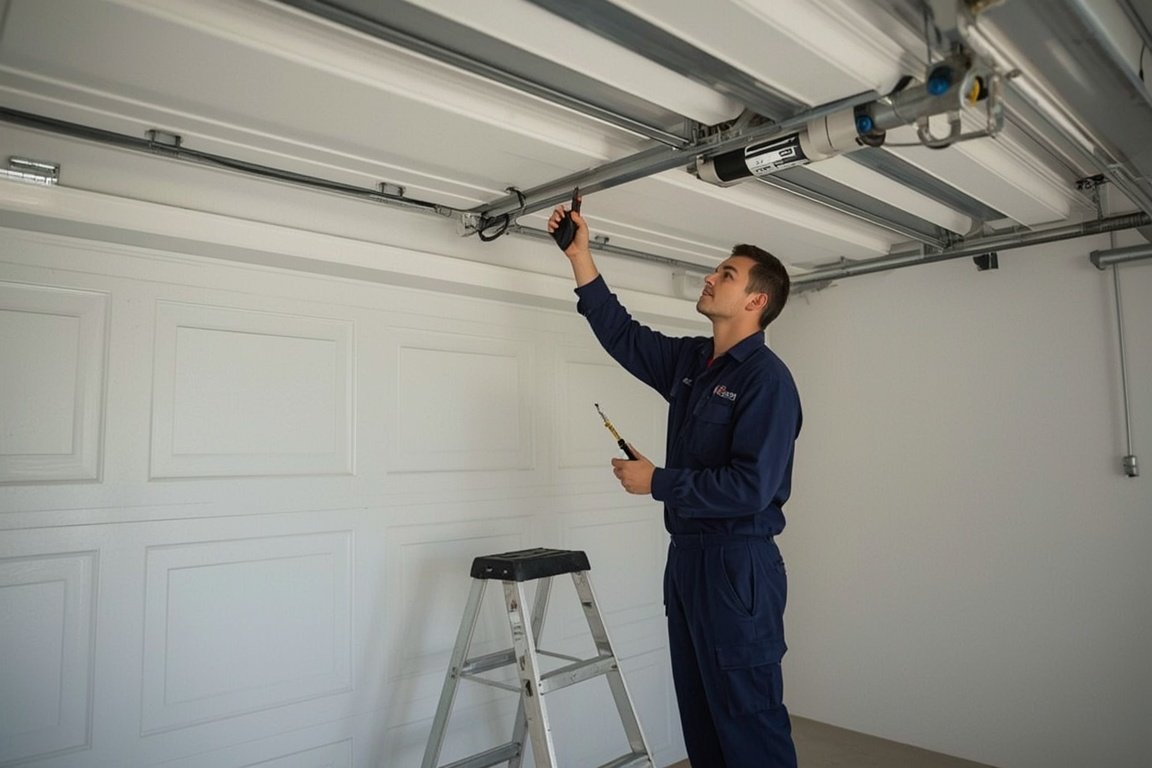
- Professional Inspection: Have a licensed technician check spring tension and condition. Springs under high tension are dangerous to adjust without training.
- Replace Worn Springs: If springs are rusted, cracked, or weakened, replacement ensures smooth, safe operation.
- Lubricate Springs: Use a garage door lubricant to reduce friction and prevent rusting during winter months.
3. Frozen Tracks and Misalignment
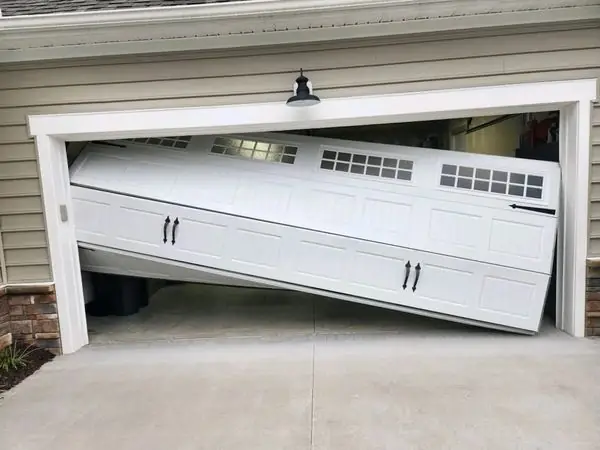
Cold temperatures and occasional winter storms can cause metal tracks to contract or collect debris and moisture. Misaligned or frozen tracks lead to jerky door movement and potential roller damage.
Signs
- Door moves unevenly or sticks halfway
- Rollers come off tracks
- Loud banging or scraping noises
Fixes
- Clean Tracks: Remove dirt, leaves, and moisture.
- Lubricate Tracks: Apply a light silicone lubricant to prevent freezing and reduce friction.
- Check Alignment: Ensure tracks are level and parallel. Tighten loose brackets and fasteners.
4. Weather Stripping Problems
Weather stripping seals the bottom of the garage door, keeping out cold air, water, and pests. During winter, old or damaged weather stripping can become brittle, crack, or detach, reducing energy efficiency and allowing drafts.
Signs
- Cold air entering the garage
- Water or debris under the door
- Visible cracks or gaps in weather stripping
Fixes
- Inspect Weather Stripping: Replace worn or damaged rubber or vinyl strips.
- Install New Seals: Ensure the new weather stripping fits tightly against the floor for maximum protection.
- Maintain Regularly: Clean and lubricate strips to keep them flexible.
5. Opener and Sensor Issues
Automatic openers and safety sensors can be affected by cold temperatures and winter storms. Moisture or condensation can interfere with electrical components, causing malfunction.
Signs
- Door doesn't respond to remote or wall control
- Safety sensors fail to reverse the door
- Opener runs slowly or makes unusual noises
Fixes
- Check Electrical Connections: Ensure wires are dry and connections are secure.
- Clean Safety Sensors: Remove dirt or condensation that may block sensor operation.
- Test Opener Performance: Run the door through several cycles and listen for unusual sounds.
- Replace Faulty Openers: If the opener struggles or fails repeatedly, consider a professional replacement.
6. Panel and Door Material Problems
Wood, aluminum, and steel garage doors react differently to cooler temperatures. Wood can shrink or warp, aluminum can bend, and steel can contract, affecting the door's alignment and operation.
Signs
- Panels sticking or rubbing against each other
- Warped or cracked wood panels
- Rust spots on steel panels
Fixes
- Inspect Panels: Check for warping, rust, or cracks and replace damaged sections if necessary.
- Use Weather-Resistant Materials: Consider aluminum, fiberglass, or treated wood for durability.
- Paint or Seal Wood Panels: Prevent moisture absorption and warping during winter months.
7. Garage Door Noises
Cold weather can amplify noises from a garage door. Metal contraction, stiff rollers, and unlubricated hinges can cause squeaking, grinding, or banging sounds.
Fixes
- Lubricate Hinges, Rollers, and Tracks: Use a silicone-based spray to reduce friction and noise.
- Tighten Loose Hardware: Loose screws or bolts can rattle when the door operates.
- Replace Worn Rollers or Hinges: Noisy components often indicate wear and need replacement.
Tips to Prevent Winter Garage Door Problems
Preventive maintenance is key to keeping your garage door in top condition during winter:
- Schedule Professional Maintenance: Have a licensed technician inspect springs, cables, rollers, and openers before winter sets in.
- Lubricate Moving Parts: Ensure all rollers, tracks, and hinges are lubricated at the start of the season.
- Check Weather Stripping: Replace old or damaged seals to prevent drafts and water damage.
- Clean Tracks and Rollers: Remove debris and moisture that can cause freezing or sticking.
- Inspect Electrical Components: Ensure openers, sensors, and wiring are free from moisture and corrosion.
- Test Door Operation: Open and close the door several times to identify any unusual movement or sounds.
Regular preventive care reduces the risk of costly repairs, ensures smooth operation, and keeps your garage door safe for family use.
Special Considerations for South Florida Homeowners
Even though South Florida winters are mild, homeowners may still face:
- High Humidity: Can cause corrosion on metal parts and affect rollers or tracks.
- Storms and Cold Fronts: Sudden temperature drops or strong winds can strain door components.
- Salt Air in Coastal Areas: Accelerates rust and deterioration on steel parts.
To address these conditions, South Florida homeowners should use corrosion-resistant materials, schedule professional maintenance, and keep lubrication and seals up to date.
Benefits of Winter Garage Door Care
Taking care of your garage door in winter offers several benefits:
- Safety: Reduces risk of injury from broken springs, cables, or misaligned doors.
- Smooth Operation: Prevents jerky movement or stuck doors.
- Cost Savings: Early maintenance avoids expensive emergency repairs.
- Energy Efficiency: Proper weather stripping and insulation prevent heat loss.
- Extended Lifespan: Regular care keeps your door functioning reliably year-round.
Proactive attention ensures your garage door remains a safe and convenient feature of your home.
Conclusion
Winter can present unique challenges for garage doors, from stiff rollers and weak springs to frozen tracks and malfunctioning openers. Addressing these issues early ensures safe operation, protects vehicles and property, and prevents costly repairs. Regular inspections, lubrication, and prompt replacement of worn parts are essential for keeping your door in top condition throughout the season.
For South Florida homeowners, professional garage door maintenance is especially important due to the region's humidity, occasional cold fronts, and coastal conditions. By investing in preventive care and expert service, you can enjoy a smooth, quiet, and reliable garage door, no matter the season.
Skip the YouTube rabbit hole - we'll have a tech at your door same day across Broward, Dade and Palm Beach.