A garage door is one of the most important components of a home. It provides security, convenience, and adds value to the property. However, because it is used daily and consists of multiple moving parts, certain systems within the garage door are prone to failure over time. Understanding which components fail first helps homeowners take preventive measures, schedule timely repairs, and avoid costly emergencies.
This guide covers the most critical garage door systems that typically fail first, signs to watch for, and tips for maintaining long-lasting performance. Whether you are in Miami-Dade, Broward, or Palm Beach County, this guide is designed to help South Florida homeowners protect their garage doors.
Why Some Garage Door Systems Fail Faster
Garage doors are heavy, mechanical systems that operate under high tension and stress. Components such as springs, cables, rollers, and openers endure constant pressure and friction. Several factors contribute to early failure, including:
- Frequent use
- Lack of maintenance
- Exposure to harsh weather, especially in South Florida's humid and storm-prone environment
- Accidental damage
- Poor-quality parts or improper installation
By identifying the critical systems that fail first, homeowners can prioritize inspections and repairs, ensuring safety and reliability.
1. Springs: The Most Common Failure Point
Why Springs Fail
Garage door springs are designed to counterbalance the weight of the door. Over time, the repeated stretching and contracting of torsion or extension springs causes metal fatigue, rust, or breakage. Springs are also under extreme tension, making them a high-risk component.
Signs of Spring Problems
- Door feels heavy when opening manually
- Loud popping or snapping sounds
- Visible gaps or cracks in torsion springs
- Uneven door movement
Prevention and Maintenance
- Schedule regular inspections by a licensed professional
- Lubricate springs to reduce friction and prevent rust
- Replace springs before they break completely to avoid sudden accidents
Springs are the most critical system that fails first because failure can cause the door to become inoperable or even dangerous.
2. Cables: Supporting the Springs
Why Cables Fail
Cables work alongside springs to lift and lower the garage door safely. Constant tension, environmental factors, and wear can lead to fraying, stretching, or snapping.
Signs of Cable Wear
- Frayed or broken strands
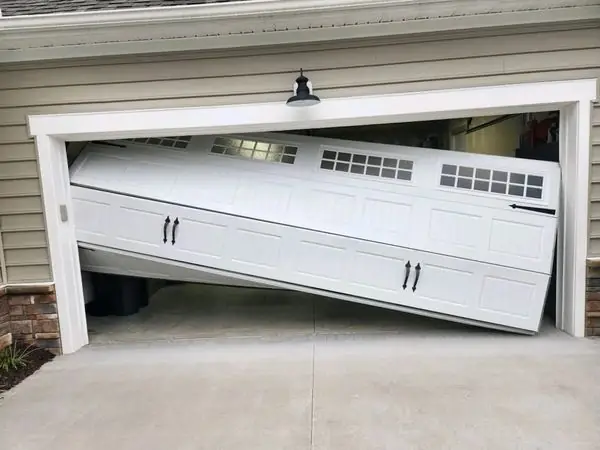
- Door moves unevenly
- Cables appear loose or off-track
Fixes and Prevention
- Inspect cables regularly for signs of wear
- Replace cables in pairs for balanced door operation
- Hire a professional for installation, as handling cables under tension is dangerous
Cables are critical because their failure can cause the door to drop suddenly, posing serious injury risks.
3. Rollers: Key to Smooth Operation
Why Rollers Fail
Rollers guide the door along the tracks and absorb stress from repeated opening and closing. Rollers made of steel or nylon can wear out, become noisy, or crack over time.
Signs of Roller Issues
- Door moves unevenly or jerks
- Loud grinding or squeaking sounds
- Visible cracks or worn edges on rollers
Maintenance and Replacement
- Lubricate rollers to reduce friction
- Replace worn rollers with durable steel or ball-bearing types
- Clean tracks to prevent dirt and debris from causing premature wear
Rollers are among the first components to fail due to their constant motion and exposure to dirt, moisture, and weather.
4. Tracks and Brackets: Alignment Matters
Why Tracks Fail
Tracks guide the rollers and keep the door aligned. Tracks can bend, warp, or become misaligned due to heavy usage, accidental impact, or storms. Brackets holding tracks can loosen over time, compromising door stability.
Signs of Track Failure
- Door sticks or moves unevenly
- Rollers come off tracks
- Loud banging or scraping noises
- Visible dents or misalignment in tracks
Prevention and Maintenance
- Inspect tracks and brackets regularly
- Tighten loose brackets and fasteners
- Replace bent or damaged tracks promptly
- Keep tracks clean and lubricated
Proper alignment is crucial for smooth operation. Track failure often leads to roller damage and increased strain on springs.
5. Hinges: Connecting Panels
Why Hinges Fail
Hinges connect garage door panels and allow them to bend along the tracks. Hinges are subjected to repeated stress and exposure to moisture, which can cause rust, bending, or breakage.
Signs of Worn Hinges
- Panels misalign during movement
- Door makes unusual noises
- Visible rust or cracks on hinge plates
Maintenance and Replacement
- Lubricate hinges regularly to prevent rust and reduce friction
- Replace bent or rusted hinges promptly
- Tighten screws to maintain alignment
Hinges are essential for smooth panel operation and are often overlooked until the door starts making noise or becomes difficult to operate.
6. Openers and Electrical Components
Why Openers Fail
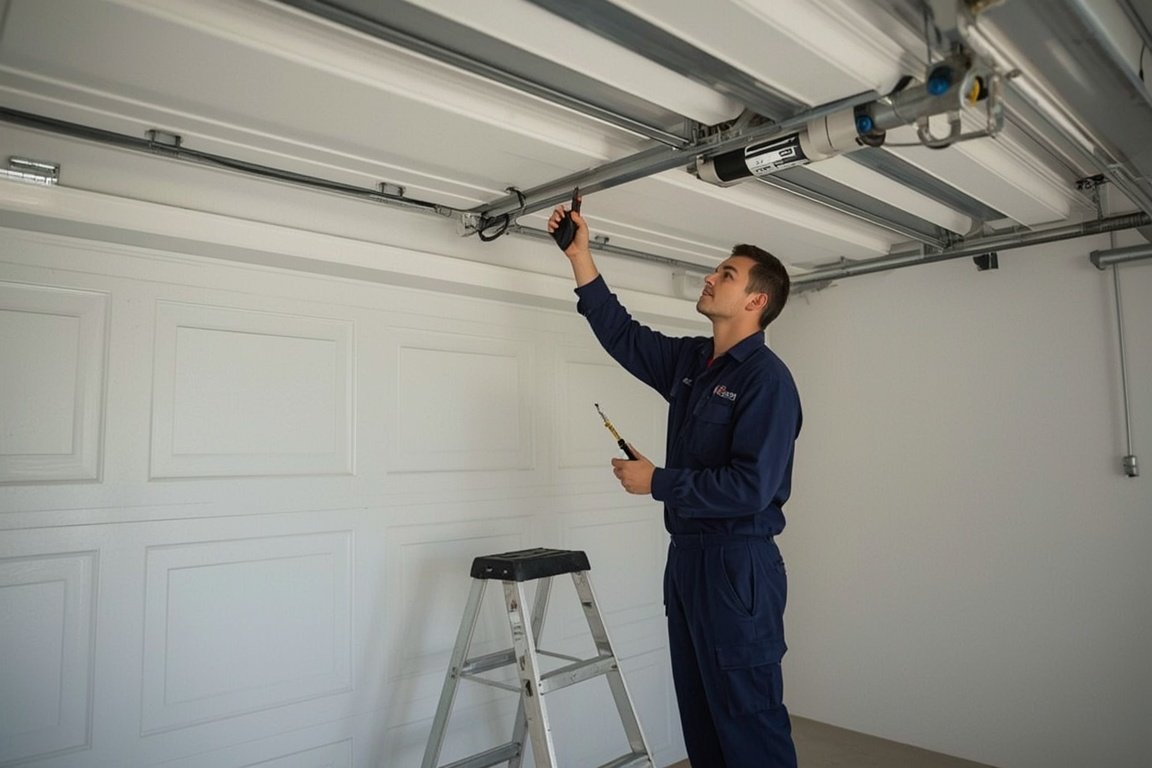
Garage door openers are mechanical and electrical systems responsible for automated operation. Motors, gears, belts, and chains experience wear, while electrical components may degrade over time or malfunction due to power surges or humidity.
Signs of Opener Failure
- Door moves slowly or inconsistently
- Strange noises such as grinding or humming
- Remote or wall control fails intermittently
- Safety sensors do not reverse the door
Maintenance and Replacement
- Test opener performance regularly
- Inspect and tighten all hardware and belts
- Replace worn gears or motor components
- Hire a professional for electrical repairs
Openers are critical for convenience and safety, and failure can leave homeowners unable to operate their garage door efficiently.
7. Weather Stripping and Seals
Why Weather Stripping Fails
Weather stripping prevents drafts, water, and pests from entering the garage. Over time, exposure to sun, rain, and humidity can cause the rubber or vinyl to crack, shrink, or peel.
Signs of Weather Stripping Failure
- Drafts or water entering the garage
- Visible cracks or gaps
- Difficulty sealing the door against the floor
Maintenance and Replacement
- Inspect weather stripping seasonally
- Replace brittle or damaged strips
- Clean and lubricate flexible strips to maintain sealing
Though not critical to operation, worn weather stripping affects energy efficiency and protection from the elements.
8. Safety Sensors: Life-Saving Devices
Why Sensors Fail
Safety sensors prevent the door from closing on objects, vehicles, or people. Dust, misalignment, or moisture can interfere with sensor operation.
Signs of Sensor Failure
- Door reverses unexpectedly or fails to close
- Indicator lights are off or flickering
- Door closes without reversing when blocked
Maintenance and Replacement
- Clean sensors regularly with a soft cloth
- Check wiring and alignment
- Replace faulty sensors promptly
Failing sensors are a significant safety risk, especially in homes with children or pets.
Common Causes of Early Failure
Several factors contribute to the early failure of critical garage door systems:
- Heavy Usage: Daily opening and closing accelerates wear
- Lack of Maintenance: Neglecting lubrication and inspections causes components to deteriorate faster
- Environmental Factors: South Florida humidity, storms, and coastal salt air can corrode metal parts
- Accidental Damage: Impacts from vehicles or equipment
- Poor Quality Parts or Installation: Cheap or improperly installed components fail sooner
Understanding these causes helps homeowners take preventive action and extend the lifespan of their garage door.
Preventive Measures for Long-Lasting Garage Door Performance
To reduce the risk of failure and maintain safety, homeowners should:
- Schedule Regular Inspections: Check springs, cables, rollers, hinges, tracks, and openers at least twice a year.
- Lubricate Moving Parts: Use a silicone-based lubricant for rollers, hinges, tracks, and springs.
- Tighten Hardware: Loose screws, bolts, and brackets can cause misalignment and early wear.
- Replace Worn Components Promptly: Do not ignore small issues, as they can escalate.
- Hire Licensed Professionals: Critical systems like springs, cables, and openers should be repaired or replaced by experienced technicians.
- Inspect After Severe Weather: South Florida storms can damage or misalign components; a professional check-up ensures safety.
Benefits of Timely Repairs and Maintenance
Proactively maintaining your garage door offers multiple benefits:
- Safety: Reduces risk of injury from broken springs, cables, or misaligned doors
- Smooth Operation: Prevents jerky movement and noisy doors
- Cost Savings: Early repairs are less expensive than major replacements
- Enhanced Security: Functional doors and openers protect your home
- Extended Lifespan: Regular maintenance ensures long-lasting performance
By prioritizing critical systems, homeowners can enjoy peace of mind and reliable garage door operation year-round.
Conclusion
Garage doors are complex systems with multiple components that work together to provide security, convenience, and value. Springs, cables, rollers, tracks, hinges, openers, and safety sensors are the critical systems that often fail first due to wear, environmental factors, or lack of maintenance. Recognizing early signs of failure and addressing them promptly ensures safe and efficient operation.
For South Florida homeowners, professional inspection and maintenance are essential due to the region's humid climate, storms, and salt air exposure. Investing in high-quality parts and expert service protects your family, property, and garage door, ensuring it continues to operate reliably for years to come.
Skip the YouTube rabbit hole - we'll have a tech at your door same day across Broward, Dade and Palm Beach.