Garage doors are one of the most used mechanical systems in a home, and springs play a critical role in their operation. A broken or worn-out spring can make a garage door difficult to operate, unsafe, or completely inoperable. For homeowners in South Florida, where garage doors are exposed to humidity, storms, and frequent use, knowing how to detect a bad garage door spring is essential for safety and efficiency.
This guide provides practical tips for identifying spring problems, understanding the risks, and taking the right steps for repair or replacement. Whether your garage door is in Miramar, Weston, or anywhere in South Florida, these tips will help you protect your home and family.
Understanding Garage Door Springs
Garage door springs are designed to counterbalance the heavy weight of the door, making it easier to open and close. There are two main types of springs:
1. Torsion Springs
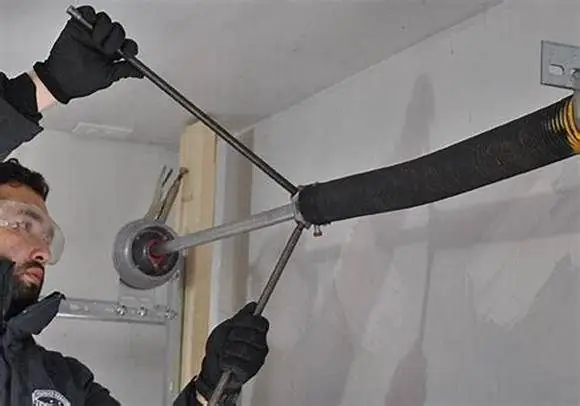
Torsion springs are mounted above the garage door and twist when the door moves. They are used on heavier doors and provide precise control over the door's movement.
2. Extension Springs
Extension springs run along the sides of the door and stretch when the door opens. They are commonly found on lighter, standard residential doors.
Both types of springs are under high tension and wear out over time, usually after 10,000 to 20,000 cycles of opening and closing. Detecting a bad spring early prevents accidents and expensive repairs.
Common Signs of a Bad Garage Door Spring
Identifying a bad spring early can save homeowners from serious damage or injury. The most common signs include:
1. Door Feels Heavy or Unbalanced
A spring that is worn or broken cannot counterbalance the door's weight properly. If you try to open the door manually and it feels unusually heavy, the spring may be failing.
Tip:Test the door by disconnecting the opener and lifting it manually. A properly functioning door should move smoothly with moderate effort.
2. Garage Door Doesn't Stay Open
If the door falls when you try to leave it open, it indicates that the spring is not providing enough tension to hold the weight. This is a clear warning that the spring may be broken or weakened.
Tip: Never leave a door that doesn't stay open unattended, as it can cause injury or damage.
3. Visible Gaps in Torsion Springs
Torsion springs develop a gap when they break. Inspecting the spring above the door carefully can reveal a visible gap or separation in the coils.
Tip:Never attempt to adjust or remove a spring yourself, as torsion springs are under extreme tension and can cause serious injury.
4. Broken Cables or Misaligned Springs
Cables work alongside the springs to lift the door. Frayed, loose, or broken cables often indicate a spring problem. Similarly, if springs are misaligned or stretched unevenly, it may signal wear.
Tip: Always have a professional inspect cables if the door shows signs of uneven movement or imbalance.
5. Loud Noises During Operation
A popping, banging, or snapping sound when operating the door is often a sign that a spring is failing. Springs can break suddenly, producing a loud noise that may startle anyone nearby.
Tip:If you hear unusual noises, stop using the door immediately and schedule an inspection.
6. Door Opens Partially or Moves Unevenly
A door that opens halfway or moves unevenly along the tracks may be experiencing a spring issue. This happens when one spring fails or loses tension while the other remains functional.
Tip: Avoid forcing the door open or closed, as this can damage tracks, rollers, or panels.
Risks of Ignoring a Bad Garage Door Spring
Failing to address a bad spring can lead to serious consequences:
- Safety Hazards: A broken spring can cause the door to fall suddenly, risking injury to people or pets.
- Vehicle Damage: Doors that drop unexpectedly can damage cars parked inside the garage.
- Further Door Damage: Operating a door with a bad spring can damage rollers, tracks, hinges, and the opener.
- Costly Repairs: Ignoring spring issues can result in more extensive repairs or complete door replacement.
Tips for Safe Inspection
While it is crucial to detect spring problems, springs are under high tension and can be extremely dangerous. Follow these tips for a safe inspection:
- Do Not Attempt Repairs Yourself: Leave spring repair or replacement to licensed professionals.
- Visual Inspection Only: Look for gaps, rust, or misalignment without touching the spring.
- Test Door Operation Carefully: Disconnect the opener and check the door's balance. Do not force it if it feels heavy or unbalanced.
- Watch for Noise: Listen for unusual sounds during operation, which may indicate a spring problem.
Preventive Maintenance for Garage Door Springs
Preventing spring failure is easier and safer than repairing a broken spring. Homeowners can follow these tips:
1. Lubricate Springs Regularly
Use a silicone-based garage door lubricant on torsion or extension springs. Lubrication reduces friction, prevents rust, and prolongs spring life.
2. Inspect Springs Periodically
Check for rust, gaps, or worn spots at least twice a year. Early detection allows professional intervention before the spring breaks.
3. Balance the Door
A balanced door reduces stress on springs. Disconnect the opener and lift the door manually. If it doesn't stay open halfway or feels heavy, it may indicate a spring issue.
4. Avoid Frequent Slamming
Slamming the garage door adds extra stress to springs and can shorten their lifespan. Use the opener or lift the door slowly.
5. Maintain Other Door Components
Keep rollers, tracks, cables, and hinges in good condition. Worn components increase strain on springs and accelerate wear.
Professional Garage Door Spring Services in South Florida
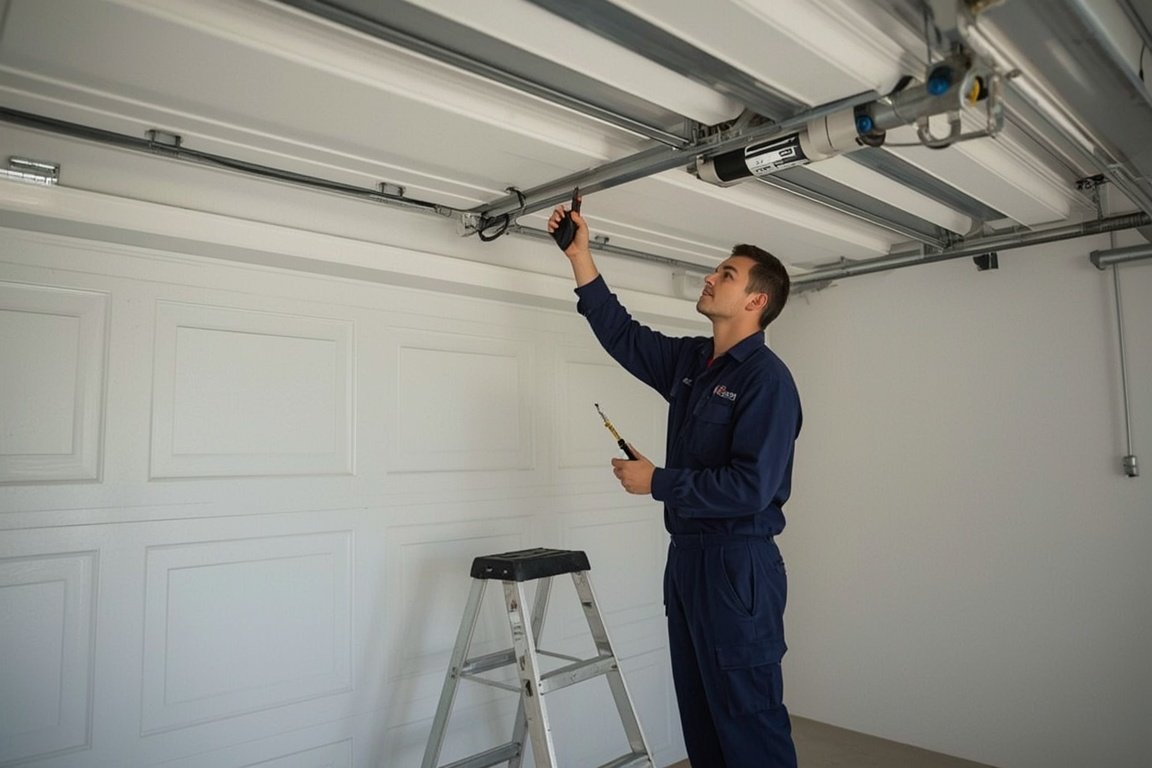
Hiring a professional garage door service ensures safe, reliable, and long-lasting repairs. Here's what to look for:
- Licensed Technicians: Only trained professionals should handle springs under high tension.
- Experience: Look for companies with years of service in South Florida and knowledge of local conditions.
- Safety Practices: Ensure technicians follow strict safety protocols during repair or replacement.
- High-Quality Parts: Use durable, corrosion-resistant springs suitable for the region's humidity and salt air.
- Maintenance Plans: Consider annual inspections and lubrication to prevent future problems.
Benefits of Timely Spring Replacement
Replacing a worn or broken spring promptly provides several advantages:
- Enhanced Safety: Reduces the risk of accidents and injury.
- Smooth Door Operation: Prevents jerky movements and uneven opening.
- Reduced Damage to Other Components: Protects rollers, tracks, cables, and openers.
- Energy Efficiency: A properly balanced door seals correctly, reducing drafts and energy loss.
- Cost Savings: Early replacement avoids more extensive repairs or emergency service calls.
Special Considerations for South Florida Homeowners
South Florida homeowners face unique challenges due to the region's climate:
- High Humidity: Causes rust and corrosion on metal springs.
- Salt Air in Coastal Areas: Accelerates spring deterioration.
- Frequent Use: Daily use of garage doors in busy households leads to faster wear.
- Storms: Strong winds or heavy rain can misalign doors and add stress to springs.
Regular maintenance, professional inspection, and timely replacement are essential to ensure safe and reliable garage door operation in this environment.
Conclusion
Detecting a bad garage door spring early is crucial for safety, door performance, and energy efficiency. Signs such as heavy doors, visible gaps, unusual noises, uneven movement, or failure to stay open indicate that a spring may be worn or broken. Ignoring these signs can lead to injury, vehicle damage, and costly repairs.
For South Florida homeowners, professional inspection and repair are the safest solutions. Regular maintenance, lubrication, and timely spring replacement ensure smooth operation, extend the lifespan of your garage door, and protect your family and property. By staying vigilant and proactive, you can avoid emergencies and enjoy a reliable, safe, and efficient garage door year-round.
Skip the YouTube rabbit hole - we'll have a tech at your door same day across Broward, Dade and Palm Beach.