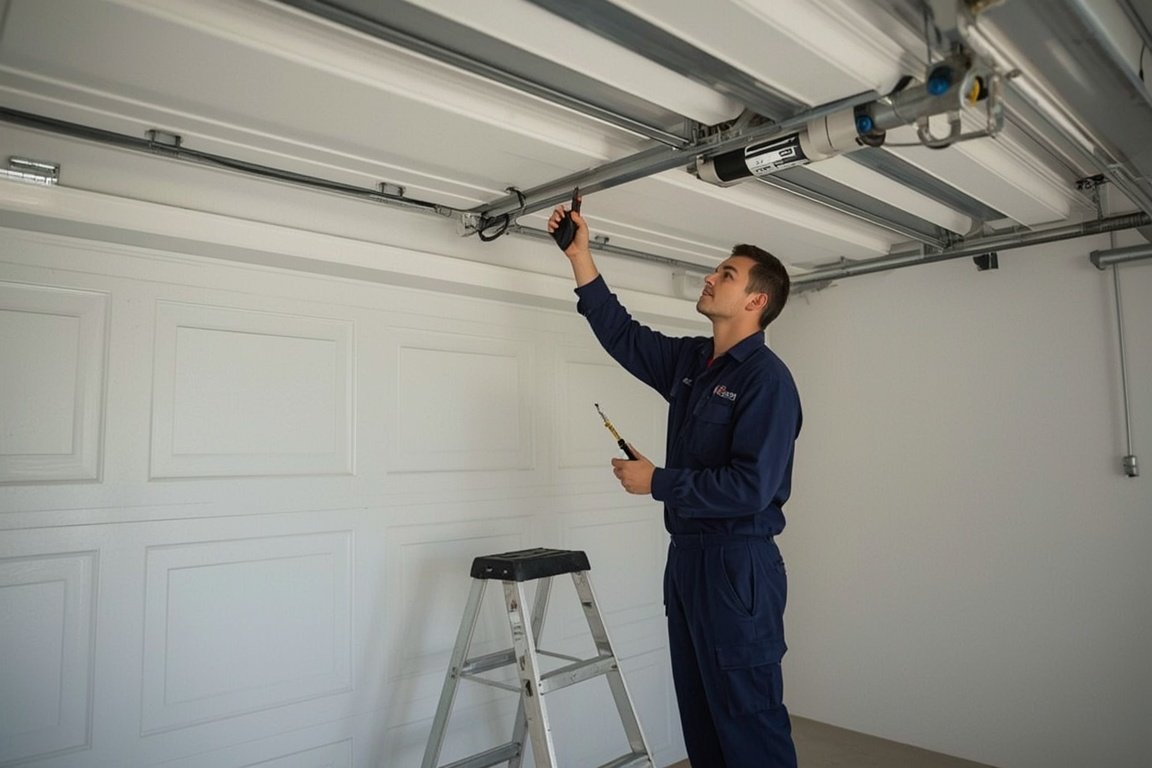
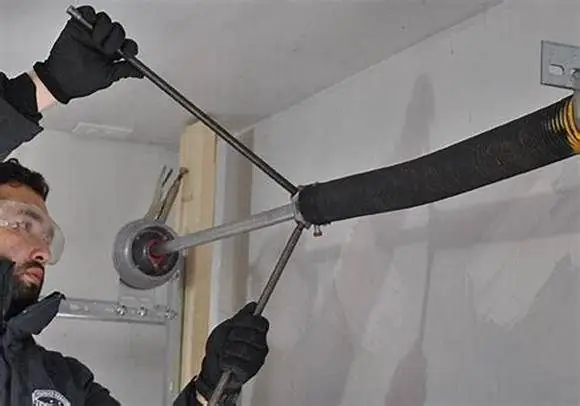
When your garage door suddenly stops working or refuses to open, the culprit is often a broken spring. It's a common problem that every homeowner faces sooner or later. At that moment, one big question comes up: should you attempt a DIY garage door spring repair or call a professional?
With so many online tutorials and how-to videos, fixing things yourself may sound tempting. However, garage door springs aren't just another weekend project. They're tightly wound, under extreme tension, and can be dangerous if handled the wrong way. In this article, we'll compare both approaches - DIY vs. professional repair - so you can make the best, safest choice for your home.
Understanding What Garage Door Springs Do
Garage door springs are the powerhouse behind your door's movement. They counterbalance the door's weight, making it easy for the opener to lift and lower. When a spring breaks, the entire system struggles - or stops working completely.
There are two main types of springs:
- Torsion Springs: Mounted above the door opening, these twist to create torque that lifts the door. They're common in modern systems and typically last longer.
- Extension Springs: Found on the sides of the door, they stretch to provide lifting power. They're more common on older doors and require safety cables to prevent accidents.
Both types are critical to your door's function, but they also store enormous energy - enough to cause serious injury if they snap unexpectedly.
The DIY Option: What It Involves
DIY garage door repair appeals to homeowners who enjoy hands-on projects or want to save money. However, spring replacement isn't the same as tightening a loose hinge or repainting the trim.
What You'll Need
A typical DIY spring replacement requires specialized tools such as winding bars, a sturdy ladder, vise grips, and the correct replacement springs for your door. You'll also need protective gloves, eye protection, and some mechanical knowledge to ensure everything is balanced properly.
Potential Advantages of DIY
- Cost savings: You avoid paying labor fees by doing the work yourself.
- Learning experience: You gain knowledge about how your garage system works.
- Convenience: You can work on your own schedule without waiting for a service appointment.
While these benefits sound appealing, they often come with major trade-offs in safety and long-term reliability.
The Real Risks of DIY Spring Repair
- Safety hazards: Springs are under hundreds of pounds of tension. A single wrong move can cause them to snap, leading to broken tools, property damage, or serious injury.
- Incorrect installation: Using the wrong spring type or failing to set the correct tension can make your door unbalanced or cause premature wear.
- Voided warranty: Many garage door warranties become invalid if repairs are not performed by a certified professional.
- Hidden costs: If something goes wrong, you may still need to call a technician to fix it - often costing more than the original repair would have.
Even skilled DIYers sometimes find spring replacement to be a risky and frustrating task. The margin for error is small, and the consequences can be severe.
Calling the Professionals: What to Expect
Hiring a licensed technician is the safest, fastest, and most reliable way to repair or replace garage door springs. Professional service ensures that your door operates properly and that all safety mechanisms are tested before the job is done.
Benefits of Professional Garage Door Spring Repair
- Safety first: Technicians are trained to handle high-tension springs using the right tools and safety gear.
- Expert diagnosis: A professional can determine whether the problem is limited to the springs or involves other components like cables or bearings.
- Proper equipment: Professionals have the correct replacement parts on hand, matched to your specific door size and weight.
- Time-saving: Most spring replacements take less than an hour for an experienced technician.
- Warranty and peace of mind: Professional work usually includes a service warranty on both labor and parts.
When you hire a reputable company, you're paying for experience, safety, and reliability - not just for someone to "turn a wrench."
Cost Comparison: DIY vs. Professional
Many homeowners assume DIY repairs are cheaper, but the difference isn't as large as you might think. Purchasing high-quality replacement springs and proper tools can cost between based on scope. Add the value of your time and potential risks, and the savings shrink quickly.
Professional garage door spring repair in Florida generally ranges from based on scope, depending on door size, spring type, and the number of springs replaced. This usually includes a full system inspection and warranty - things you don't get with a DIY job.
In the long run, professional repair often costs less when you factor in safety, quality, and durability.
Common Mistakes in DIY Spring Repairs
Even careful DIYers can make errors that lead to bigger problems later. Here are some of the most frequent issues:
- Using mismatched springs that don't balance the door correctly.
- Failing to secure the torsion bar properly before loosening set screws.
- Reusing old, worn-out cables or bearings instead of replacing them.
- Improper winding or tensioning that causes uneven lifting.
- Neglecting to test safety sensors or opener limits after installation.
These mistakes can result in jerky movement, loud noises, or even another broken spring within weeks. A professional technician checks every component to prevent these issues from happening again.
Safety Considerations You Shouldn't Ignore
Every year, hundreds of injuries occur due to DIY garage door repairs. Springs are capable of releasing enough force to break bones or cause severe cuts. Even experienced handymen have been injured by springs suddenly unwinding or metal components snapping loose.
If your garage door spring has broken, the safest thing you can do is stop using the door until a technician inspects it. Continuing to operate the opener could damage the motor or pull the door off balance entirely.
When DIY Might Make Sense
There are a few small maintenance tasks homeowners can safely do themselves. These include:
- Lubricating springs and rollers with silicone-based spray every few months.
- Tightening loose bolts and checking for rust or debris on the tracks.
- Visually inspecting springs for gaps, rust, or uneven stretching.
However, when it comes to replacing or adjusting springs, it's best to leave the heavy lifting to the pros.
How Professionals Ensure a Safe Repair
Professional garage door technicians follow strict safety procedures to prevent accidents and ensure the system works like new. Here's how they handle a typical spring repair:
- Disconnect power to the opener and secure the door in place.
- Use specialized winding bars to carefully release spring tension.
- Install new, properly rated springs for your door's exact weight and size.
- Balance and test the door to ensure smooth movement.
- Inspect cables, bearings, and the opener for wear or damage.
The result is a quiet, balanced garage door that opens smoothly - with no risk to you or your property.
Long-Term Value of Professional Repair
Hiring professionals may cost more upfront, but it pays off in reliability and safety. Properly installed springs last longer, reduce stress on your opener, and help prevent costly breakdowns later. Most companies also include a warranty, so if a problem reappears, you're covered.
For homeowners in South Florida, where humidity and salt air can wear down metal components faster, professional service ensures that corrosion-resistant parts are used and installed correctly.
Final Verdict: DIY or Professional?
So which is better - doing it yourself or calling the professionals? The answer depends on your priorities. If safety, reliability, and long-term performance matter most, professional repair wins every time. While DIY might save a few dollars, the risks and potential complications rarely make it worthwhile.
Your garage door is one of the largest moving systems in your home, and it deserves expert care. A professional technician ensures everything works properly - giving you confidence every time you press that remote button.
Final Thoughts
When it comes to garage door spring repair, the safest and smartest choice is to hire an experienced professional. They have the knowledge, tools, and training to complete the job quickly and safely, leaving your door balanced, quiet, and reliable once again.
Skip the YouTube rabbit hole - we'll have a tech at your door same day across Broward, Dade and Palm Beach.