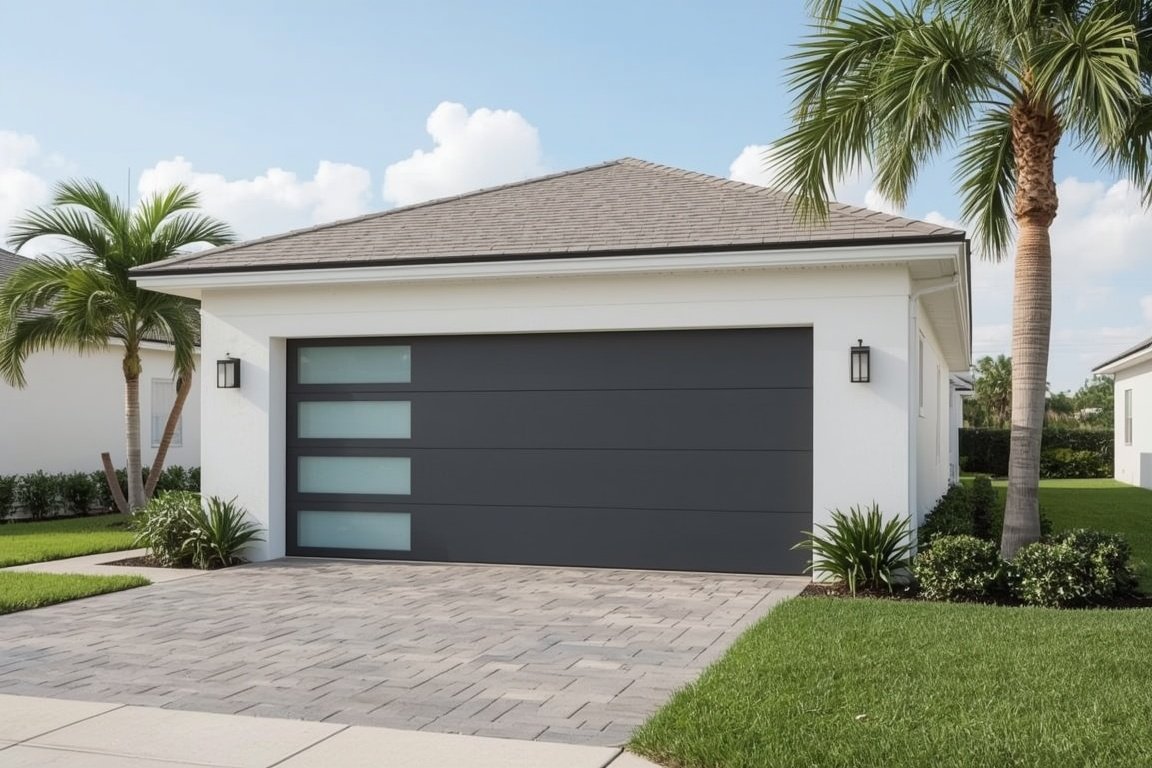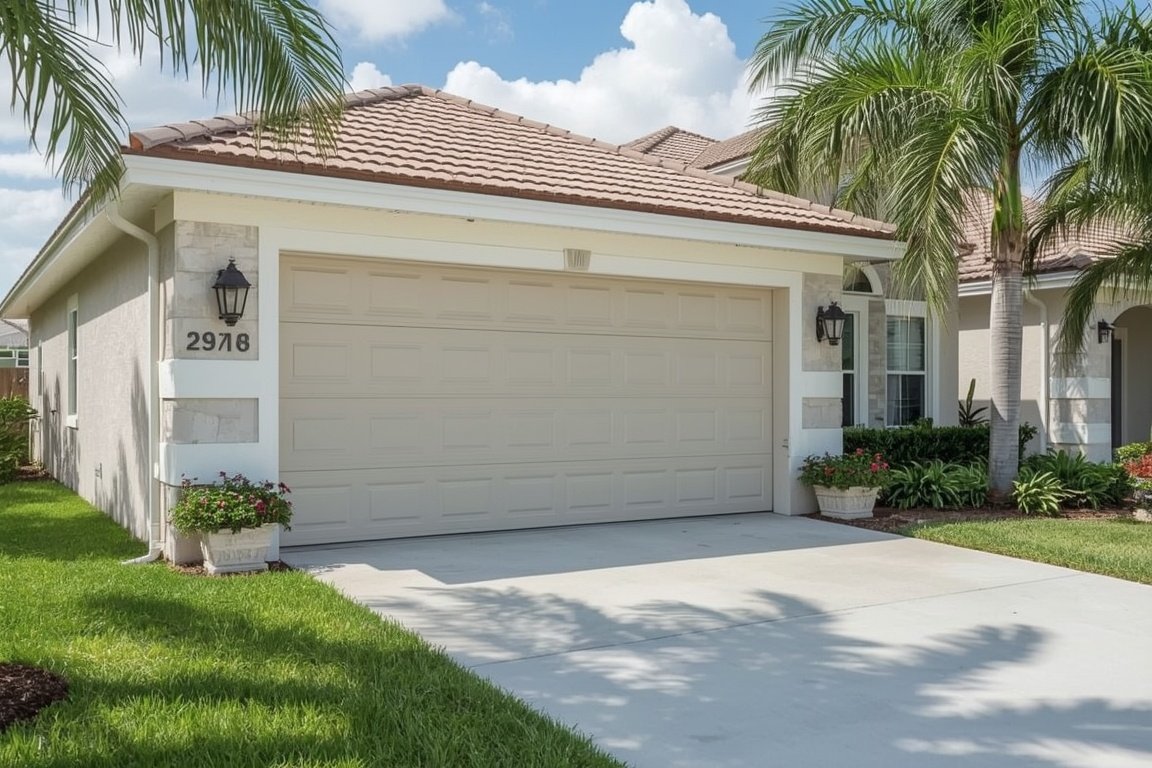
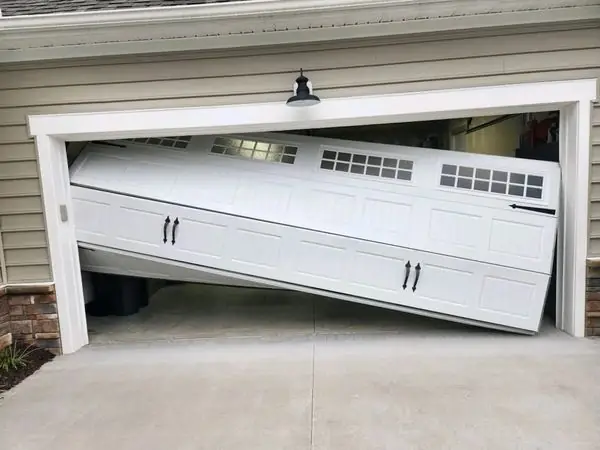
A door that won't open or close can be frustrating, inconvenient, and sometimes even dangerous. Whether it is a front door, interior door, or garage door, a stuck door is usually a sign that something needs attention. Understanding the possible causes helps you troubleshoot the problem safely and decide whether it's a simple fix you can do yourself or a situation that requires professional help. This guide explores common reasons doors get stuck, how to identify them, and practical steps to resolve the issue.
1. Warped Door
One of the most common causes of a door sticking is warping. Doors made of wood can expand or contract due to humidity, temperature changes, or water damage. Signs of a warped door include:
- Door rubbing against the frame at the top, bottom, or sides.
- Gaps that are uneven along the edges.
- Difficulty latching or locking the door.
To fix a warped door, you can sometimes plane the edges to remove small areas of friction or adjust the hinges. In severe cases, the door may need to be replaced.
2. Swollen Door Frame
Wooden door frames, like doors, can swell due to moisture. High humidity, rain, or water leaks can cause the frame to expand, making the door difficult to open or close. Check for:
- Visible swelling or bulges along the door frame.
- Gaps that close when humidity increases.
- Sticking that occurs only during certain weather conditions.
To fix a swollen frame, you can sand the contact areas or improve ventilation to reduce humidity. For ongoing issues, consider treating the wood or using moisture-resistant materials.
3. Loose or Misaligned Hinges
Hinges hold the door in place and allow smooth movement. If hinges are loose or misaligned, the door may sag, rub against the frame, or get stuck. Signs include:
- Door tilts or sags on one side.
- Gaps appear uneven along the edges.
- Door jams when closing or latching.
Fix this by tightening screws, replacing stripped screws, or adjusting the hinge placement. Adding longer screws that reach the door frame studs can improve stability.
4. Broken or Worn Hardware
Other hardware components can also cause doors to stick:
- Latch or lock mechanisms may be misaligned or worn.
- Strike plates may be loose or improperly positioned.
- Garage door rollers or tracks may be damaged or dirty.
Inspect hardware carefully and replace or realign parts as needed. Lubrication of moving components can also reduce friction and improve operation.
5. Debris in the Tracks or Hinges
For both interior and garage doors, dirt, dust, and debris can accumulate in tracks, hinges, or the gap between the door and frame. Signs include:
- Sticky movement when opening or closing the door.
- Clicking or scraping noises during operation.
- Visible dirt or objects caught along the edges or in tracks.
Clean the area thoroughly with a soft brush or cloth. For garage doors, remove debris from tracks and rollers, then lubricate moving parts to restore smooth operation.
6. Foundation or Floor Issues
Sometimes the problem is not the door itself but the floor or foundation. Settling, cracks, or uneven surfaces can cause doors to stick at the bottom. Look for:
- Door dragging along the floor when opening or closing.
- Changes in how the door fits after heavy rain or shifting soil.
- Cracks in concrete or flooring near the threshold.
Fixes may include leveling the floor, sanding thresholds, or installing a door sweep that accommodates movement without sticking.
7. Weather Stripping Problems
Weather stripping is important for insulation but can cause doors to stick if it is old, thick, or improperly installed. Signs of weather stripping issues include:
- Resistance when closing the door.
- Gaps along edges despite insulation.
- Visible curling, tearing, or compressed materials.
Replacing or adjusting weather stripping can improve door movement and maintain energy efficiency at the same time.
8. Temperature and Humidity Changes
Extreme temperatures or high humidity can cause doors to expand or contract. Wooden doors are particularly sensitive. Signs include:
- Doors sticking during hot, humid summers or cold winters.
- Uneven gaps around the frame depending on weather.
Solutions include improving ventilation, using a dehumidifier, or maintaining proper indoor temperature. For garage doors, professional insulation or weather sealing can reduce the impact of temperature changes.
9. Paint or Finish Issues
Thick paint or multiple coats can cause a door to stick against the frame. Signs include:
- Door sticking immediately after painting.
- Uneven rubbing along edges.
- Chipped paint along contact points.
Trimming the painted edges or sanding contact points lightly can prevent sticking while preserving the door's appearance.
10. Garage Door Specific Causes
Garage doors have unique components that can cause them to stick:
- Rollers that are worn, bent, or off-track.
- Springs that are broken or improperly tensioned.
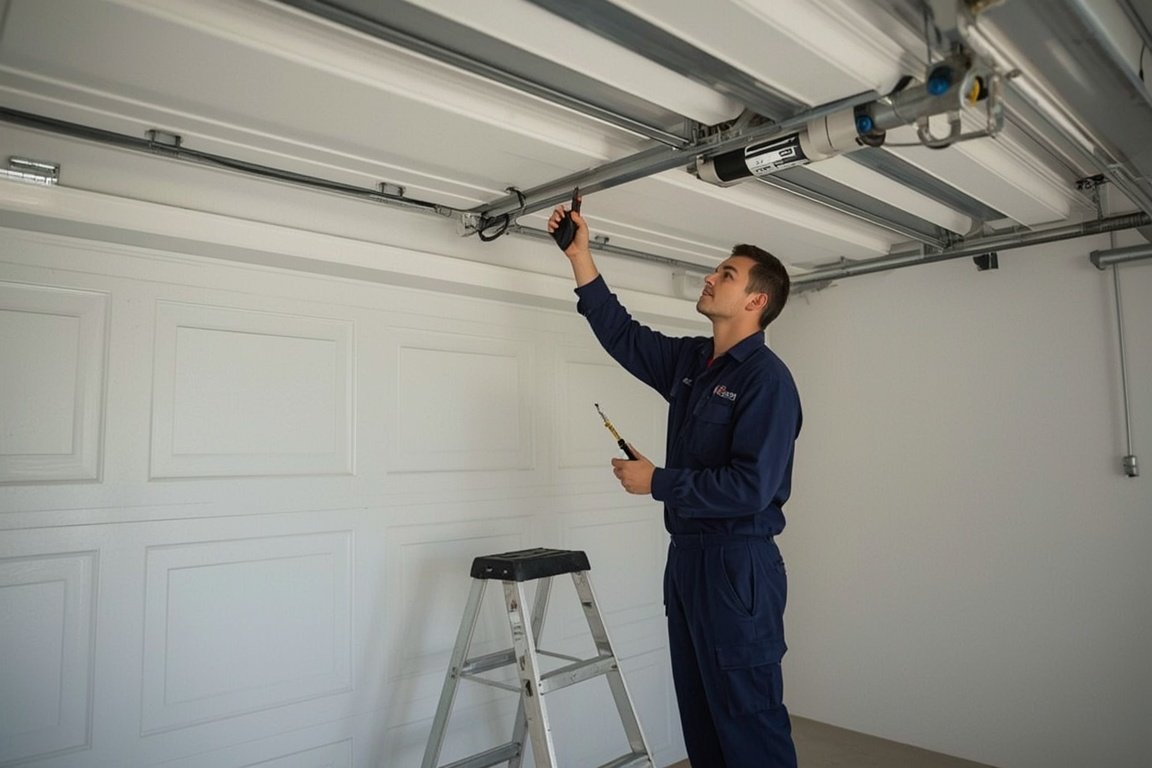
- Opener mechanisms that are misaligned or malfunctioning.
- Tracks that are dented or obstructed by debris.
Inspect the door thoroughly, and consider professional service for spring or opener issues, as these components can be dangerous to repair without proper tools and experience.
11. Safety Sensors and Automation
Automatic doors include sensors to prevent accidents. Misaligned or dirty sensors can prevent doors from closing completely, giving the impression the door is stuck. Check for:
- Obstructions between sensors.
- Dirty lenses or mirrors.
- Misaligned sensors pointing at each other incorrectly.
Cleaning and aligning sensors ensures smooth operation and safety compliance.
12. Regular Maintenance Prevents Sticking
Most stuck door problems can be prevented with routine maintenance. Key steps include:
- Lubricating hinges, rollers, and tracks at least twice a year.
- Tightening loose screws, bolts, and hardware.
- Cleaning frames, tracks, and thresholds.
- Checking for alignment, balance, and smooth operation.
Consistent maintenance keeps doors operating efficiently and extends their lifespan.
13. When to Call a Professional
Some stuck door problems are safe to handle yourself, but others require professional attention. Call a qualified technician if:
- The door has broken springs or cables.
- The opener motor is malfunctioning.
- Structural damage is affecting operation.
- Sticking persists after basic maintenance and adjustments.
Professional repair ensures safety and prevents further damage to the door and its components.
14. Safety Tips While Troubleshooting
Working with doors can be risky, especially garage doors. Keep these safety tips in mind:
- Do not force a stuck door open or closed.
- Avoid standing under a partially open garage door.
- Wear gloves when handling hinges, screws, or metal edges.
- Disconnect automatic openers before attempting repairs.
Following safety guidelines protects you from injury while addressing the problem.
15. Preventive Measures for the Future
Once you fix a stuck door, implement preventive measures to reduce future issues:
- Maintain regular inspections and lubrication schedules.
- Monitor humidity and temperature in areas with wooden doors.
- Replace worn hardware promptly.
- Install weather stripping or thresholds properly.
- Upgrade old doors or openers to modern, durable models.
Preventive care ensures doors operate smoothly, safely, and reliably over time.
Final Thought
A stuck door can be more than a nuisance; it may signal safety risks or maintenance issues. By understanding the possible causes - from warped doors and swollen frames to worn hardware, debris, or weather-related changes - you can troubleshoot effectively and maintain smooth operation. Routine inspections, proper lubrication, alignment, and timely repairs prevent most problems. For complex issues, especially with garage doors, relying on professional service ensures safety and durability. Taking proactive steps keeps doors functioning efficiently, protects your home, and provides peace of mind that your doors will operate reliably for years to come.
Skip the YouTube rabbit hole - we'll have a tech at your door same day across Broward, Dade and Palm Beach.