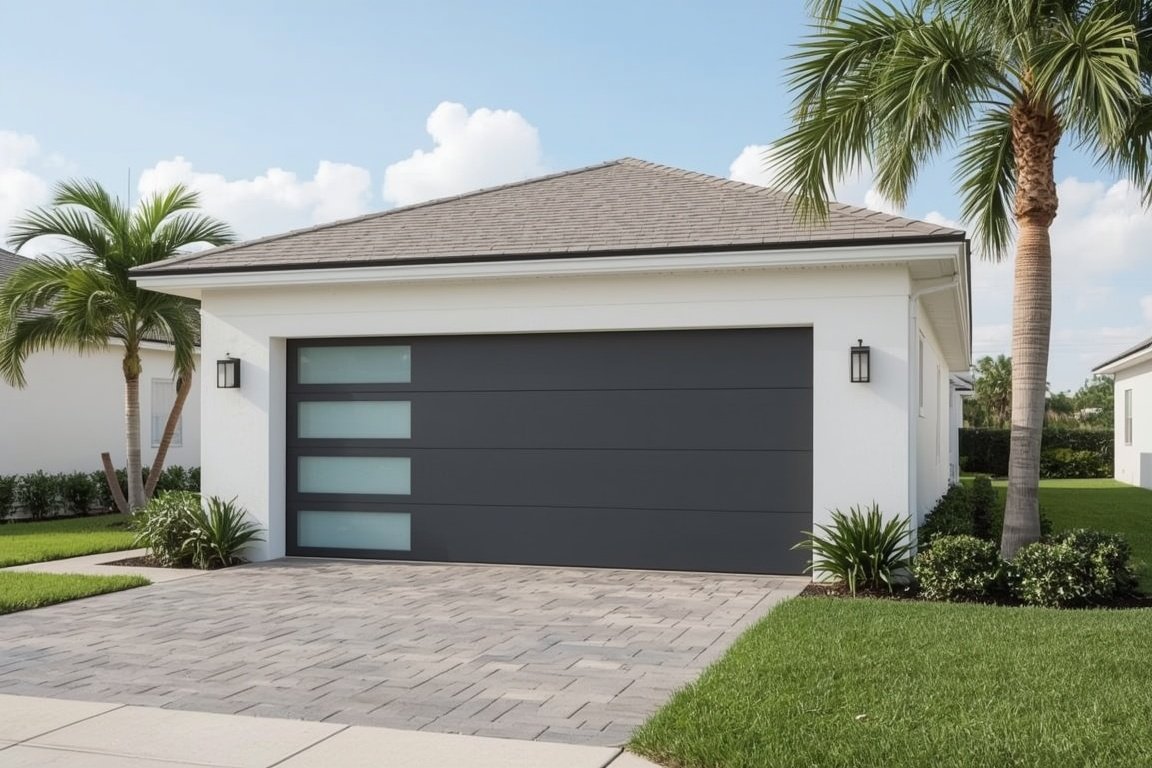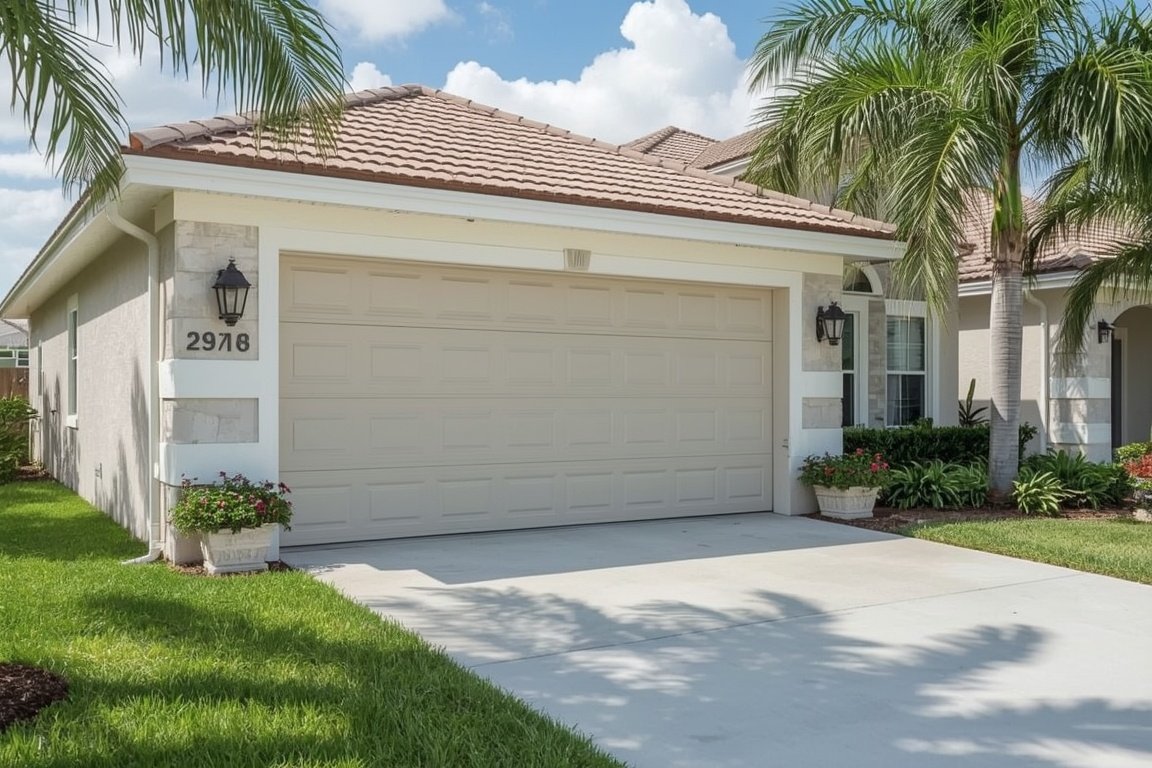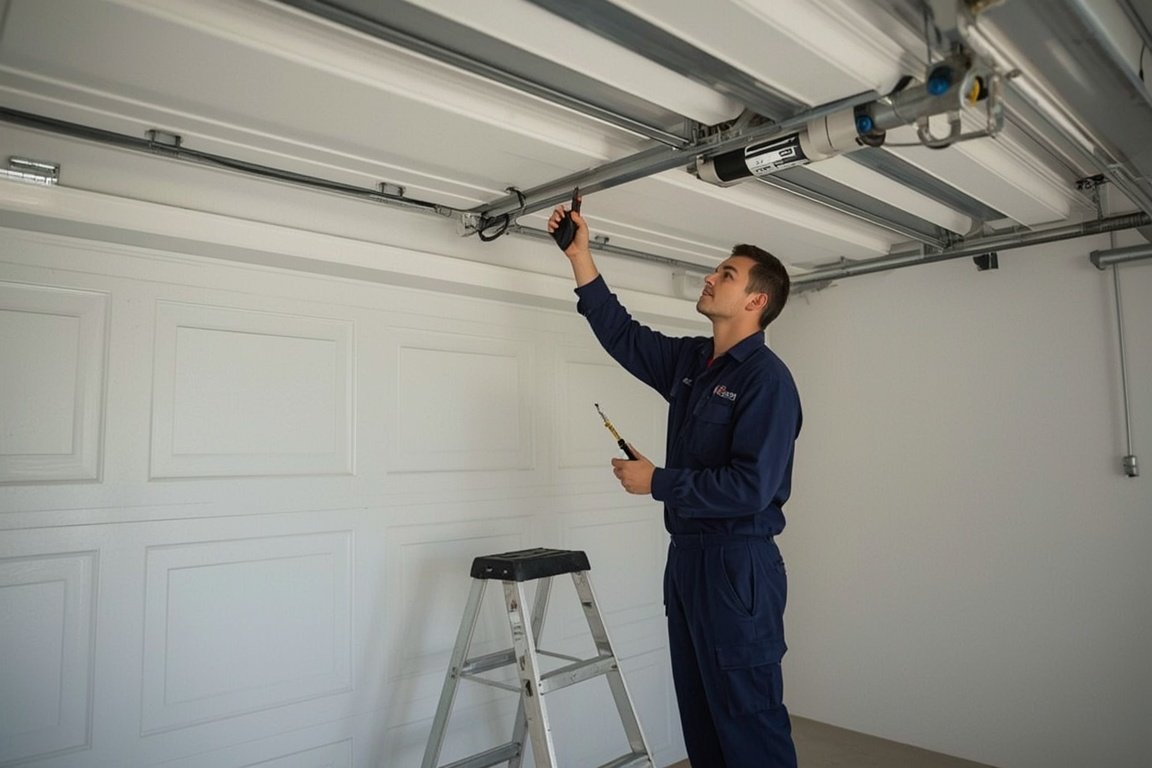
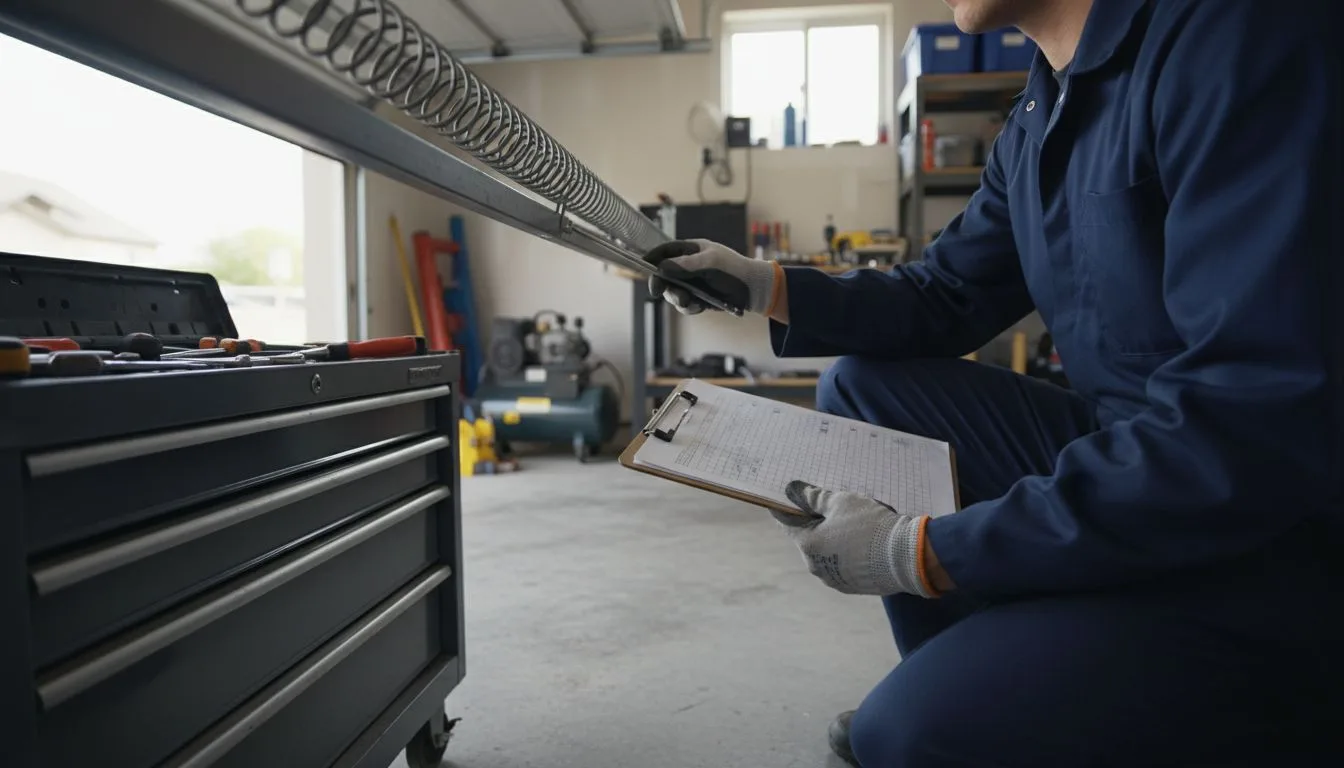
Your garage door is more than just an entryway; it is a key element of home safety, security, and convenience. Like any structural component, it must meet certain building codes and safety standards. Failing to comply with these codes can not only be unsafe but may also create legal issues and affect your home insurance. This guide will explain why keeping your garage door up to code matters and provide practical tips for ensuring compliance, safety, and long-term reliability.
1. Understand the Importance of Building Codes
Building codes exist to ensure structures are safe, durable, and energy-efficient. For garage doors, codes address aspects such as:
- Safety sensors: Required on automatic doors to prevent accidents.
- Spring systems: Proper installation and tension to prevent injuries.
- Structural integrity: Doors and frames must withstand wind, impact, and weight loads.
- Electrical compliance: Openers and wiring must meet electrical safety codes.
Understanding these requirements ensures your garage door protects your home and family while remaining compliant with local regulations.
2. Inspect Your Garage Door System
Regular inspections are essential for code compliance. Check all components, including:
- Door panels for damage or warping.
- Springs, cables, and rollers for wear or corrosion.
- Tracks and hinges for proper alignment.
- Automatic openers and safety sensors for functionality.
Inspections help identify areas that may not meet safety codes and prevent accidents or failures.
3. Verify Safety Sensors
Modern garage doors are required to have safety sensors that detect objects in the door's path. To ensure compliance:
- Place sensors on either side of the door near the ground.
- Test the sensors monthly by placing an object under the door. The door should reverse automatically when the sensor is triggered.
- Replace sensors that fail or are misaligned.
Functional safety sensors prevent injuries and meet building code requirements for automatic doors.
4. Check the Manual Release
All garage doors should have a manual release mechanism to operate the door in case of power failure. To ensure it is up to code:
- Make sure the release cord or handle is easily accessible from inside the garage.
- Ensure it is not blocked or difficult to operate.
- Verify that engaging the manual release allows smooth door operation without forcing it.
Regularly testing the manual release ensures safety and compliance with emergency operation standards.
5. Inspect Springs and Cables
Garage door springs counterbalance the door's weight. Proper installation and maintenance are crucial for safety. To comply with codes:
- Check for signs of wear, rust, or gaps in springs.
- Verify cables are not frayed or damaged.
- Hire a professional for adjustments or replacements, as springs are under high tension and can be dangerous.
Well-maintained springs and cables prevent accidents and ensure the door operates safely.
6. Ensure Proper Electrical Wiring
Garage door openers are electrical devices and must meet local electrical codes. To ensure compliance:
- Inspect the wiring for wear, fraying, or exposed areas.
- Ensure the opener is plugged into a properly grounded outlet.
- Do not overload circuits by connecting multiple heavy devices to the same outlet.
Proper electrical installation prevents fire hazards and keeps your opener working reliably.
7. Check Door Balance
An unbalanced door strains the opener and safety systems. To test balance:
- Disconnect the opener by pulling the manual release handle.
- Lift the door halfway. It should remain in place without sliding up or down.
- If the door moves on its own, springs may need adjustment by a professional.
A balanced door reduces mechanical strain and keeps your system compliant with operational safety standards.
8. Verify Structural Integrity
Building codes require that garage doors and frames withstand wind loads and impact. Inspect for:
- Cracks, dents, or warping in panels.
- Loose or missing bolts and screws.
- Proper attachment of tracks and braces.
Reinforcing weak areas ensures the door meets structural codes and withstands stress from everyday use and weather.
9. Upgrade if Necessary
If your garage door is old or does not meet current codes, consider upgrading. Modern doors include:
- Built-in safety sensors
- Automatic locking features
- Reinforced materials for wind resistance
- Energy-efficient insulation
Upgrading not only improves safety but also ensures compliance with current building standards.
10. Maintain Proper Clearance
Ensure that your garage door has enough clearance from objects, vehicles, or walls. Codes often require:
- Minimum space between the door and any obstacles.
- Clear pathways for sensors to function correctly.
- Proper space for manual release and emergency access.
Maintaining proper clearance prevents accidents and ensures all safety features work effectively.
11. Perform Regular Maintenance
Maintenance is critical to keeping your garage door up to code. Recommended tasks include:
- Lubricating rollers, hinges, and springs.
- Tightening loose hardware.
- Testing sensors and openers monthly.
- Cleaning tracks and removing debris.
Routine maintenance ensures compliance, smooth operation, and reduces the risk of unexpected failures.
12. Educate Household Members
Everyone in your household should understand garage door safety. Teach family members to:
- Use the door opener properly.
- Never play near a moving door.
- Report any unusual noises, sticking, or malfunctions.
Educating household members supports safe operation and compliance with safety standards.
13. Hire Licensed Professionals
Many building codes require that certain garage door repairs or installations be performed by licensed technicians. Professionals can:
- Ensure springs and cables are installed safely.
- Verify electrical components meet code requirements.
- Perform inspections to identify compliance gaps.
- Provide documentation or certification if needed for insurance or resale.
Hiring professionals guarantees your door is installed and maintained according to regulations.
14. Document Compliance
Keeping records of inspections, maintenance, and upgrades can be helpful for:
- Home insurance claims
- Real estate transactions
- Proof of safety and compliance
Documenting work provides peace of mind and ensures that your garage door system is verifiable as safe and up to code.
Final Thought
Ensuring your garage door is up to code protects your home, family, and property. By inspecting components, testing safety features, maintaining proper operation, hiring licensed professionals, and upgrading when necessary, you can keep your garage door safe, reliable, and compliant with current building standards. Regular maintenance, proper use, and clear documentation provide long-term peace of mind. A garage door that meets code not only adds security but also enhances the overall value and safety of your home. Taking these steps is an investment in both safety and durability, ensuring your garage door operates efficiently and safely for years to come.
Skip the YouTube rabbit hole - we'll have a tech at your door same day across Broward, Dade and Palm Beach.