Your garage door opener is a crucial part of your home's convenience and security. It allows you to open and close your garage with ease, protects your vehicles, and even provides an added layer of home security. However, like any mechanical device, garage door openers can wear out over time. With proper care, maintenance, and smart usage, you can extend the lifespan of your opener and avoid costly repairs or replacements. This guide will provide practical steps, tips, and habits to help your garage door opener last as long as possible.
1. Understand How Your Garage Door Opener Works
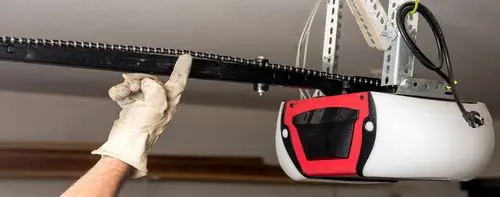
Garage door openers use a combination of motors, gears, chains, belts, and sensors to move your door smoothly. Understanding how the system operates can help you identify potential problems early. The main components include:
- Motor: Powers the movement of the door.
- Drive system: Chains, belts, or screws that transfer power to the door.
- Rollers and tracks: Guide the door up and down smoothly.
- Springs: Counterbalance the door's weight.
- Safety sensors: Prevent the door from closing on people or objects.
Recognizing how these parts work helps you maintain them and detect issues before they cause damage to the opener.
2. Regularly Inspect the Door and Opener
One of the simplest ways to extend your opener's life is to inspect it regularly. Check for signs of wear or damage, including:
- Loose or worn hardware, bolts, and screws.
- Damaged rollers or tracks that may strain the opener.
- Frayed or worn cables or belts.
- Rust or corrosion on moving parts.
- Unusual noises during operation.
Addressing minor issues promptly prevents them from causing bigger problems that can shorten the opener's lifespan.
3. Lubricate Moving Parts
Lubrication reduces friction and wear on moving components. Key areas to lubricate include:
- Rollers and bearings
- Hinges and pivot points
- Chains or screw drives (if recommended by the manufacturer)
Use a silicone-based lubricant or garage door-specific oil. Avoid using heavy grease on parts where the manufacturer recommends light oil, as over-lubrication can attract dirt and cause wear.
4. Keep the Tracks Clean and Aligned
Dirty or misaligned tracks can strain the opener. Maintain them by:
- Wiping tracks with a dry cloth to remove dust and debris.
- Checking for dents or bends in the tracks and straightening them if necessary.
- Ensuring the door moves smoothly without catching on the tracks.
Properly maintained tracks reduce friction and stress on the opener's motor and drive system.
5. Balance Your Garage Door
A balanced door ensures the opener does not work harder than necessary. To test balance:
- Disconnect the opener by pulling the manual release handle.
- Lift the door halfway manually. It should stay in place without sliding up or down.
- If the door moves, the springs may need adjustment by a professional.
An unbalanced door can overload the opener and shorten its lifespan.
6. Use Your Opener Properly
Correct usage habits can prevent unnecessary wear. Consider the following:
- Avoid forcing the door open or closed manually while the opener is engaged.
- Do not block the sensors or attempt to override safety features.
- Operate the door gently, avoiding sudden stops or starts.
Consistent, proper usage reduces stress on the opener's motor and components.
7. Check and Replace Remote Batteries
Low batteries in your remote can cause partial signals, forcing the opener to work harder. Replace batteries as needed and use quality batteries to ensure reliable operation. Keep backup batteries on hand to avoid downtime and unnecessary strain on the opener.
8. Test Safety Features Regularly
Modern openers include sensors that detect objects and prevent accidents. Test these sensors monthly by:
- Placing an object in the door's path.
- Attempting to close the door. It should reverse upon detecting the object.
- Checking that lights flash or indicators operate as designed.
Functional safety sensors prevent damage to the door and opener from collisions or obstructions.
9. Minimize Power Surges
Voltage spikes can damage your opener's motor or control board. To protect it:
- Use a surge protector for the opener's power supply.
- Avoid plugging the opener into outlets that also power heavy appliances.
- Consider a backup power option for areas prone to outages.
Protecting against electrical surges preserves your opener's components and extends its life.
10. Schedule Professional Maintenance
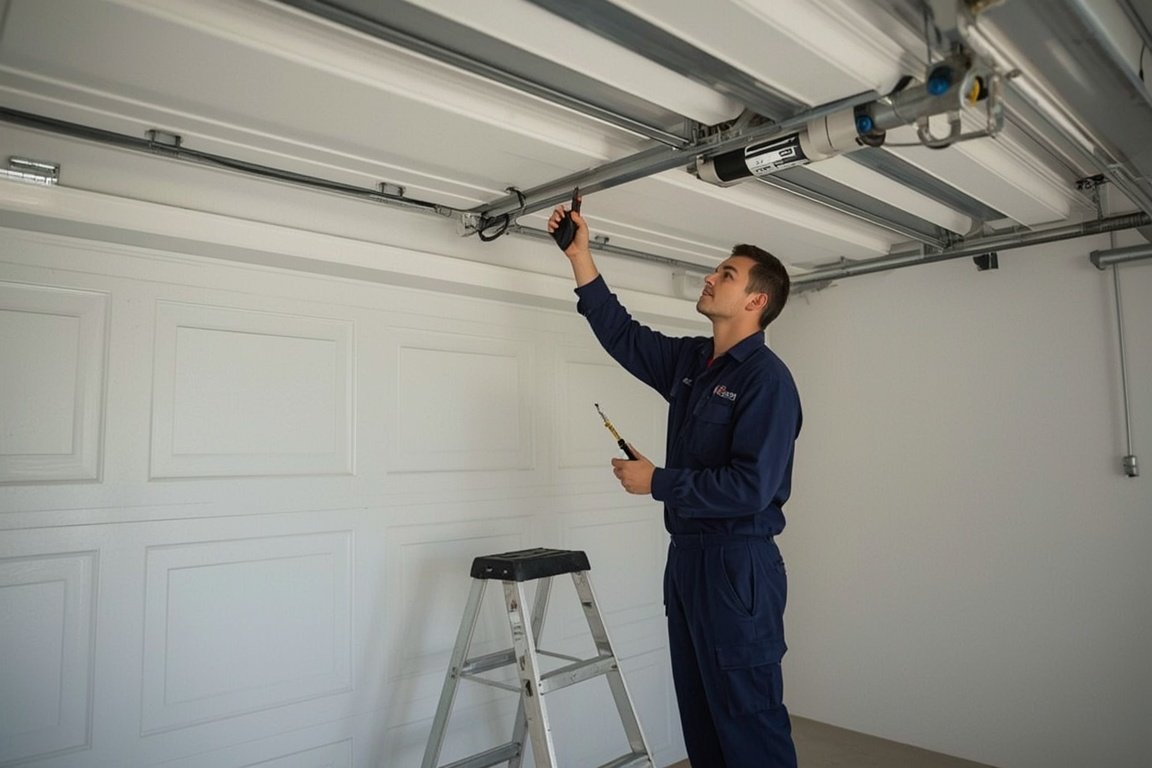
While you can perform basic maintenance, having a professional inspect your garage door and opener once a year ensures longevity. Technicians can:
- Adjust springs and cables for proper tension.
- Inspect and lubricate moving parts safely.
- Check the opener's motor, gears, and drive system.
- Identify potential problems before they become costly repairs.
Regular professional maintenance complements your own efforts and helps prevent premature wear.
11. Replace Worn Parts Promptly
When parts like rollers, cables, or belts show signs of wear, replace them immediately. Worn components increase strain on the opener and can lead to failure. Using high-quality replacement parts designed for your specific model ensures optimal performance and durability.
12. Avoid Overuse
Excessive operation, such as opening and closing the garage multiple times per day, can shorten the opener's lifespan. While modern openers are designed for frequent use, excessive cycles can overheat the motor and wear components faster. Use the opener wisely, especially for older models.
13. Keep the Opener Clean and Dry
Garage door openers are sensitive to dust, dirt, and moisture. To protect yours:
- Wipe the opener housing periodically to remove dust.
- Ensure the garage is well-ventilated to prevent humidity buildup.
- Avoid spilling liquids near the opener's motor or control panel.
Keeping the opener clean reduces corrosion and mechanical wear.
14. Upgrade When Necessary
Even with excellent care, garage door openers have a finite lifespan, typically 10-15 years. Signs it may be time to upgrade include:
- Frequent breakdowns or repairs
- Loud or unusual noises during operation
- Slower or inconsistent door movement
- Outdated safety features or remote technology
Upgrading to a newer model with modern features ensures continued reliability and efficiency.
Final Thought
Extending the lifespan of your garage door opener is achievable with regular inspections, proper maintenance, careful usage, and timely repairs. By understanding how your opener works, lubricating moving parts, keeping tracks clean, balancing the door, using it properly, and scheduling professional checkups, you can ensure smooth and reliable operation for years. Protecting your opener also protects your garage, vehicles, and home. Taking these proactive steps provides peace of mind, reduces unexpected repair costs, and helps your garage door system function safely and efficiently for the long term.
Skip the YouTube rabbit hole - we'll have a tech at your door same day across Broward, Dade and Palm Beach.