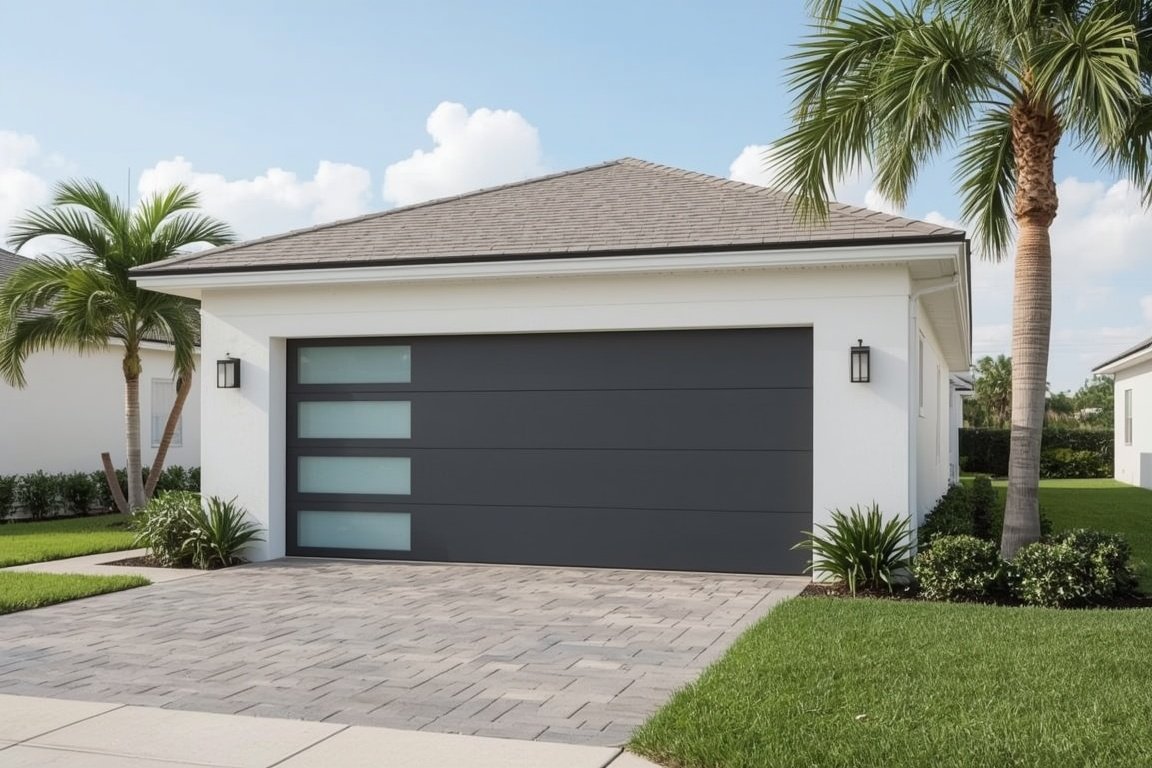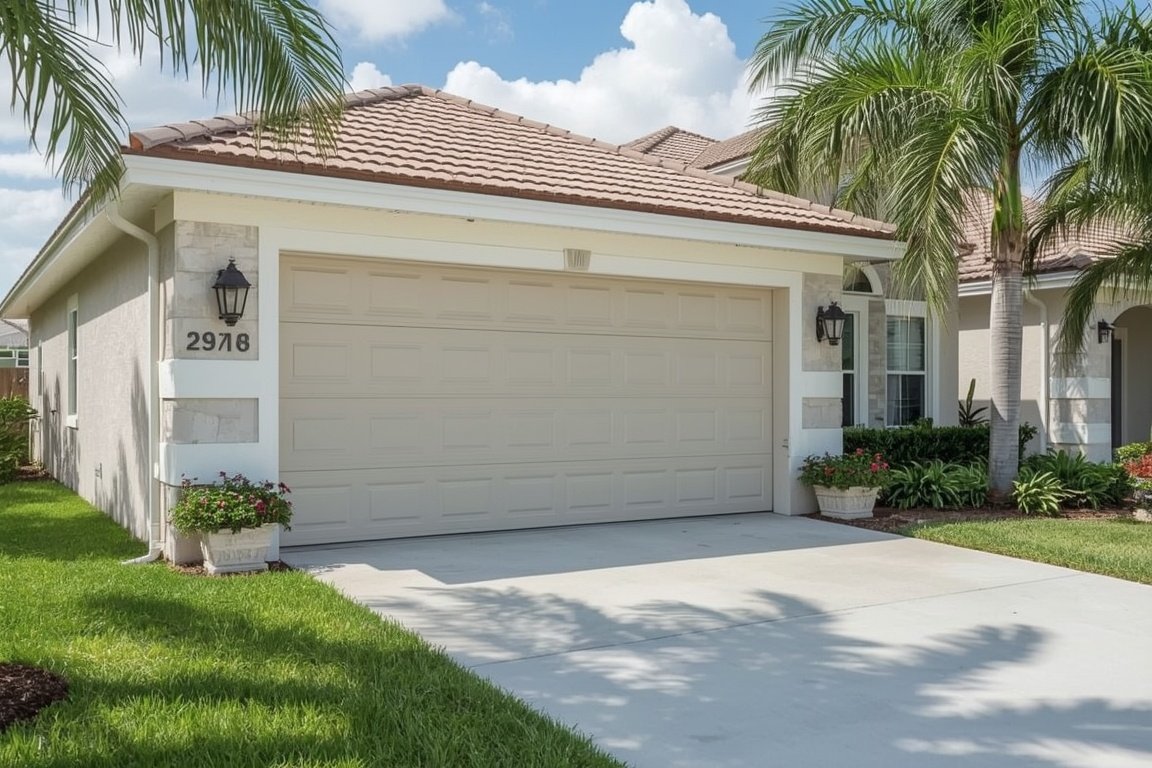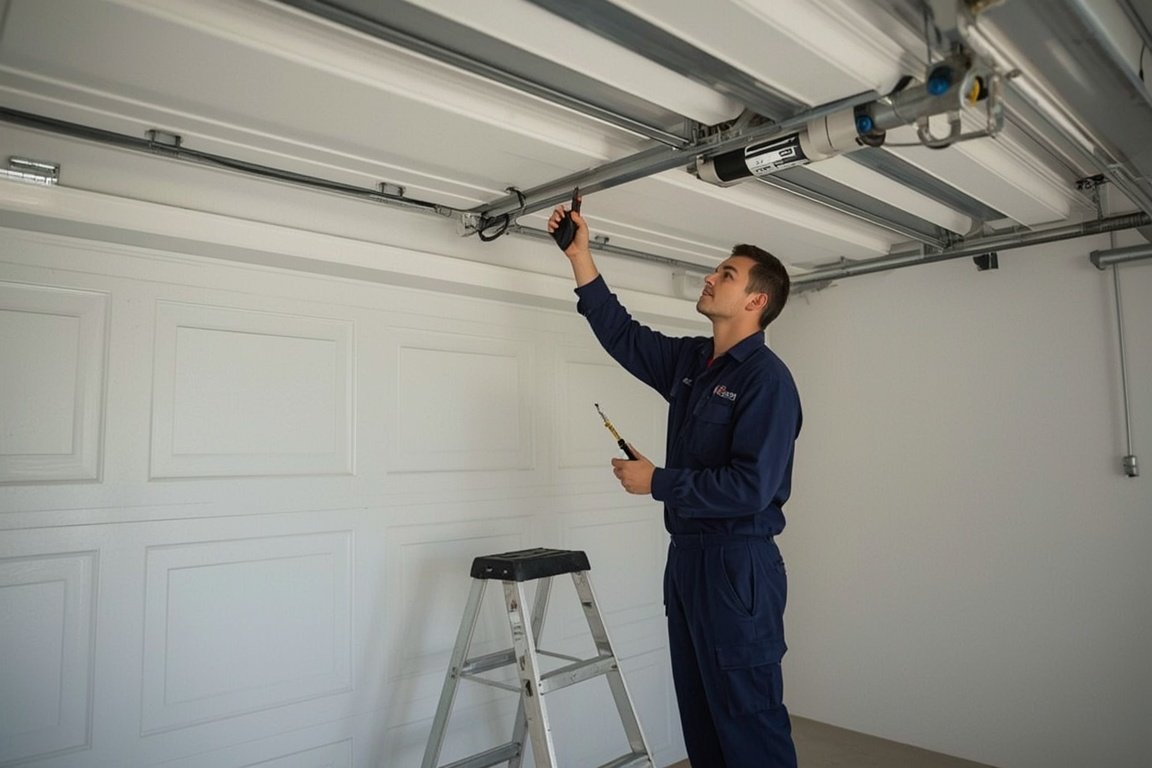
Your garage door is often the largest entry point to your home, but many homeowners underestimate its importance in home security. A vulnerable garage door can make it easier for intruders to access your house, and it can also put your vehicles, tools, and valuables at risk. By taking steps to improve the security of your garage door, you can protect your home, reduce the risk of break-ins, and enjoy greater peace of mind. In this guide, we will discuss practical strategies, devices, and habits to secure your garage door effectively.
1. Understand the Risks
Before improving security, it's important to understand the common risks associated with garage doors. Many intruders target garages because they are often less secure than main doors. Common risks include:
- Weak locks: Older or standard locks can be picked or forced open.
- Manual release vulnerability: Garage doors typically have a manual release mechanism that, if accessible from the outside, can allow intruders to open the door.
- Remote hacking: Some older remote openers are susceptible to code grabbing, allowing criminals to intercept and reuse signals.
- Hidden access points: Unsecured side doors or windows in the garage can provide entry to your home.
Recognizing these risks helps you take proactive measures to secure your garage door and protect your home.
2. Upgrade Your Garage Door Opener
Modern garage door openers come with advanced security features that older models lack. Consider upgrading to a newer opener with features such as:
- Rolling code technology: Each time the remote is used, a new code is generated, preventing code grabbing.
- Smartphone access: Some openers can be monitored and controlled via apps, alerting you when the door is opened.
- Automatic locking: Newer models may automatically lock the door when closed, providing extra protection.
Upgrading your opener reduces the chances of unauthorized access and adds convenience with advanced monitoring options.
3. Install a Strong Lock
While garage door openers provide convenience, a physical lock adds a critical layer of security. For doors that do not have a built-in lock or for additional protection, consider:
- T-handle locks: Popular for single-car garage doors, these locks are durable and resistant to forced entry.
- Slide bolts or deadbolts: Effective for sectional or double doors, offering an additional barrier.
- Keyed locks: Adding a keyed lock to a side or service door increases overall security.
A sturdy lock makes it much harder for intruders to gain access and is a simple step toward peace of mind.
4. Secure the Manual Release
Garage doors include a manual release lever that allows you to operate the door manually during a power outage. While useful, this lever can also be exploited by intruders if accessible from outside. To secure it:
- Install a locking mechanism or shield that prevents pulling the release from outside.
- Use a zip tie or similar device to temporarily disable the release when on vacation.
- Ensure the release cord is out of reach from any windows or other access points.
Securing the manual release prevents a simple method of entry that some burglars exploit.
5. Reinforce the Garage Door
The material and strength of the garage door itself are crucial for security. Older doors may be weak or hollow, making them easier to break. Consider:
- Steel or reinforced doors: Stronger and more resistant to forced entry than wood or aluminum.
- Security bars for windows: If your garage door has windows, install bars or shatter-resistant glass.
- Door braces: For sectional doors, adding braces prevents bending or forcing the door open.
Reinforcing the door improves security and makes your garage less vulnerable to break-ins.
6. Secure Side and Service Doors
Many garages include side doors or service doors that connect to the home. These doors can be overlooked but are often targeted by intruders. To improve security:
- Install solid doors with deadbolt locks.
- Consider reinforced door frames and strike plates to prevent kicking in.
- Ensure any windows in side doors are shatter-resistant or covered to prevent access to locks.
Securing these doors ensures intruders cannot bypass the main garage door to access your home.
7. Install Motion-Sensing Lights
Lighting plays an important role in security. Motion-sensing lights around your garage can:
- Alert you to movement near the door.
- Deter potential intruders who prefer dark areas.
- Provide a safer environment when entering the garage at night.
Position lights on the garage exterior and at entry points for maximum coverage. Well-lit areas are less appealing to burglars.
8. Use Security Cameras
Adding cameras to your garage or driveway is another effective security measure. Modern cameras offer:
- Real-time monitoring via smartphone apps.
- Alerts when motion is detected.
- Video evidence in case of attempted break-ins.
Visible cameras also act as a deterrent, making intruders think twice before approaching your garage.
9. Establish Good Habits
Even with the best equipment, habits play a major role in security. Follow these tips:
- Always close the garage door completely, even if stepping away for a few minutes.
- Never leave garage remotes in vehicles parked outside.
- Keep tools and ladders secured; intruders often use them to gain access.
- Regularly test locks, openers, and security devices to ensure they function properly.
Consistently practicing good habits reinforces all other security measures and keeps your home safer.
10. Consider Smart Garage Security Systems
Smart technology has made garage security easier than ever. Features to look for include:
- Remote monitoring: Check your garage status from anywhere using a smartphone.
- Alerts and notifications: Receive instant alerts if the door is opened unexpectedly.
- Automatic locking: Ensure the door locks when closed, even if you forget.
- Integration with home security: Many smart garage systems work with broader security networks, including alarms and cameras.
Smart systems provide added convenience and peace of mind, knowing you can monitor and control your garage from anywhere.
Final Thought
Securing your garage door is essential for protecting your home, valuables, and loved ones. By understanding the risks, upgrading your opener, installing strong locks, reinforcing the door, securing side doors, and using lighting, cameras, and smart systems, you can greatly improve your garage's security. Good habits and regular maintenance further strengthen your defenses. Taking these steps not only deters intruders but also gives you confidence and peace of mind, knowing your garage and home are well protected. A secure garage door is more than a convenience - it is a cornerstone of home safety and a simple way to protect your family and property.
Skip the YouTube rabbit hole - we'll have a tech at your door same day across Broward, Dade and Palm Beach.