Your garage door opener is one of the most used devices in your home. It provides convenience, security, and smooth operation for your garage door. Over time, openers wear out or become outdated, which can cause safety issues or inconvenience. Recognizing the signs that it's time to replace your garage door opener helps prevent accidents, improves efficiency, and ensures reliable performance. This guide explains five key signs and what to consider when replacing your opener.
1. Frequent Malfunctions
One of the clearest signs your garage door opener is aging is frequent malfunctions. Common problems include:
- Door won't open or close consistently.
- Opener reverses or stops unexpectedly.
- Remote controls and keypads fail to respond.
- Opener works intermittently or requires multiple attempts.
If your opener malfunctions more than once a month, it may be more cost-effective to replace it than to keep repairing it. Repeated breakdowns can also strain your garage door components, leading to further damage.
2. Noisy Operation
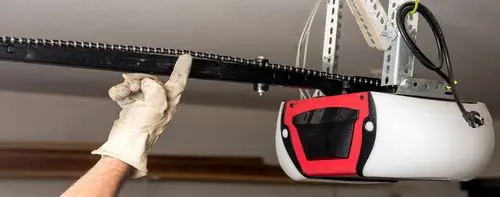
Older garage door openers, especially chain-driven models, can become loud over time. While some noise is normal, excessive grinding, rattling, or squeaking indicates wear. Causes of noisy operation include:
- Worn or misaligned gears.
- Dry or worn-out chain or belt drive.
- Loose components within the motor or housing.
Excessive noise is not only annoying but may signal that the opener is nearing the end of its useful life. Upgrading to a quieter, modern opener can improve comfort and reduce wear on your door system.
3. Slow or Inconsistent Speed
A properly functioning garage door opener should lift and lower the door smoothly and at a consistent speed. Signs that the opener is losing performance include:
- Door moves slower than usual.
- Opener hesitates during opening or closing.
- Stops mid-cycle or reverses unexpectedly.
Slow or inconsistent speed can indicate worn gears, a weakened motor, or an outdated system. Replacing the opener ensures smoother operation and reduces the risk of stress on door springs, cables, and tracks.
4. Safety Feature Failures
Modern garage door openers include safety features designed to prevent injuries and property damage. Key features include:
- Auto-reverse sensors that stop the door if an object is detected underneath.
- Manual release mechanisms for emergencies.
- Force settings that prevent the door from closing with excessive pressure.
If these safety features fail or no longer function reliably, it's a strong sign that the opener should be replaced. Older openers may not meet current safety standards, putting family members or pets at risk.
5. Outdated Technology
Technology evolves, and older garage door openers may lack modern features that enhance convenience and security. Benefits of modern openers include:
- Smartphone connectivity for remote monitoring and control.
- Battery backup systems to operate during power outages.
- Quieter belt-drive operation.
- Advanced security features to prevent unauthorized access.
Replacing an outdated opener allows you to take advantage of these features, improving convenience, safety, and energy efficiency.
Additional Considerations
Before replacing your garage door opener, consider the following:
- Door type and weight: Ensure the new opener is compatible with your door's weight and style.
- Drive type: Choose between chain, belt, or screw drive openers depending on noise preferences and budget.
- Power and horsepower: Higher horsepower is needed for heavy doors or frequent use.
- Professional installation: Proper installation ensures safe operation and extends the opener's lifespan.
Signs That Immediate Replacement Is Needed
While gradual wear may allow some time for repair, certain situations require immediate replacement:
- Opener fails completely and the door cannot be operated.
- Broken gears or motor components that cannot be repaired.
- Safety sensor failure that cannot be fixed or bypassed.
- Frequent accidents or close calls with the door reversing unexpectedly.
Delaying replacement in these cases can be dangerous and costly.
Benefits of Replacing Your Garage Door Opener
Upgrading your garage door opener provides numerous benefits:
- Safety: Modern systems include sensors, auto-reverse, and better force control.
- Quiet operation: Belt drives and advanced technology reduce noise.
- Reliability: New motors and components reduce breakdowns.
- Convenience: Remote access, smart controls, and battery backup enhance usability.
- Energy efficiency: Efficient motors use less electricity and reduce strain on the door.
- Peace of mind: A new system provides confidence that your garage door is safe and functional.
DIY vs. Professional Replacement
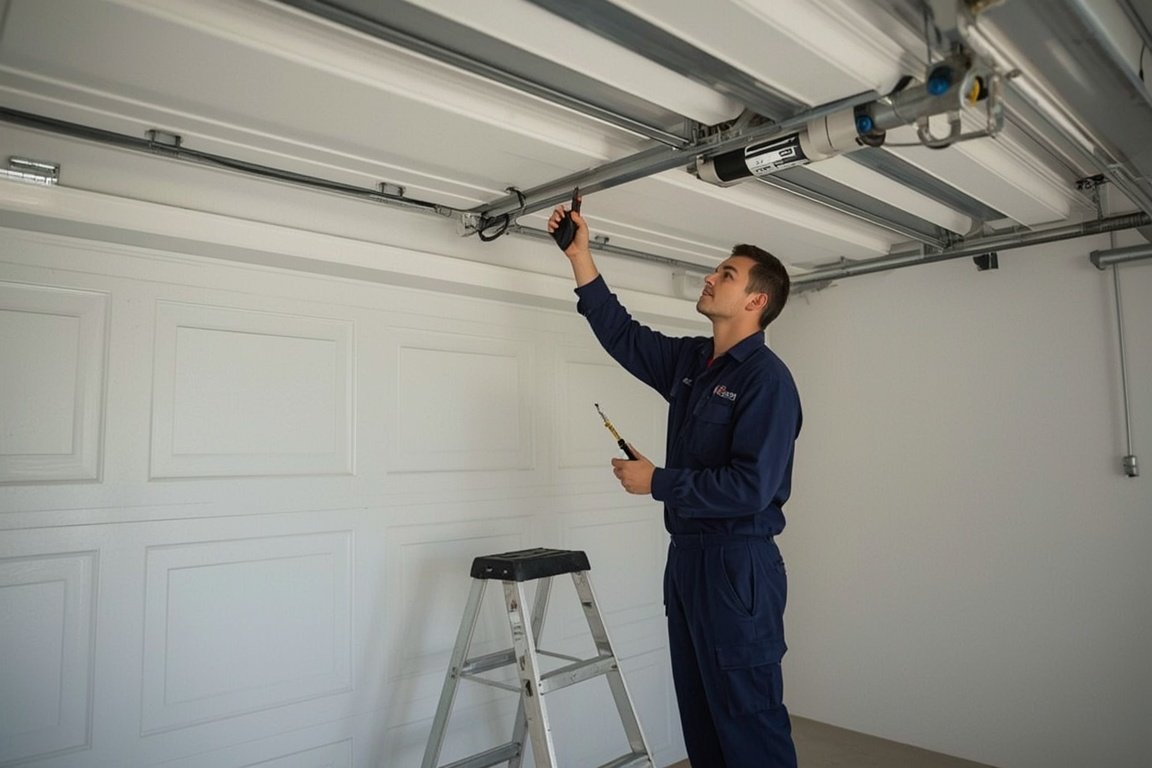
While some homeowners attempt DIY replacement, professional installation is often safer and more reliable. Professionals ensure:
- Proper alignment and tension for smooth operation.
- Correct motor horsepower for door weight.
- Safe handling of springs, cables, and other high-tension components.
- Proper setup of safety sensors and auto-reverse systems.
- Warranty protection and long-term reliability.
Professional installation is especially recommended for heavy doors, complex systems, or smart opener upgrades.
Maintenance Tips for Your New Opener
After replacing your garage door opener, regular maintenance keeps it working efficiently:
- Lubricate moving parts every six months.
- Test safety sensors monthly to ensure they reverse the door correctly.
- Check door balance annually to prevent strain on the opener.
- Keep remote controls and keypad batteries fresh.
- Inspect for unusual noises, jerking, or slow operation.
Routine maintenance prolongs the life of your opener and ensures continued safety.
Summary
Recognizing when it's time to replace your garage door opener is critical for safety, reliability, and convenience. Key signs include frequent malfunctions, noisy operation, slow or inconsistent speed, failing safety features, and outdated technology. Immediate replacement may be necessary for complete failures, broken components, or unsafe operation. Modern openers provide improved safety, quiet operation, smart features, and reliable performance. Whether you choose to replace your opener yourself or hire a professional, proper installation and maintenance are essential for long-term reliability.
Final Thought
Your garage door opener is one of the most important components of your garage system. Paying attention to signs of wear, malfunction, and outdated technology ensures your door remains safe, efficient, and convenient. Replacing an old or failing opener not only improves performance but also enhances safety for your family and protects your home. Don't wait until a breakdown or safety issue arises - stay proactive, upgrade when needed, and enjoy the benefits of a reliable, modern garage door opener.
Skip the YouTube rabbit hole - we'll have a tech at your door same day across Broward, Dade and Palm Beach.