Garage doors are an important part of any home. They keep your home secure, protect your vehicles, and add to your home's curb appeal. Like any mechanical system, garage doors need upkeep to work safely and last longer. Performing simple maintenance tasks can prevent costly repairs and ensure your door operates smoothly for years. This guide covers four basic garage door upkeep tips that every homeowner should know.
Tip 1: Regular Inspection
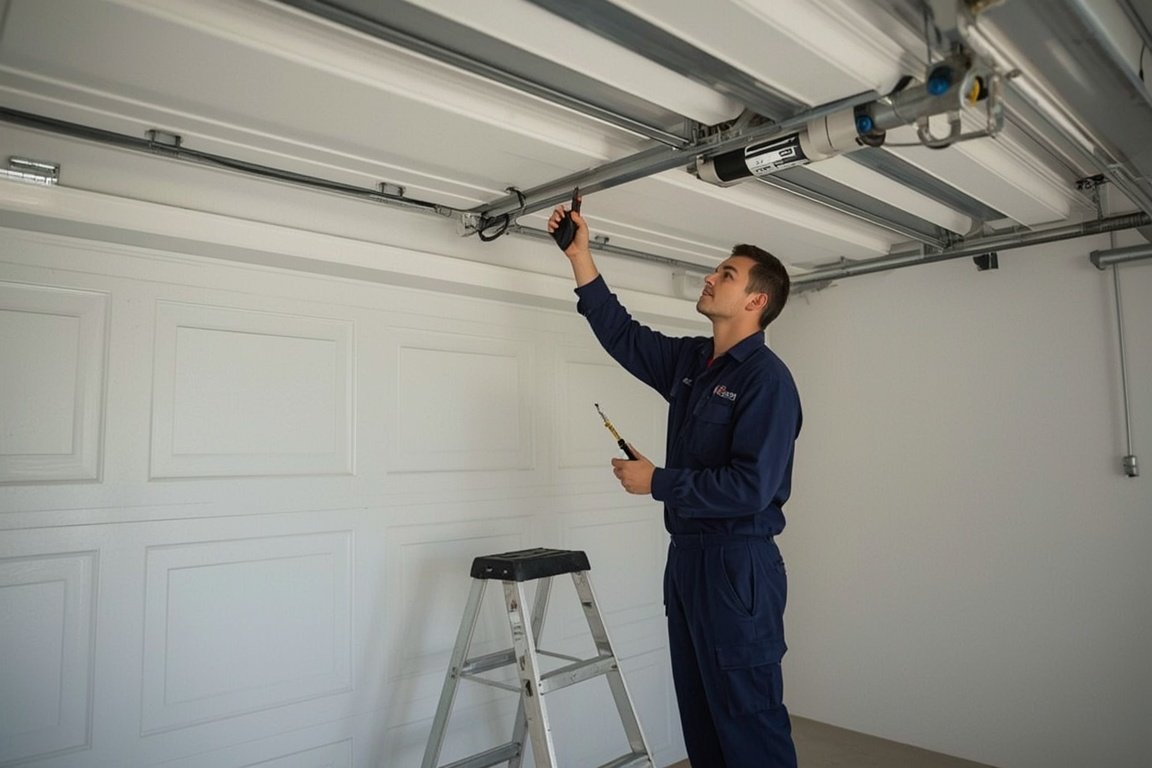
Regular inspection of your garage door can help you catch problems before they become serious. At least once every three months, check the following:
- Rollers and tracks: Ensure rollers move smoothly and tracks are aligned. Look for dents, debris, or rust.
- Hinges and brackets: Check for loose screws, cracks, or damage in hinges and mounting brackets.
- Springs: Look for signs of wear or rust. Do not try to adjust or replace torsion springs yourself, as they are under high tension.
- Cables: Inspect for fraying or slack. Broken or damaged cables should be replaced by a professional.
- Weather seals: Examine the bottom and sides of the door for cracks or wear. Replace seals as needed to prevent drafts and moisture.
Early detection of small issues prevents accidents and costly repairs later. Taking notes during inspections also helps track changes over time.
Tip 2: Lubrication
Lubrication is essential for smooth operation and quiet movement. Properly lubricated parts last longer and put less strain on your garage door opener. Key points to remember:
- Lubricate rollers, hinges, and springs: Use a high-quality garage door lubricant or silicone-based spray. Avoid heavy grease, which can attract dust and debris.
- Lubricate the opener chain or screw: Chain-driven openers need periodic lubrication. Belt-driven systems require less frequent attention but still benefit from occasional lubrication of moving parts.
- Frequency: Lubricate all moving parts about every six months or whenever you notice squeaking or sticking.
- Do not lubricate the tracks: Tracks should remain clean and dry to prevent rollers from slipping.
Proper lubrication reduces noise, prevents wear, and improves door efficiency.
Tip 3: Balance and Safety Checks
A properly balanced garage door is easier to operate, puts less strain on the opener, and is safer for your family. You can check the balance with these steps:
- Disconnect the garage door opener by pulling the emergency release cord.
- Lift the door manually to the halfway point and release it. A balanced door should stay in place. If it rises or falls on its own, the springs may need adjustment by a professional.
- Test the auto-reverse function of your garage door opener by placing an object, such as a piece of wood, under the door. The door should reverse automatically upon contact.
These safety checks ensure your garage door operates smoothly and protects your family and property. Never try to adjust springs yourself - they are under high tension and can be dangerous.
Tip 4: Cleanliness and Environmental Care
Keeping your garage door and surrounding area clean helps prevent problems and prolongs its lifespan:
- Clean the door surface: Wash with mild soap and water to remove dirt, debris, and pollutants that can damage the finish.
- Clean the tracks: Remove dirt, dust, and small objects that could obstruct rollers. Do not use lubrication in the tracks - only keep them clean and dry.
- Protect against moisture: Ensure gutters and drainage systems prevent water from pooling near the door, which can cause rust and wood damage.
- Inspect for pests: Check for insects or rodents that might damage weather seals or wiring.
Cleanliness improves performance, prevents damage, and keeps your garage door looking good for years.
Additional Maintenance Tips
Besides the four basic upkeep tips, consider these additional steps:
- Test door sensors monthly to ensure auto-reverse functions are working properly.
- Tighten loose bolts and screws to maintain stability.
- Keep remote controls and keypads in working order by replacing batteries regularly.
- Schedule professional inspections annually for thorough assessment of springs, cables, and opener systems.
Common Problems and How Upkeep Helps
Regular upkeep prevents many common garage door problems:
- Door won't open: Often caused by misaligned tracks or worn rollers. Regular inspection can catch this early.
- Door is noisy: Lubrication of moving parts reduces squeaks and grinding sounds.
- Uneven movement: Balance checks prevent one side of the door from rising faster than the other.
- Broken springs or cables: Early inspection identifies wear before catastrophic failure occurs.
- Sensor malfunctions: Cleaning and testing keep safety systems working properly.
When to Call a Professional
While many upkeep tasks are simple, some repairs and maintenance require a professional:
- Adjusting or replacing torsion or extension springs.
- Replacing worn or broken cables.
- Major roller or track replacement.
- Garage door opener motor repairs.
- Persistent alignment or balance issues.
Hiring a professional ensures safety, proper installation, and long-term reliability.
Benefits of Regular Garage Door Upkeep
Maintaining your garage door regularly provides multiple advantages:
- Safety: Prevents accidents and injuries from malfunctioning doors.
- Reliability: Reduces the chance of unexpected breakdowns.
- Longevity: Extends the life of springs, cables, rollers, and opener systems.
- Energy efficiency: Weather seals and properly balanced doors improve insulation and save energy.
- Cost savings: Prevents expensive repairs and replacements by catching issues early.
- Appearance: Clean doors and maintained hardware enhance curb appeal.
Summary
Garage doors are complex systems that require regular upkeep to ensure safety, efficiency, and longevity. The four basic garage door upkeep tips include regular inspection, proper lubrication, balance and safety checks, and cleanliness. Additional steps, such as testing sensors, tightening hardware, and professional inspections, further enhance reliability. Following these tips helps prevent common problems like noise, uneven movement, broken springs or cables, and sensor malfunctions. Regular maintenance also saves money, protects your family, and keeps your garage looking good.
Final Thought
Keeping up with basic garage door maintenance doesn't have to be complicated. Simple, regular steps like inspection, lubrication, balance checks, and cleaning go a long way in preventing problems and extending the life of your door. Remember that some tasks, especially those involving springs or major components, are best handled by professionals. By committing to regular upkeep, you ensure your garage door remains safe, reliable, and attractive for many years to come. A well-maintained garage door protects your home, your family, and your investment.
Skip the YouTube rabbit hole - we'll have a tech at your door same day across Broward, Dade and Palm Beach.