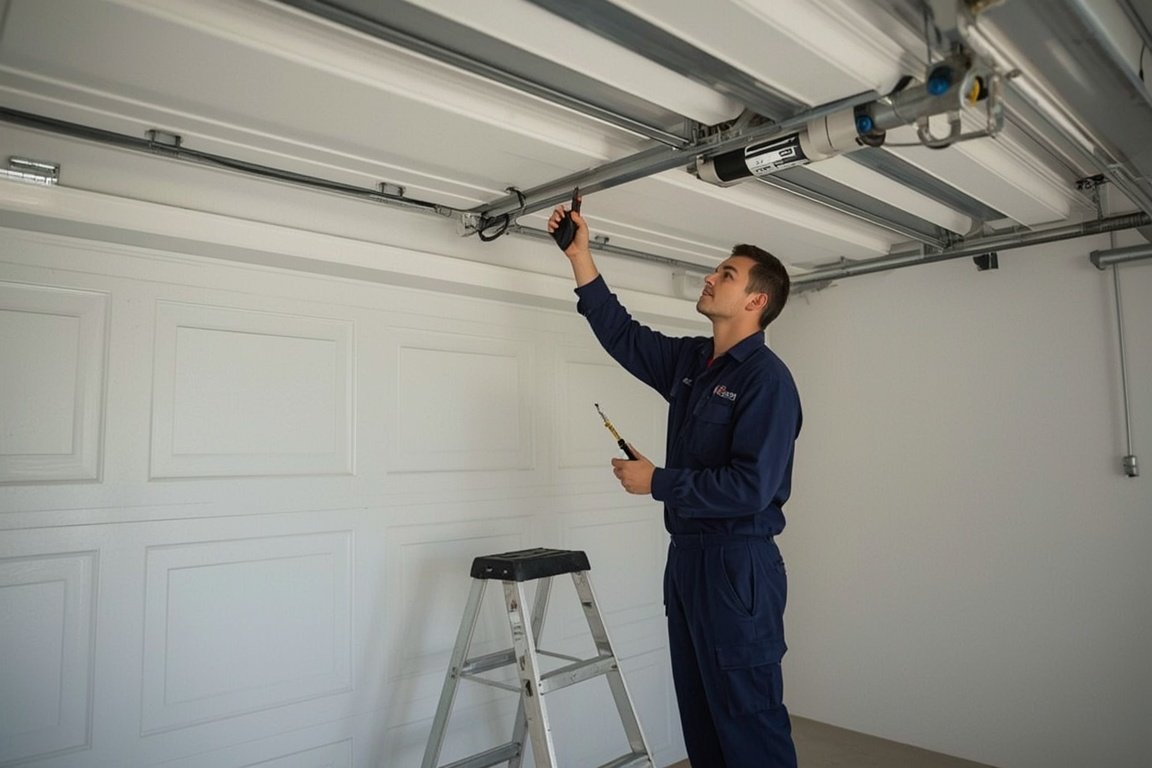
Garage door cables are a crucial part of your garage door system. They work with springs and pulleys to lift and lower the door safely. Over time, cables can wear out, fray, or break. If this happens, it can be dangerous and prevent your door from operating properly. Knowing when and how to replace garage door cables, along with proper maintenance and safety precautions, ensures your door remains reliable and safe. This guide explains everything in clear, easy-to-read language.
What Garage Door Cables Do
Garage door cables are steel wires that connect the door to the spring system. They transfer the lifting force from the springs to the door, allowing it to move smoothly along the tracks. Cables are typically found on both sides of the door, working in tandem with torsion or extension springs. They are critical for balancing the door and ensuring safe operation.
Signs Your Garage Door Cables Need Replacement
Recognizing early signs of cable wear helps prevent accidents and costly damage. Common signs include:
- Frayed or broken strands: Individual wires may start to split or fray along the cable.
- Visible rust or corrosion: Exposure to moisture can weaken the cable over time.
- Uneven or jerky movement: If the door doesn't lift evenly, one cable may be damaged or stretched.
- Slipping or stretched cables: Excess slack reduces lifting efficiency and can damage the spring system.
- Noise: Squeaking, snapping, or grinding sounds during operation can indicate cable problems.
Safety Precautions Before Replacing Garage Door Cables
Garage door cables work with high-tension springs. Attempting to replace them incorrectly can cause serious injury. Follow these safety tips:
- Disconnect power to the garage door opener to prevent accidental movement.
- Do not attempt to remove or adjust torsion or extension springs unless you are trained.
- Wear safety glasses and heavy-duty gloves to protect your eyes and hands.
- Use proper tools such as winding bars, cable clamps, and a sturdy ladder.
- Keep children and pets away from the work area.
Types of Garage Door Cables
There are two main types of garage door cables:
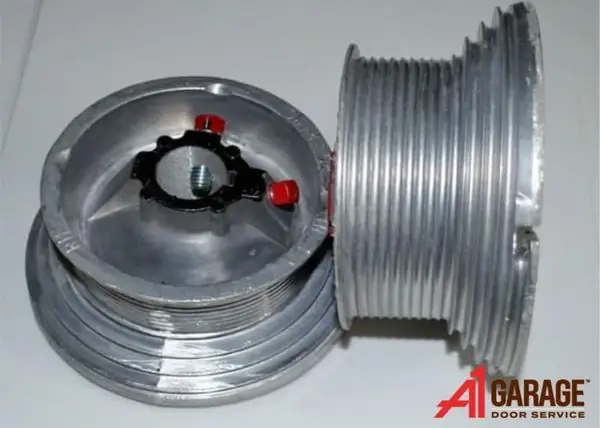
- Torsion spring cables: Used with torsion spring systems above the door. They wrap around drums and lift the door as the springs unwind.
- Extension spring cables: Used with extension spring systems on the sides of the door. They connect to pulleys and the bottom brackets of the door.
Both types require proper tension, alignment, and maintenance to operate safely and efficiently.
Step-by-Step Guide to Garage Door Cable Replacement
Replacing garage door cables can be complex, especially on torsion spring systems. Here's a general step-by-step guide for understanding the process. Always consult your door's manual or hire a professional if you are unsure.
1. Disconnect the Door Opener
Unplug the garage door opener or turn off the circuit breaker to ensure no accidental movement during the replacement process.
2. Close the Door and Secure It
Lower the door completely and use locking pliers or C-clamps on the bottom track to prevent the door from moving while you work on the cables.
3. Inspect the Existing Cables
Check both sides of the door for fraying, rust, or slack. Take note of how the cable is attached to the spring, drum, or pulley system before removing it.
4. Remove the Old Cable
Carefully detach the cable from the bottom bracket and spring system. Keep the door secured and avoid letting the spring tension snap back, which can be dangerous.
5. Install the New Cable
Attach the new cable to the bottom bracket and thread it along the pulleys or drum according to your system type. Ensure the cable sits properly in the grooves and is not twisted.
6. Adjust Tension
Cable tension is critical for smooth operation. Torsion cables must be wound correctly with the spring to balance the door. Extension spring cables need just enough tension to lift the door evenly. Incorrect tension can damage the door or spring system.
7. Test the Door
Remove the locking pliers or clamps and slowly open and close the door manually to check for smooth operation. Reconnect the garage door opener and test the door using the opener controls. Listen for unusual noises and ensure even movement.
8. Final Inspection
Double-check all cable attachments, pulleys, and brackets. Lubricate moving parts and ensure the door operates safely and smoothly.
Maintenance Tips to Extend Cable Life
Proper maintenance can prevent cable damage and extend the life of your garage door system:
- Lubricate cables with a light silicone or garage door lubricant every 6 - 12 months.
- Inspect cables regularly for fraying, rust, or slack.
- Check springs, pulleys, and drums for wear, as these affect cable tension.
- Keep tracks clean and free of debris to reduce strain on cables.
- Test the balance of the door by disconnecting the opener and lifting the door manually; it should remain in place when partially raised.
When to Call a Professional
Replacing garage door cables involves high-tension springs and precise adjustments. Call a professional if:
- The cables are frayed, broken, or heavily rusted.
- You are unsure how to adjust torsion or extension springs safely.
- The door does not lift evenly after cable replacement.
- You notice damage to pulleys, drums, or other components.
- You want a safer and faster replacement with proper warranty coverage.
Common Mistakes to Avoid
- Replacing cables without securing the door first.
- Trying to adjust springs while replacing cables without proper training.
- Over-tightening or under-tightening the cable, which can strain the system.
- Using the wrong cable type or size for your door system.
- Neglecting lubrication and maintenance after installation.
Cost Considerations
The cost of garage door cable replacement depends on the type of door and cable, as well as labor if you hire a professional:
- DIY cable replacement: based on scope for a set of cables.
- Professional replacement: based on scope including labor and parts.
- Additional costs may apply if springs, pulleys, or brackets also need replacement.
Investing in professional replacement often saves money in the long run by preventing improper installation and potential damage.
Benefits of Timely Cable Replacement
Replacing worn or damaged cables promptly offers several advantages:
- Safety: Prevents accidents caused by snapping cables or unbalanced doors.
- Reliability: Ensures smooth, consistent operation of your garage door.
- Longevity: Protects springs, pulleys, and other components from excess wear.
- Energy savings: Balanced doors reduce strain on the opener and motor, lowering energy use.
- Peace of mind: Prevents unexpected failures and costly repairs.
Summary
Garage door cables are essential for safe and smooth operation. They work with springs and pulleys to lift and lower the door. Signs of wear include frayed strands, rust, slack, and uneven movement. Replacing cables involves disconnecting power, securing the door, removing the old cables, installing new ones, adjusting tension, and testing the system. Regular maintenance, including lubrication and inspections, extends cable life and prevents problems. Safety is critical, and some replacements are best handled by professionals to avoid injury. Timely replacement ensures reliability, longevity, and safe operation of your garage door system.
Final Thought
Your garage door cables play a vital role in the overall safety and performance of your door. Regular inspection, proper maintenance, and timely replacement are essential to keep your door functioning correctly. While minor adjustments can sometimes be handled by homeowners, most cable replacements are safer when performed by trained professionals. By taking care of your garage door cables, you protect your family, your home, and your investment in the long term. Don't wait until a cable snaps - stay proactive and maintain your garage door system.
Skip the YouTube rabbit hole - we'll have a tech at your door same day across Broward, Dade and Palm Beach.