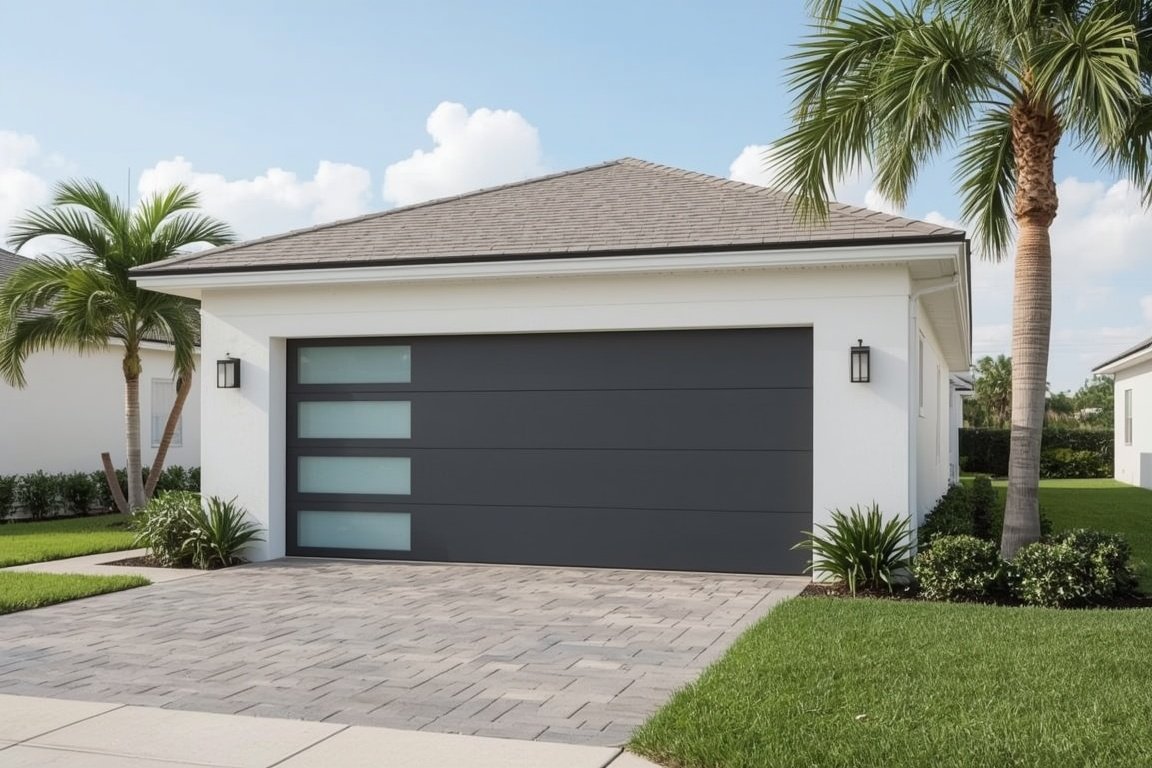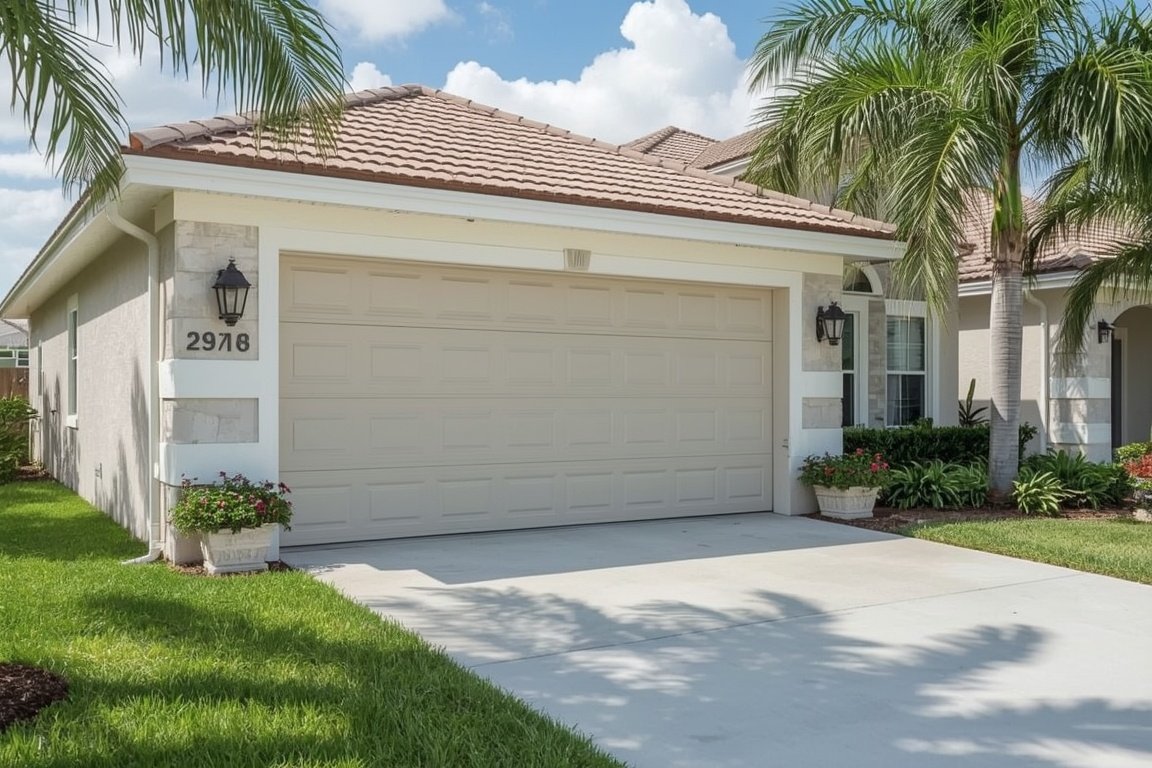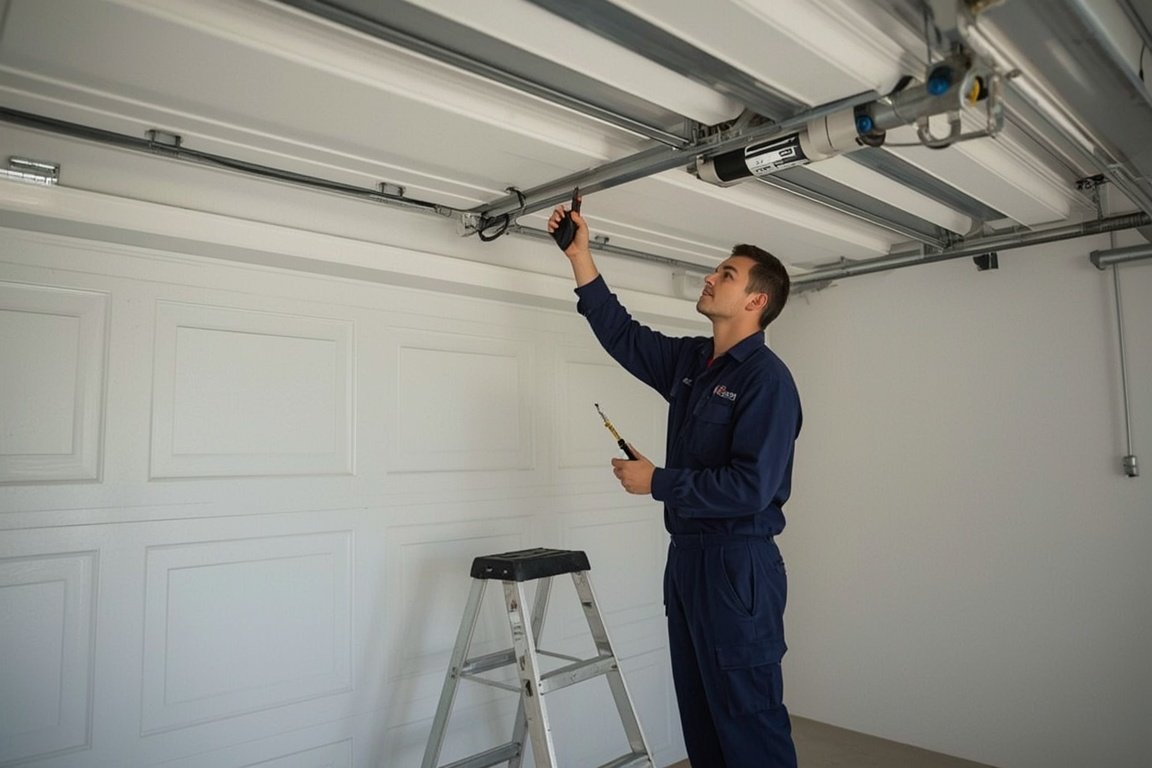
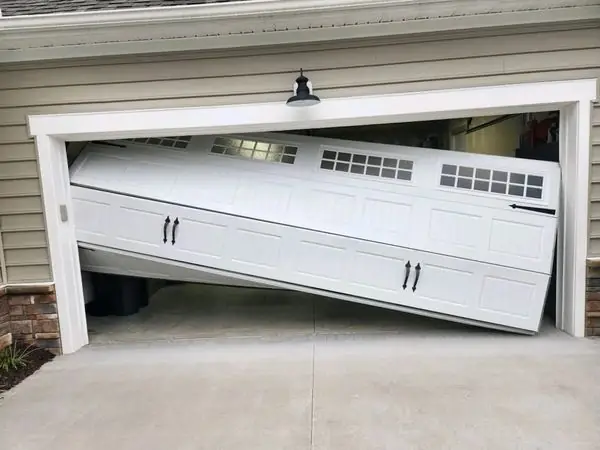
Your garage door may seem simple when it opens and closes, but it is actually made up of several essential parts that work together to ensure smooth operation and safety. Understanding these parts helps you maintain your garage door, identify problems early, and prevent costly repairs. This guide explains the main components of a garage door in easy-to-read language, how they work, and tips for maintenance.
1. Garage Door Panels
The garage door panels make up the main body of the door. They can be made of steel, aluminum, wood, or composite materials. Panels are connected with hinges and rollers, allowing the door to bend and follow the track as it opens and closes. The panels not only provide the door's appearance but also contribute to insulation, strength, and durability.
2. Hinges
Hinges connect the panels together. They allow the panels to bend as the door moves along the track. Hinges are essential for smooth operation and must be strong enough to support the weight of the door. Regularly checking hinges for wear, rust, or loose screws ensures safe and efficient movement.
3. Rollers
Rollers are small wheels that glide along the metal tracks, guiding the garage door up and down. They can be made of steel, nylon, or a combination of both. Nylon rollers are quieter and smoother, while steel rollers are stronger but noisier. Proper lubrication and regular inspection of rollers prevent sticking, squeaking, and uneven movement.
4. Tracks
Garage door tracks are metal rails mounted on the sides and ceiling of the garage. They guide the rollers and panels as the door opens and closes. Tracks must be aligned correctly to prevent binding or jamming. Debris and dents can affect performance, so keep tracks clean and check for damage periodically.
5. Springs
Springs are critical for balancing the door's weight. There are two main types:
- Torsion Springs: Mounted above the door, torsion springs twist to lift the door evenly. They are more durable and precise.
- Extension Springs: Mounted on the sides, these stretch and contract to assist in lifting the door.
Springs are under high tension and can be dangerous to adjust or replace without professional help. Signs of wear include rust, gaps, or difficulty opening the door. Replacing worn springs promptly prevents accidents and ensures smooth operation.
6. Cables
Cables work with the springs to lift the garage door. They attach to the bottom brackets of the door and the spring system. Over time, cables can fray or stretch, which can make the door difficult to lift or lower safely. Inspect cables regularly and replace damaged ones immediately. Never attempt to adjust cables while the door is under tension.
7. Garage Door Opener
The garage door opener is an electric motor that powers the door. It can be chain-driven, belt-driven, or screw-driven:
- Chain-driven: Strong and cost-effective but noisier.
- Belt-driven: Quieter and smoother but slightly more expensive.
- Screw-driven: Uses a threaded rod to move the door, reliable but can be noisy.
Openers often include safety features such as auto-reverse and sensors to prevent accidents. Regular maintenance, including lubrication and testing the auto-reverse feature, ensures reliable operation.
8. Remote Controls and Keypads
Remote controls and keypads allow for convenient access to your garage. Remotes use radio signals to communicate with the opener, while keypads require a code for entry. Batteries must be replaced periodically, and codes should be updated for security. These components are essential for modern convenience and security.
9. Safety Sensors
Safety sensors are infrared devices mounted near the floor on both sides of the garage door. They detect objects or people in the path of the door and automatically stop or reverse the door to prevent injury or damage. Safety sensors are required by law on all modern garage doors. Keep them clean and aligned to ensure proper function.
10. Bottom Brackets and End Caps
Bottom brackets attach the cables to the door, helping the springs lift it evenly. End caps secure rollers in the tracks and add stability. Damaged or loose brackets and caps can cause misalignment and unsafe operation. Inspect these components periodically.
11. Weather Seals and Bottom Gaskets
Weather seals and bottom gaskets prevent drafts, water, and pests from entering the garage. They also help maintain temperature and protect vehicles and stored items. Over time, seals can crack or wear out. Replacing them improves energy efficiency and protects your garage interior.
12. Pulleys and Drums
Pulleys guide the cables as the door opens and closes. Drums are mounted on the spring shaft and wind the cables to lift the door. Proper alignment and maintenance are essential for smooth operation. Worn or damaged pulleys and drums can cause uneven lifting or dangerous cable snapping.
13. Springs Containment Systems
Some modern garage doors include spring containment systems or safety cables to prevent injury if a spring breaks. These systems are critical for safety and reduce the risk of damage or accidents. Never bypass or remove safety cables.
Maintenance Tips for Garage Door Parts
Regular maintenance ensures your garage door operates smoothly and safely. Key tips include:
- Lubricate rollers, hinges, springs, and tracks with garage door lubricant at least twice a year.
- Inspect springs and cables for wear and replace damaged components promptly.
- Keep tracks clean and aligned to prevent sticking or jamming.
- Test the garage door opener's auto-reverse function monthly.
- Check weather seals and bottom gaskets for cracks or wear and replace as needed.
- Tighten loose hardware such as bolts, screws, and brackets.
- Keep remote controls and keypads functional by replacing batteries and updating codes.
Common Problems With Garage Door Parts
Understanding common problems helps prevent bigger issues:
- Door won't open or close: Could be a problem with the opener, springs, cables, or tracks.
- Door is noisy: Often caused by worn rollers, hinges, or lack of lubrication.
- Uneven movement: Usually due to misaligned tracks, broken springs, or frayed cables.
- Safety sensor issues: Dirt, misalignment, or obstruction can prevent the door from closing.
- Remote or keypad failure: Dead batteries, signal interference, or programming issues are common.
When to Call a Professional
Some garage door components, especially springs and cables, are dangerous to handle without proper training. Call a professional if:
- Springs are broken or show signs of wear.
- Cables are frayed or detached.
- The door is misaligned and does not move smoothly.
- Opener repairs require electrical work or motor replacement.
- Safety sensors or auto-reverse mechanisms malfunction.
Summary
A garage door has many essential parts that work together to provide safety, security, and convenience. Panels, hinges, rollers, and tracks allow smooth movement. Springs and cables balance the door and lift it safely. The opener, remote, keypad, and safety sensors provide convenience and protection. Brackets, pulleys, weather seals, and other components ensure durability and efficiency. Regular maintenance, including lubrication, inspection, and timely replacement of worn parts, keeps your garage door operating safely and reliably for years.
Final Thought
Understanding the essential parts of your garage door empowers you to maintain it effectively and address problems before they become serious. While some components like springs and cables should only be handled by professionals, many tasks, such as lubrication, inspection, and replacing seals or batteries, can be done by homeowners. Keeping your garage door in good condition not only ensures safety but also extends its lifespan and maintains the convenience and security of your home.
Skip the YouTube rabbit hole - we'll have a tech at your door same day across Broward, Dade and Palm Beach.