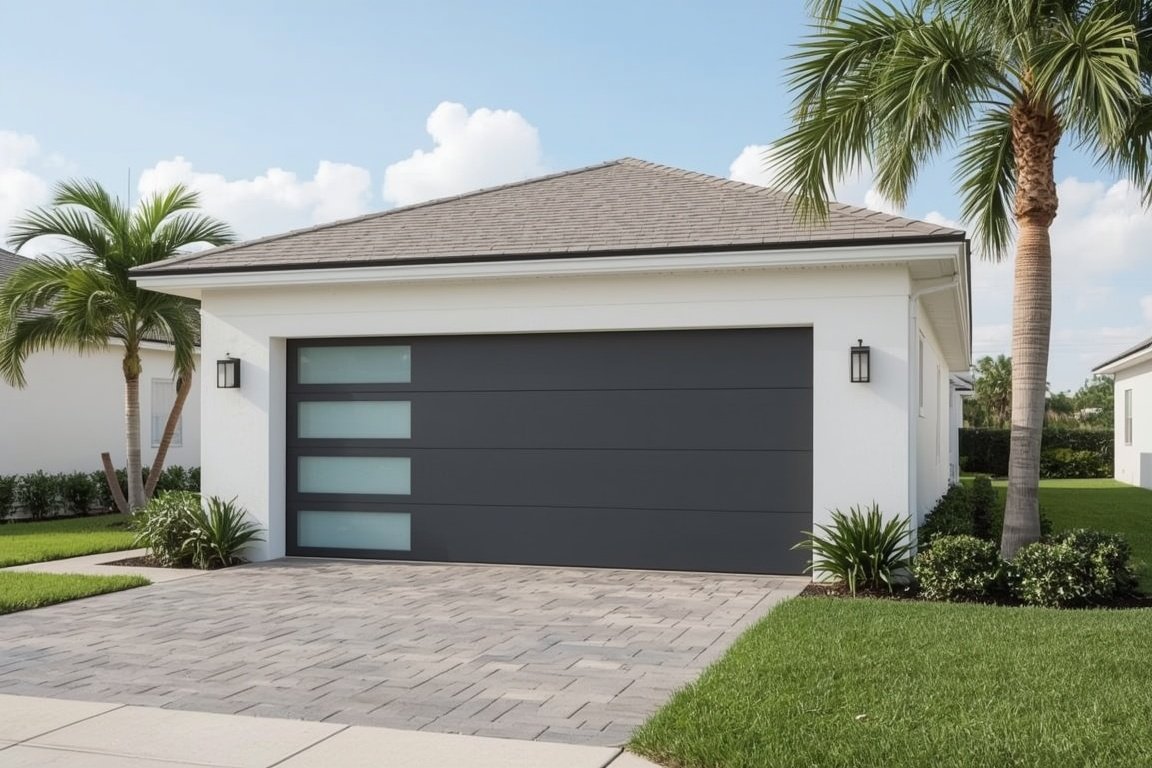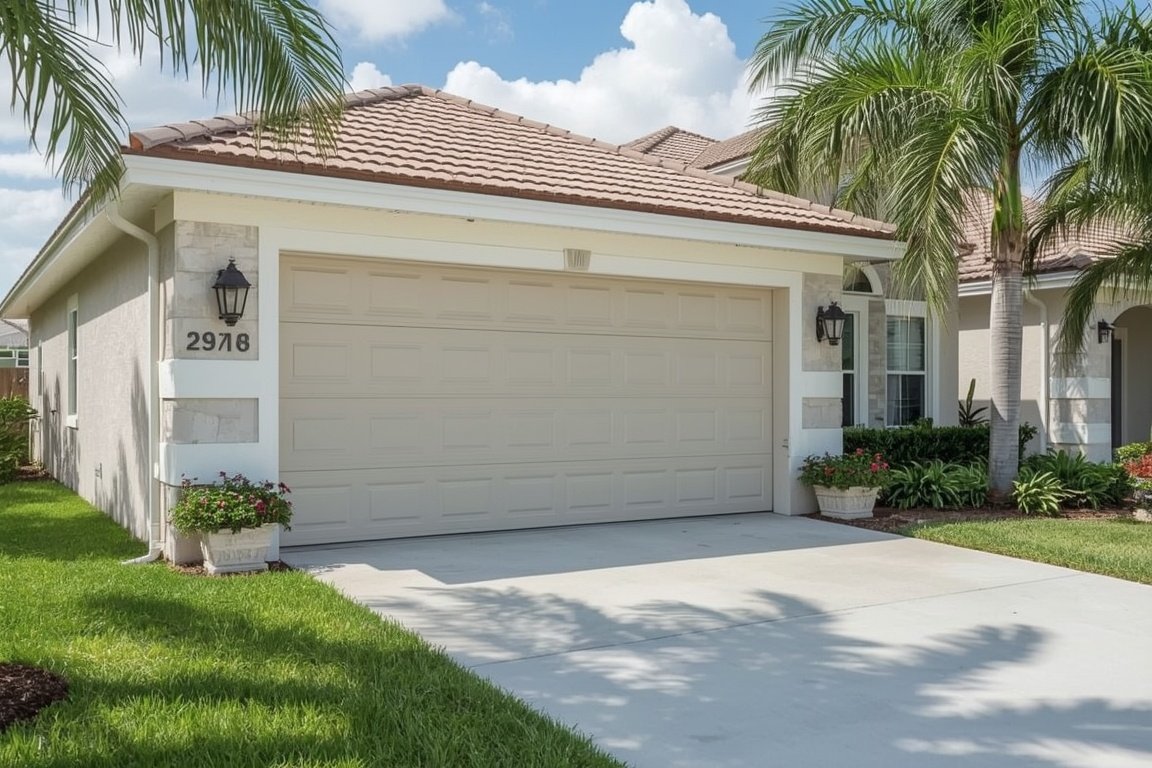
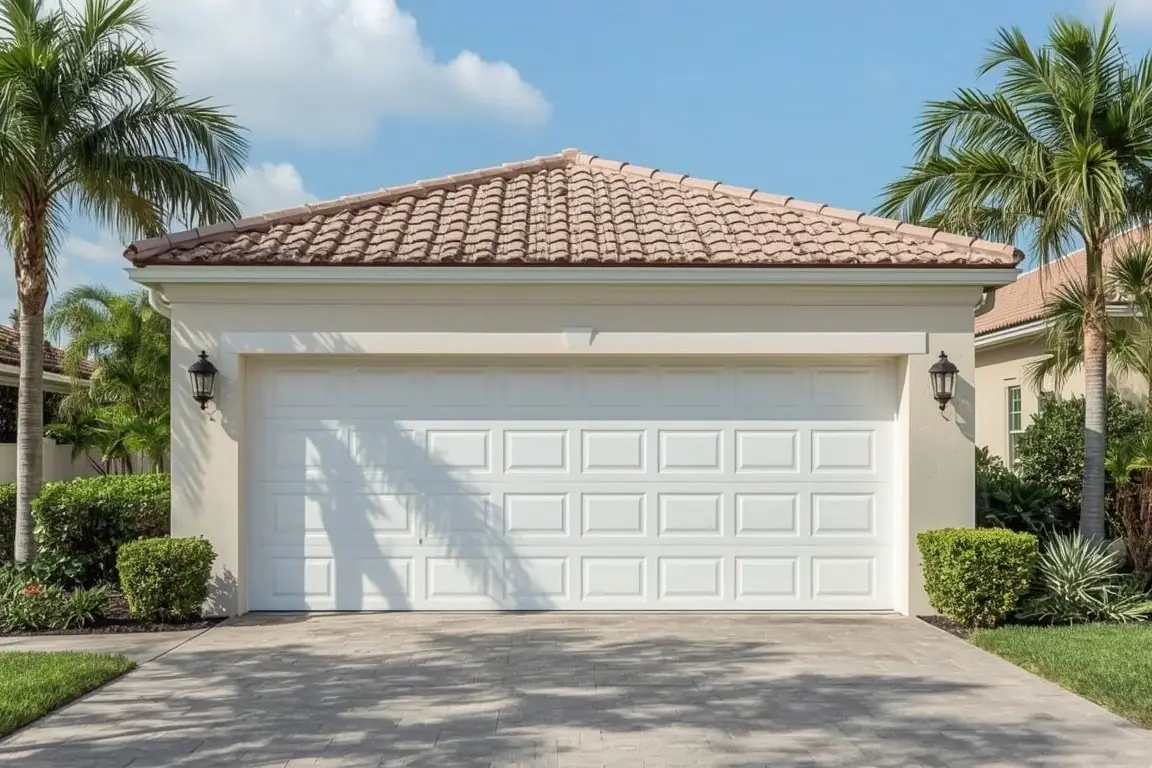
Your garage is more than just a place to park your car. Many homeowners use garages for storage, workshops, or even as part of the home's living space. Because garages are often attached to the house, they can affect your home's heating and cooling costs. One of the most effective ways to improve energy efficiency in your garage is by insulating the garage door. Insulation reduces heat transfer, keeps the garage more comfortable, and can save money on energy bills. This guide explains everything about garage door insulation in simple terms, including types of insulation, benefits, installation tips, and cost savings.
What Is Garage Door Insulation?
Garage door insulation is material added to the panels of your garage door to reduce heat transfer. Uninsulated doors allow heat to escape in winter and let heat in during summer. Insulated doors help maintain a more consistent temperature in the garage. Insulation also reduces noise, strengthens the door, and can even protect your car or stored items from extreme temperatures.
There are several types of insulation commonly used in garage doors:
- Polystyrene (Foam Board): Lightweight panels inserted into the door's cavities. Provides basic insulation and adds a bit of strength.
- Polyurethane: A more effective option. Foam is injected between door panels, offering higher R-values and better energy efficiency.
- Reflective Foil: Installed on the inside surface, reflects heat away during summer and keeps heat in during winter.
- Fiberglass: Less common, used in some custom doors. Offers good insulation but requires careful handling to avoid skin irritation.
Understanding R-Values
R-value measures the material's resistance to heat flow. The higher the R-value, the better the insulation. Typical uninsulated garage doors have an R-value of 0.5 - 1.0. Adding polystyrene panels can increase it to around R-6, while polyurethane can reach R-12 or higher. Higher R-values are especially beneficial if your garage is attached to the house or used as a workspace.
Benefits of Garage Door Insulation
Insulating your garage door provides several advantages:
1. Energy Efficiency
Insulated doors reduce heat transfer between your garage and the outdoors. In winter, less heat escapes, lowering heating costs. In summer, less heat enters, reducing air conditioning use. If your garage is attached to your home, insulation helps stabilize indoor temperatures and reduces energy bills.
2. Comfort
An insulated garage is more comfortable to work or spend time in. Whether you have a workshop, laundry area, or gym in your garage, insulation helps maintain a pleasant temperature year-round.
3. Noise Reduction
Insulation also dampens noise. The motor of the garage door opener, cars, or outdoor sounds become quieter, creating a more peaceful environment inside and outside the garage.
4. Door Strength and Durability
Insulated doors are usually stronger than single-layer doors. The insulation material adds rigidity, making the door more resistant to dents and damage. This extra durability can extend the life of your door.
5. Protection for Vehicles and Items
Extreme heat or cold can damage vehicles, tools, and other items stored in the garage. Insulation helps moderate temperatures and protect your belongings from temperature-related damage.
How to Choose the Right Insulation
When selecting insulation for your garage door, consider the following factors:
- Door Type: Some doors are sectional and hollow, making foam board or polyurethane ideal. Solid doors may benefit from reflective foil or custom insulation.
- Climate: In colder climates, higher R-values provide better heat retention. In hot climates, reflective insulation can reduce solar heat gain.
- Usage: If you use your garage frequently as a workspace, higher insulation levels improve comfort and energy efficiency.
- Budget: Polystyrene is less expensive but offers moderate efficiency. Polyurethane is more costly but provides the best insulation performance.
DIY vs Professional Installation
Garage door insulation can be installed by homeowners or professionals. Here are considerations for each option:
DIY Installation
Many insulation kits are designed for easy installation. Foam panels can be cut to size and inserted into the door's cavities. Reflective foil can be attached with adhesive or tape. DIY installation is usually less expensive and takes a few hours. However, careful measurement and cutting are essential to ensure proper fit and full coverage.
Professional Installation
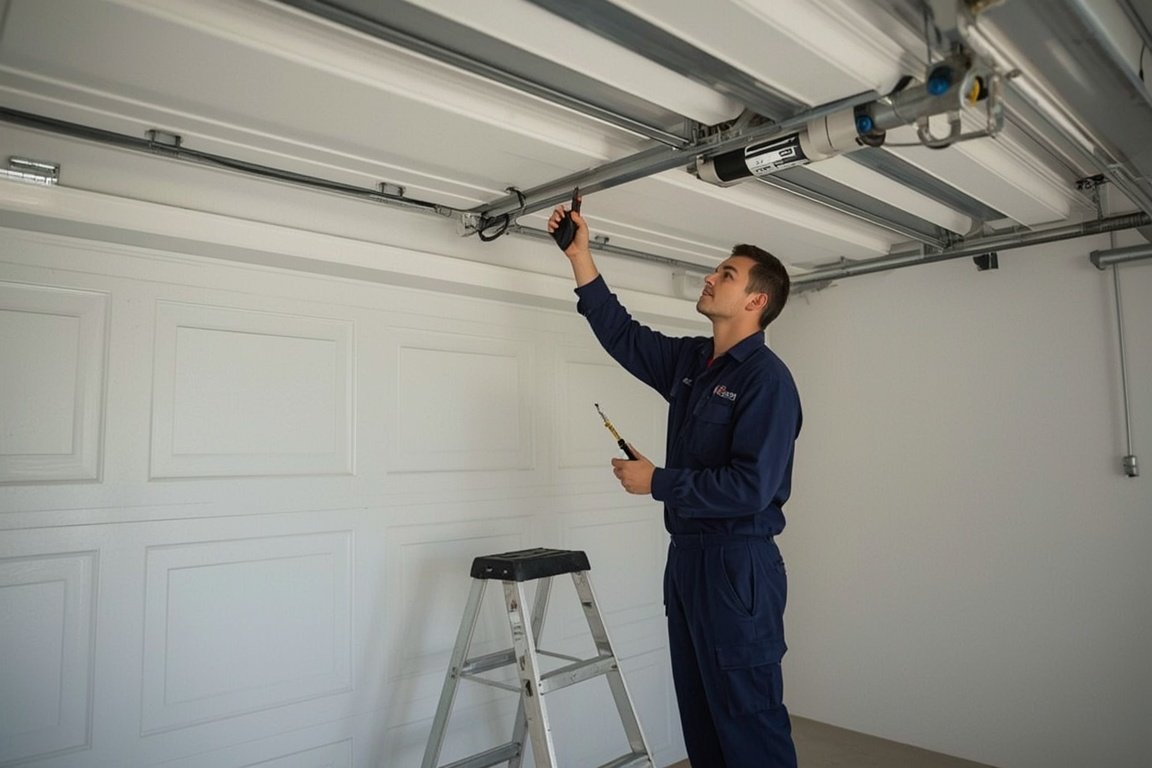
Hiring a professional ensures the insulation is installed correctly, maximizes energy efficiency, and maintains door operation. Professionals can also advise on the best insulation type and R-value for your door and climate. While more expensive, professional installation is often faster and guarantees better results.
Cost of Garage Door Insulation
The cost of insulating a garage door depends on the type of insulation, door size, and whether you install it yourself or hire a professional:
- DIY foam board: based on scope for a single-car garage door.
- DIY reflective foil: based on scope depending on size.
- Professional foam or polyurethane: based on scope depending on door size and R-value.
Although insulation requires an upfront investment, it can save money on energy bills over time. Most homeowners see a return on investment in a few years, especially in extreme climates or if the garage is attached to the home.
Energy Savings
Insulated garage doors reduce energy loss, which translates into savings on heating and cooling:
- Winter: Less heat escapes into the garage, which reduces the load on your home's furnace.
- Summer: Heat gain is minimized, reducing the air conditioning load in attached rooms.
- Workspaces: If the garage is used as a workshop or hobby area, energy costs for heating or cooling the space are reduced.
Even a moderate R-value increase can lower energy bills by 5 - 15% for attached garages, depending on the climate and usage patterns. The savings increase with higher R-values and frequent garage use.
Maintenance of Insulated Garage Doors
Maintaining your insulated garage door ensures it continues to provide energy efficiency and durability:
- Inspect insulation periodically for damage, tears, or gaps.
- Keep the door clean and free from dirt, dust, and moisture.
- Check door seals and weather stripping to ensure a tight fit with the floor and sides.
- Lubricate hinges, rollers, and tracks to maintain smooth operation.
- Replace damaged panels or insulation promptly to prevent energy loss.
Common Questions About Garage Door Insulation
1. Can I insulate any garage door?
Most sectional and hollow-core garage doors can be insulated. Solid metal doors may require different insulation methods. Check with your manufacturer or a professional before starting.
2. How much energy can I save?
Energy savings vary depending on climate, door type, and insulation level. On average, insulated garage doors can reduce heating and cooling costs by 5 - 15% for attached garages.
3. Does insulation affect door operation?
Properly installed insulation should not affect operation. Ensure the door is balanced and that panels fit correctly. If the door is heavy, you may need to adjust the opener's tension.
4. What is the best type of insulation?
Polyurethane foam provides the highest R-values and energy efficiency. Polystyrene is more affordable and still provides moderate insulation. Reflective foil is best for hot climates and reduces heat gain.
Summary
Garage door insulation improves energy efficiency, reduces heating and cooling costs, enhances comfort, and protects your garage and belongings. There are multiple types of insulation, including foam board, polyurethane, reflective foil, and fiberglass. Choosing the right type depends on door type, climate, usage, and budget. Proper installation, whether DIY or professional, ensures maximum efficiency. Regular maintenance keeps the door working smoothly and maintains energy savings. Insulated doors also reduce noise, add strength, and increase overall comfort.
Final Thought
Investing in garage door insulation is a smart choice for homeowners who want to save energy, reduce costs, and maintain comfort in attached garages or workshop spaces. Whether you install it yourself or hire a professional, insulated doors provide long-term benefits in energy efficiency, durability, and protection. By choosing the right insulation and maintaining it properly, you can enjoy a quieter, more comfortable, and energy-efficient garage for years to come.
Skip the YouTube rabbit hole - we'll have a tech at your door same day across Broward, Dade and Palm Beach.