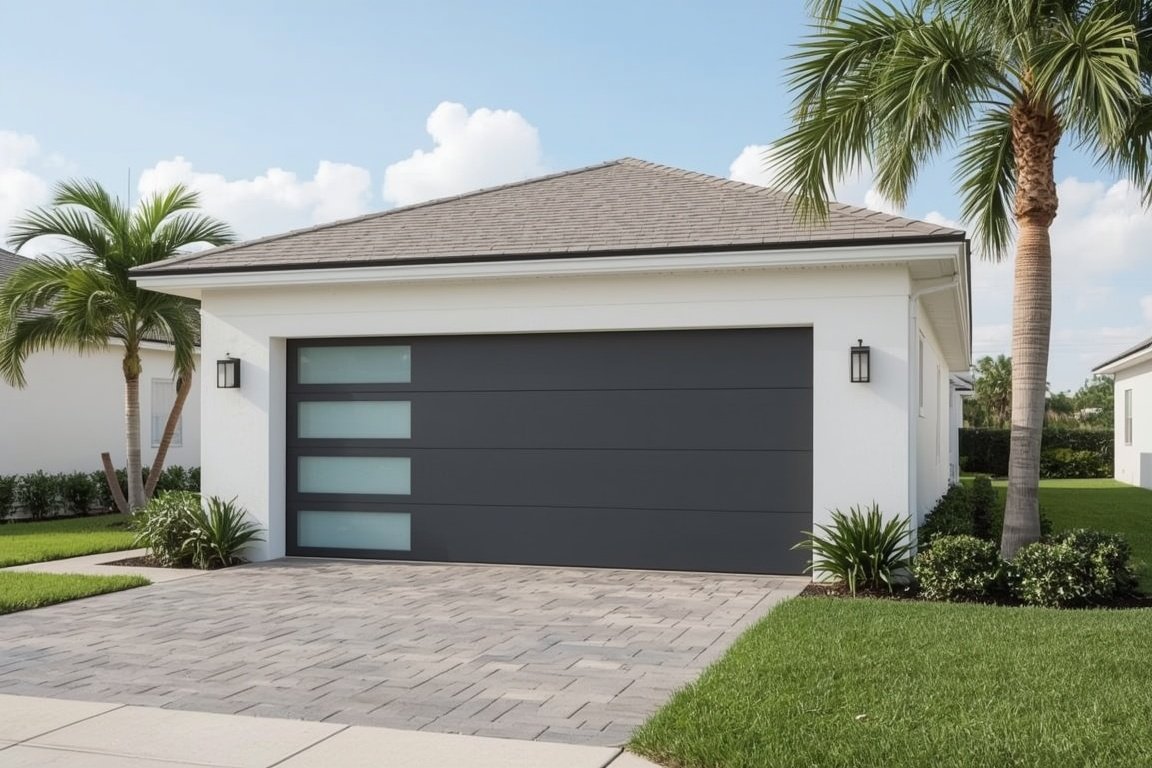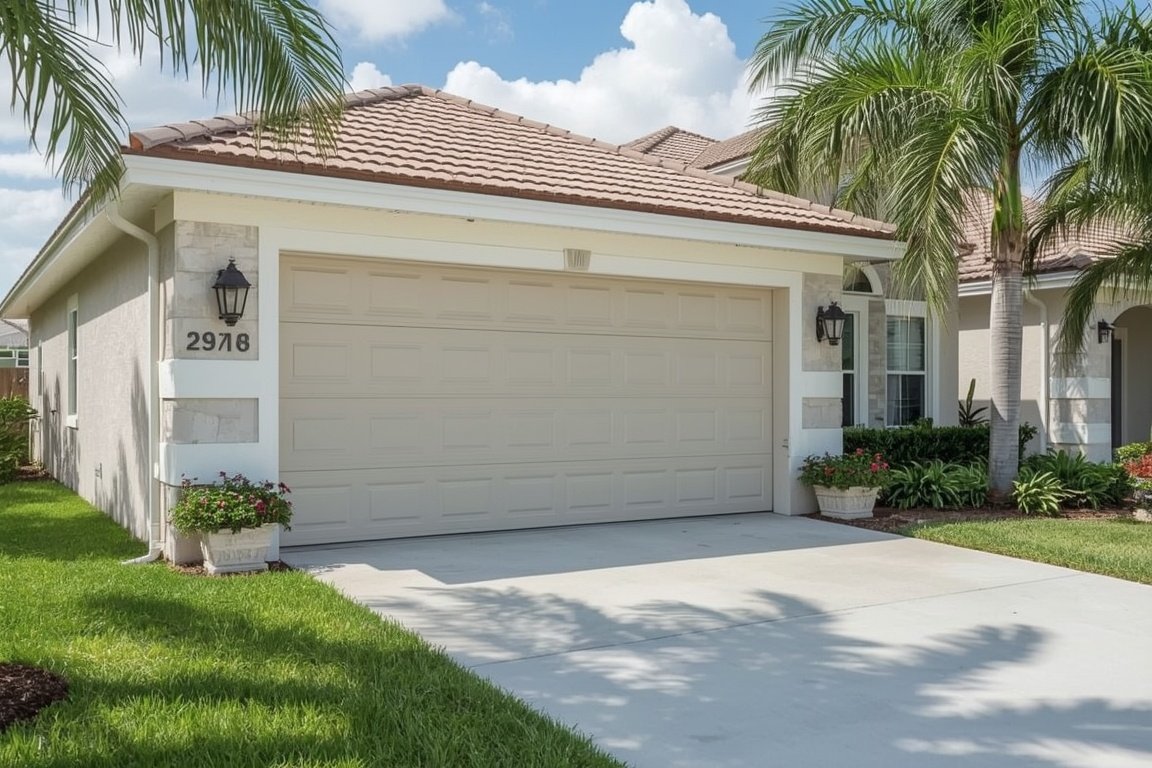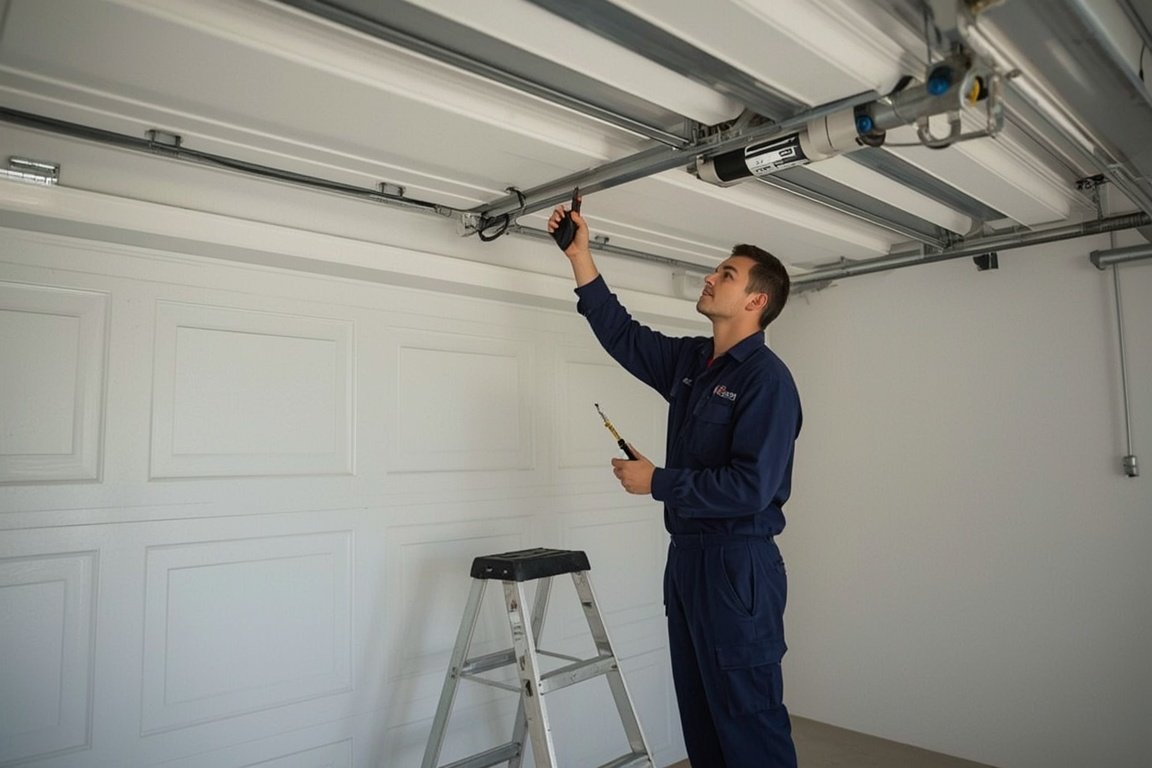
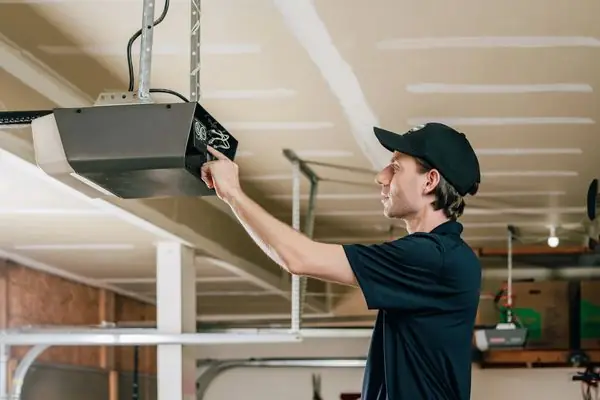
Maintaining your commercial garage door is essential for ensuring the safety, security, and efficiency of your business operations. At Garage Door Pros, we excel in swift, affordable garage door solutions in Pembroke Pines and beyond. Whether you operate a warehouse, auto shop, or storage facility, regular garage door maintenance for commercial units can prevent costly repairs, extend the lifespan of your equipment, and minimize downtime. Our expert team provides reliable garage door installation and repair services across Fort Lauderdale, helping businesses stay secure and operational. From inspecting rollers and tracks to testing safety features, our comprehensive maintenance services are designed to keep your commercial garage doors functioning smoothly year-round. Trust Garage Door Pros for dependable, professional service tailored to your business needs.
Importance of Regular Garage Door Maintenance
Regular garage door maintenance is a crucial aspect of ensuring the safety, efficiency, and longevity of commercial units. In a business setting, where garage doors are often used multiple times a day, wear and tear can accumulate quickly. Without consistent upkeep, this can lead to unexpected breakdowns, costly repairs, and even safety hazards. For commercial properties that rely on garage doors for daily operations - such as warehouses, loading docks, and service centers - routine maintenance is not just a recommendation but a necessity.
One of the most significant reasons to maintain commercial garage doors regularly is to prevent operational downtime. A malfunctioning garage door can halt deliveries, delay shipments, and disrupt workflow, leading to financial losses. According to a report by the U.S. Small Business Administration, even a single hour of downtime can cost small businesses hundreds to thousands of dollars in lost productivity. Regular inspections and tune-ups help identify minor issues before they escalate into major problems, ensuring that the door functions smoothly and reliably.
Safety is another critical factor. Commercial garage doors are typically larger and heavier than residential ones, and a malfunction can pose serious risks to employees and equipment. The U.S. Consumer Product Safety Commission reports that thousands of injuries occur each year due to garage door accidents, many of which are preventable with proper maintenance. Ensuring that safety sensors, springs, cables, and openers are in optimal condition can significantly reduce the risk of accidents.
Energy efficiency also plays a role in the importance of garage door maintenance. Poorly maintained doors may not seal properly, allowing air to escape and increasing heating or cooling costs. This is particularly important for climate-controlled commercial spaces. A well-maintained door helps maintain internal temperatures, reducing the strain on HVAC systems and lowering energy bills.
Moreover, regular maintenance extends the lifespan of the garage door system. Commercial garage doors are a significant investment, and replacing them prematurely due to neglect can be costly. Routine servicing, including lubrication of moving parts, tightening of hardware, and inspection of components, helps preserve the door's functionality and appearance. This proactive approach can add years to the life of the door and its components.
Another often overlooked benefit is compliance with warranty requirements. Many manufacturers require proof of regular maintenance to honor warranty claims. Skipping scheduled maintenance could void the warranty, leaving the business responsible for the full cost of repairs or replacements. Keeping a documented maintenance schedule ensures that the business remains compliant with warranty terms.
Additionally, regular maintenance supports security. Commercial garage doors often serve as primary access points to valuable inventory and equipment. A door that doesn't close properly or has a faulty locking mechanism can be an easy target for theft or vandalism. Routine checks ensure that all security features are functioning correctly, providing peace of mind for business owners.
Here are some examples of how regular garage door maintenance can make a difference:
- A logistics company in Weston experienced frequent delays due to a malfunctioning garage door. After implementing a monthly maintenance schedule, they reported a 90 percent reduction in downtime. Learn more about our Weston garage door services.
- A retail warehouse in Davie avoided a costly spring replacement by identifying early signs of wear during a routine inspection. For more on this, visit our Davie spring repair service.
- A service center in Pembroke Pines improved energy efficiency by sealing gaps in their garage door, reducing HVAC costs by 15 percent. Check out our Pembroke Pines repair experts.
"Preventive maintenance is the key to avoiding costly repairs and ensuring the safety and efficiency of your commercial garage doors," says the International Door Association (IDA).
The frequency of maintenance depends on the usage and environment. High-traffic commercial doors may require monthly inspections, while others might be fine with quarterly check-ups. Regardless of the schedule, it's essential to work with experienced professionals who understand the unique needs of commercial garage systems. These experts can provide comprehensive services, from checking torsion springs and rollers to testing automatic openers and safety features.
For businesses looking to implement a maintenance plan, it's advisable to start with a professional assessment. This initial inspection will identify any immediate concerns and help establish a tailored maintenance schedule. From there, regular visits can be scheduled to perform necessary adjustments, cleanings, and part replacements.
If you're unsure about what type of garage door your commercial unit has or what maintenance it requires, our guide on types of garage doors can help you understand the differences and specific needs of each model. Additionally, our FAQ section answers common questions about garage door care, repair timelines, and service costs.
For those who suspect their garage door springs may be wearing out, it's important to act quickly. Broken springs are one of the most common causes of garage door failure and can be dangerous if not addressed promptly. Learn more about the signs and costs associated with this issue in our detailed article on garage door spring repair costs.
In conclusion, regular garage door maintenance is not just a matter of convenience but a strategic decision that impacts safety, efficiency, cost savings, and operational continuity. For commercial units, where garage doors are integral to daily operations, neglecting maintenance can lead to significant disruptions and expenses. By investing in routine care, businesses can ensure that their garage doors remain reliable, secure, and energy-efficient for years to come.
To schedule a professional inspection or learn more about our comprehensive maintenance services, visit our contact page or explore our full range of garage door services.
Common Issues in Commercial Garage Doors
Commercial garage doors are essential components of business operations, providing security, accessibility, and efficiency. However, due to their frequent use and exposure to various environmental conditions, they are prone to a range of issues that can disrupt daily activities and compromise safety. One of the most common problems is wear and tear on moving parts such as rollers, hinges, and tracks. Over time, these components can become misaligned or worn out, leading to noisy operation or even complete failure of the door mechanism. Regular lubrication and inspection are crucial to prevent such issues from escalating. Another frequent concern is malfunctioning garage door openers. In commercial settings, openers are often subjected to heavy usage, which can cause motor burnout, sensor misalignment, or remote control failures. Ensuring that the opener system is compatible with the door's weight and usage frequency is vital for long-term reliability.
Broken or worn-out springs are also a prevalent issue in commercial garage doors. Torsion and extension springs bear the weight of the door and facilitate smooth opening and closing. When these springs break, the door may become inoperable or dangerously unbalanced. This not only halts business operations but also poses a serious safety risk to employees and customers. For businesses in Florida, timely intervention through professional garage door spring repair services is essential to restore functionality and safety. Additionally, commercial garage doors often face problems related to their tracks. Tracks can become bent, obstructed, or misaligned due to impacts or lack of maintenance. This can cause the door to go off-track, making it difficult or impossible to operate. Addressing such issues promptly with expert off-track garage door repair services can prevent further damage and costly downtime.
Weather-related damage is another significant concern, especially in regions prone to storms or high humidity. Moisture can lead to rust and corrosion of metal components, while extreme temperatures can affect the performance of electronic parts. Seals and insulation may also degrade over time, reducing energy efficiency and allowing dust or pests to enter the premises. Regular inspections and weatherproofing measures can help mitigate these risks. Electrical issues, such as faulty wiring or power surges, can also disrupt the operation of automated garage doors. These problems may not always be immediately visible but can lead to intermittent failures or complete system shutdowns if not addressed.
In addition to mechanical and electrical problems, commercial garage doors can suffer from structural damage. Dents, cracks, or warping in the door panels can compromise security and aesthetics. Such damage often results from accidental impacts with vehicles or equipment. Depending on the severity, repairs or full panel replacements may be necessary to maintain the door's integrity and appearance. Furthermore, outdated or incompatible components can lead to operational inefficiencies. As technology evolves, older systems may struggle to meet modern safety standards or integrate with newer automation features. Upgrading to more advanced systems can enhance performance, security, and user convenience.
Another often-overlooked issue is the lack of proper maintenance schedules. Many businesses delay servicing until a problem arises, which can lead to more extensive and expensive repairs. Implementing a proactive maintenance plan that includes regular inspections, part replacements, and system testing can significantly extend the lifespan of commercial garage doors. For businesses looking to understand more about the importance of maintenance and available services, visiting the about page can provide valuable insights into professional expertise and service offerings.
Lastly, user error and lack of training can also contribute to garage door issues. Employees unfamiliar with proper operation protocols may inadvertently cause damage or fail to recognize early warning signs of malfunction. Providing adequate training and clear operational guidelines can reduce the likelihood of such problems. In summary, commercial garage doors are complex systems that require consistent attention and care. From mechanical failures and electrical malfunctions to environmental damage and human error, a wide range of issues can affect their performance. By staying informed and engaging with reliable service providers, businesses can ensure their garage doors remain functional, safe, and efficient. For more information or to schedule a service, businesses can easily reach out through the contact us page.
Signs Your Commercial Garage Door Needs Attention
Commercial garage doors are essential components of many businesses, providing security, accessibility, and operational efficiency. However, like any mechanical system, they are subject to wear and tear over time. Recognizing the early warning signs that your commercial garage door needs maintenance or repair can prevent costly downtime, enhance safety, and extend the lifespan of the door system. One of the most common indicators that your garage door requires attention is unusual noise during operation. If you hear grinding, squeaking, or banging sounds when the door opens or closes, it could signal issues with the rollers, tracks, or opener mechanism. These noises often point to a lack of lubrication, misalignment, or worn-out components that need immediate servicing.
Another red flag is inconsistent or jerky movement. A commercial garage door should open and close smoothly. If the door hesitates, shakes, or moves unevenly, it may be due to problems with the tracks, springs, or cables. In some cases, the door might even get stuck halfway, which not only disrupts business operations but also poses a safety hazard. This could be a sign that the door is off-track or that the springs are failing. For businesses in areas like Davie or Pembroke Pines, specialized services such as garage door spring repair in Davie or spring repair in Pembroke Pines can help resolve these issues promptly.
Visible wear and tear on the door or its components is another clear indication that maintenance is needed. Look for frayed cables, rusted hardware, or bent tracks. These physical signs often precede more serious mechanical failures. Additionally, if the door appears misaligned or hangs unevenly, it could be due to a broken spring or a problem with the door's balance. A misaligned door not only affects functionality but also increases the risk of further damage to the system.
Slow response time is another symptom that should not be ignored. When you activate the door opener, the door should respond within a second or two. If there is a delay, or if the door does not respond at all, the issue could lie with the opener, the remote control, or the electrical system. In such cases, professional assessment is necessary to diagnose and fix the problem efficiently. For businesses relying on electric systems, services like electric garage door repairs can ensure that your automated systems are functioning correctly.
Increased energy bills can also be a subtle sign that your commercial garage door is not performing optimally. Poor insulation or damaged weather stripping can allow air to escape, forcing your HVAC system to work harder to maintain indoor temperatures. This is particularly important for businesses that store temperature-sensitive goods. Ensuring that your garage door is properly sealed and insulated can significantly improve energy efficiency and reduce operational costs.
Another important indicator is the frequency of repairs. If you find yourself calling for repairs more often than usual, it may be time for a comprehensive inspection or even a replacement. Frequent breakdowns not only disrupt daily operations but also indicate that the door system is nearing the end of its useful life. In such cases, exploring options for new installations or upgrades through services like garage door service can be a cost-effective long-term solution.
Lastly, if your commercial garage door lacks modern safety features or does not comply with current safety standards, it's crucial to consider an upgrade. Safety sensors, auto-reverse mechanisms, and manual release functions are essential for protecting employees and assets. Older systems may not have these features, putting your business at risk. Staying informed about the latest technologies and safety requirements can help you make better decisions regarding maintenance and upgrades. For more information about our team and how we can assist with your specific needs, visit our about page.
By paying attention to these signs and acting promptly, you can ensure that your commercial garage door remains reliable, safe, and efficient. Regular maintenance and timely repairs not only extend the life of your door system but also contribute to the smooth operation of your business.
Recommended Maintenance Schedule
Establishing a consistent maintenance schedule is essential for ensuring the long-term performance, safety, and reliability of garage doors in commercial units. Unlike residential garage doors, commercial systems are often subjected to more frequent use and heavier loads, which can accelerate wear and tear. Therefore, a proactive approach to maintenance not only prevents unexpected breakdowns but also extends the lifespan of the door and its components. Ideally, commercial garage doors should be inspected and serviced at least once every three to six months, depending on the frequency of use and the specific operational demands of the facility. High-traffic environments, such as warehouses, distribution centers, and automotive service stations, may require more frequent checks to ensure optimal functionality.
The first step in a recommended maintenance routine involves a thorough visual inspection. This includes checking for signs of rust, corrosion, or damage on the door panels, tracks, rollers, and hinges. Any visible wear or misalignment should be addressed immediately to prevent further complications. Lubrication is another critical aspect of maintenance. All moving parts, including rollers, hinges, springs, and tracks, should be lubricated with a high-quality, non-silicone-based lubricant to reduce friction and ensure smooth operation. This should be done at least quarterly, or more often in dusty or humid environments where buildup can occur quickly.
Tension and balance testing of the garage door springs is also a vital part of routine maintenance. Springs are under high tension and play a crucial role in the door's operation. If the door is difficult to open or close, or if it appears unbalanced, it may indicate a problem with the springs. In such cases, it is advisable to seek professional assistance, as improper handling can lead to serious injury. For businesses located in specific areas, services like garage door spring repair in Weston or spring repair in Davie offer specialized support tailored to local needs.
Another key component of the maintenance schedule is the inspection and testing of safety features. Commercial garage doors are typically equipped with safety sensors and auto-reverse mechanisms to prevent accidents. These features should be tested monthly to ensure they are functioning correctly. Any malfunction in these systems can pose serious safety risks to employees and equipment. Additionally, the opener system should be checked for responsiveness and any unusual noises that may indicate internal issues.
Weatherstripping and seals should also be inspected regularly. These components help maintain energy efficiency and protect the interior of the facility from external elements such as dust, moisture, and pests. Damaged or worn-out seals should be replaced promptly to maintain the integrity of the door system. For facilities located in areas with extreme weather conditions, more frequent inspections may be necessary to ensure the seals remain effective.
Documentation is another important aspect of a successful maintenance schedule. Keeping a detailed log of all inspections, repairs, and maintenance activities helps track the condition of the garage door over time and ensures compliance with safety regulations. This record can also be useful when scheduling future maintenance or when consulting with professionals for more complex repairs.
For businesses that prefer a hands-off approach, many service providers offer scheduled maintenance plans. These plans typically include periodic inspections, lubrication, adjustments, and minor repairs, all performed by trained technicians. Opting for a professional maintenance plan can save time and reduce the risk of unexpected downtime. Companies interested in learning more about available services can visit the service page for detailed information on maintenance packages and repair options.
In addition to routine maintenance, it is also important to educate staff on basic operational checks and safety protocols. Employees who regularly use the garage door should be trained to recognize early warning signs of malfunction, such as unusual noises, slow response times, or visible damage. Prompt reporting of these issues can lead to quicker resolutions and prevent more serious problems from developing.
Finally, it is beneficial to stay informed about the latest trends and best practices in commercial garage door maintenance. Resources such as the company's blog offer valuable insights, tips, and updates on new technologies and maintenance strategies. Staying proactive and informed ensures that your commercial garage door system remains efficient, safe, and reliable for years to come.
Inspecting Rollers, Hinges, and Tracks
One of the most critical aspects of maintaining a commercial garage door is the regular inspection of its moving components, particularly the rollers, hinges, and tracks. These parts play a vital role in the smooth and safe operation of the door, and their condition directly impacts the overall functionality and longevity of the system. In high-traffic commercial environments, where garage doors are opened and closed multiple times a day, wear and tear on these components can occur more rapidly than in residential settings. Therefore, consistent and thorough inspections are essential to prevent unexpected breakdowns and costly repairs.
Rollers are responsible for guiding the garage door along its tracks during operation. Over time, they can become worn, cracked, or misaligned, especially if they are made of plastic or low-grade materials. Metal rollers with ball bearings tend to last longer but still require regular lubrication and inspection. When rollers begin to deteriorate, they can cause the door to operate noisily or jerk during movement, which may lead to further damage to the tracks or opener system. Replacing worn rollers promptly helps maintain smooth door operation and reduces strain on other components.
Hinges connect the various sections of a sectional garage door and allow it to bend and flex as it opens and closes. These hinges are under constant stress, particularly in commercial units where doors are larger and heavier. Over time, hinges can become loose, rusted, or even break, compromising the structural integrity of the door. During maintenance checks, it is important to ensure that all hinges are securely fastened and free from corrosion. Any damaged or missing screws should be replaced immediately, and the hinges should be lubricated to reduce friction and wear.
The tracks guide the rollers and ensure that the garage door moves in a straight and controlled manner. Tracks that are bent, misaligned, or obstructed can cause the door to go off-track, leading to operational issues and potential safety hazards. Dirt, debris, or even small objects can accumulate in the tracks, impeding the movement of the rollers. Regular cleaning and visual inspection of the tracks are necessary to identify any signs of damage or misalignment. If the tracks are not properly aligned, the door may not close completely or may become stuck, which can disrupt business operations and pose a security risk.
In addition to visual inspections, it is beneficial to listen to the door during operation. Unusual noises such as grinding, squeaking, or rattling can indicate issues with the rollers, hinges, or tracks. These sounds often serve as early warning signs that maintenance is required. Addressing these issues early can prevent more serious problems and extend the life of the garage door system.
For commercial property owners and facility managers, scheduling routine maintenance with a professional garage door service provider is a wise investment. Experienced technicians can identify and address issues that may not be immediately visible to the untrained eye. They can also provide guidance on whether components need to be repaired or replaced, ensuring that the door remains in optimal working condition. For more information on professional maintenance services, visit our service page to learn how we can help keep your commercial garage doors operating smoothly.
Understanding the importance of each component in the garage door system also helps in making informed decisions about upgrades or replacements. For instance, upgrading to heavy-duty rollers or corrosion-resistant hinges can enhance the durability of the door, especially in environments exposed to moisture or extreme temperatures. Similarly, ensuring that the tracks are made of high-quality materials and properly installed can prevent frequent alignment issues.
If you are unsure about the condition of your garage door components or need expert advice, our team is here to assist you. Learn more about our company and our commitment to quality service by visiting our about page. Regular inspections and timely maintenance of rollers, hinges, and tracks are not just about prolonging the life of your garage door; they are also about ensuring the safety, security, and efficiency of your commercial operations.
Lubrication Tips for Smooth Operation
Proper lubrication is one of the most critical aspects of garage door maintenance for commercial units. A well-lubricated garage door system ensures smooth, quiet, and efficient operation, reducing wear and tear on moving parts and extending the lifespan of the entire mechanism. Commercial garage doors often undergo heavy daily use, making consistent lubrication even more essential to prevent unexpected breakdowns and costly repairs. Understanding which components require lubrication, the type of lubricant to use, and how often to apply it can significantly improve the performance and reliability of your garage door system.
Start by identifying the key components that need regular lubrication. These include the rollers, hinges, tracks, springs, and the opener chain or screw. Each of these parts plays a vital role in the door's movement and functionality. For instance, the rollers allow the door to glide smoothly along the tracks, while the hinges enable the door panels to bend and fold as the door opens and closes. If these components are not properly lubricated, they can become stiff, noisy, or even seize up, leading to operational issues and potential safety hazards.
When selecting a lubricant, avoid using heavy grease or WD-40, as these can attract dust and debris, causing buildup that hampers performance. Instead, opt for a high-quality silicone-based or lithium-based spray lubricant specifically designed for garage doors. These types of lubricants provide long-lasting protection without creating a sticky residue. Apply the lubricant sparingly but thoroughly to each moving part. For rollers, spray the bearings inside the wheels. For hinges, focus on the pivot points. For springs, apply a light coating along the coils to reduce friction and prevent rust. If your commercial garage door uses a chain or screw drive opener, lubricate the chain or screw to ensure smooth operation and reduce noise.
It's important to establish a regular lubrication schedule. For most commercial garage doors, lubricating every three to six months is sufficient. However, if your facility experiences high traffic or operates in a dusty or humid environment, more frequent lubrication may be necessary. Regular inspections should accompany your lubrication routine to identify any signs of wear, rust, or damage. If you notice any unusual noises, jerky movements, or resistance during operation, these could be signs that lubrication is overdue or that a component needs repair or replacement.
In addition to applying lubricant, it's essential to clean the components before each application. Dirt and debris can accumulate on the tracks, rollers, and hinges, reducing the effectiveness of the lubricant and causing premature wear. Use a clean cloth to wipe down each part, and consider using a mild degreaser if there is significant buildup. Once the components are clean and dry, apply the lubricant as needed.
Proper lubrication not only enhances the performance of your garage door but also contributes to workplace safety. A well-maintained door is less likely to malfunction, reducing the risk of accidents or injuries. This is particularly important in commercial settings where garage doors are often large, heavy, and operated frequently throughout the day. Ensuring that all moving parts are adequately lubricated helps maintain consistent operation and prevents sudden failures that could disrupt business operations.
For business owners and facility managers who may not have the time or expertise to perform regular maintenance, professional services are available. Hiring experienced technicians ensures that your garage door system receives comprehensive care, including lubrication, inspection, and necessary repairs. You can learn more about available services by visiting our service page, where we detail our maintenance offerings tailored to commercial units.
Understanding the importance of lubrication also involves recognizing when professional intervention is needed. If lubrication does not resolve operational issues, such as persistent noise or uneven movement, it may indicate a deeper mechanical problem. In such cases, it's advisable to consult with experts who can diagnose and address the issue promptly. Our team is always ready to assist, and you can reach out through our contact page for personalized support and scheduling.
In summary, regular and proper lubrication is a foundational element of garage door maintenance for commercial units. It ensures smooth operation, reduces wear, prevents rust, and enhances safety. By using the right products, applying them correctly, and maintaining a consistent schedule, you can significantly extend the life of your garage door system and avoid costly downtime. Whether you choose to handle maintenance in-house or rely on professional services, prioritizing lubrication will keep your commercial garage doors functioning efficiently and reliably for years to come.
Testing and Replacing Garage Door Springs
One of the most critical components in the functionality and safety of commercial garage doors is the spring system. These springs bear the heavy lifting load of the door, allowing it to open and close smoothly. Over time, due to frequent usage and exposure to environmental elements, garage door springs can wear out or break, leading to operational issues and potential safety hazards. Regular testing and timely replacement of these springs are essential aspects of garage door maintenance for commercial units.
Testing garage door springs involves a careful inspection of their tension, alignment, and physical condition. Commercial garage doors typically use either torsion springs or extension springs. Torsion springs are mounted above the door and use torque to lift the door, while extension springs are located on either side and stretch to provide lifting force. To test the springs, a technician will usually disconnect the automatic opener and manually lift the door. If the door is difficult to lift, does not stay open, or slams shut, it is a clear indication that the springs are either worn out or improperly balanced.
Another method of testing involves checking for visible signs of wear such as rust, gaps in the coils, or deformation. Springs that appear stretched out or have visible cracks are likely at the end of their service life. It is important to note that testing garage door springs should only be performed by trained professionals. These components are under high tension and can cause serious injury if handled improperly. For commercial units, where the doors are larger and heavier, the risks are even greater, making professional inspection and maintenance a necessity.
When it comes to replacing garage door springs, timing is crucial. Delaying replacement can lead to further damage to the door system, including the opener, cables, and tracks. In some cases, a broken spring can cause the door to become stuck in an open or closed position, disrupting business operations. Commercial properties often rely on timely deliveries and secure access, so a malfunctioning garage door can have a significant impact on productivity and security.
The replacement process begins with identifying the correct type and size of spring needed. This is determined by the weight and dimensions of the garage door, as well as the number of cycles the spring is rated for. Commercial garage doors typically require high-cycle springs that can withstand frequent use. Once the appropriate spring is selected, the technician will safely remove the old spring and install the new one, ensuring proper tension and alignment. After installation, the door is tested multiple times to confirm smooth operation and balance.
It is also advisable to replace both springs at the same time, even if only one is broken. This is because springs are usually installed in pairs and have similar wear patterns. Replacing both ensures uniform performance and prevents the other spring from failing shortly after. Additionally, during the replacement process, technicians often inspect other components such as cables, rollers, and bearings to ensure the entire system is in good working order.
For businesses located in areas like Weston, Davie, or Pembroke Pines, it's beneficial to work with local experts who understand the specific needs of commercial garage doors. Services such as garage door spring repair in Weston or garage door spring replacement in Davie offer specialized solutions tailored to commercial units. These professionals are equipped with the tools and expertise to handle large-scale doors and ensure minimal downtime during repairs.
Preventive maintenance is another key aspect of managing garage door springs. Scheduling regular inspections can help identify potential issues before they become major problems. Lubricating the springs, checking for rust, and ensuring proper tension can extend their lifespan and improve overall door performance. Many commercial property managers opt for annual maintenance contracts to keep their garage doors in optimal condition year-round.
In addition to physical maintenance, understanding the cost implications of spring replacement is important for budgeting and planning. The cost can vary depending on the type of spring, the size of the door, and the complexity of the installation. For a detailed breakdown, businesses can refer to resources like the cost to repair garage door springs page, which provides insights into pricing and service options.
Ultimately, maintaining the spring system of a commercial garage door is not just about functionality - it's about safety, efficiency, and protecting your investment. A well-maintained door ensures smooth operations, reduces the risk of accidents, and enhances the security of the premises. By partnering with experienced professionals and staying proactive with maintenance, commercial property owners can ensure their garage doors remain reliable and safe for years to come.
Checking and Adjusting Door Balance
Ensuring that a commercial garage door is properly balanced is a critical aspect of routine maintenance that directly impacts the safety, efficiency, and longevity of the door system. A well-balanced garage door operates smoothly, reduces strain on the opener, and minimizes wear on mechanical components. Conversely, an unbalanced door can lead to premature failure of springs, cables, and openers, increasing the risk of accidents and costly repairs. For commercial units, where garage doors are often used multiple times a day, maintaining proper balance is not just a recommendation but a necessity.
To determine whether a garage door is balanced, a simple manual test can be performed. First, disconnect the automatic opener by pulling the emergency release cord, usually located near the opener motor. Then, carefully lift the door halfway and release it. A balanced door should remain in place or move slightly. If the door slams shut or shoots upward, it indicates an imbalance, typically caused by worn or improperly adjusted springs. This issue should be addressed immediately to prevent further damage or safety hazards. In commercial settings, where doors are larger and heavier, these imbalances can be even more dangerous and should only be corrected by trained professionals.
Adjusting the balance of a garage door usually involves calibrating the tension in the torsion or extension springs. These springs are under high tension and can be extremely dangerous to handle without the proper tools and expertise. Therefore, it is strongly advised to consult a professional technician for any adjustments. Regular inspections by a qualified service provider can help detect early signs of imbalance, such as uneven movement, unusual noises, or visible gaps in the springs. These inspections are especially important in commercial environments where operational downtime can disrupt business activities.
In addition to spring tension, other components like cables, rollers, and tracks should be examined during balance checks. Misaligned tracks or worn-out rollers can contribute to uneven movement and further exacerbate balance issues. Ensuring that all components are in good working condition helps maintain the overall stability of the door. Lubricating moving parts and tightening loose hardware are simple yet effective steps that can be included in routine maintenance to support proper balance.
For business owners seeking reliable maintenance solutions, professional services are available to handle all aspects of garage door care. Whether you need a one-time inspection or a comprehensive maintenance plan, working with experienced technicians ensures that your commercial garage doors remain safe and functional. Learn more about available service options tailored to commercial needs. Additionally, understanding the background and expertise of your service provider can offer peace of mind. Visit the about page to learn more about the team and their commitment to quality.
In conclusion, regularly checking and adjusting the balance of your commercial garage door is a vital maintenance task that should not be overlooked. It enhances safety, extends the lifespan of the door system, and ensures smooth daily operations. By incorporating balance checks into your maintenance routine and partnering with trusted professionals, you can protect your investment and maintain a secure and efficient commercial facility.
Maintaining Garage Door Openers and Sensors
One of the most critical aspects of garage door maintenance for commercial units is ensuring that the openers and sensors are functioning correctly. These components are essential for the smooth and safe operation of any commercial garage door system. Garage door openers serve as the motorized mechanism that opens and closes the door, while sensors are responsible for detecting obstacles and preventing accidents. Regular maintenance of these parts not only enhances operational efficiency but also extends the lifespan of the entire garage door system, reducing the likelihood of unexpected breakdowns that can disrupt business operations.
Commercial garage doors are often used more frequently than residential ones, which means their openers and sensors are subjected to more wear and tear. Over time, this can lead to issues such as delayed response times, erratic movement, or complete failure of the door to open or close. To prevent such problems, it is essential to conduct routine inspections and servicing. This includes checking the alignment of the sensors, ensuring that the opener's motor is running smoothly, and verifying that all electrical connections are secure and free from corrosion. Dust and debris can accumulate on sensor lenses, causing them to malfunction. Cleaning these lenses with a soft cloth and ensuring they are properly aligned can significantly improve their performance.
Another important maintenance task is testing the auto-reverse feature of the garage door opener. This safety mechanism is designed to reverse the door's direction if it encounters an obstacle while closing. To test this, place a small object like a wooden block in the door's path and attempt to close it. If the door does not reverse upon contact, the sensors or opener may require adjustment or repair. Ignoring this issue can pose serious safety risks, especially in high-traffic commercial environments where the door is in constant use.
Lubrication is also a key part of maintaining garage door openers. The moving parts of the opener, such as the chain or screw drive, should be lubricated with a manufacturer-recommended lubricant to reduce friction and prevent premature wear. It is advisable to avoid using heavy grease, as it can attract dust and grime, leading to further complications. Additionally, the mounting brackets and fasteners that hold the opener in place should be checked regularly to ensure they are tight and secure. Loose components can cause vibrations and noise, which may indicate a larger underlying issue.
In commercial settings, it is also beneficial to invest in a backup power source for the garage door opener. Power outages can halt operations, especially if the garage door is the primary access point for deliveries or service vehicles. A battery backup system ensures that the door can still be operated during an outage, maintaining business continuity. Moreover, many modern openers come with smart technology features that allow for remote monitoring and control. Ensuring that these systems are updated and functioning correctly can provide added convenience and security.
Sensor maintenance goes hand-in-hand with opener upkeep. Sensors are typically installed a few inches above the ground on either side of the garage door. They must be perfectly aligned to function correctly. Misalignment can occur due to accidental bumps or vibrations from the door's operation. When sensors are out of alignment, the door may refuse to close, thinking there is an obstruction. Regularly checking and adjusting the alignment can prevent unnecessary downtime and service calls.
It is also important to inspect the wiring connected to both the opener and the sensors. Frayed or damaged wires can lead to intermittent functionality or complete failure. In commercial environments where equipment and personnel are constantly moving, wiring can be accidentally damaged. Ensuring that wires are properly secured and protected can prevent such issues. If any damage is found, it is best to consult a professional technician to replace or repair the wiring safely.
Scheduling professional maintenance at least twice a year is highly recommended for commercial garage doors. Technicians can perform a comprehensive inspection and tune-up, identifying potential issues before they become major problems. They can also calibrate the opener's force settings, ensuring that the door opens and closes with the appropriate amount of force. This not only improves performance but also enhances safety by preventing the door from closing too quickly or forcefully.
For businesses seeking reliable and expert garage door services, it is essential to choose a provider with a proven track record. Learn more about our range of services tailored for commercial units, including opener and sensor maintenance. Our team is equipped with the tools and expertise to handle all types of commercial garage door systems, ensuring they operate efficiently and safely.
Understanding the importance of regular maintenance can also be enhanced by exploring our blog, where we share tips, industry insights, and updates on the latest garage door technologies. Staying informed empowers business owners to make proactive decisions about their garage door systems, ultimately saving time and money.
In conclusion, maintaining garage door openers and sensors is a vital component of overall garage door maintenance for commercial units. These elements play a crucial role in ensuring the safety, efficiency, and reliability of the door system. Through regular inspections, cleaning, lubrication, and professional servicing, businesses can avoid costly repairs and operational disruptions. Investing in proper maintenance not only protects the physical components of the garage door but also enhances the safety of employees and customers, contributing to a more secure and productive commercial environment.
Weatherproofing and Insulation Checks
Ensuring that your commercial garage door is properly sealed and insulated is a crucial aspect of maintaining its functionality, energy efficiency, and durability. Weatherproofing and insulation checks should be a routine part of your garage door maintenance plan, especially for commercial units that face frequent usage and exposure to varying environmental conditions. These checks not only help in preserving the structural integrity of the door but also contribute significantly to reducing energy costs and maintaining a comfortable indoor environment.
Commercial garage doors are often larger and more complex than residential ones, making them more susceptible to wear and tear caused by weather elements such as rain, wind, dust, and extreme temperatures. Over time, seals and insulation materials can degrade, leading to drafts, water leaks, and increased energy consumption. Regular inspections help identify these issues early, allowing for timely repairs or replacements that prevent further damage and costly repairs down the line.
One of the primary components to examine during a weatherproofing check is the weather stripping. This material is typically installed along the edges of the garage door to create a tight seal when the door is closed. If the weather stripping is cracked, brittle, or missing in sections, it can allow air and moisture to seep into the garage. This not only affects the internal temperature but can also lead to rust, mold, and other forms of deterioration. Replacing worn-out weather stripping is a simple yet effective way to enhance the door's resistance to external elements.
Another critical area to inspect is the bottom seal or threshold seal of the garage door. This seal prevents water, dirt, and pests from entering the garage space. In commercial settings where the door may open and close multiple times a day, the bottom seal can wear out quickly. A compromised bottom seal can lead to water pooling inside the garage, which may damage equipment, inventory, or flooring. Ensuring that this seal is intact and properly aligned is essential for maintaining a clean and dry environment.
Insulation plays a vital role in regulating the temperature inside a commercial garage. This is particularly important for businesses that store temperature-sensitive goods or operate machinery that requires a stable climate. Insulated garage doors help reduce heat loss during the winter and keep the interior cool during the summer. This not only improves energy efficiency but also reduces the strain on HVAC systems, leading to lower utility bills. During maintenance, it's important to check the insulation panels for any signs of damage, such as cracks, gaps, or moisture buildup. Damaged insulation should be replaced promptly to maintain optimal thermal performance.
In addition to physical inspections, it's beneficial to assess the overall energy efficiency of the garage door system. This can be done using thermal imaging tools or by monitoring energy usage patterns over time. If there is a noticeable increase in heating or cooling costs, it may indicate that the garage door is not properly insulated or sealed. In such cases, upgrading to a more energy-efficient door or adding additional insulation layers can be a worthwhile investment.
Proper weatherproofing also includes checking the door's alignment and balance. A misaligned door may not close properly, leaving gaps that allow air and moisture to enter. Regular maintenance should include testing the door's movement and ensuring that it closes flush with the ground and side frames. If any misalignment is detected, it should be corrected immediately to restore the door's sealing capability.
For commercial units located in areas prone to heavy rainfall or flooding, installing a raised threshold or flood barrier can provide additional protection against water ingress. These barriers are designed to work in conjunction with the bottom seal to create a watertight seal that prevents flooding. While not necessary for all locations, they can be a valuable addition for businesses in high-risk areas.
It's also important to consider the material of the garage door when evaluating its weatherproofing and insulation properties. Steel and aluminum doors, for example, may require additional insulation to achieve the same thermal performance as composite or wooden doors. Understanding the specific needs of your door material can help in selecting the right weatherproofing solutions.
Routine maintenance should also include cleaning the seals and insulation components to remove dirt, debris, and mold that can compromise their effectiveness. Using mild detergents and soft brushes can help maintain these components without causing damage. Additionally, lubricating the moving parts of the door can prevent wear and ensure smooth operation, which in turn helps maintain a tight seal when the door is closed.
For businesses seeking professional assistance, working with experienced technicians can ensure that all aspects of weatherproofing and insulation are thoroughly addressed. Professionals can provide detailed inspections, recommend suitable materials, and perform high-quality installations or repairs. To learn more about the range of services available, you can visit our service page for comprehensive solutions tailored to commercial garage doors.
Understanding the importance of weatherproofing and insulation checks is essential for maintaining the longevity and efficiency of your commercial garage door. These checks not only protect your property from environmental damage but also contribute to a safer and more comfortable working environment. Whether you manage a warehouse, auto shop, or retail facility, investing in regular maintenance can save you time, money, and stress in the long run.
If you have questions about how to properly maintain your commercial garage door or need guidance on selecting the right insulation materials, our team is here to help. Visit our FAQ page for answers to common questions or reach out through our contact page to speak with a knowledgeable representative. Keeping your garage door in top condition starts with proactive care and attention to detail, and weatherproofing and insulation checks are a key part of that process.
Safety Protocols During Maintenance
When it comes to garage door maintenance for commercial units, safety should always be the top priority. Commercial garage doors are typically larger, heavier, and more complex than residential ones, making their maintenance a task that requires careful planning and strict adherence to safety protocols. Whether you are a facility manager, business owner, or maintenance technician, understanding and implementing proper safety measures during maintenance can prevent accidents, reduce downtime, and ensure the longevity of your garage door system.
Before beginning any maintenance work, it is essential to disconnect the power supply to the garage door opener. This step eliminates the risk of accidental activation while technicians are working on the door. Commercial garage doors often operate with high-torque motors and heavy-duty springs, which can cause serious injuries if engaged unexpectedly. Lockout and tagout procedures should be followed to ensure that the power remains off throughout the maintenance process.
Another critical safety measure is the use of personal protective equipment (PPE). Technicians should wear safety glasses, gloves, hard hats, and steel-toed boots to protect themselves from potential hazards such as falling components, sharp edges, or sudden spring releases. In addition, using the right tools for the job is crucial. Specialized tools designed for garage door maintenance help ensure that tasks are performed safely and efficiently, reducing the risk of injury or damage to the door system.
One of the most dangerous components of a commercial garage door is the torsion spring system. These springs are under extreme tension and can cause severe injuries if not handled properly. Only trained professionals should attempt to adjust or replace torsion springs. If your commercial unit is experiencing issues related to spring tension, it is advisable to seek help from experts who specialize in garage door broken springs repair. Attempting to fix these components without the proper knowledge and tools can lead to catastrophic results.
Regular inspection of safety features is another important aspect of safe maintenance. Commercial garage doors are equipped with various safety mechanisms such as photo-eye sensors, auto-reverse functions, and emergency release cords. These features should be tested during every maintenance session to ensure they are functioning correctly. Malfunctioning safety systems can pose significant risks, especially in high-traffic commercial environments where the door is used frequently throughout the day.
Clear communication and signage are also vital during maintenance activities. If maintenance is being performed during business hours, it is important to cordon off the area and place visible warning signs to alert employees and visitors. This helps prevent unauthorized access to the work zone and minimizes the risk of accidents. In larger facilities, coordinating with other departments to schedule maintenance during off-peak hours can further enhance safety and reduce disruptions to daily operations.
Proper training is the foundation of safe garage door maintenance. All personnel involved in maintenance tasks should receive comprehensive training on the specific type of commercial garage door system in use. This includes understanding the mechanics of the door, recognizing potential hazards, and knowing how to respond in case of an emergency. For businesses looking to enhance their maintenance protocols, partnering with a professional service provider can be a wise decision. Learn more about our service offerings to ensure your team is supported by experienced professionals.
Documentation and record-keeping also play a role in maintaining safety standards. Keeping detailed records of all maintenance activities, including inspections, repairs, and part replacements, helps track the condition of the garage door system over time. This information can be invaluable for identifying recurring issues, planning future maintenance, and ensuring compliance with safety regulations.
In addition to these measures, it is important to stay informed about the latest industry standards and best practices. The garage door industry is constantly evolving, with new technologies and safety features being introduced regularly. Staying up to date through resources like our blog can help businesses maintain a proactive approach to safety and maintenance.
Ultimately, the goal of implementing safety protocols during garage door maintenance is to protect people, property, and productivity. By taking a systematic and informed approach, commercial units can ensure that their garage doors operate reliably and safely, minimizing the risk of accidents and costly downtime. Whether you are performing routine inspections or addressing a specific issue, always prioritize safety and consider consulting with professionals who have the expertise and equipment to handle the complexities of commercial garage door systems.
When to Call a Professional Technician
While routine maintenance can often be handled in-house, there are specific situations where calling a professional technician becomes not just advisable but essential for the safety and functionality of your commercial garage door system. One of the most critical signs that professional help is needed is when the door becomes unresponsive or operates erratically. This could indicate underlying issues with the opener, sensors, or internal wiring, which require specialized tools and expertise to diagnose and repair. Additionally, if you notice loud grinding noises, jerky movements, or the door getting stuck midway, these are red flags that the mechanical components such as springs, cables, or rollers may be worn out or damaged. Attempting to fix these parts without proper training can lead to further damage or even serious injury.
Another key moment to seek professional assistance is when dealing with broken or malfunctioning springs. Commercial garage doors are typically heavier and more complex than residential ones, and their springs are under immense tension. Handling a spring replacement without the right knowledge can be extremely dangerous. If you suspect a spring issue, such as the door not lifting properly or making a loud bang when in use, it's best to contact a technician immediately. For more information on this, you can explore our detailed guide on garage door broken springs repair to understand the risks and solutions involved.
Furthermore, if your garage door has come off its tracks, do not attempt to force it back into place. This can cause further misalignment and damage to the door panels or track system. A professional technician will have the tools and experience to safely realign the door and inspect for any additional issues that may have caused the derailment. Similarly, problems with electric garage doors, such as sensor misalignment, remote control failures, or motor issues, should be handled by experts who are familiar with the electrical components and safety protocols. You can learn more about these services by visiting our page on electric garage door repairs.
In addition to emergency repairs, it's also wise to schedule regular professional inspections, especially for high-traffic commercial units. These inspections can identify wear and tear before it escalates into a major problem, ensuring that your business operations are not disrupted by unexpected garage door failures. Professional technicians can also provide valuable insights into whether it's time to upgrade your system or replace outdated components. If you're unsure about the type of service you need, our contact us page is a great place to start. Our team is ready to assist you with expert advice and tailored solutions for your specific commercial garage door needs.
Ultimately, knowing when to call a professional technician is crucial for maintaining the safety, efficiency, and longevity of your commercial garage door system. While some minor maintenance tasks can be managed internally, more complex issues demand the skills and experience of trained professionals. By recognizing the signs early and acting promptly, you can avoid costly repairs, ensure the safety of your staff and assets, and keep your business running smoothly.
Cost-Effective Maintenance Strategies
Implementing cost-effective maintenance strategies for commercial garage doors is essential for ensuring long-term functionality, safety, and financial efficiency. For businesses that rely on garage doors for daily operations - such as warehouses, distribution centers, and automotive service facilities - regular upkeep can prevent costly breakdowns and extend the lifespan of the equipment. One of the most practical approaches to cost-effective maintenance is establishing a routine inspection schedule. By conducting monthly or quarterly checks, facility managers can identify minor issues like worn rollers, loose hardware, or misaligned tracks before they escalate into major repairs. This proactive approach reduces the likelihood of unexpected downtime, which can disrupt operations and lead to revenue loss.
Another key strategy is investing in high-quality components during initial installation or replacement. While premium parts may have a higher upfront cost, they typically offer greater durability and require less frequent servicing. For example, opting for heavy-duty torsion springs or corrosion-resistant cables can significantly reduce the frequency of replacements. Additionally, using weather-resistant seals and lubricants helps protect the door mechanism from environmental wear and tear, especially in regions with high humidity or temperature fluctuations. These small investments can lead to substantial savings over time by minimizing emergency repair needs.
Training in-house staff to perform basic maintenance tasks is another cost-effective measure. Employees can be taught to visually inspect the door's alignment, test the auto-reverse safety feature, and apply lubricant to moving parts. This not only reduces the need for frequent professional service calls but also empowers the team to recognize early warning signs of potential issues. However, for more complex problems such as spring tension adjustments or motor malfunctions, it is advisable to rely on certified technicians. Attempting to fix these components without proper expertise can lead to further damage or pose safety risks.
Partnering with a reliable service provider for scheduled maintenance plans can also offer long-term cost benefits. Many professional garage door companies offer service contracts that include regular inspections, priority scheduling, and discounted repair rates. These plans ensure that the doors are consistently maintained by experts, reducing the likelihood of major failures. Businesses located in areas like Davie or Pembroke Pines can benefit from specialized services such as garage door repair in Davie or expert repair services in Pembroke Pines, which are tailored to meet the unique needs of commercial units.
Utilizing digital tools and maintenance tracking software can further enhance cost-efficiency. These tools allow businesses to log service history, schedule future maintenance, and receive automated reminders for inspections. By keeping detailed records, facility managers can identify recurring issues and make informed decisions about whether to repair or replace specific components. This data-driven approach helps allocate maintenance budgets more effectively and avoids unnecessary expenditures.
Energy efficiency is another often-overlooked aspect of garage door maintenance that can lead to cost savings. Ensuring that doors are properly insulated and sealed can reduce heating and cooling costs, especially in large commercial spaces. Regularly checking for gaps, cracks, or worn weather stripping helps maintain a stable indoor temperature and reduces strain on HVAC systems. In the long run, this contributes to lower utility bills and a more sustainable operation.
Finally, staying informed about the latest industry trends and technologies can help businesses adopt more efficient maintenance practices. Reading resources like the company's garage door maintenance blog or consulting with professionals through the contact page can provide valuable insights. These platforms often share tips on new tools, materials, and techniques that can improve maintenance outcomes and reduce costs.
In conclusion, cost-effective maintenance for commercial garage doors involves a combination of proactive inspections, quality components, staff training, professional partnerships, and the use of digital tools. By implementing these strategies, businesses can ensure the reliability and longevity of their garage doors while keeping operational expenses in check.
Creating a Maintenance Checklist for Your Facility
Developing a comprehensive maintenance checklist is an essential step in ensuring the long-term functionality and safety of garage doors in commercial units. A well-structured checklist serves as a proactive tool to identify potential issues before they escalate into costly repairs or operational disruptions. It also helps facility managers maintain a consistent maintenance routine, ensuring that all components of the garage door system are regularly inspected, serviced, and documented. When creating a checklist, it is important to consider the specific needs of your facility, including the type of garage doors installed, the frequency of use, and the environmental conditions they are exposed to. Begin by listing all the critical components of the garage door system, such as springs, cables, rollers, tracks, hinges, and openers. Each of these parts should be inspected for wear and tear, proper alignment, and secure attachment. For instance, springs should be checked for signs of rust, elongation, or breakage, as these are common issues that can lead to door failure. If your facility is located in areas like Weston or Davie, you may want to explore specialized services such as garage door spring repair in Weston or spring repair services in Davie to ensure professional assistance is readily available.
In addition to mechanical components, the checklist should include safety features such as photo-eye sensors and auto-reverse mechanisms. These elements are crucial for preventing accidents and should be tested regularly to confirm they are functioning correctly. Lubrication is another key task that should be scheduled periodically. Applying the appropriate lubricant to moving parts like rollers, hinges, and tracks reduces friction and extends the lifespan of the components. The checklist should also account for the cleanliness of the garage door system. Dirt and debris can accumulate in the tracks and around the sensors, leading to operational issues. Regular cleaning not only improves performance but also enhances the overall appearance of the facility. Furthermore, the checklist should include a section for documenting each maintenance activity, including the date, the task performed, and any observations or recommendations. This record-keeping is invaluable for tracking the condition of the garage doors over time and for planning future maintenance or upgrades. For facilities considering new installations or major repairs, it may be helpful to consult with professionals who specialize in garage door installation and repair services to ensure the work aligns with industry standards and safety regulations.
Another important aspect of the maintenance checklist is scheduling. Depending on the usage level of the garage doors, inspections and maintenance tasks should be performed weekly, monthly, quarterly, or annually. High-traffic commercial units may require more frequent checks to prevent downtime. It is also advisable to include emergency procedures in the checklist, outlining steps to take in case of sudden malfunctions or safety hazards. This ensures that all personnel are prepared to respond quickly and effectively. Additionally, the checklist should be reviewed and updated regularly to incorporate new technologies, changes in usage patterns, or feedback from maintenance staff. For those seeking more information on garage door systems and maintenance best practices, visiting the company's blog or reading through the FAQ section can provide valuable insights. Ultimately, a detailed and well-maintained checklist not only enhances the performance and safety of your commercial garage doors but also contributes to the overall efficiency and reliability of your facility operations.
Sure! Here's a suitable FAQ section for a blog post titled "Garage Door Maintenance for Commercial Units," incorporating general best practices and relevant information:
Frequently Asked Questions (FAQ)
- Why is regular garage door maintenance important for commercial units?
Regular maintenance ensures the safety, efficiency, and longevity of your commercial garage doors. It helps prevent unexpected breakdowns, reduces costly repairs, and ensures smooth daily operations - especially important for businesses that rely on frequent door usage. - How often should I schedule maintenance for my commercial garage door?
It's recommended to schedule professional maintenance at least twice a year. However, if your doors are used heavily - such as in warehouses or loading docks - quarterly inspections may be more appropriate. - What are some signs that my commercial garage door needs maintenance?
Common signs include unusual noises during operation, slow or jerky movement, visible wear on cables or rollers, and doors that don't close or open properly. If you notice any of these issues, it's best to have a professional inspect the door. - Can I perform garage door maintenance myself?
While basic tasks like visual inspections, cleaning tracks, and lubricating moving parts can be done by facility staff, more complex tasks - such as spring tension adjustments or motor repairs - should be left to trained professionals to avoid injury or further damage. - What parts of a commercial garage door require regular attention?
Key components include springs, rollers, cables, tracks, hinges, and the opener system. Regular lubrication, alignment checks, and wear inspections are essential to keep these parts functioning properly. - How can I extend the life of my commercial garage door?
Routine maintenance, prompt repairs, and using high-quality replacement parts can significantly extend the life of your garage door. Also, training staff to operate the doors correctly can prevent unnecessary wear and tear. - Are there safety concerns with neglected garage door maintenance?
Yes. A poorly maintained garage door can pose serious safety risks, including falling doors, snapped cables, or malfunctioning sensors. Regular maintenance helps ensure the door operates safely and complies with workplace safety standards. - Should I hire a professional for commercial garage door maintenance?
Yes. Commercial garage doors are more complex and heavier than residential ones. A professional technician has the tools and expertise to perform thorough inspections, identify potential issues early, and ensure safe operation. - What should I look for in a commercial garage door maintenance provider?
Choose a provider with experience in commercial systems, proper licensing and insurance, positive customer reviews, and a clear maintenance plan. It's also helpful if they offer emergency repair services. - Does regular maintenance affect warranty coverage?
In many cases, yes. Some manufacturers require proof of regular maintenance to honor warranty claims. Keeping detailed records of inspections and repairs can help protect your investment.
This FAQ section can help readers understand the importance of maintaining commercial garage doors and encourage proactive care to avoid costly disruptions.
Skip the YouTube rabbit hole - we'll have a tech at your door same day across Broward, Dade and Palm Beach.