
Garage door openers are an essential part of modern homes. They allow you to open and close your garage door with ease using a remote, keypad, or smartphone app. But what happens if the power goes out? Without electricity, traditional garage door openers won't work, leaving you stuck outside or inside your garage. That's where a battery backup comes in. A garage door opener battery backup ensures your door works even when the power is out. But is it worth the investment? This guide will explain everything about battery backups, how they work, their benefits, costs, and tips for maintaining them, all in simple, easy-to-read language.
What Is a Garage Door Opener Battery Backup?
A battery backup is a system that stores electrical power in a battery and provides electricity to your garage door opener during a power outage. Most modern garage door openers have an optional or built-in battery backup. When the main power is lost, the backup battery automatically powers the opener, allowing you to open and close the door as usual. Some backup systems also power the remote, keypad, or smart features.
Battery backups are usually made of lithium-ion or sealed lead-acid batteries. Lithium-ion batteries are lighter, last longer, and recharge faster. Lead-acid batteries are heavier and more common in older models. The battery is typically located inside the opener unit or in a separate compartment. When fully charged, a battery backup can operate your garage door multiple times during an outage.
How a Battery Backup Works
The battery backup system is simple but effective. Here's a step-by-step overview:
- The main garage door opener is powered by your home's electricity under normal conditions.
- The battery backup is continuously charged while the opener is connected to AC power.
- When the power goes out, the backup battery automatically switches on, supplying power to the opener.
- The opener works just like normal, allowing the door to open and close.
- Once power is restored, the battery resumes charging for the next outage.
Some advanced models also send alerts to your smartphone when the battery activates or when the battery level is low. This makes it easy to monitor and maintain your backup system.
Benefits of a Garage Door Opener Battery Backup
Having a battery backup provides many advantages:
1. Access During Power Outages
The most obvious benefit is being able to use your garage door when the electricity goes out. Whether you need to get your car out during a storm or access the garage in an emergency, a battery backup keeps your door functioning.
2. Security
Without a battery backup, a non-working garage door could leave your home vulnerable. A backup ensures that your garage remains secure and prevents potential break-ins by allowing you to lock and unlock the door reliably.
3. Convenience
Imagine a power outage during a busy morning or returning home late at night. A battery backup eliminates the need to manually open or close the garage door, saving time and effort.
4. Protection of Vehicles and Property
During storms or outages, a working garage door can protect vehicles, tools, or other valuable items stored in the garage. Without a backup, a stuck door could leave items exposed to weather or theft.
5. Compatibility With Smart Features
Many modern openers have smartphone integration. A battery backup ensures these features continue to work during outages, allowing remote monitoring and operation of the garage door.
How Long Does a Battery Backup Last?
The lifespan of a garage door opener battery backup depends on the battery type, usage, and maintenance:
- Lithium-ion batteries: Typically last 5 - 7 years.
- Sealed lead-acid batteries: Usually last 3 - 5 years.
During a single power outage, a fully charged battery can usually operate the garage door 20 - 30 times, depending on the opener model and door size. Heavy usage or multiple power outages in a short period may reduce the number of uses.
Signs Your Battery Backup Needs Attention
Even if your backup battery seems fine, regular checks are important. Look for these warning signs:
1. Slow or Inconsistent Door Movement
If the door opens or closes slower than usual, the battery may not be supplying enough power.
2. Warning Lights or Beeps
Many modern openers have LED indicators or sound alerts when the battery is low. Don't ignore these signals.
3. Corrosion or Leaks
Check the battery terminals for rust or leakage. Corrosion can reduce electrical contact, while leaks can damage the opener or surrounding components.
4. Battery Older Than Recommended
Replace the battery according to the manufacturer's recommendations, usually every 3 - 7 years, depending on the type.
Installation and Replacement Tips
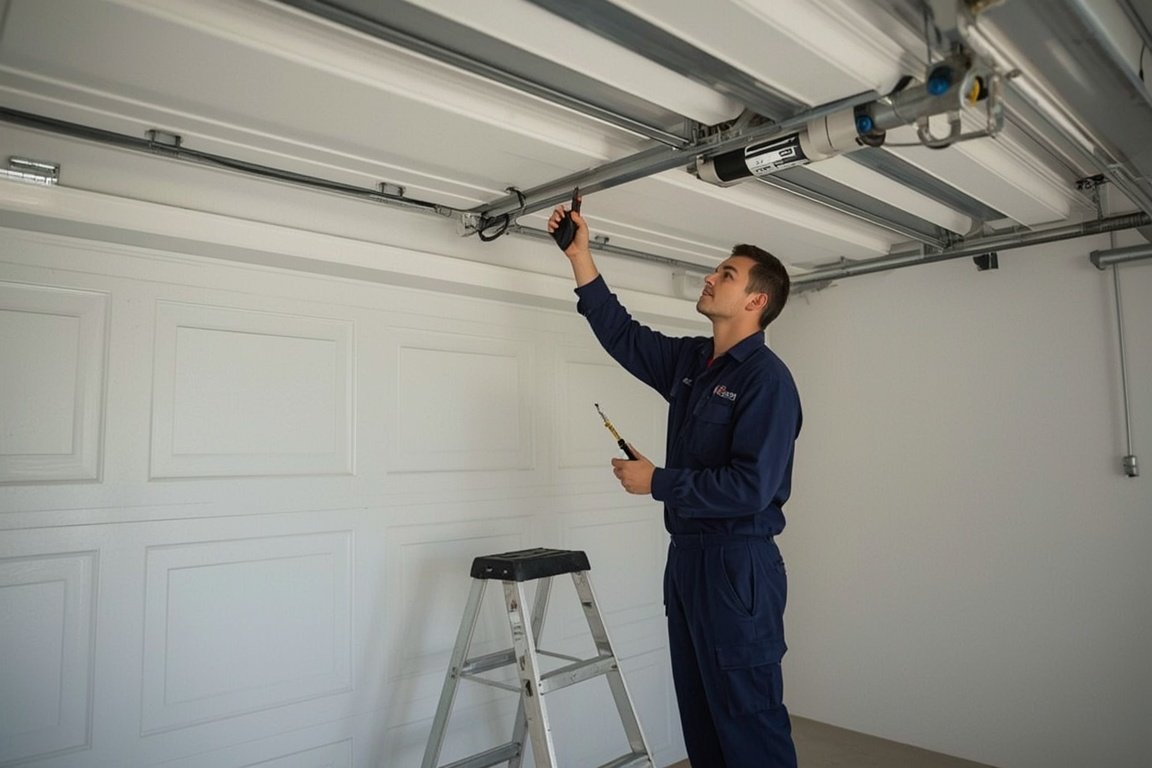
Installing or replacing a battery backup is usually straightforward but must be done carefully. Here's how:
- Turn off the opener by unplugging it to prevent accidental operation.
- Locate the battery compartment. Check your manual if necessary.
- Disconnect the old battery, noting the correct orientation of positive (+) and negative (-) terminals.
- Install the new battery, ensuring the terminals match the correct polarity.
- Secure the battery in the compartment and plug the opener back in.
- Test the opener by simulating a power outage to confirm the battery works properly.
- Recycle the old battery at a proper facility.
Maintenance Tips for Long Battery Life
Proper maintenance ensures your battery backup lasts as long as possible:
- Keep terminals clean and free of corrosion.
- Check battery voltage or charge level regularly.
- Ensure the opener is properly connected to AC power to maintain the battery's charge.
- Avoid extreme temperatures when possible, as heat and cold can shorten battery life.
- Use the manufacturer's recommended battery type to ensure compatibility and safety.
Cost of a Battery Backup
Battery backups vary in cost based on type and brand. Here's a rough guide:
- Sealed lead-acid battery: based on scope.
- Lithium-ion battery: based on scope.
- Optional installation by a technician: based on scope.
While this is an additional expense, many homeowners find it worthwhile for the convenience, security, and peace of mind it provides.
Is a Battery Backup Worth It?
Considering the benefits, battery backups are generally worth the investment. Here's why:
- They prevent lockouts during power outages.
- They enhance security and prevent unauthorized access.
- They maintain convenience and smart home functionality.
- They protect vehicles and valuables in the garage.
- They are relatively low-cost compared to the potential inconvenience or damage caused by a non-functional garage door.
For homeowners in areas with frequent power outages or extreme weather, a battery backup can be a lifesaver. Even in areas with reliable electricity, having a backup adds convenience and reliability.
Common Questions About Battery Backups
1. Can I add a battery backup to my existing opener?
Some models allow you to add an aftermarket battery backup. Check your opener's manual or contact the manufacturer to see if it's compatible.
2. How often should I replace the battery?
Depending on the type, lithium-ion batteries last 5 - 7 years, and sealed lead-acid batteries last 3 - 5 years. Replace earlier if signs of wear appear.
3. Will a battery backup work for multiple doors?
Most battery backups are designed for a single garage door opener. If you have multiple doors, each may need its own backup system.
4. Can I test the battery without a power outage?
Yes. Many openers allow you to simulate a power outage by unplugging the unit and using the remote or keypad to operate the door. Make sure to plug it back in afterward to recharge the battery.
Summary
Garage door opener battery backups provide reliable access, security, and convenience during power outages. They typically last 3 - 7 years depending on the type and usage. Battery backups can prevent lockouts, maintain smart features, and protect vehicles and valuables in your garage. Proper installation, maintenance, and timely replacement ensure the system works when you need it most. While there is a cost for the battery and possible installation, the benefits often outweigh the expense, especially in areas with frequent outages or extreme weather.
Final Thought
A garage door opener battery backup may seem like a small addition, but it can make a big difference in your home's convenience, safety, and security. It ensures that you can always operate your garage door, even during a power outage, protecting your vehicles, valuables, and family. By maintaining your backup battery and replacing it as recommended, you can enjoy years of reliable service and peace of mind. In short, investing in a battery backup is not just about convenience - it's about making sure your home and belongings are always accessible and secure.
Skip the YouTube rabbit hole - we'll have a tech at your door same day across Broward, Dade and Palm Beach.