Your garage door opener is one of the most convenient devices in your home. It allows you to open and close your garage door with the push of a button, making everyday life easier. But like any device that runs on electricity, your garage door opener depends on a battery to work, especially for wireless remotes, backup systems, or smart features. Understanding your opener's battery life, knowing when to replace it, and taking steps to maintain it can save you from inconvenient lockouts and unnecessary repairs. This guide will cover everything you need to know about garage door opener batteries in simple, easy-to-read terms.
Why Garage Door Opener Batteries Matter
Many modern garage door openers have a battery as a backup system in case of a power outage. Some openers run entirely on AC power, but without a battery, they won't work during an outage. Batteries also power wireless remotes, keypads, and smart home features. If the battery fails, your garage door opener may stop responding or work intermittently, causing frustration. That's why it's important to understand your battery's life cycle and replace it before it completely dies.
Garage door opener batteries are usually sealed lead-acid (SLA) or lithium-ion types. SLA batteries are heavier but more common in backup systems. Lithium-ion batteries are lighter and last longer but may cost more. Knowing your battery type is important when buying replacements. The manual that came with your opener usually lists the recommended battery type, voltage, and installation instructions.
Average Battery Life
Most garage door opener batteries last between 3 and 5 years, depending on usage, temperature, and maintenance. Lithium-ion batteries can sometimes last up to 7 years, while lead-acid batteries are usually closer to 3 - 4 years. Heavy use, extreme temperatures, and infrequent maintenance can shorten the battery's life. If you live in a hot climate, the heat can cause batteries to degrade faster. Cold weather can temporarily reduce battery performance, although it usually recovers when temperatures rise.
It's important to note that battery life isn't only about years. Even if a battery is only two years old, it can fail sooner if it's used heavily or not maintained. Frequent use of backup functions, multiple remote controls, and smart features can wear out the battery faster. That's why monitoring performance is key to knowing when a replacement is necessary.
Signs Your Battery Needs Replacement
Even if your battery is within its expected lifespan, certain signs indicate it's time for a new one. Watch for these common indicators:
1. Door Moves Slowly or Inconsistently
If the garage door opens or closes slower than usual or seems to stop and start, the battery may not be supplying enough power. A low battery can affect the opener motor's performance and prevent the door from moving smoothly.
2. Remote or Keypad Response Is Weak
If your remote control or keypad requires multiple presses or doesn't respond at all, the battery in the opener or the remote may be low. This is a common early warning sign that replacement is needed.
3. Frequent Power Alerts or Warning Lights
Many modern openers have LED indicators or sound alerts when the battery is weak. If you notice blinking lights or warning beeps, it's time to check the battery. Ignoring these warnings can result in a complete failure at the worst possible time, such as during a storm or power outage.
4. Corrosion or Leakage
If you notice corrosion, rust, or leakage on the battery terminals or around the battery casing, replace it immediately. Leaking batteries can damage the opener, wiring, or nearby components. Corrosion can prevent proper electrical contact and reduce performance.
5. Battery Is Older Than 3 - 5 Years
Even if there are no obvious signs, replacing a battery every 3 - 5 years is recommended. Old batteries lose efficiency over time and may fail suddenly. Preemptive replacement ensures your garage door will always function reliably.
How to Test Your Garage Door Opener Battery
Testing your battery is simple and helps you avoid surprises. Here are a few methods:
- Use a Voltmeter: Measure the battery voltage. A fully charged 12V battery should read about 12.6 volts. If it drops below 12 volts, it's time to replace it.
- Check Door Performance: Operate the door and notice any slow movement, weak response, or unusual sounds. These can indicate low battery power.
- Listen for Beeps or Watch Indicators: Many openers beep or flash an LED when battery power is low. Don't ignore these signs.
Steps to Replace Your Battery
Replacing a garage door opener battery is usually straightforward, but safety is important. Follow these steps:
- Turn Off the Opener: Unplug the opener from the wall to prevent any accidental operation.
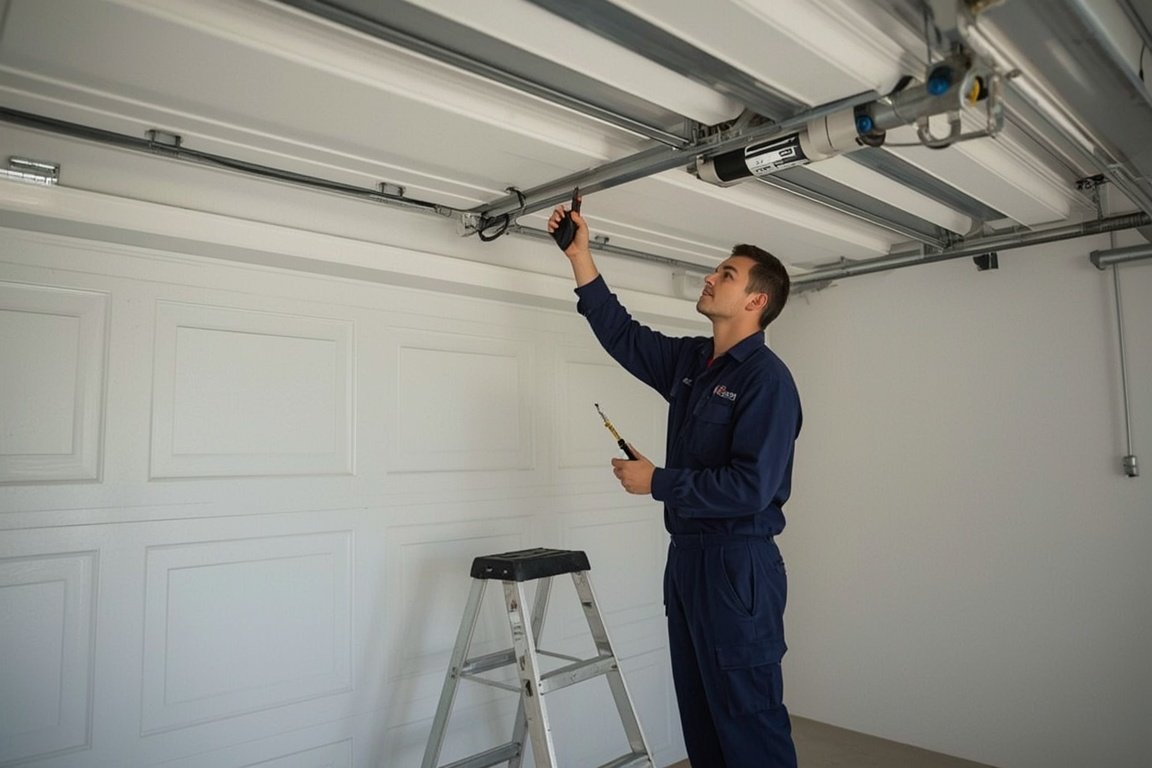
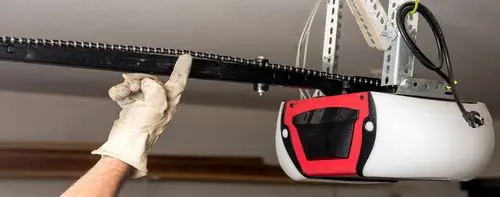
- Locate the Battery: Most openers have the battery in a compartment on top or near the motor unit. Consult your manual for exact location.
- Remove the Old Battery: Carefully disconnect the terminals. Note the correct orientation for positive (+) and negative (-) connections.
- Install the New Battery: Connect the new battery, ensuring the terminals match the correct polarity. Secure it in the compartment.
- Test the Opener: Plug the opener back in and operate the door to confirm proper function. Check that the remote and keypad also respond correctly.
- Recycle the Old Battery: Do not throw it in the trash. Take it to a battery recycling center or home improvement store that accepts old batteries.
Tips to Extend Battery Life
There are several ways to make your garage door opener battery last longer:
- Keep It Charged: If your opener has a backup battery, make sure it is always charged. Some openers charge the battery automatically when plugged in, but check your manual.
- Clean Terminals: Wipe battery terminals periodically to prevent corrosion. Clean contacts help maintain electrical flow.
- Avoid Extreme Temperatures: Batteries degrade faster in very hot or very cold conditions. If possible, keep the opener and battery in a temperature-stable area.
- Use Quality Batteries: Stick to the manufacturer's recommended brand and type. Cheap or incompatible batteries may fail sooner or damage the opener.
- Test Regularly: Check battery voltage or performance at least twice a year. Early detection of low power prevents inconvenience.
Backup Systems and Smart Openers
Some modern garage door openers come with advanced battery backup or smart home features. A battery backup allows the opener to work during a power outage. Smart openers may alert you through an app when battery levels are low. If your opener has these features, it's even more important to monitor battery health. Many smart openers will show battery percentages, warnings, or reminders to replace the battery, making it easier to prevent unexpected failures.
Common Questions About Battery Replacement
1. Can I use a different battery type than recommended?
It's best to stick to the manufacturer's recommended battery type, voltage, and size. Using the wrong battery can damage the opener, reduce performance, or void your warranty.
2. How often should I replace the battery?
Even if the battery seems fine, replacing it every 3 - 5 years is recommended. This prevents sudden failures and ensures your garage door will work when you need it most.
3. What happens if the battery dies completely?
If the battery dies, your garage door opener may not respond, especially during power outages. Remote controls and smart features will also fail. In some cases, the door may only be operable manually.
4. Can I replace the battery myself?
Yes. Most opener batteries are designed to be user-replaceable. Follow the steps above and your manual's instructions. If you feel unsure, a professional can replace it safely.
Signs You Should Call a Professional
Sometimes battery issues are more complicated. Contact a professional if:
- The battery repeatedly fails shortly after replacement.
- The opener does not respond even with a new battery.
- There is corrosion, leakage, or damage to the battery compartment.
- Unusual noises or sparks are coming from the opener while operating.
Summary
Garage door opener batteries are crucial for smooth operation, remote control, and backup functions. On average, batteries last 3 - 5 years, but heavy use, temperature extremes, and poor maintenance can shorten that lifespan. Watch for signs like slow door movement, weak remote response, warning lights, and corrosion. Replace batteries promptly and recycle old ones safely. Regular testing, cleaning terminals, and following manufacturer recommendations will help your battery last longer. Preemptive replacement and proper care keep your garage door reliable, safe, and convenient.
Final Thought
Batteries in garage door openers may seem small and simple, but they play a vital role in your daily convenience and home security. By understanding battery life, performing regular checks, and replacing them on time, you can avoid frustrating lockouts and costly repairs. A well-maintained battery ensures that your garage door opener works reliably for years, giving you peace of mind and smooth operation every day. Don't wait for a dead battery to disrupt your routine - plan ahead and replace it before it becomes a problem.
Skip the YouTube rabbit hole - we'll have a tech at your door same day across Broward, Dade and Palm Beach.