Garage door openers are very useful machines that make our lives easier. They allow us to open and close heavy garage doors with just a push of a button. But because they have moving parts and motors, they make noise. Some noises are completely normal, while others could be a sign that something is wrong. Knowing the difference can help you avoid bigger problems and keep your garage door working safely for a long time. This guide will explain what noises are normal, what noises are a warning, and what steps you can take to fix or reduce unwanted sounds.
Why Does My Garage Door Opener Make Noise?
Your garage door opener is made up of a motor, gears, chains or belts, rollers, and hinges. When the door moves, these parts rub against each other or against the tracks. This friction and movement naturally create sound. In addition, parts may expand and contract with temperature changes, which can also add to the noise. Older openers may be louder because parts wear down over time. Some noises, like a soft humming or gentle clicking, are normal and not a cause for concern. Other noises, like grinding or banging, may signal a problem that needs attention.
It's important to pay attention to your opener. You hear it every day, so any new or unusual sounds are easier to notice. By catching problems early, you can prevent expensive repairs or accidents. Even if your garage door seems to work fine, a strange noise may be a warning that something is not right. Let's look at the most common noises and what they usually mean.
Common Noises and What They Mean
1. Humming
Sound: A low, steady hum while the motor is running.
Meaning: Humming is usually the sound of the motor working. This is normal and shows the opener is powered and ready to move the door. If the hum is soft and steady, there is nothing to worry about. However, a loud hum, combined with the door not moving, or a burning smell may indicate that the motor is overworked or overheating.
Fix: A soft hum is fine. If the sound gets louder, or the door stops moving, it is best to stop using the opener and call a professional repair technician. They can check the motor and electrical system for safety.
2. Clicking
Sound: Small clicks when the door starts or stops moving.
Meaning: Clicking is usually caused by the electrical switches turning the opener on or off, or the sensors signaling the door to stop or reverse. Soft, occasional clicks are normal and do not indicate a problem. However, repeated rapid clicking without the door moving may signal an electrical issue.
Fix: If the door isn't moving and clicking continues, call a technician. This ensures no serious electrical problem is ignored.
3. Grinding or Scraping
Sound: A rough, metal-on-metal sound, like something scraping along the tracks.
Meaning: Grinding usually means that parts inside the opener, such as gears, are worn out, or that a piece of the door is misaligned. Sometimes debris can get into the tracks and cause scraping. This type of noise is not normal and should be addressed quickly to prevent damage to the door or opener.
Fix: Stop using the door immediately. Check the tracks for dirt or objects. If none are found, call a professional. Repairing worn gears or replacing broken parts is safest when done by a trained technician.
4. Squeaking or Squealing
Sound: High-pitched squeaks when the door opens or closes.
Meaning: Squeaking usually comes from dry rollers, hinges, or tracks that need lubrication. It is common in older doors that haven't been maintained regularly. While squeaks themselves are not dangerous, ignoring them may cause extra wear on the parts, leading to bigger problems.
Fix: Use a spray lubricant made for garage doors. Apply it to rollers, hinges, and the chain or belt. Avoid using thick grease on the motor or belt unless the manufacturer's manual says it's okay.
5. Loud Bangs or Thuds
Sound: A heavy thud or loud bang when the door opens or closes.
Meaning: This can be caused by loose hardware, broken springs, or the door hitting the stops too hard. Loud bangs are not normal and can be dangerous. Broken springs, in particular, store a lot of energy and can cause serious injury if handled incorrectly.
Fix: Stop using the door immediately and call a professional. Do not try to adjust or replace springs yourself, as this can be very dangerous.
Simple Checks You Can Do
Some basic inspections can help you catch problems early. These are simple checks that anyone can do safely:
- Look at the tracks to ensure they are free of dirt, dust, and objects that could block the door.
- Check all visible bolts and nuts. Make sure nothing is loose, but do not try to adjust springs.
- Watch the door move. Does it wobble, stick, or jump at any point along the tracks?
- Listen to the door. A sudden change in sound, or new loud noises, can indicate a problem that needs attention.
Maintenance Tips to Keep Noise Low
Regular maintenance is the key to a quiet and long-lasting garage door. These tips are easy to follow and will prevent most problems:
- Lubricate rollers, hinges, and the chain or belt every few months. This reduces friction and keeps the door moving smoothly.
- Follow the garage door opener manual for cleaning and maintenance instructions. Different models may have different recommendations.
- Tighten bolts and screws on the door and track, but never touch or adjust the springs or high-tension cables.
- Keep the area around the garage door clean. Dirt and debris can make the door noisy and wear down the parts faster.
When to Call a Professional
Even with regular maintenance, some situations require professional help. Call a trained garage door technician if you notice:
- Grinding or scraping noises that continue after cleaning and lubrication.
- Broken springs, cables, or other hardware.
- The door falls too fast, won't stay open, or closes unevenly.
- A burning smell or very hot motor.
- The opener stops working or behaves unpredictably.
Professionals have the right tools and training to fix these issues safely. Garage door springs are under extreme tension and can be dangerous to repair without experience. Hiring a professional can prevent injuries and costly mistakes.
Extra Tips for Noise Reduction
If your garage door is older or naturally loud, there are a few extra steps you can take to keep it quieter:
- Consider replacing old metal rollers with nylon or plastic rollers. They run more quietly and last longer.
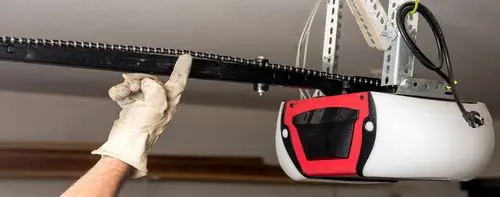
- Check the opener's chain or belt tension. Too tight or too loose can increase noise.
- Install rubber bumpers on the stops. They soften the door's impact when it closes.
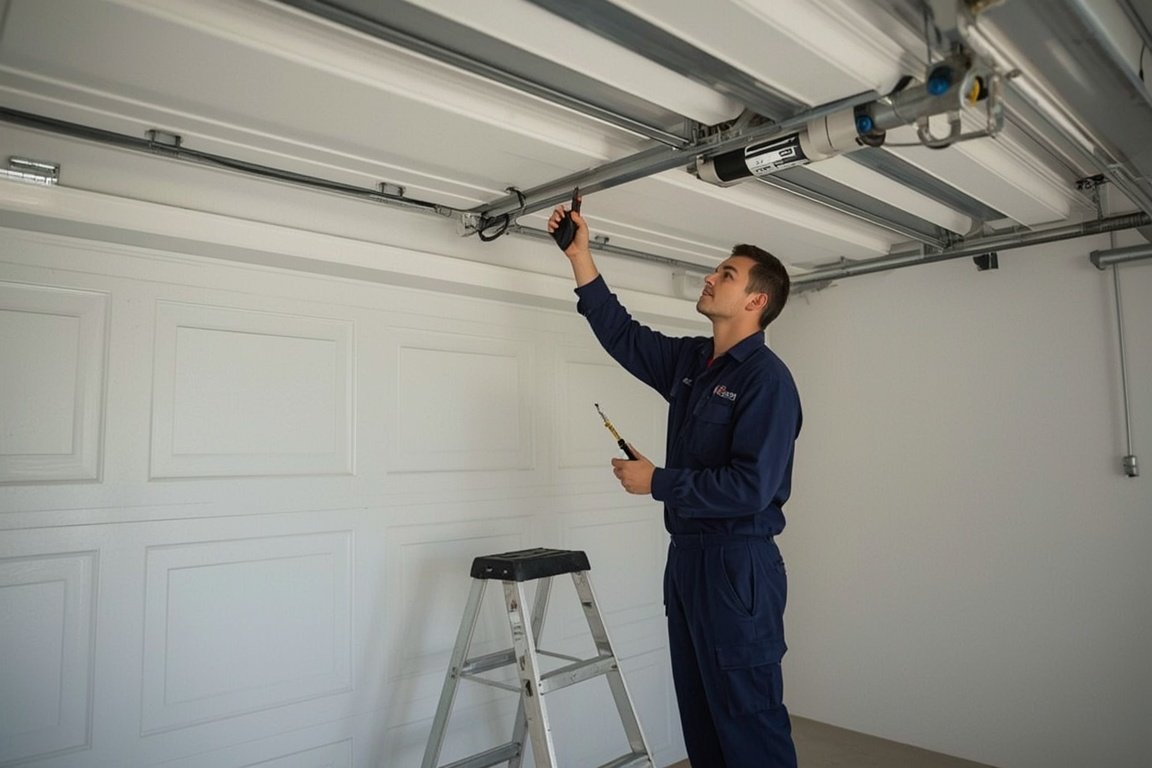
- Ensure the opener is mounted securely to the ceiling. Loose mounts can cause vibration and extra noise.
Summary - What's Normal and What's Not
Understanding your garage door's noises will help you know when to relax and when to act. Here's a simple summary:
- Normal: Light humming, gentle clicking, soft squeaks, occasional sounds caused by temperature changes.
- Not Normal: Grinding, scraping, loud bangs, broken springs, burning smells, or sudden changes in how the door operates.
Final Thought
Garage doors are heavy and complex machines, but with regular attention, they can work quietly and safely for many years. Listen carefully to your opener, watch how the door moves, and do simple checks regularly. Lubricate moving parts, tighten hardware, and keep the tracks clean. If you ever hear unusual noises or notice unsafe behavior, stop using the door and call a trained professional immediately. A little care and attention today can prevent accidents, save money, and keep your garage door running smoothly for years to come.
Skip the YouTube rabbit hole - we'll have a tech at your door same day across Broward, Dade and Palm Beach.