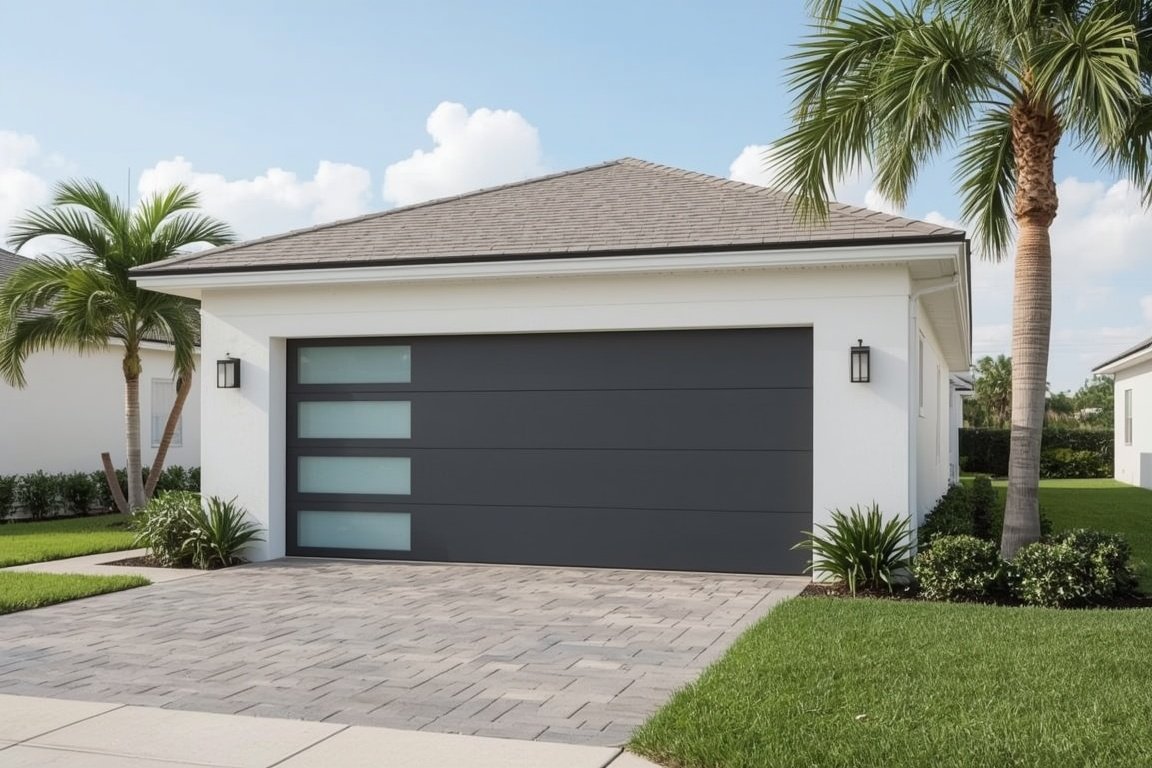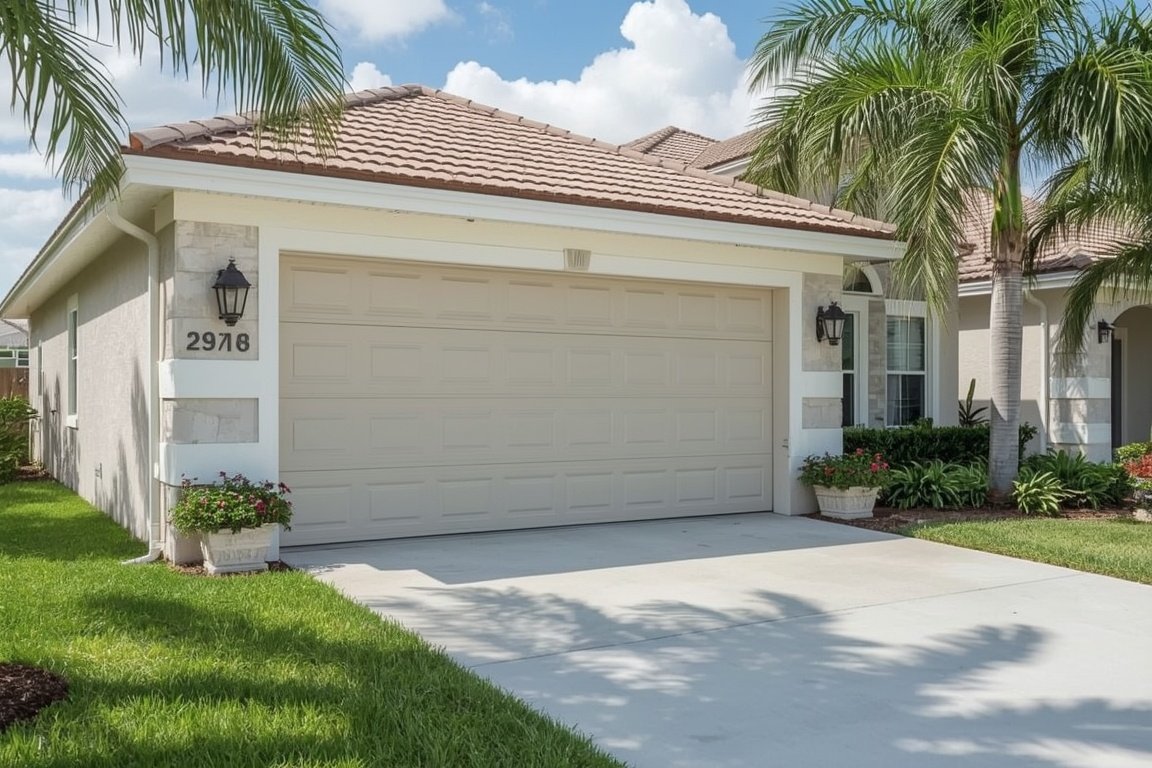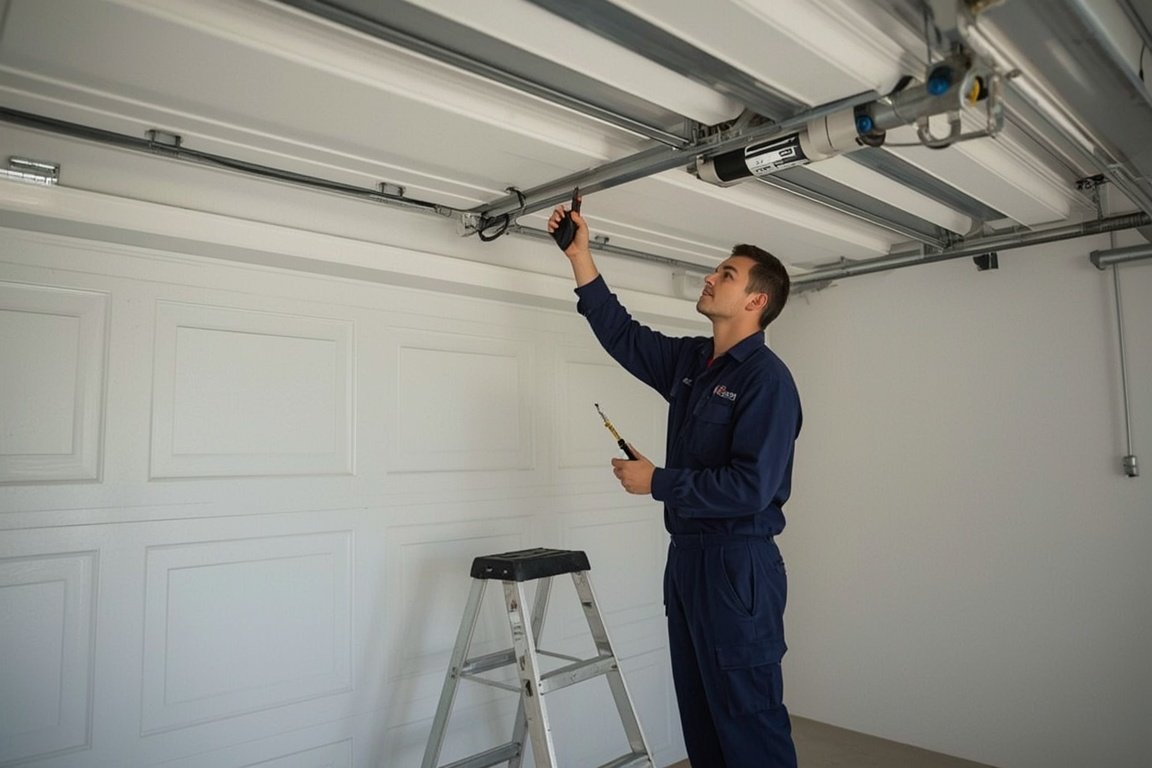
Every year, Florida homeowners brace for the arrival of hurricane season. High winds, flying debris, and torrential rain can cause significant damage to homes - especially to garage doors, which are often one of the largest and most vulnerable openings. Preparing your garage door properly before a storm is crucial for protecting not only the garage itself but also your entire home. At GarageFL, we understand the vital role a sturdy, well-maintained garage door plays in storm protection. This guide provides comprehensive, expert-backed steps to ensure your garage door is hurricane-ready this season.
1. Understand the Importance of Garage Door Reinforcement
The garage door is one of the most common points of failure during hurricanes. When wind penetrates through a damaged or weak garage door, it can create dangerous internal pressure that compromises your roof and walls. Reinforcing your garage door is not just a recommendation - it's a critical safety measure that can prevent severe structural damage.
Modern building codes in Florida require hurricane-rated garage doors in many areas, but older doors may not meet these standards. Reinforcement kits or upgraded hurricane-rated doors can make a dramatic difference in storm resilience.
2. Check Your Garage Door's Wind Load Rating
Before taking any action, determine whether your current garage door is rated for hurricane-force winds. The wind load rating, typically displayed on a sticker or manufacturer plate inside the door panel, indicates the maximum wind speed it can withstand. If the label is missing or unclear, you can contact a professional technician from GarageFL to inspect and verify the door's compliance with Florida's wind load requirements.
Areas such as coastal Florida or hurricane-prone regions require doors capable of withstanding winds from 130 to 180 mph, depending on local building codes. Knowing your door's specifications helps you plan whether reinforcement or replacement is needed before storms strike.
3. Reinforce Weak Garage Doors with Bracing Kits
If your garage door is not already hurricane-rated, reinforcement kits can provide a cost-effective upgrade. These kits include vertical and horizontal braces that strengthen the panels and distribute wind pressure evenly. When properly installed, bracing systems can prevent panels from bending or detaching during high winds.
GarageFL recommends professional installation for all reinforcement systems to ensure correct alignment and load distribution. DIY installation might seem simple but can lead to weak points if not secured according to manufacturer guidelines.
4. Inspect the Door's Tracks and Hardware
Garage door tracks, rollers, hinges, and brackets all play vital roles in maintaining the door's structural integrity. Before hurricane season:
- Tighten all bolts, nuts, and screws securing the door to the frame.
- Check that the tracks are firmly attached to the wall with heavy-duty fasteners.
- Inspect rollers for cracks, corrosion, or deformation.
- Lubricate all moving parts to ensure smooth operation under stress.
Even small weaknesses in hardware can become major points of failure during high winds. Regular maintenance inspections by certified professionals can identify issues that homeowners may overlook.
5. Evaluate and Replace Weather Seals
Weather seals along the bottom and sides of your garage door help block water, debris, and wind from entering the space. Over time, these seals can harden, crack, or tear, compromising your garage's ability to remain watertight. Before hurricane season:
- Inspect the bottom seal for signs of deterioration.
- Replace worn or missing weatherstripping with heavy-duty, flexible materials.
- Check the threshold seal to prevent flooding during heavy rain.
Sealing your garage door effectively helps reduce water intrusion, which can lead to flooding or damage to stored items.
6. Inspect and Maintain Garage Door Springs
Garage door springs bear the weight of the door and keep it balanced. Weak or damaged springs can cause your door to fail during strong winds. Have your springs professionally inspected at least once per year - especially before hurricane season. A door that doesn't open or close smoothly can indicate tension problems or rust that need immediate attention.
GarageFL's trained technicians can test and replace torsion or extension springs safely, ensuring optimal performance and minimizing risks during storms.
7. Secure Windows and Decorative Panels
If your garage door features decorative windows or glass inserts, ensure they are impact-rated. Non-reinforced glass is highly vulnerable to flying debris. Options include:
- Replacing regular glass with laminated or tempered hurricane-rated glass.
- Installing removable storm panels over windows before hurricanes.
- Using protective window films to reduce shattering risk.
Garage doors with secure, reinforced windows maintain both aesthetics and protection, ensuring safety without sacrificing style.
8. Consider Installing a Hurricane-Rated Garage Door
For homeowners living in hurricane-prone areas, upgrading to a hurricane-rated garage door provides the highest level of protection. These doors are engineered with reinforced steel, heavy-duty hinges, and advanced locking mechanisms to withstand intense wind pressure and impact. They also comply with Florida Building Code standards and offer peace of mind during severe storms.
GarageFL offers a selection of hurricane-rated doors designed for durability, efficiency, and curb appeal. A professional assessment can help determine which model suits your home's location, design, and wind zone rating.
9. Backup Power and Manual Operation
Power outages are common during hurricanes, so preparing for manual garage door operation is essential. Ensure your automatic opener has a manual release cord that allows you to open or close the door manually if electricity fails. Familiarize yourself with the release mechanism before the storm hits.
Battery backup systems are another valuable addition. They keep your garage door opener functional during outages, offering convenience and security when you need it most. GarageFL technicians can recommend compatible systems for your existing setup.
10. Check the Door's Balance and Alignment
A well-balanced garage door distributes weight evenly across springs and tracks, minimizing strain during high winds. To test balance:
- Disconnect the opener and lift the door manually halfway up.
- If the door stays in place, it's properly balanced. If it moves up or down, spring tension adjustments are required.
Never attempt to adjust springs on your own; they are under high tension and can cause serious injury. Always contact professionals for balance and alignment services.
11. Seal and Waterproof Your Garage Interior
Even with a reinforced door, flooding can still occur during hurricanes. Prevent damage by:
- Applying waterproof coatings to garage floors and lower walls.
- Elevating valuable items off the floor.
- Installing flood barriers or sandbags near the garage entrance.
- Ensuring floor drains and gutters are clear of debris.
Taking these additional steps protects your property from potential water damage and mold after the storm passes.
12. Routine Professional Inspections
Professional inspections provide peace of mind and ensure no weak points exist before hurricane season begins. GarageFL's experienced technicians perform comprehensive evaluations, checking every component - from the opener and springs to the tracks and weather seals - to confirm hurricane readiness. Regular professional maintenance reduces repair costs, extends door lifespan, and guarantees safety compliance.
13. Prepare an Emergency Garage Plan
Before a hurricane, establish a plan for how you'll use and protect your garage space:
- Store your vehicle inside to protect it from debris.
- Secure or remove loose items that could become projectiles.
- Test your garage door opener battery and manual release mechanism.
- Disconnect electrical equipment to prevent short circuits or damage.
Being proactive not only reduces potential damage but also ensures quick recovery after the storm.
14. Post-Storm Garage Door Inspection
After the hurricane has passed, inspect your garage door carefully before operating it. Look for dents, misalignment, or broken components. Do not attempt to open the door if it appears damaged, as it could collapse or cause injury. Contact GarageFL for a full inspection and repair service to restore safe operation and structural integrity.
Final Thoughts
Preparing your garage door for hurricane season is one of the most important steps in safeguarding your home. Reinforcing the door, inspecting its components, maintaining weather seals, and upgrading to hurricane-rated systems all contribute to resilience and security. With Florida's unpredictable storm patterns, investing time and effort into garage door preparation ensures your property remains protected during extreme weather events. Whether you need professional inspections, reinforcement installations, or full door replacements, GarageFL provides expert services to help homeowners stay safe and secure year-round. A strong, well-maintained garage door isn't just part of your home - it's your first line of defense against the storm.
Skip the YouTube rabbit hole - we'll have a tech at your door same day across Broward, Dade and Palm Beach.