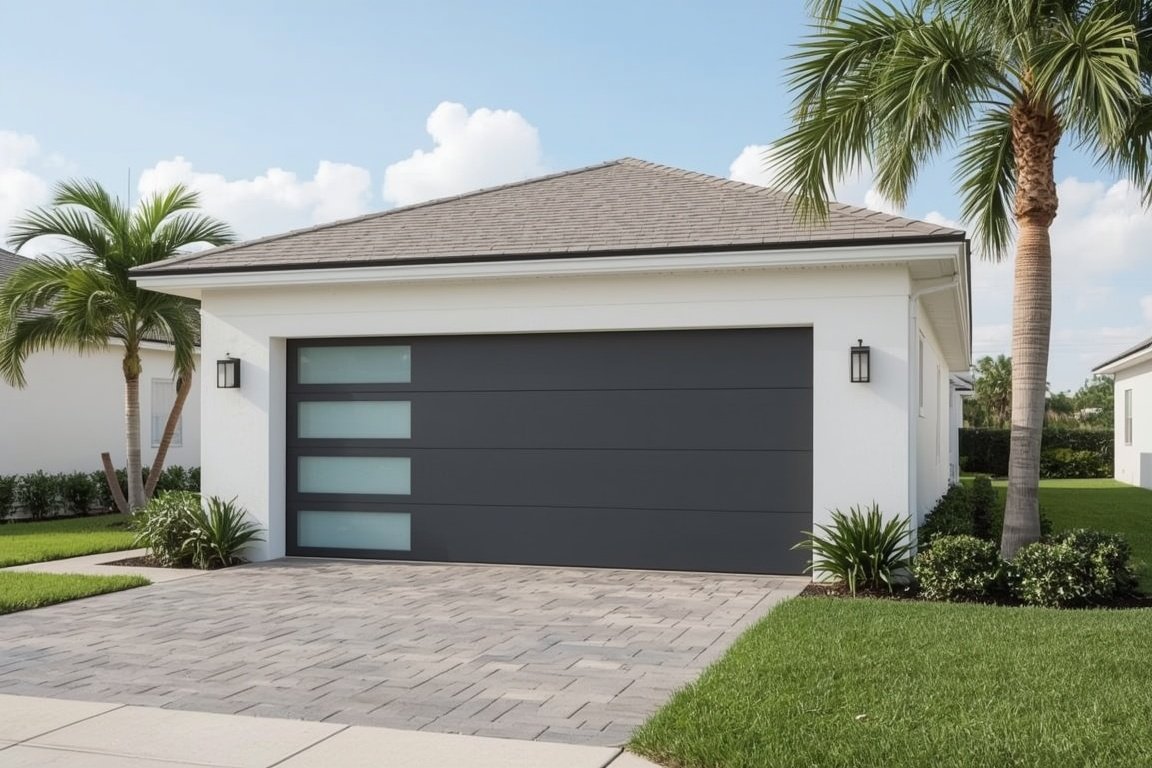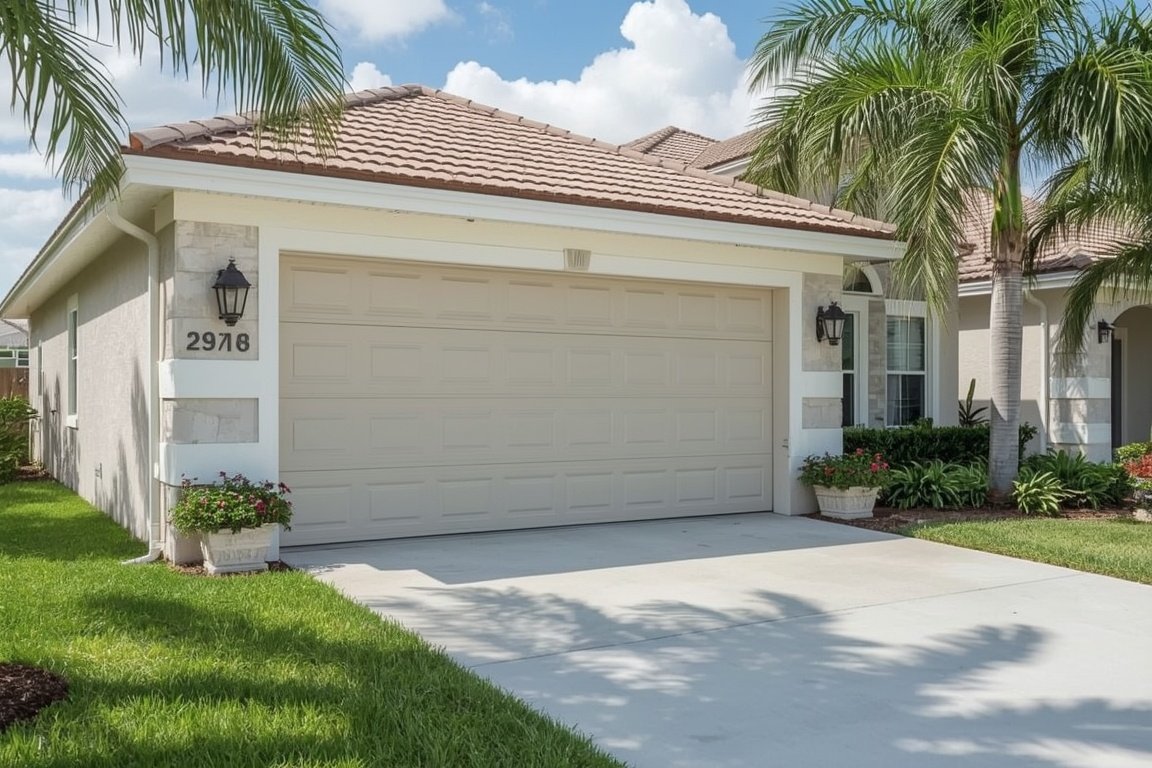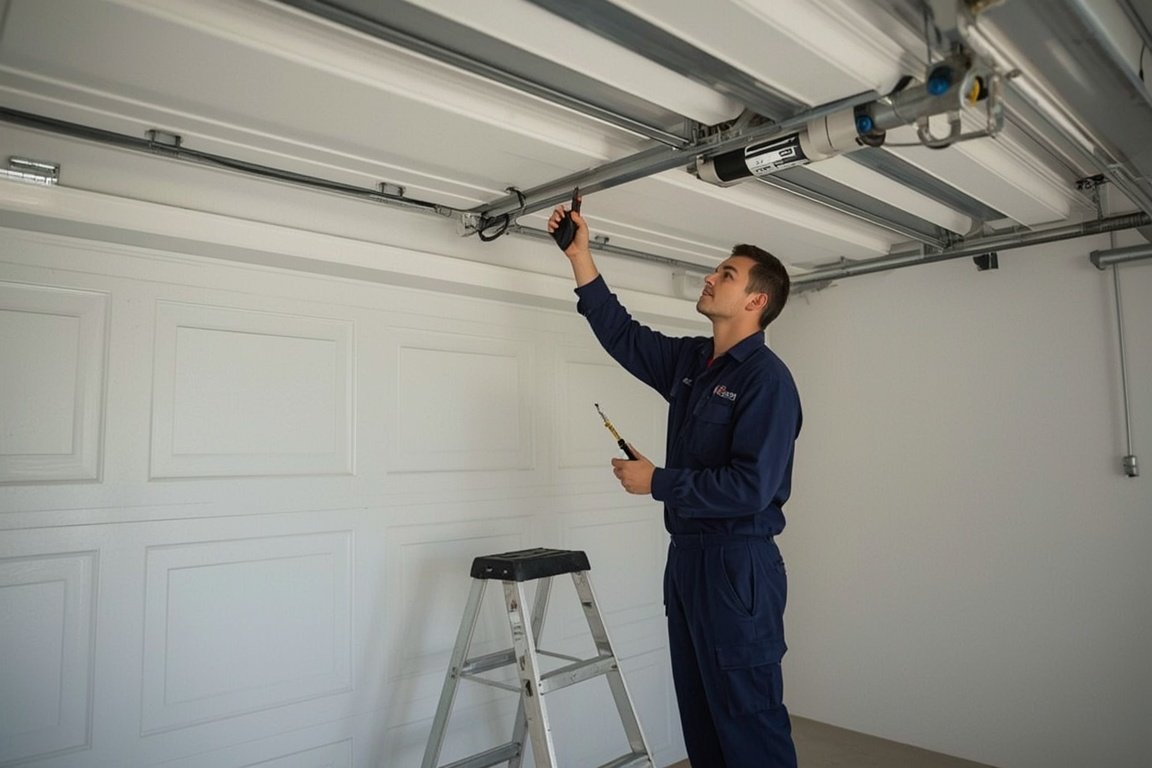
Garage doors are one of the largest moving parts in your home, and they can pose serious risks if not properly maintained or used. Accidents involving garage doors can lead to injury, property damage, or costly repairs. Whether you are a new homeowner, a parent with children, or someone who frequently uses your garage, understanding proper safety practices is crucial. GarageFL provides a comprehensive guide with essential garage door safety tips to protect your family, pets, and property.
1. Understand the Risks
Garage doors may appear simple, but they are powerful mechanisms that operate under high tension. Understanding the risks is the first step in ensuring safety:
- Springs are under immense tension and can cause severe injury if mishandled.
- Moving doors can trap fingers, hands, or limbs if safety sensors fail.
- Improper maintenance or worn components can result in sudden door failures.
- Children and pets are particularly vulnerable to accidents near garage doors.
2. Keep Safety Sensors Functional
Modern garage doors are equipped with auto-reverse sensors that prevent accidents. Maintaining these sensors is essential:
- Ensure sensors are properly aligned and facing each other across the door opening.
- Clean lenses regularly to remove dust, dirt, or spider webs that may interfere with operation.
- Test the auto-reverse function monthly by placing an object in the door's path.
- Replace damaged sensors immediately to maintain safety.
3. Perform Regular Maintenance
Routine inspections and maintenance reduce the risk of malfunction:
- Inspect rollers, hinges, and tracks for wear or damage.
- Lubricate moving parts with silicone-based or lithium-based lubricants to ensure smooth operation.
- Check springs and cables for signs of rust or fraying.
- Tighten loose bolts and brackets to maintain structural integrity.
- Schedule professional maintenance at least once a year for thorough inspection and adjustment.
4. Know How to Use the Manual Release
Garage doors are equipped with a manual release mechanism for emergencies:
- Locate the release cord or handle and understand how it works.
- Use the manual release only when the door is stationary or in an emergency situation.
- Re-engage the opener correctly after manual operation to ensure safe automated use.
- Teach family members or trusted individuals how to operate the manual release safely.
5. Supervise Children and Pets
Children and pets are especially at risk around garage doors:
- Never allow children to play with the door opener or near the moving door.
- Install keyless entry controls out of reach of young children.
- Ensure pets are safely away from the garage door when it is in operation.
- Educate household members about the dangers of standing under or near a moving door.
6. Avoid DIY Spring Adjustments
Garage door springs store tremendous energy and should only be handled by professionals:
- Do not attempt to adjust torsion or extension springs yourself.
- Hire licensed technicians for spring replacements or tension adjustments.
- Ensure any spring work meets manufacturer and safety standards.
- Regularly inspect springs for wear or rust and schedule professional service if needed.
7. Maintain Proper Balance
A well-balanced door reduces strain on the opener and improves safety:
- Test balance by disconnecting the opener and manually lifting the door halfway. It should stay in place without assistance.
- If the door drifts up or down, schedule professional adjustment.
- Proper balance prevents sudden door drops and reduces wear on components.
8. Upgrade to Modern Openers
Older openers may lack advanced safety features:
- Consider upgrading to openers with auto-reverse and motion detection.
- Smart openers provide remote monitoring and alerts for added safety.
- Choose quiet and smooth openers to reduce vibration and potential damage to the door.
9. Keep the Area Clear
Obstructions can increase the risk of accidents:
- Maintain a clear space around the garage door, both inside and outside.
- Do not store heavy items near the door path or tracks.
- Ensure vehicles, bicycles, or equipment are parked at a safe distance from the door.
10. Install Safety Signage and Warnings
Visual cues can prevent accidents, especially for first-time users:
- Place warning stickers near manual releases and door edges.
- Use floor markings to indicate danger zones.
- Remind household members of proper usage and safety precautions.
11. Check Weather Conditions
Environmental factors can affect garage door operation:
- Keep tracks clear of ice, snow, or debris that could impede movement.
- Lubricate moving parts to prevent rust and friction in humid or coastal areas.
- Inspect doors after storms for damage or misalignment.
- Ensure doors close securely during high winds to prevent safety hazards.
12. Emergency Preparedness
Being prepared can reduce injuries and property damage:
- Keep a fire extinguisher and first aid kit in the garage.
- Know how to manually operate the door in case of power failure.
- Keep emergency contact numbers, including a trusted garage door professional, accessible.
- Educate household members on emergency procedures related to the garage.
13. Security and Access Control
Proper security reduces risk of unauthorized access and associated safety hazards:
- Use keyless entry systems or smart garage openers with secure codes.
- Change access codes regularly to prevent unauthorized use.
- Ensure door locks are functioning correctly and upgrade if necessary.
- Consider security cameras to monitor garage activity for safety and peace of mind.
14. Educate Everyone in the Household
Knowledge is a key element of garage door safety:
- Teach family members proper use of the opener and manual release.
- Highlight the importance of staying clear of moving doors and hardware.
- Demonstrate safety checks like auto-reverse sensor testing.
- Encourage reporting of unusual noises, resistance, or malfunction immediately.
15. Professional Inspections
Routine inspections by qualified technicians can prevent accidents:
- Schedule annual inspections for springs, cables, rollers, tracks, and openers.
- Technicians can identify subtle signs of wear or misalignment that homeowners might miss.
- Professional advice ensures compliance with safety standards and local regulations.
- Regular check-ups prolong the life of the garage door and reduce repair costs.
16. Final Thoughts
Garage door safety should never be overlooked. These tips cover the most important aspects of safe operation, including sensor maintenance, routine inspections, proper lubrication, spring safety, opener upgrades, and household education. Keeping children and pets away from moving doors, maintaining balance, and scheduling professional inspections all contribute to preventing accidents. Florida homeowners should also account for environmental factors like humidity, storms, and salt air that can accelerate wear. By following these safety practices and staying vigilant, you can ensure your garage door operates smoothly, safely, and reliably for years. Trust GarageFL for expert guidance and professional services to keep your family, pets, and property safe around your garage door.
Skip the YouTube rabbit hole - we'll have a tech at your door same day across Broward, Dade and Palm Beach.