A screeching garage door can be more than just an annoyance; it can signal underlying issues that, if left unaddressed, may lead to serious damage or costly repairs. Understanding the root causes, implementing proper solutions, and maintaining your door can ensure smooth and quiet operation for years to come. GarageFL provides a comprehensive guide to diagnosing and fixing garage door screeching, including preventive measures for homeowners in Florida.
1. Common Causes of Garage Door Screeching
Garage door screeching usually results from mechanical friction, misalignment, or worn-out components. Identifying the precise cause is the first step in resolving the issue. Common causes include:
- Lack of Lubrication: Moving parts such as rollers, hinges, springs, and tracks require regular lubrication. Without it, metal components grind against each other, creating a high-pitched screech.
- Worn or Damaged Rollers: Rollers guide the door along the tracks. When they wear down, lose their bearings, or develop flat spots, they can produce screeching noises during operation.
- Track Misalignment: Bent, loose, or improperly aligned tracks can cause rollers to scrape against metal edges, producing a shrill sound.
- Hinges and Hardware Issues: Loose or corroded hinges, bolts, or brackets create friction points that lead to screeching.
- Garage Door Springs: Torsion or extension springs that are dry, rusty, or overstretched can create a squealing or screeching sound when the door moves.
- Opener Mechanism: Worn gears, chains, belts, or pulleys in the opener can contribute to noise during operation.
- Environmental Factors: Rust, debris, and dirt accumulation in tracks or on moving parts can exacerbate friction and noise.
2. Safety First
Before attempting to fix a screeching garage door, prioritize safety. Garage doors are heavy and under tension, and improper handling can lead to injury:
- Disconnect the opener from power to prevent accidental movement.
- Wear gloves and safety goggles when inspecting moving parts.
- Use proper tools and avoid placing hands near springs or cables.
- Consider professional assistance for spring adjustments or hardware replacement.
3. Inspecting the Garage Door Components
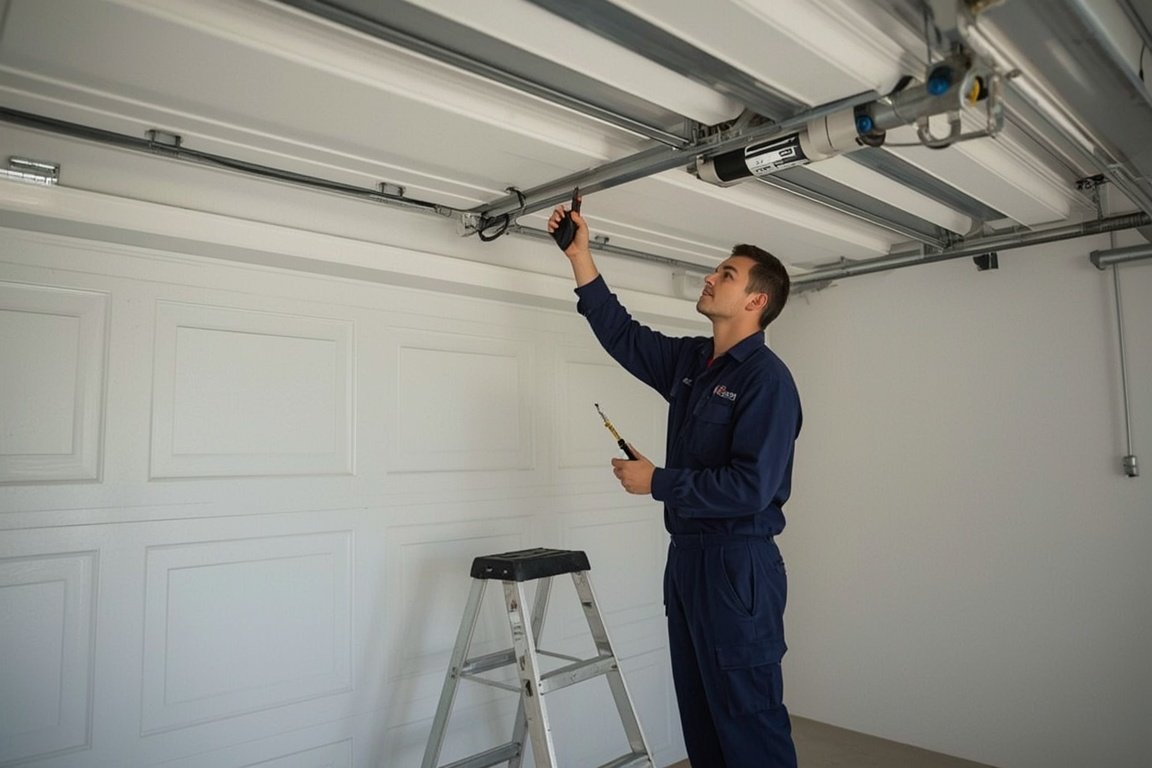
A detailed inspection helps identify the root cause of screeching. Check each component carefully:
- Rollers: Examine for wear, flat spots, or damaged bearings. Nylon or steel rollers have different lifespans and lubrication requirements.
- Tracks: Look for bends, gaps, or loose brackets. Clean tracks of debris and ensure they are plumb and level.
- Hinges: Inspect for rust, corrosion, or looseness. Tighten screws and replace worn hardware as needed.
- Springs: Check torsion or extension springs for signs of rust or overextension. Avoid manually adjusting tension without expertise.
- Opener Components: Examine chains, belts, and gears for wear or lack of lubrication. Inspect mounting brackets for stability.
4. Lubrication: The Most Common Solution
Proper lubrication is the most effective way to reduce or eliminate screeching:
- Use a high-quality garage door lubricant, preferably silicone or lithium-based grease. Avoid WD-40 as it can attract dust and dry out quickly.
- Apply lubricant to rollers, hinges, springs, and metal contact points on the tracks.
- Open and close the door a few times after lubrication to distribute the grease evenly.
- Repeat lubrication every 6 months to maintain smooth operation.
5. Track Alignment and Adjustment
Misaligned tracks can cause rollers to grind and produce screeching:
- Loosen brackets slightly to adjust track alignment and ensure the door moves freely.
- Check that tracks are parallel and level on both sides.
- Tighten all hardware securely after adjustments.
- Ensure tracks are free from dents, rust, or debris that could interfere with roller movement.
6. Roller and Hardware Replacement
Worn rollers and hardware often require replacement:
- Replace old metal rollers with nylon rollers for quieter operation and less friction.
- Ensure that new rollers are compatible with your garage door model.
- Replace damaged hinges, bolts, and brackets to restore smooth movement.
- Verify all hardware is tightened correctly after installation.
7. Spring Maintenance
Garage door springs require careful attention due to high tension:
- Lubricate torsion and extension springs with a silicone-based lubricant to reduce friction.
- Do not attempt to adjust spring tension yourself unless trained; contact a professional for adjustments or replacements.
- Regularly inspect springs for rust, wear, or deformation to prevent failure.
8. Opener Maintenance
Opener components can contribute to screeching noises if worn or dry:
- Lubricate gears, chains, or belts according to manufacturer instructions.
- Check mounting brackets for looseness or misalignment.
- Replace worn gears or belts to restore smooth operation.
- Ensure the opener is properly aligned with the door for even lifting and closing.
9. Environmental Factors and Cleaning
External factors can worsen garage door screeching:
- Regularly clean tracks, rollers, and hinges to remove dust, dirt, and debris.
- Protect metal components from humidity and salt air, especially in Florida, by using rust-resistant coatings or lubricants.
- Inspect for pest infestation, which can interfere with moving parts.
- Keep vegetation and leaves away from the door and tracks to prevent obstructions.
10. Preventive Measures for Long-Term Quiet Operation
Consistent maintenance helps prevent future screeching and extends door lifespan:
- Lubricate moving parts every 6 months to maintain smooth operation.
- Inspect rollers, tracks, springs, and hardware for wear and tear periodically.
- Address small issues immediately before they escalate into major repairs.
- Consider upgrading to nylon rollers or quieter openers for long-term noise reduction.
- Professional inspection once a year can catch subtle alignment or tension issues.
11. When to Call a Professional
While many screeching issues can be fixed with lubrication and minor adjustments, certain situations require professional attention:
- Spring replacement or tension adjustment
- Severely bent or damaged tracks
- Persistent screeching after lubrication and hardware inspection
- Opener gear or motor issues that cannot be resolved manually
- Complex door systems with commercial-grade components
12. Final Thoughts
Screeching garage doors are a common issue that often signals the need for maintenance or minor repairs. Identifying the cause - whether it is lack of lubrication, worn rollers, track misalignment, or opener problems - is key to restoring quiet, smooth operation. Regular maintenance, proper lubrication, careful inspection of hardware and springs, and preventive measures can significantly reduce screeching and prolong the lifespan of your garage door. For Florida homeowners, addressing environmental factors such as humidity and salt air is especially important to prevent rust and corrosion. If you are unsure or dealing with complex spring or opener issues, professional assistance ensures safety and effective resolution. Trust GarageFL for expert guidance and service to keep your garage doors operating quietly, safely, and efficiently for years to come.
Skip the YouTube rabbit hole - we'll have a tech at your door same day across Broward, Dade and Palm Beach.