The weather seal on your garage door is an essential component that protects your garage from drafts, water, dust, and pests. Over time, seals can crack, warp, or lose elasticity, compromising the garage's insulation and protection. Replacing a worn weather seal restores the garage's efficiency and safeguards its contents. GarageFL provides a comprehensive guide on garage door weather seal replacement, maintenance tips, and considerations for homeowners in Florida.
Understanding Garage Door Weather Seals
Garage door weather seals, often called weather stripping, are typically made of durable rubber, vinyl, or silicone. They fit along the bottom, sides, and sometimes top of the door to create a barrier between the garage and the outside environment. The primary functions of a weather seal include:
- Preventing drafts and energy loss
- Keeping rainwater, snow, and debris from entering
- Deterring insects, rodents, and small animals
- Reducing noise and vibration during door operation
Signs Your Weather Seal Needs Replacement
Recognizing when a weather seal needs attention prevents further damage to the garage and its contents. Common signs include:
- Visible cracks, splits, or gaps in the seal
- Fraying or peeling from the door edge
- Water, dust, or pests entering under the door
- Difficulty closing the door smoothly due to a warped seal
- Loss of insulation and noticeable drafts
Tools and Materials Needed
Before replacing a weather seal, gather the necessary tools and materials:
- Replacement weather seal suitable for your door type
- Measuring tape to ensure correct length
- Utility knife or scissors for trimming
- Rubber mallet or soft hammer
- Screwdriver or drill if seal attaches with screws
- Lubricant for smooth operation if required
Step 1: Remove the Old Weather Seal
Begin by inspecting the current seal and carefully removing it:
- Lift the garage door to a safe, stable position
- Pull out the old seal gently; some may slide out of channels or unscrew depending on the door type
- Use a utility knife to cut any stubborn sections
- Clean the bottom edge and channels to remove dirt, debris, or adhesive residue
Step 2: Measure and Cut the New Seal
Proper measurement ensures a snug fit:
- Measure the width of the garage door accurately
- Trim the new seal to match the door width using scissors or a utility knife
- Ensure the cut is straight and smooth for even installation
Step 3: Install the New Weather Seal
Installation depends on the door type:
- For sliding-in-channel seals, insert the seal into the bottom track and slide it evenly along the door edge
- For screw-on seals, align the seal and attach it using screws or fasteners, ensuring tight contact with the door
- Use a rubber mallet to tap the seal gently into place if needed
- Double-check that the seal sits flush and does not interfere with door operation
Step 4: Test the Door
Once installed, verify proper function:
- Close the garage door slowly to ensure the seal does not bind or catch
- Check for gaps between the seal and the floor
- Observe the door's operation to confirm smooth movement without extra resistance
Maintenance Tips for Longevity
To extend the life of a weather seal:
- Clean regularly with mild soap and water to prevent buildup
- Inspect for cracks or wear every few months
- Lubricate moving parts of the door to reduce friction on the seal
- Keep debris and gravel away from the door bottom to prevent tearing
- Replace worn seals promptly to maintain insulation and protection
Professional Considerations
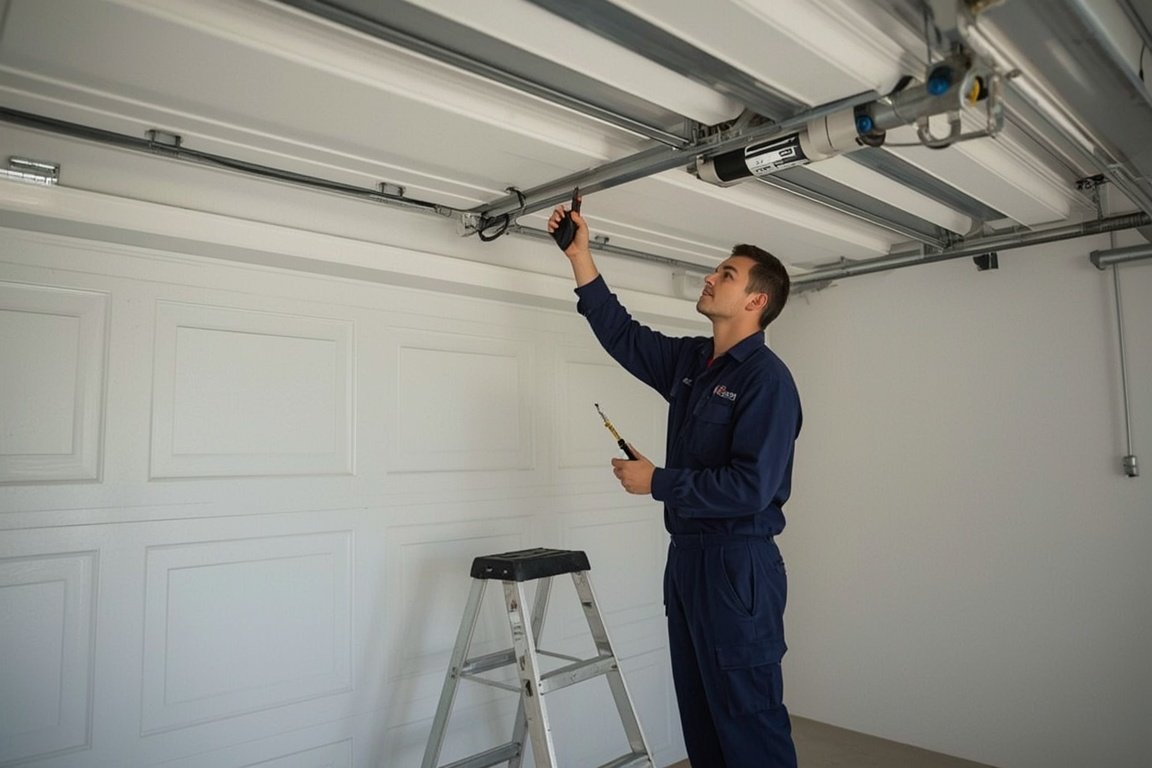
While many homeowners can replace weather seals themselves, professional service may be warranted when:
- The door is heavy or difficult to lift safely
- Access to the bottom of the door is restricted or elevated
- The existing seal is integrated with complex door designs
- Ensuring proper alignment and preventing future door issues is a priority
Professionals can also recommend higher-grade seals for areas exposed to extreme weather or heavy traffic.
Additional Benefits of a Proper Weather Seal
Replacing or upgrading the garage door seal enhances overall home comfort and security:
- Improves energy efficiency by reducing drafts and heat transfer
- Prevents moisture from entering, reducing mold or wood damage
- Blocks pests and insects from entering the garage
- Reduces noise from outside and vibration during door operation
- Enhances the door's appearance and maintains a clean, professional look
Final Thoughts
Replacing a worn garage door weather seal is a vital step in maintaining the efficiency, safety, and durability of your garage. By selecting a high-quality seal, measuring accurately, and installing it properly, homeowners ensure protection against drafts, water, pests, and environmental damage. Regular inspection and maintenance extend the life of the seal and the door itself. For Florida homeowners facing extreme weather or high humidity, professional installation offers added assurance of durability and proper fit. Trust GarageFL for expert guidance, maintenance tips, and professional services to keep your garage weatherproofed and fully functional year-round.
FAQs
How do I know if my garage door weather seal needs replacing?
Look for visible cracks, splits, or fraying along the seal, daylight showing under the closed door, or water and debris getting into the garage. If the seal feels stiff or brittle instead of pliable, it has lost its ability to compress and seal properly.
What type of weather seal is best for South Florida homes?
A high-density rubber or vinyl bottom seal rated for UV and humidity exposure holds up best in South Florida's heat and rain. We recommend seals with a reinforced retainer track so wind-driven rain during storm season can't force water underneath.
How long does a garage door weather seal replacement take?
A standard bottom seal swap takes 30-60 minutes for a single garage door. Side and top weather stripping adds additional time depending on door size and whether the retainer track also needs replacing.
Can I replace a garage door weather seal myself?
Yes, for a straightforward bottom seal swap on a door that opens easily and sits at a manageable height. If the door is heavy, the retainer track is damaged, or the seal is integrated into a custom door design, professional installation avoids a poor seal that fails again quickly.
How much does garage door weather seal replacement cost in Broward County?
Most bottom seal replacements run in the low-to-mid hundreds including parts and labor, with side and top weather stripping priced separately. Call (954) 830-9661 for an exact quote based on your door size and seal type.
Will a new weather seal lower my energy bills?
A properly fitted weather seal reduces drafts and heat transfer through the garage, which helps an attached garage stay closer to indoor temperature and eases the load on your HVAC system, especially during South Florida summers.
Skip the YouTube rabbit hole - we'll have a tech at your door same day across Broward, Dade and Palm Beach.