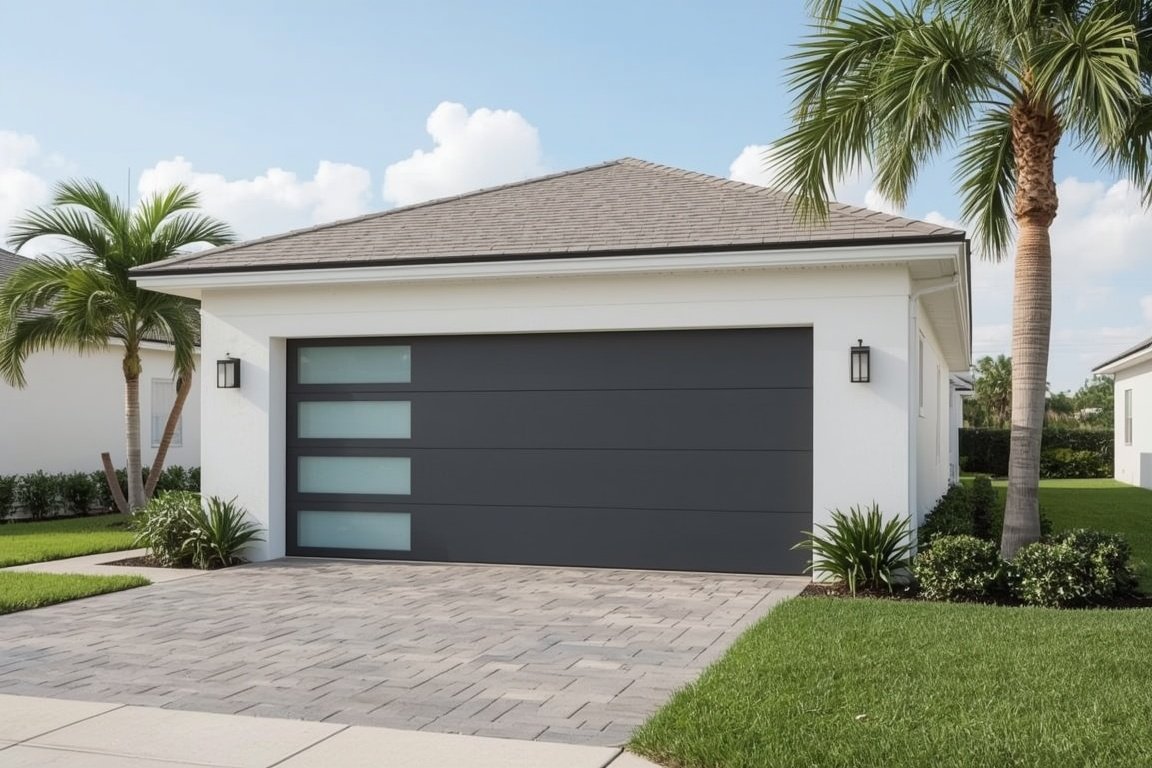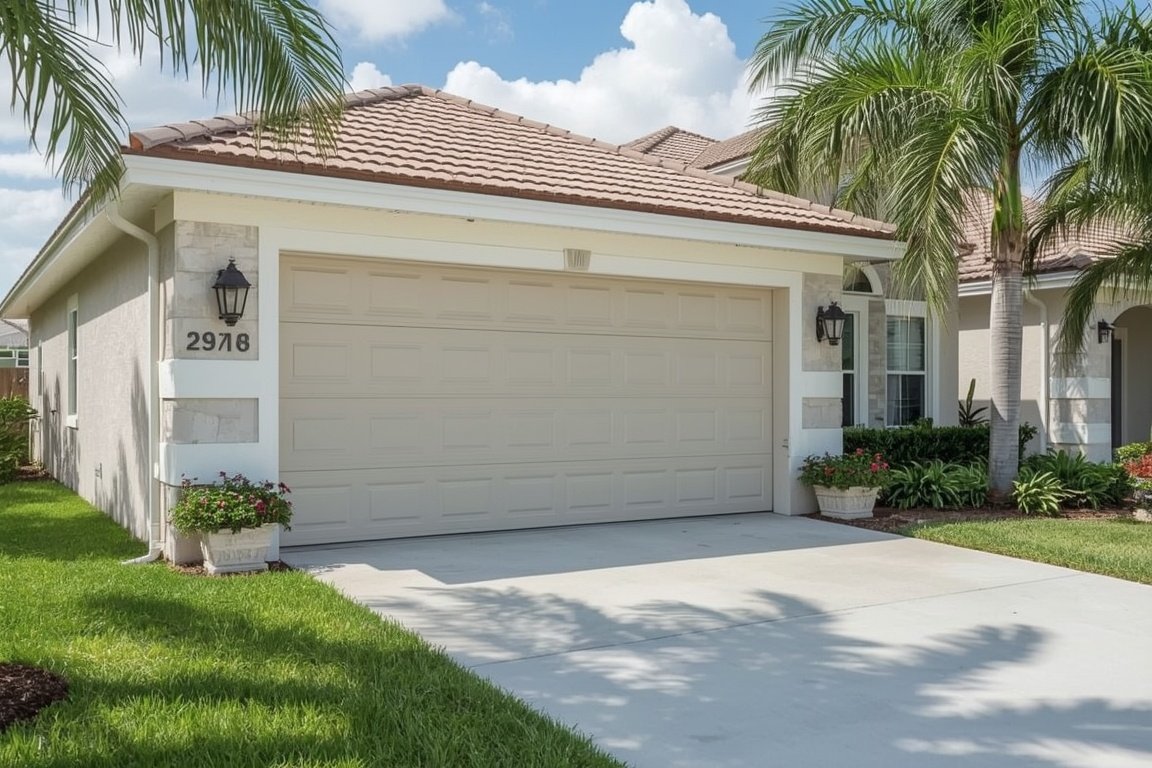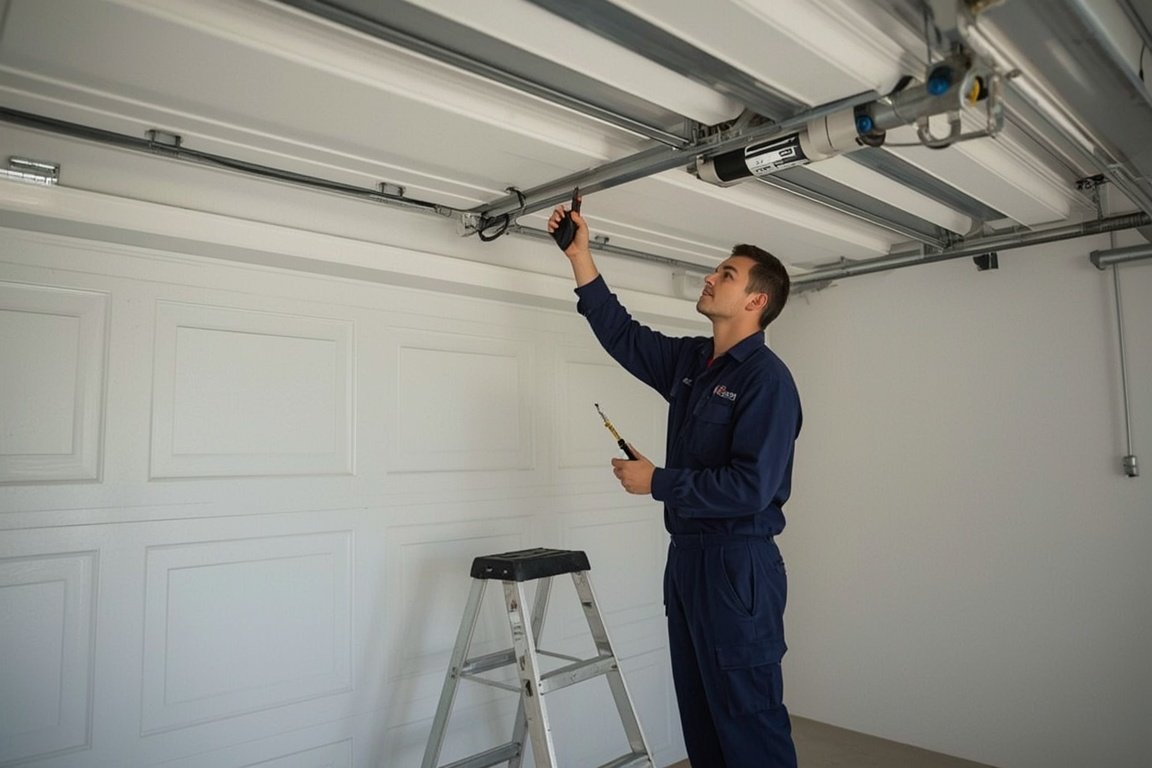
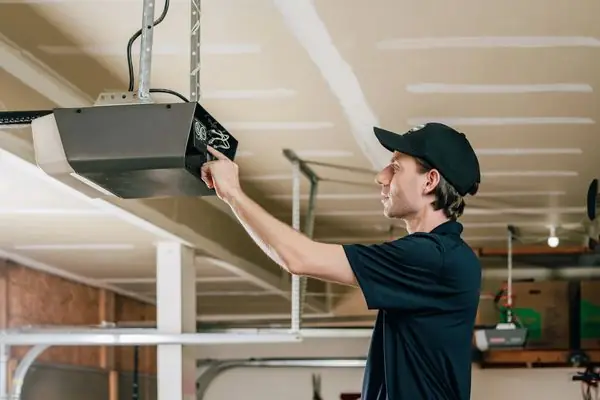
A garage door tune-up checklist covers 10 areas: panels, tracks and rollers, lubrication, springs, cables and pulleys, safety sensors, weather seals, the opener, the exterior finish, and a professional inspection of the components that shouldn't be handled DIY. Running through it twice a year - spring and fall - catches the small issues before they turn into a door that won't open. If you'd rather skip straight to the professional pass, our garage door tune-up service covers all 10 points in one visit.
1. Visual Inspection of Door Panels
Begin by inspecting the garage door panels for signs of damage or wear. Look for:
- Dents, cracks, or warping
- Loose or missing screws and bolts
- Rust or corrosion on metal doors
- Peeling paint or surface degradation
Addressing minor panel issues early prevents further damage and maintains both appearance and functionality.
2. Check Tracks and Rollers
Properly aligned tracks and rollers are essential for smooth door operation. Inspect for:
- Bends, dents, or misalignment in the tracks
- Worn or broken rollers
- Accumulation of dirt or debris in tracks
Clean tracks with a soft cloth and mild detergent. Minor misalignments can sometimes be corrected by gently adjusting brackets, but severe issues should be handled by a professional.
3. Lubrication of Moving Parts
Lubrication reduces friction and wear, ensuring quieter and smoother operation. Key components to lubricate include:
- Rollers and hinges
- Springs (torsion or extension)
- Locking mechanisms and latches
- Tracks (lightly, to avoid attracting dust)
Use a high-quality silicone or lithium-based lubricant for best results. Avoid WD-40 or other solvents that may degrade components over time.
4. Inspect and Test Springs
Springs carry the weight of the garage door and are critical for safe operation. During your tune-up:
- Look for rust, wear, or stretching
- Check for gaps in torsion springs or fraying in extension springs
- Observe door balance: a properly balanced door should stay open halfway when lifted manually
Do not attempt to adjust or replace springs yourself - they are under high tension and require professional handling. See our spring repair page for what a failing spring looks like and when to call for a replacement.
5. Examine Cables and Pulleys
Cables and pulleys help lift the door evenly. Inspect for:
- Fraying, kinks, or rust in cables
- Worn pulleys or misalignment
- Loose or missing hardware
Replace any damaged components promptly to prevent door malfunction or accidents.
6. Test Safety Sensors
Modern garage doors have safety sensors to prevent accidents. Test them regularly by:
- Placing an object in the door's path and attempting to close it
- Observing whether the door reverses automatically
- Cleaning the sensor lenses to remove dust or debris
Properly functioning sensors protect children, pets, and objects from injury or damage.
7. Inspect Weather Seals
Weather seals protect the garage interior from water, dust, and pests. During your tune-up:
- Check bottom seals and side seals for cracks or gaps
- Ensure seals are properly aligned and intact
- Replace damaged seals to maintain energy efficiency and protection
8. Test the Opener and Wall Controls
Garage door openers are vital for smooth operation. Inspect and test them by:
- Checking the remote and wall button response
- Listening for unusual noises such as grinding or squeaking
- Ensuring the door opens and closes fully without hesitation
- Verifying battery backup and connectivity features, if applicable
9. Clean and Inspect the Exterior
Maintaining the exterior not only enhances appearance but also prevents long-term damage. Consider:
- Washing the door with mild soap and water
- Inspecting for paint deterioration or rust spots
- Checking for signs of pest activity or water damage near the frame
10. Schedule Professional Inspection
Even with thorough DIY maintenance, a professional garage door technician provides:
- Detailed inspection of springs, cables, and tracks
- Adjustment or replacement of worn hardware
- Recommendations for long-term maintenance and security upgrades
- Peace of mind knowing your garage door is safe and reliable
Additional Maintenance Tips
To keep your garage door in top condition:
- Perform the tune-up at least twice a year, ideally in spring and fall
- Document any repairs or adjustments for future reference
- Keep a log of unusual noises or operational changes
- Lubricate moving parts on a regular schedule to reduce wear
- Check door alignment and balance periodically
Final Thoughts
Regular garage door tune-ups are essential for safety, longevity, and efficient operation. Following a comprehensive checklist helps homeowners identify issues early, prevent costly repairs, and maintain a secure and functional door. While many steps can be performed independently, professional inspections ensure critical components like springs, cables, and safety sensors are correctly maintained. By combining DIY care with professional expertise, homeowners can enjoy a smoothly operating garage door that protects their property and enhances convenience. Book a professional tune-up or, if something is already broken, our garage door repair team can get to you the same day.
Skip the YouTube rabbit hole - we'll have a tech at your door same day across Broward, Dade and Palm Beach.