Garage door springs are essential for smooth and safe operation, counterbalancing the heavy weight of doors. While these springs are designed to last, their lifespan can vary based on usage, maintenance, and environmental conditions. Understanding how long a garage door spring typically lasts and how to extend its life can save homeowners from unexpected failures and costly repairs. GarageFL provides expert insight into garage door spring longevity, maintenance, and replacement tips.
Types of Garage Door Springs
Garage doors typically use one of two types of springs: torsion springs and extension springs. Each has its characteristics and expected lifespan.
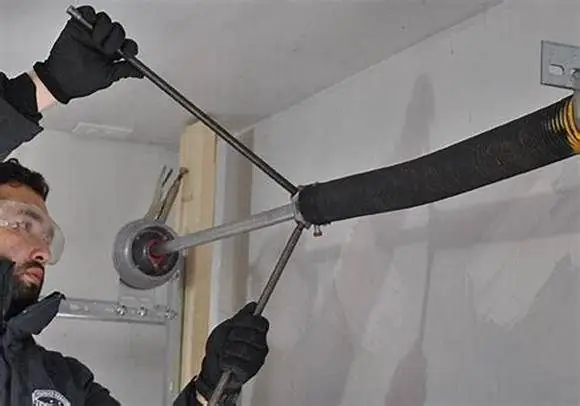
- Torsion Springs: Mounted above the garage door, torsion springs use torque to lift the door smoothly. They are known for durability and precise operation.
- Extension Springs: Located on either side of the door, extension springs stretch and contract as the door opens and closes. These springs are generally easier to replace but can wear faster under frequent use.
Factors Affecting Garage Door Spring Longevity
The lifespan of garage door springs depends on multiple factors, including:
- Number of Cycles: Springs are rated based on cycles - the number of times they can open and close the door. Frequent usage naturally shortens their lifespan.
- Door Weight and Size: Heavier or larger doors place more strain on springs, affecting how long they last.
- Environmental Conditions: Humidity, salt air, and temperature extremes can accelerate corrosion or wear.
- Maintenance: Regular lubrication and inspection help prevent premature failure and ensure smooth operation.
- Installation Quality: Poorly installed springs or misaligned components increase wear and reduce durability.
Signs That a Garage Door Spring Is Reaching the End of Its Life
Recognizing early signs of wear can prevent sudden failures. Common indicators include:
- Difficulty opening or closing the door smoothly
- Visible gaps or stretch marks on the spring
- Loud creaking or popping sounds during operation
- Door moving unevenly or suddenly dropping
- Imbalance when the door is partially open
Addressing these issues promptly can prevent damage to the door or opener and improve safety.
Maintenance Tips to Extend Spring Life
Proper maintenance can significantly extend the life of garage door springs. Recommended practices include:
- Lubricate springs, rollers, and hinges regularly to reduce friction.
- Inspect springs for rust, cracks, or visible wear on a monthly basis.
- Balance the door periodically to ensure the springs are not overexerted.
- Avoid DIY adjustments on high-tension springs; always call a professional for balancing or replacement.
- Keep the area around springs clear to prevent debris from interfering with operation.
Professional Inspection and Replacement
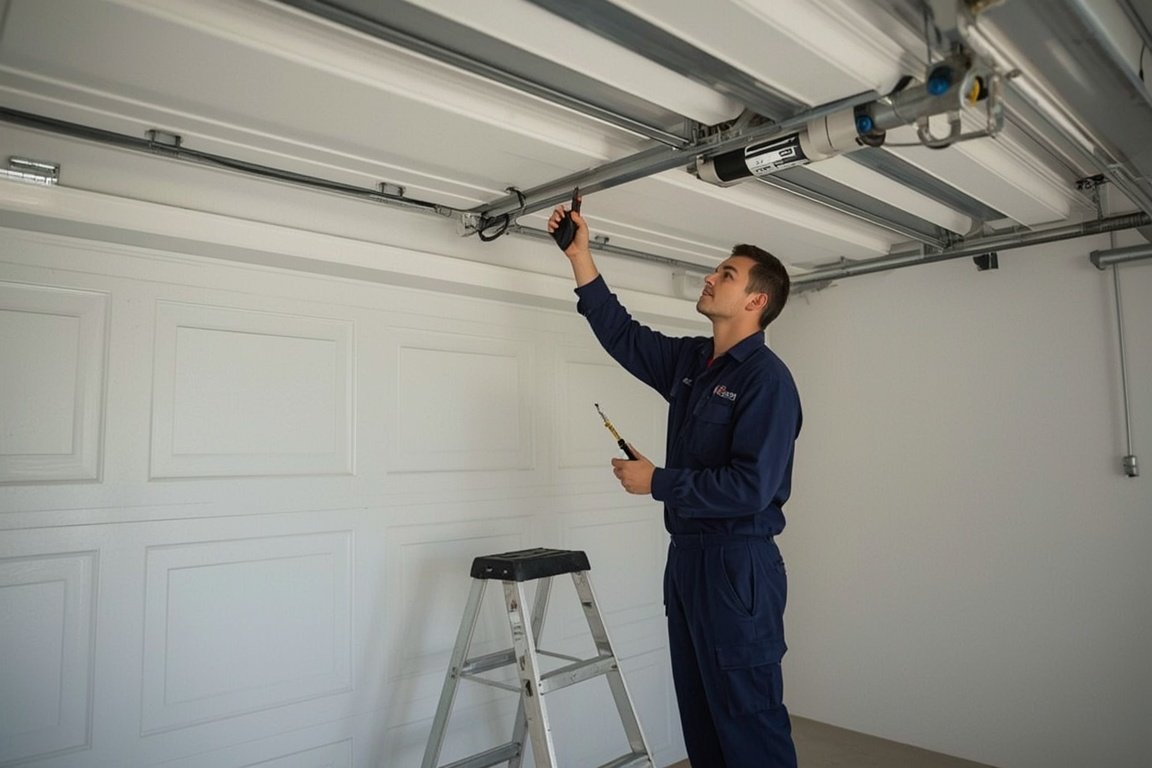
Even with careful maintenance, all springs eventually need replacement. Professional technicians can:
- Assess the remaining lifespan of springs accurately
- Replace worn or damaged springs safely
- Adjust door balance and ensure proper alignment
- Provide recommendations on high-quality springs for longer durability
Professional replacement ensures safety and reliable operation, preventing accidents caused by sudden spring failure.
Extending Spring Lifespan Through Smart Usage
Homeowners can prolong spring life by managing door usage and environmental exposure:
- Limit unnecessary door openings, especially for heavy doors
- Ensure smooth operation by keeping tracks clean and lubricated
- Use insulated doors to reduce strain caused by temperature fluctuations
- Install high-quality springs designed for higher cycle counts in homes with frequent door use
Benefits of Timely Spring Replacement
Replacing springs before failure provides several advantages:
- Ensures safe and smooth operation of the door
- Prevents damage to door panels, tracks, or the opener
- Reduces the risk of injury from a sudden spring break
- Maintains balance and alignment, extending the life of all door components
Environmental Considerations
Florida homeowners, in particular, need to account for environmental factors that can affect spring longevity:
- High humidity can accelerate rust and corrosion
- Coastal areas with salt air can shorten the life of springs
- Temperature swings can cause metal expansion and contraction, affecting spring tension
Regular inspection and preventive maintenance are essential in these conditions.
Final Thoughts
Garage door springs are vital for safe, efficient door operation. While their lifespan varies based on usage, material, installation quality, and environmental factors, proper maintenance and professional inspection can significantly extend their life. Homeowners should monitor for signs of wear, follow recommended lubrication and balancing routines, and contact professionals like GarageFL for safe replacement and repair. By understanding spring longevity and taking proactive steps, you can ensure your garage door remains reliable, balanced, and secure for many years.
Skip the YouTube rabbit hole - we'll have a tech at your door same day across Broward, Dade and Palm Beach.