Garage doors are large, heavy, and often under high tension, making repairs potentially dangerous. While some minor maintenance can be performed safely by homeowners, certain damage is too significant to attempt without professional expertise. GarageFL provides a detailed guide to help homeowners determine which garage door issues are safe to handle themselves and which require professional intervention.
Understanding Garage Door Risks
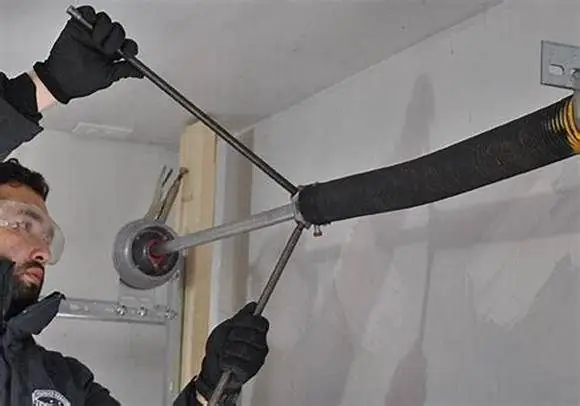
Garage doors use torsion or extension springs to counterbalance their weight, making them extremely powerful. A failure during repair can cause serious injury or damage property. Common risks include:
- High-tension springs snapping unexpectedly
- Falling panels or sections
- Electrical hazards with motorized openers
- Injury from moving parts, rollers, or cables
Recognizing the risks helps determine when a repair is safe to DIY or when a professional is necessary.
Minor Damage You Can Handle Safely
Certain types of minor damage are typically safe for homeowners to address, provided basic precautions are followed:
- Lubricating rollers, hinges, and springs to maintain smooth movement
- Tightening loose bolts, brackets, and fasteners
- Cleaning tracks of debris or dust
- Replacing weatherstripping or seals
- Testing and aligning safety sensors without touching high-tension parts
These tasks improve door operation without exposing homeowners to high-risk components.
Damage That Requires Professional Attention
Some garage door issues are too dangerous or complex for DIY solutions. Signs that professional help is necessary include:
- Broken or Worn Springs: Springs store enormous energy and can snap violently during DIY repairs.
- Frayed or Broken Cables: Lift cables bear the weight of the door and can cause panels to drop suddenly if mishandled.
- Severely Damaged Panels: Warped, cracked, or dented panels affect structural integrity and may require precise replacement.
- Track Misalignment or Bent Tracks: Major adjustments can impact door balance and may involve high-tension components.
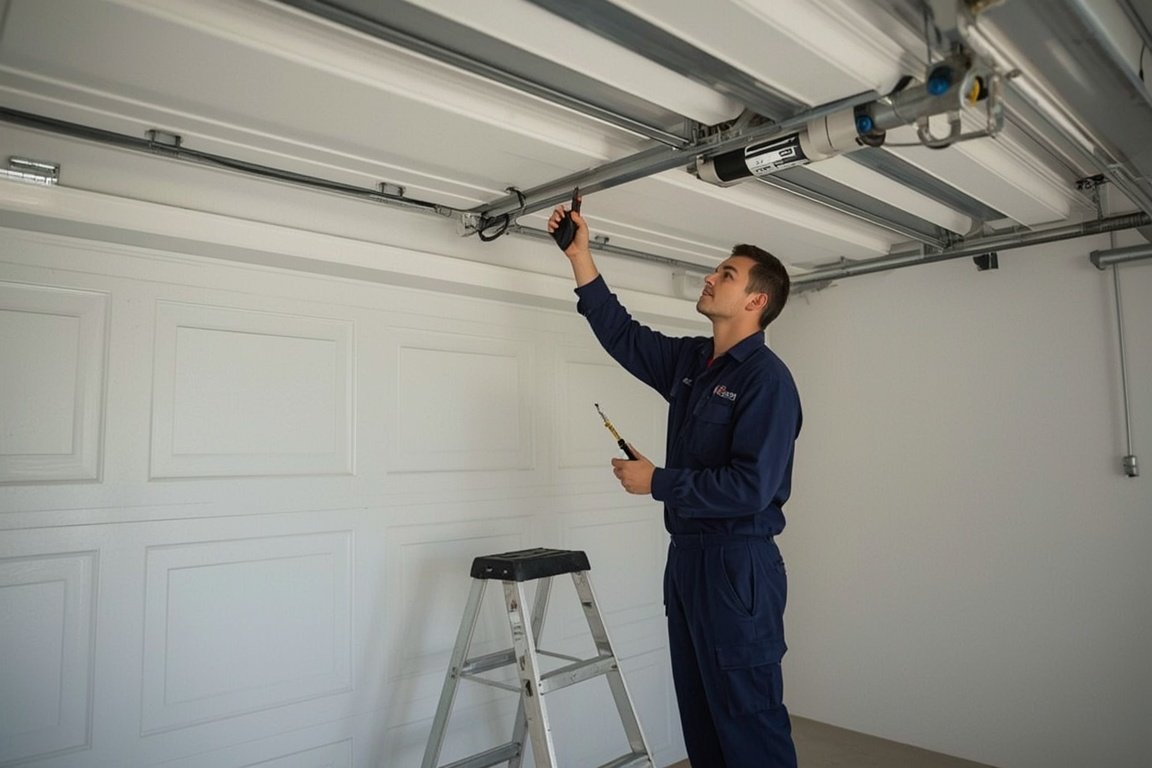
- Opener Electrical Issues: Motor or wiring problems may pose electrical hazards.
Attempting these repairs without proper training increases the risk of injury and further damage.
Evaluating Door Complexity
When determining if damage is too much to DIY, consider these factors:
- Door Type: Sectional, roll-up, or custom doors each have unique mechanisms and tension systems.
- Age of Components: Older doors may have worn parts that fail unexpectedly under stress.
- Frequency of Use: High-traffic doors may have accumulated wear, making repairs more complicated.
- Location and Access: Tight spaces or heavy doors complicate safe handling.
Assessing these factors helps homeowners decide whether to attempt a repair or call a professional.
DIY vs. Professional Repairs
It is important to know when to stop and hire an expert. DIY may be appropriate for minor maintenance tasks, but professional repairs are advisable when:
- High-tension components such as springs and cables are involved
- Structural integrity is compromised due to panels, tracks, or hinges
- Electrical or opener systems are malfunctioning
- Safety is a concern for children, pets, or household members
Professional technicians are trained to handle dangerous repairs safely, with specialized tools and experience.
Preparing for Professional Repairs
Homeowners can assist professionals and streamline the repair process by:
- Noting specific issues, noises, or irregular movements of the door
- Clearing the area around the garage door for safe access
- Disconnecting power to the door if an electrical problem is suspected
- Documenting any past repairs or maintenance for the technician's reference
Being prepared ensures the repair is efficient and safe.
Safety Precautions for DIY Maintenance
Even for minor DIY tasks, safety is essential:
- Always wear gloves and eye protection
- Use proper tools designed for garage doors
- Never attempt to adjust or replace high-tension springs
- Follow manufacturer instructions for lubrication, tightening, and sensor alignment
Adhering to safety guidelines reduces the risk of injury and protects the door components.
Knowing When to Stop
It's better to call a professional at the first sign of complex or risky damage. Red flags include:
- Door imbalance or uneven movement
- Loud noises like snapping, grinding, or banging
- Visible frayed cables or bent tracks
- Repeated failures after minor DIY fixes
Recognizing these signs prevents accidents and ensures repairs are performed correctly.
Final Thoughts
Garage door repairs can range from simple maintenance to high-risk tasks that require professional expertise. Minor tasks like lubrication, cleaning, and tightening hardware are generally safe for homeowners. However, damage to springs, cables, panels, tracks, or electrical systems is too dangerous for DIY attempts. Assess the type and extent of damage carefully, and err on the side of safety. Professional technicians like those at GarageFL have the training, tools, and experience to handle complex repairs safely and efficiently. By understanding your limits and prioritizing safety, you can maintain a reliable, secure, and smoothly operating garage door without unnecessary risk.
Skip the YouTube rabbit hole - we'll have a tech at your door same day across Broward, Dade and Palm Beach.