How to Choose a Quiet Garage Door Opener - sounds simple, right? But with so many options on the market, how do you know which one truly delivers peace and performance? At Garage Door Pros, we specialize in swift, affordable garage door solutions across South Florida, from Pembroke Pines to Fort Lauderdale. If a noisy garage door is disrupting your mornings or late-night returns, it's time to explore your options for a quieter, more efficient opener.
The quietest garage door openers are typically belt-driven models with DC motors and soft start/stop technology. In this article, we'll break down the top features to look for, compare the best opener types, and explain how noise levels differ by design. You'll also learn how professional installation can make all the difference in long-term performance.
But that's just the beginning. Industry experts like Bob Vila recommend choosing openers based on both noise control and durability. Want to know which models top our list and why? Let's dive into the world of whisper-quiet garage door openers and help you find the perfect fit for your home.
Understanding the Importance of a Quiet Garage Door Opener
Living near or above the garage makes noise a top concern when selecting a garage door opener. Loud mechanisms can disrupt sleep, interrupt conversations, or even wake a baby. Many homeowners complain about the grinding sounds and vibrations that echo through walls and ceilings. These disturbances often become daily frustrations, especially during early mornings or late nights.
A quiet garage door opener transforms your home environment. It minimizes noise pollution, allowing for a more peaceful atmosphere. Whether you're working from home or relaxing in the evening, reduced noise makes a noticeable difference. Additionally, a quieter system adds value to your property by enhancing comfort and modern appeal.
Choosing a silent model also reflects thoughtful home improvement. It shows attention to detail and consideration for everyone in the household. For more on how to improve your setup, explore our garage door services or check out our helpful FAQ section. A quiet opener isn't just a luxury - it's a smart investment in your home's functionality and livability.
Types of Garage Door Openers and Their Noise Levels
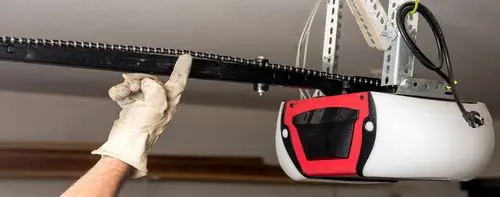
Garage door openers come in five main types, each with distinct noise levels and features. Chain-drive openers are the loudest due to metal-on-metal contact. However, they're affordable and durable, making them ideal for detached garages. Belt-drive models use a rubber belt, significantly reducing noise. They're perfect for homes with living spaces above the garage but cost more.
Screw-drive openers fall in the middle. They produce moderate noise and require less maintenance, but temperature changes can affect performance. Direct-drive systems are among the quietest. With only one moving part, they offer smooth, silent operation and long-term reliability. Wall-mounted (jackshaft) openers also operate quietly. Installed beside the door, they save ceiling space and suit garages with high or obstructed ceilings.
While belt and direct-drive openers are the quietest, they come at a higher price. Chain and screw-drive options offer strength and affordability but generate more noise. Jackshaft models combine quiet performance with space efficiency, though installation costs more. For more details on opener types, visit our garage door types page. Need help choosing the right one? Reach out through our contact page today.
Key Features to Look for in a Quiet Garage Door Opener
When selecting a quiet garage door opener, prioritize models with DC motors. These motors operate more smoothly and silently than traditional AC versions. Look for soft start and stop technology, which minimizes abrupt movements and reduces operational noise. Vibration isolation systems also play a key role by dampening sound caused by motor vibrations.
Insulated motor housings further suppress noise by containing internal sounds. Additionally, nylon-coated components, such as rollers and belts, glide more quietly than metal alternatives. These features collectively ensure a peaceful garage environment.
Always consider your garage door's size and weight. An underpowered opener will strain and produce more noise. Choose a unit that matches your door's specifications for optimal performance and quiet operation.
For more insights on garage door systems, visit our blog. If you're unsure about compatibility or installation, our service team can help. A well-matched, high-quality opener not only reduces noise but also extends the lifespan of your garage door system.
Motor Types and Their Impact on Noise
When comparing motor types, DC motors clearly outperform AC motors in noise reduction. AC motors tend to generate more vibration and sound during operation. In contrast, DC motors run smoother and quieter, making them ideal for residential settings. They also offer better energy efficiency and enhanced performance.
DC motors support soft start and stop functions, reducing wear and minimizing abrupt movements. This feature not only lowers noise but also extends the opener's lifespan. Additionally, many DC models include battery backup systems, ensuring functionality during power outages.
Top brands like Chamberlain and LiftMaster offer ultra-quiet DC motor models. For example, the LiftMaster 8500W is wall-mounted and virtually silent. Chamberlain's B970 model also delivers whisper-quiet performance with smart features.
Choosing the right motor can significantly improve your garage experience. For expert guidance, explore our garage door services or learn more about our team of professionals. A quieter garage starts with the right motor - make the switch today.
Drive Mechanism Comparison: Which is the Quietest?
When comparing garage door openers, the drive mechanism plays a crucial role in noise levels. Belt-drive systems use a rubber belt, which absorbs vibrations and operates smoothly. This makes them significantly quieter than chain or screw drives. Direct-drive models go a step further by eliminating moving chains or belts altogether. With only one moving part, they produce minimal noise and offer exceptional reliability.
Chain-drive openers, while durable and cost-effective, tend to be the loudest. They rely on metal-to-metal contact, which creates more vibration and sound. Screw-drive systems fall in the middle. They use a threaded rod to move the door, generating moderate noise and requiring more frequent lubrication.
In terms of maintenance, belt and direct drives need less upkeep. Chains and screws demand regular tightening and lubrication. Longevity also favors belt and direct-drive systems, especially in residential settings.
For homeowners prioritizing peace and quiet, belt and direct drives are the top choices. Learn more about our garage door services or explore different garage door types to match your opener.
Smart Features and Their Role in Quiet Operation
Smart garage door openers integrate advanced features that significantly reduce noise and enhance convenience. Smartphone control allows users to open or close the door remotely, eliminating unnecessary activations. Scheduling functions help limit operations to specific times, reducing wear and minimizing sound during quiet hours. Remote monitoring ensures you're alerted to any activity, preventing repeated openings due to uncertainty.
Many models include motion-activated lighting, which turns on only when needed. This feature avoids the constant hum of traditional lighting systems. Quiet mode settings further dampen operational noise, making them ideal for homes with attached garages.
Top-rated models like the Chamberlain B970 and LiftMaster 8500W are known for their ultra-quiet performance and smart capabilities. These units combine belt-drive systems with smart tech for seamless, silent operation.
For more information on garage door upgrades, visit our blog or explore our service options. Investing in a smart opener not only ensures peace but also adds value to your home.
Installation Considerations for Noise Reduction
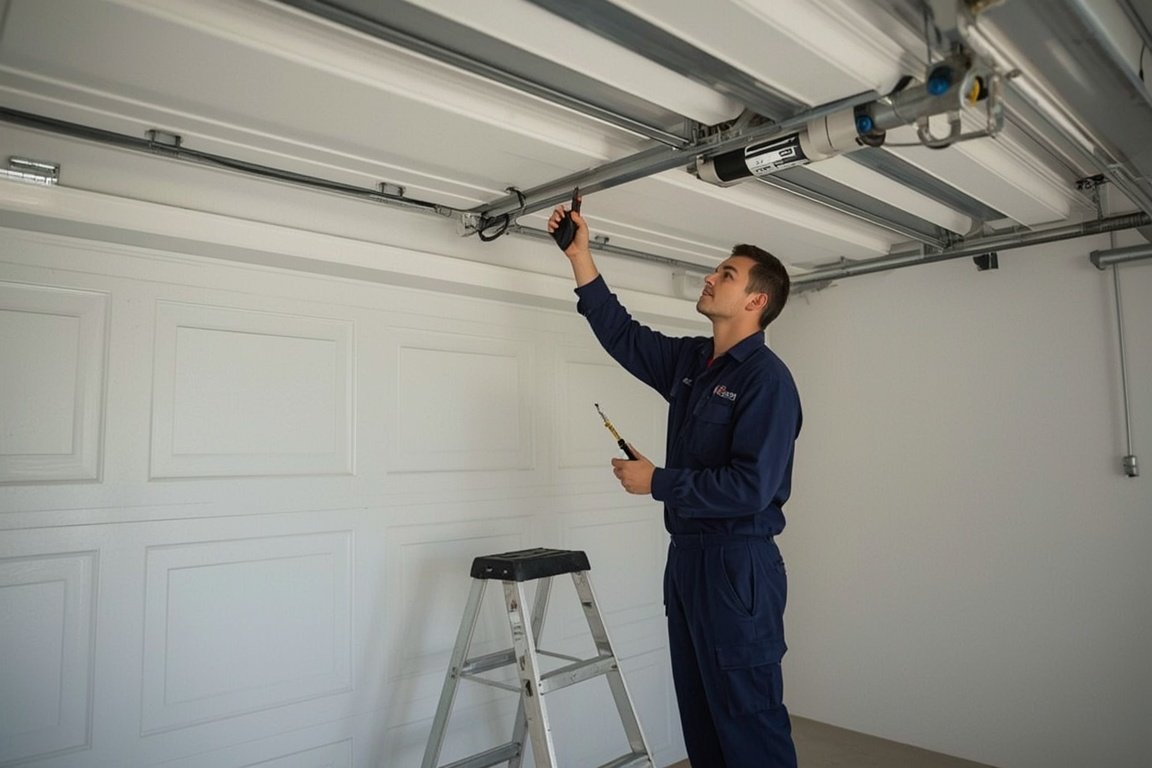
A quiet garage door opener starts with precise installation. Securely mounting the opener reduces vibrations that often cause noise. Use rubber or neoprene vibration dampeners between the motor and ceiling brackets. These materials absorb sound and prevent it from traveling through the structure. Tighten all bolts and brackets to avoid rattling during operation.
For DIY enthusiasts, follow the manufacturer's instructions closely. Use a level to ensure proper alignment. Misalignment increases friction and noise. If unsure, consider hiring a professional. Experts have the tools and experience to install systems quietly and efficiently. Explore our garage door services for professional help.
Insulating your garage also plays a key role. Add insulation panels to the door and seal any wall gaps. This helps block external noise and dampens internal sounds. Weatherstripping around the door frame can further reduce sound leakage.
If you're unsure whether to go DIY or hire a pro, visit our FAQ page for guidance. A well-installed and insulated system ensures a quieter, smoother operation every time.
Top Quiet Garage Door Opener Brands and Models
When it comes to quiet performance, the Chamberlain B970T stands out. Its belt drive and built-in vibration isolation reduce noise significantly. It also features smartphone control and battery backup. LiftMaster's 8500W model mounts on the wall, eliminating ceiling vibrations. It's ideal for garages beneath living spaces.
Genie's QuietLift Connect offers a smooth, silent operation with a steel-reinforced belt. It includes Wi-Fi connectivity and a strong ¾ HP motor. Sommer's Direct Drive 1042V001 is another top contender. Its motor glides along the track, minimizing sound and wear.
Here's a quick comparison:
| Brand | Model | Drive Type | Noise Level | Features | Price Range |
| - - - - -| - - - - - | - - - - | - - - - -| - - - - - - - - - - - -| - - - - -|
| Chamberlain | B970T | Belt | Very Low | Battery backup, Wi-Fi | $$ |
| LiftMaster | 8500W | Wall-Mount | Ultra Low | Space-saving, smart control | $$$ |
| Genie | QuietLift | Belt | Low | Wi-Fi, ¾ HP motor | $ |
| Sommer | 1042V001 | Direct | Ultra Low | Silent motor, durable design | $$ |
For more on installation options, visit our garage door installation page. Need help deciding? Check our FAQ section for expert guidance.
Maintenance Tips to Keep Your Garage Door Opener Quiet
Regular upkeep is key to keeping your garage door opener running quietly. Start by lubricating all moving parts every six months. Use a silicone-based lubricant on rollers, hinges, and springs. Avoid grease, as it attracts dust and debris. Next, tighten all bolts and screws. Loose hardware often causes rattling and vibration.
Check the door's alignment monthly. Misalignment strains the opener and increases noise. If the door doesn't open smoothly, inspect the tracks and rollers. Replace worn-out rollers with nylon ones for quieter operation. Also, inspect the belt or chain drive for signs of wear. A frayed belt or loose chain can create loud, jerky movements.
Use a soft cloth to clean the tracks. Dirt buildup can lead to grinding noises. For added peace of mind, schedule a professional inspection through our garage door service. Experts can spot issues before they become costly.
Consider installing a vibration isolator kit. It reduces motor noise by absorbing sound. For more tips, visit our blog and stay informed. With consistent care, your opener will stay smooth and silent for years.
Frequently Asked Questions (FAQs)
The quietest garage door openers are typically belt-drive models with DC motors. They operate smoothly and produce minimal vibration. Yes, you can reduce noise on your current opener by lubricating moving parts and tightening hardware. Replacing metal rollers with nylon ones also helps. A quiet garage door opener usually costs based on scope depending on features and brand.
Belt-drive openers are both reliable and durable, especially when maintained regularly. While professional installation isn't mandatory, it ensures optimal performance and noise reduction. Smart garage door openers don't necessarily make more noise; it depends on the drive type and motor.
To maintain quiet operation, service your opener at least once a year. A noise level under 60 decibels is considered quiet. Adding insulation to your garage door can also dampen sound effectively. Quiet openers are often energy-efficient, especially those with soft-start and stop features.
For more details on maintenance, visit our service page. If you're considering an upgrade, explore our expert advice on the blog.
Final Buying Checklist
Before making your final decision, review the essential features that impact performance and noise. Choose a model with a quiet motor, such as a belt drive or direct drive. These options reduce vibrations and operate smoothly. Opt for a DC motor for quieter and energy-efficient performance. Smart features like Wi-Fi connectivity and app control add convenience and security. Consider ease of installation and long-term maintenance needs. Some models offer tool-free assembly and minimal upkeep.
Use this quick checklist to compare options:
- Drive Type: Belt, Chain, or Direct
- Motor Type: AC or DC
- Noise Level: Low, Medium, High
- Smart Features: Yes or No
- Installation: DIY or Professional
- Maintenance: Low or High
Whenever possible, listen to the opener in action. Visit a showroom or watch video reviews to hear real-world noise levels. This step helps avoid surprises after installation. For more guidance, explore our blog or check our FAQ section. Making an informed choice ensures long-term satisfaction and peace of mind.
Skip the YouTube rabbit hole - we'll have a tech at your door same day across Broward, Dade and Palm Beach.